
- The history of cherry breeding Precious Carmine
- Advantages and disadvantages of the variety
- Description of cherry
- Cherry sizes
- Fruiting
- Flowering period and pollinators
- Ripening time and harvesting of berries
- Yield and use of berries
- Characteristics of the culture
- Drought resistance, winter hardiness
- Immunity to diseases and pests
- Features of planting operations
- Deadlines
- Choosing the optimal location
- What to plant next door?
- Selection and preparation of planting material
- Landing technology
- How to care for cherries
- Watering and fertilizing
- Pruning and crown shaping
- Disease and insect prevention
- Winter protection
- Methods of reproduction
- Gardeners' reviews
Cherries are suitable for growing in most regions, including northern ones. With so many varieties, choosing just one can be difficult. An excellent cherry hybrid for planting is Precious Carmine.
The history of cherry breeding Precious Carmine
A Canadian-bred variety, Carmine Jewel was developed in 1999. To create the new hybrid, Carmine Jewel was a cross between the prairie cherry and the common cherry.
Advantages and disadvantages of the variety
Advantages of the variety:
- Tolerates frosts down to -40 degrees.
- The tree is compact, suitable for growing in small areas.
- Good yield.
- The variety is self-fertile; pollinator trees do not need to be planted nearby for pollination.
- Trees rarely get sick or are affected by pests.
The Precious Carmine variety has no significant disadvantages.
Description of cherry
Before purchasing a seedling, you need to study the characteristics and description of the cherry tree as carefully as possible.
Cherry sizes
The Carmine Jewel cherry tree (Prunus Carmine Jewel) is a dwarf variety, growing to no more than 2 m in height. The crown is compact and moderately spreading. The foliage is medium.
Fruiting
Carmine Jewel begins to bear fruit in the third year after planting the seedling.
Flowering period and pollinators
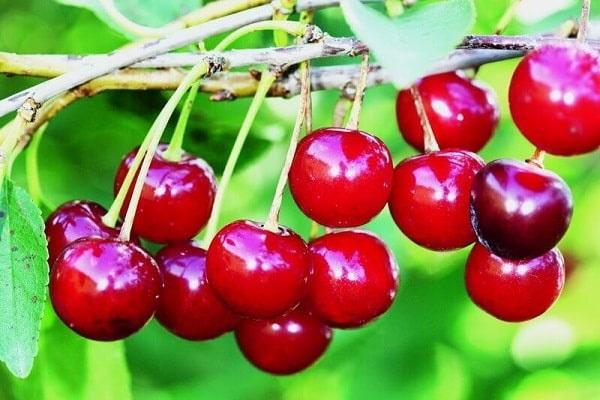
Blooms profusely, with the entire tree covered in fragrant white flowers in spring. The tree blooms in early May.
Ripening time and harvesting of berries
The harvest ripens late, with mass ripening occurring towards the end of July. Ripening is uneven and lasts until the end of August.
Yield and use of berries
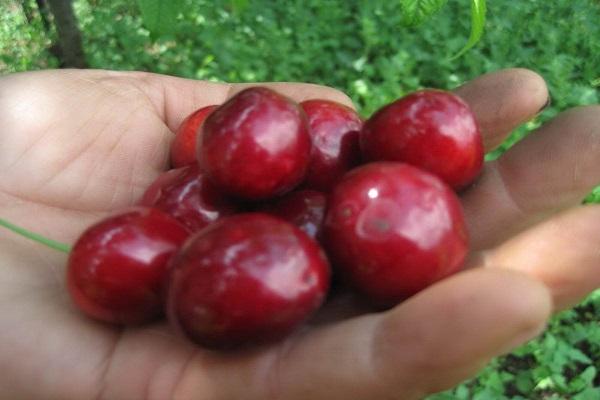
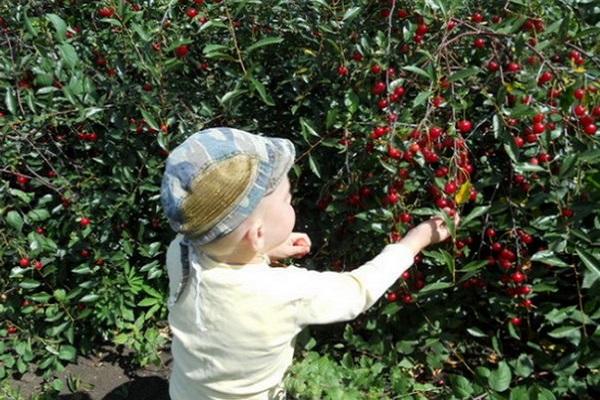
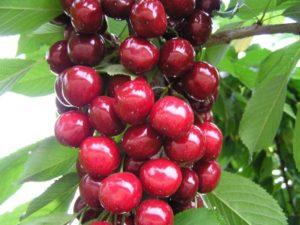
The yield is abundant, with up to 7 kg of berries per bush. Ripe berries are large, weighing up to 4 g. The skin is a rich burgundy hue, and the flesh is dark red and juicy. The berries have a sweet and sour flavor. Cherries can be used for winter preserves and baking.
Characteristics of the culture
In addition to describing the tree, other characteristics of the crop need to be studied.
Drought resistance, winter hardiness
This variety is distinguished by good frost resistance; the tree can withstand temperatures down to -40 degrees Celsius. It tolerates short-term droughts well.
Immunity to diseases and pests
The Precious Carmine variety is highly resistant to fruit tree diseases and pests.
Features of planting operations
Before planting a seedling, you need to decide on the timing and location. By following all the proper agricultural practices, you can achieve abundant and early fruiting.
Deadlines
Cherry tree saplings are planted in spring and fall. Fall planting is more suitable for southern regions with mild winters, as this gives the trees time to establish themselves in their new location.

If you live in a temperate climate, it's best to postpone planting until spring. The optimal time is the second half of April. However, it's best to consider the climate. If the soil hasn't warmed up by April, it's best to postpone planting until May.
Choosing the optimal location
Open, sunny areas protected from cold winds are best for planting cherries. Ideally, these should be south- or west-facing slopes near house walls. It is not desirable to have spreading trees growing nearby that will create shade.
Cherry trees prefer fertile, well-drained soil. They don't like acidic soil. The soil should be slightly acidic or neutral. If the soil is acidic, add lime before planting.
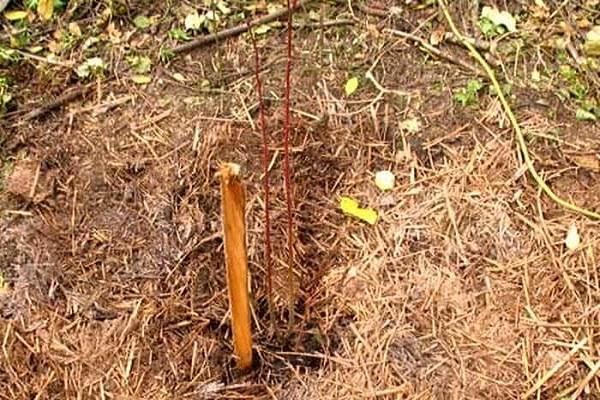
What to plant next door?
To ensure that all crops on the site bear fruit abundantly, it is necessary to study which trees will be most suitable for cherry trees to grow next to.
What can be planted next to a cherry tree:
- plum;
- cherries;
- hawthorn;
- cherries;
- cherry plum;
- quince;
- barberry;
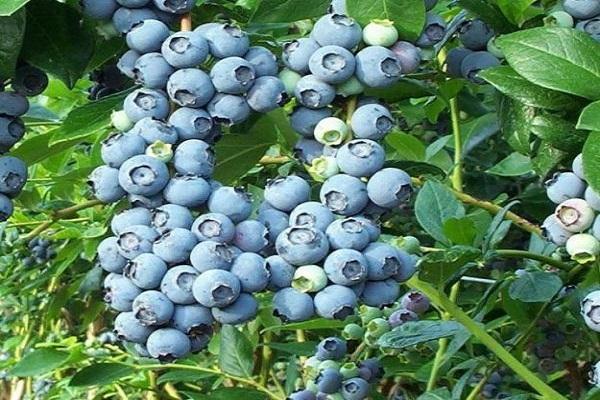
- blueberries;
- viburnum;
- dogwood;
- sea buckthorn.
It's not advisable to plant pear, apple, and walnut trees next to each other. These crops don't mix well with cherries.
But nothing terrible will happen if there is no other place and the crop has to be planted next to these trees.
Selection and preparation of planting material
It's best to purchase seedlings from specialized nurseries where they are specially grown. It's best to choose one-year-old seedlings for planting. When inspecting the specimen, look for the budding site—usually located 10-15 cm above the root collar. At this point, the trunk grows slightly sideways. If this sign is absent, it's not a cultivar, but a seedling.
The seedling should be 80-90 cm tall. There should be no more than eight shoots, 15 to 20 cm long, and a well-developed root system. The roots, like the twigs, should not crunch or break when bent.
Before planting, soak the root system in a growth activator for several hours. Immediately before planting, dip the rhizome in a liquid clay solution and plant it immediately, before the clay has time to dry.
Landing technology
The soil for planting is prepared several weeks in advance. The ground is dug, weeds are pulled, and well-rotted manure is added.
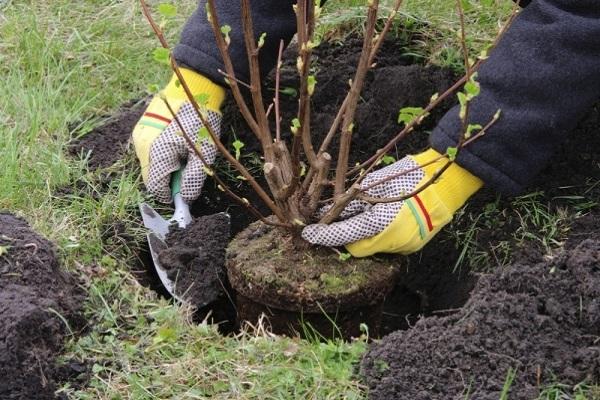
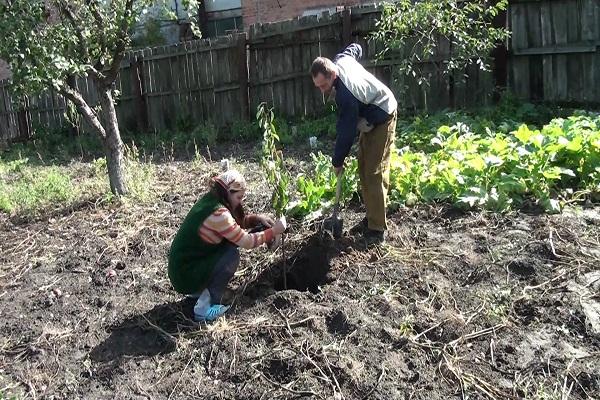
The process of planting a cherry tree seedling:
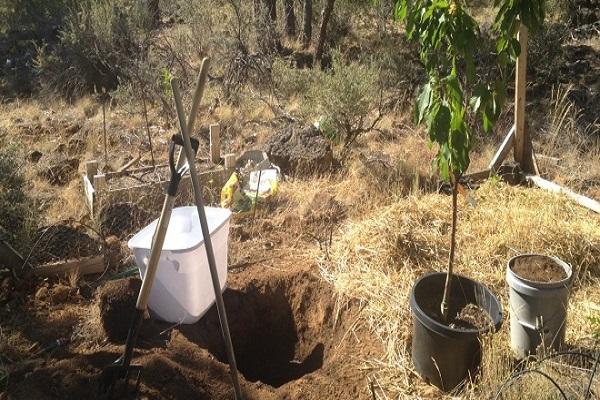
- Dig a hole.
- The width of the pit is 80 cm, the depth is 90 cm.
- Add drainage material to the bottom.
- Drive a stake into the center of the hole.
- Place a seedling.
- Fill the hole with soil and tie the trunk to a stake.
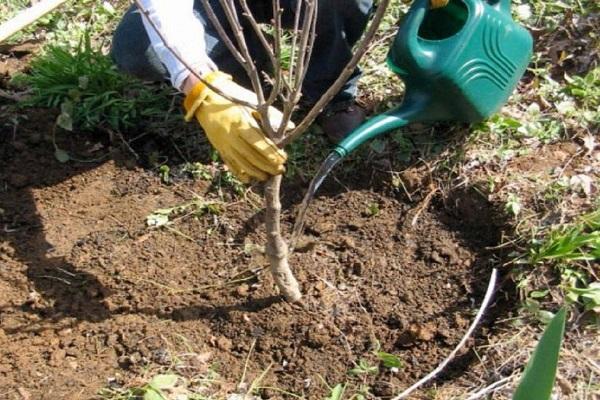
Finish planting with a generous watering with warm water. If you plan to plant several trees close together, leave 3-4 meters between them. Leave the same distance if other fruit trees or shrubs are already growing near the seedling.

How to care for cherries
By providing proper care for the cherry tree, the tree's yield can be increased several times.
Watering and fertilizing
The first watering is done immediately after planting the seedling in open ground. It is then watered 3-4 times a week. If there is frequent rainfall, the frequency of watering is reduced. A mature tree is watered 3-4 times a week in the spring. During the fruiting period, the frequency of watering is reduced. One to two waterings per week are sufficient. Always use warm water for watering. Each tree should require approximately 50 liters of water.
In the first half of the season, nitrogen-containing fertilizers are added to the soil. These fertilizers stimulate foliar growth. During the fruit set period, cherries require phosphorus and potassium. Along with mineral fertilizers, rotted manure and bird droppings are added to the soil, and wood ash is sprinkled on the soil before watering.
Pruning and crown shaping
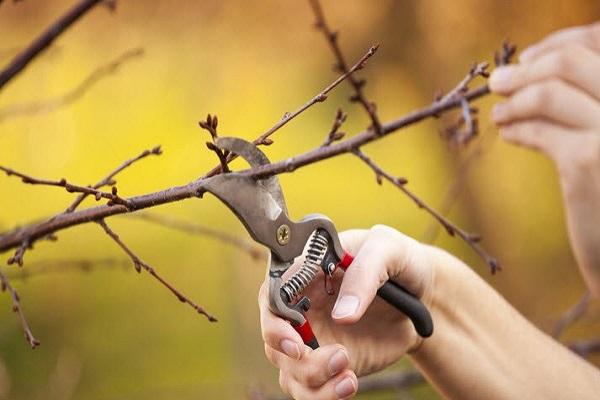
Crown shaping begins immediately after the seedling has been planted in its permanent location. The top is cut off, leaving five large branches on the seedling.
The following year, the tops of the long branches are pruned and the crown is thinned. The same process is done in the third year. By the fourth year, the cherry tree's crown will be formed.
Every fall, sanitary pruning is performed. All dry and damaged branches are cut off. The cut areas are coated with garden pitch.
If necessary, further thinning pruning can be performed. This is necessary if the berries deep in the branches don't receive enough sunlight to ripen. This shaping procedure is performed in the summer.
Disease and insect prevention
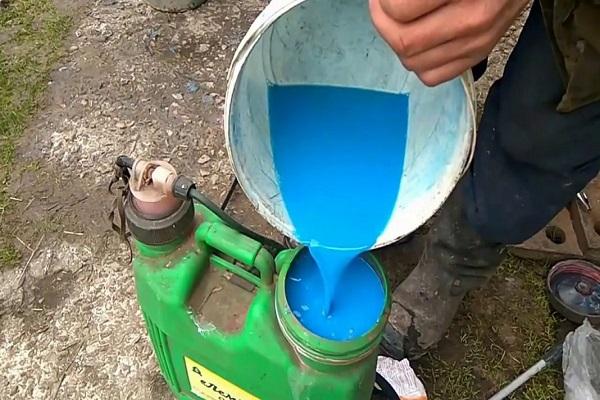
To prevent diseases and insects, it's important to carry out preventative measures. In early spring, before bud break, trees are sprayed with Bordeaux mixture or copper sulfate.
Every autumn, the soil should be dug to a depth of 15-20 cm. Insects often prefer to overwinter in the soil and lay their larvae in buds in the spring.
It's recommended to rake leaves in the fall, especially if there were signs of disease during the summer. If other fruit trees are growing nearby, monitor their health as well. Trees share many of the same diseases, and cherry trees can be infected by a nearby tree.
At the first sign of disease, immediate action is taken. This may include treatment with Bordeaux mixture or copper-containing preparations.
Winter protection
The Precious Carmine cherry variety is frost-hardy, so winter protection is not necessary. For example, to prevent root freezing, mulch the soil around the tree with peat or sawdust. The optimal mulch layer is 15-20 cm.
Mice often gnaw at the bark in winter, so it is wrapped in several layers of burlap or roofing felt.
Methods of reproduction
There are several ways to propagate cherries:
- cuttings;
- vaccinations;
- young growth.
Cuttings for planting are prepared in the fall. One-year-old fruiting branches with four buds are cut. They are stored in a cool place until February. In mid-February, they are planted indoors to allow them to root. In the spring, when the soil warms up, they are planted outdoors. After planting, the cuttings are covered with bottles to speed rooting and prevent frost damage if there is a sudden overnight freeze.
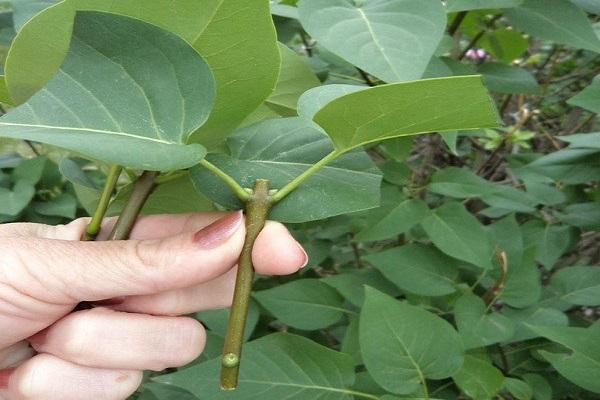
Another method is planting young shoots. They dig up the bushes growing next to the mature tree, cut the roots that connect the bush to the parent tree, and plant them separately.
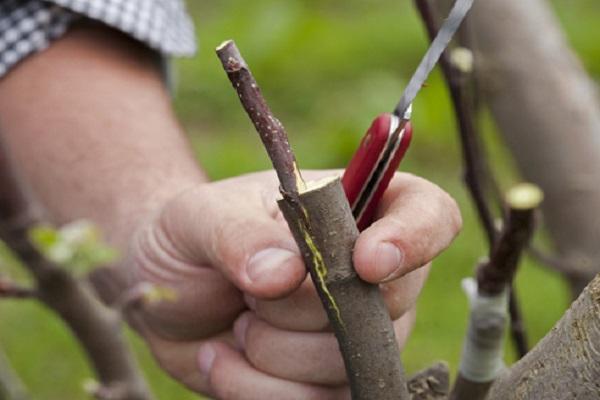
For grafting, scions and rootstock are prepared. Any cherry variety can be used as rootstock. The scions are prepared in the same way as for propagation by cuttings. In the spring, a cut is made in the rootstock to create a "tongue." The lower part of the scion is cut at a 45-degree angle. Then, the scion is inserted into the rootstock and wrapped with electrical tape.
Another method of propagation is by grafting. This method also requires preparing the rootstock and cutting a large bud from another tree, along with a section of bark. A section of bark is cut from the rootstock, then the bud is secured to it and wrapped with electrical tape so that it is visible. By summer, the bud should take root. Then, the tape can be removed.
Gardeners' reviews
Ivan, 31: "An excellent variety. Every year, I've been growing cherries, and it bears fruit abundantly; the entire tree is covered with berries. The harvest is enough for canning and freezing. The tree is easy to grow; I rarely fertilize it, but even so, the yield doesn't decrease."
Angelina, 35: "When I bought the seedling, the seller promised a stable harvest and bushes laden with berries. But the yield wasn't as good as I expected. There are plenty of berries, but there are more productive varieties. There are enough cherries for canning and eating. Among the advantages of this variety, I can note its undemanding nature and resistance to diseases. In all my years of growing it, I haven't encountered any diseases or insects yet."
Related posts:
 Description and pollinators of the Vladimirskaya cherry variety, planting and care
 Description and varieties of cherry variety Shpanka, planting and care
 Description and cultivation of the best varieties of felt cherry, planting and care
 Description and characteristics of the miracle cherry hybrid, planting and care of the variety
 13 Best Cherry Jam Recipes for Winter
 Description and propagation of the Bessey cherry variety, planting and care rules
 Description of the 25 best cherry varieties for the Urals and Siberia, planting and care in open ground
 Characteristics and description of the Shokoladnitsa cherry variety, pollinators and fruiting