
- History of the Jonathan variety's selection
- Region of fruit crop cultivation
- Characteristics and description
- Tree size and height
- Crown diameter
- Branching of the root system
- Flowering and pollination
- Harvest ripening period
- Collection and use of apples
- Suitable climatic conditions
- Frost and drought resistance
- Susceptibility to diseases and pests
- Specifics of planting on the site
- Optimal timing
- Preparing young seedlings and planting holes
- Planting pattern and depth
- We organize competent care
- Irrigation mode
- Top dressing
- Crown formation
- Seasonal treatments
- Preparing for the winter period
- Popular hybrid varieties
- Decosta
- King
- Jonared
- Jonagold
- Highlander
- Jonagored
- Gardeners' reviews of the variety
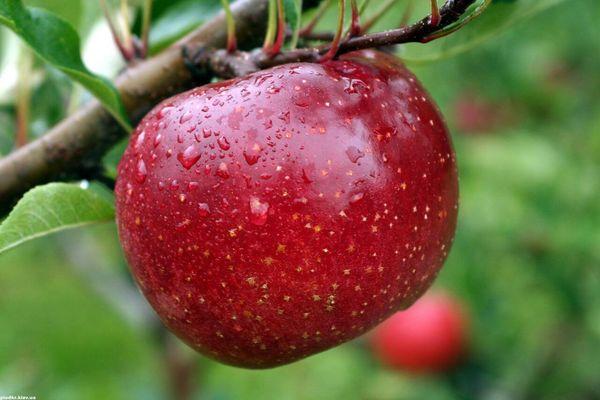
The apple tree is one of the most common fruit trees, grown in virtually every region of Russia. There are many varieties, each with its own distinct ripening time, fruit characteristics, and tree appearance. When choosing a seedling, consider the Jonathan apple variety.
History of the Jonathan variety's selection
The Jonathan apple variety was developed by American breeders by crossing the Aesop and Spitzenburg varieties. The development work on the new variety was carried out in Ohio.
Region of fruit crop cultivation
The hybrid is suitable for most regions with a temperate climate (warm, long summers and frosty winters). It is also suitable for cultivation in the North Caucasus.
Characteristics and description
Before purchasing a seedling, you should study the description and characteristics of the future tree to avoid making a mistake in your choice.
Tree size and height
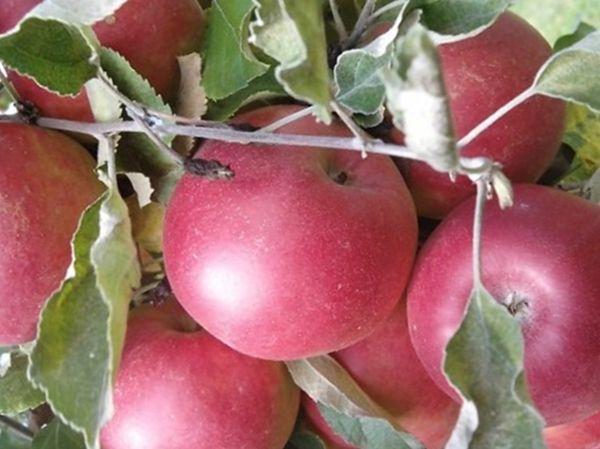
The apple tree is medium-sized, with a trunk height of 3.5 to 5 m. The tree is spreading, branched, and has medium foliage.
Crown diameter
The crown shape is round or slightly conical, 3-4 m in diameter.
Branching of the root system
The root system is powerful and spreading.
Flowering and pollination
The variety is self-pollinating, but it is recommended to plant other apple hybrids nearby to attract bees to the garden.
Harvest ripening period
Apple trees begin bearing fruit in the third or fourth year after planting. The harvest ripens later, with the first ripe apples picked closer to mid-autumn, around October or November.
Collection and use of apples
Harvesting begins before the apples begin to fall from the tree. The fruits have a wide range of uses, including baking, drying, and making jams and preserves.
Suitable climatic conditions
Apple trees can be planted in any climate except northern regions. They thrive in temperate and southern climates.
Frost and drought resistance
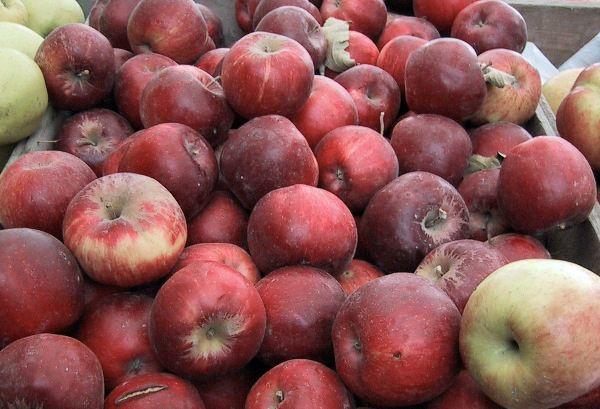
This variety has low winter hardiness, and the bark may freeze at temperatures below -20°C. It tolerates drought well.
Susceptibility to diseases and pests
Rarely affected by diseases and pests, with the exception of powdery mildew.
Specifics of planting on the site
Apple tree planting should be carried out according to all agricultural practices so that the seedling begins to bear fruit as early as possible.
Optimal timing
Apple trees are planted in spring or fall. However, spring is the most favorable time for planting. Saplings are planted in late March, when the soil has warmed up well. Over the summer, the saplings will have time to take root, and they will begin active growth the following spring.
Preparing young seedlings and planting holes
Preparing the site for apple tree seedlings begins two weeks before planting. It's even better to begin preparing it in the fall. The soil is dug, organic or mineral fertilizers are added, and all growing weeds are pulled out.
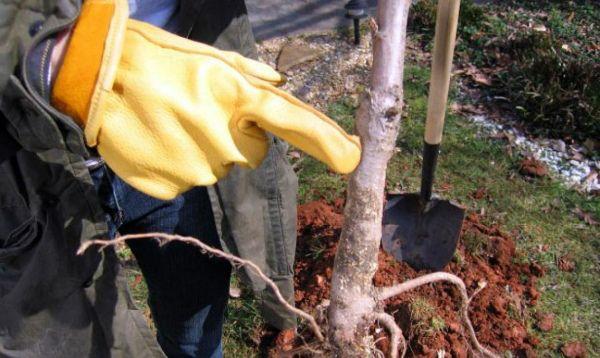
Before planting, seedlings can be soaked in a growth activator for several hours. Immediately before planting, the root system is dipped in a liquid clay solution and planted immediately, before the clay has time to dry.
Planting pattern and depth
Planting an apple tree is a simple process; if done correctly, the seedling will grow healthy and strong.
The process of planting an apple tree:
- Dig a hole 80 cm deep and 70 cm wide.
- Add fine drainage material to the bottom.
- Place the seedling in the hole and drive a strong wooden stake next to it.
- Dig a hole and tie the trunk to a stake.
- Water generously with warm water.
When the seedling gets stronger, you can remove the stake.
We organize competent care
In order to get a good harvest, you must definitely devote time to caring for the tree.
Irrigation mode
Apple trees don't like waterlogged soil, so watering should be moderate. The first irrigation is done in early spring, when the soil has warmed up but the buds have not yet begun to swell. Then, water the tree once a week. After fruit set, water it once every two weeks.
It is recommended to use warm water for watering to avoid the development of fungal diseases.
Several times a month before watering, it is worth weeding the soil so that the root system is also supplied with oxygen.
Top dressing
Apple trees require regular fertilization. The first application of fertilizer is done before the buds open. The soil is mixed with well-rotted manure. The second application is made when the leaves begin to open. At this time, the tree requires nitrogen (ammonium nitrate, urea).
The third feeding is carried out during the fruit set period. Phosphorus and potassium (superphosphate, ammonium phosphate, potassium sulfate) are added to the soil. After harvesting, organic fertilizers can be added again to prepare the tree for winter. These can include wood ash, compost, or a solution of chicken manure.
Crown formation
The apple tree crown is formed immediately after the seedling is planted in the ground.
How to shape the crown:
- The top of the main trunk and the tops of the branches growing next to it are cut off.
- The following year, the tops of all branches except the main trunk are cut off again.
- In the third year, the top of the longest branch and the tops of some of the larger branches are cut off.
- In the fourth year, the tops of all branches are cut off, except for the very bottom ones.
By the fifth year, the crown will be fully formed. During shaping, you should first prune the branches that have grown the most over the year, so that they are all roughly the same length.
Seasonal treatments
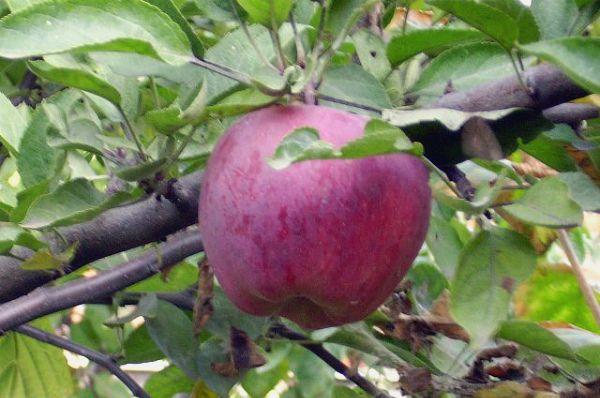
Seasonal treatments are necessary to prevent pests and diseases. Around mid-autumn, the soil is dug to a depth of 15-20 cm. Sanitary pruning is performed, removing dry, damaged branches. Leaves are raked. In early spring, trees are sprayed with a 1% solution of Bordeaux mixture or copper sulfate. The treatment is repeated after two weeks.
Preparing for the winter period
In winter, rodents often become a problem—mice chew the underside of the tree's bark, so it's important to protect the lower part of the trunk. To do this, wrap the trunk in several layers of strong burlap or roofing felt.
If the growing region experiences cold winters, you will have to cover the lower part of the trunk with spruce branches, and rake more snow towards the apple tree in winter.
Popular hybrid varieties
The Jonathan apple tree variety has several varieties that differ from each other in a number of characteristics.
Decosta
This hybrid was developed in Belgium. The tree has a wide, spreading crown, reaching a height of approximately 5 meters. Ripe fruits are large, weighing up to 250 grams. The skin is yellowish, covered with raspberry stripes. The flesh is juicy, with a sweet and sour taste. The seedling begins to bear fruit in the third year after planting. This is a late-ripening variety, with the first ripe apples appearing closer to September.
King
This hybrid is a winter variety. Its advantages include resistance to scab, powdery mildew, and rust. The tree has a pyramidal crown, and it tolerates frosty winters well. The fruits are green with a scarlet blush. The flesh is juicy and fine-grained. The harvest ripens in late September to early October.
Jonared
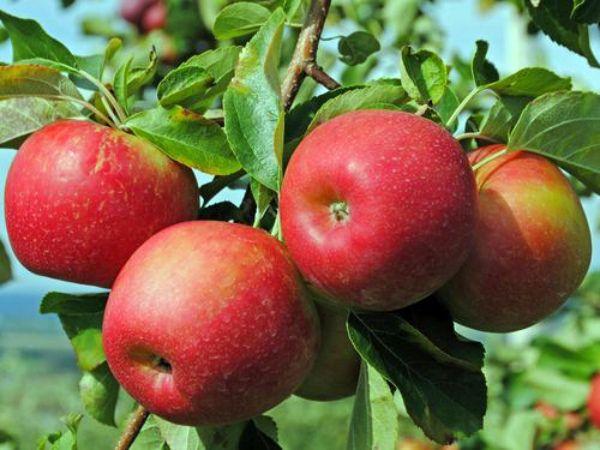
The crown is rounded, dense, and leafy. The apples are oval, weighing up to 150 g. The skin is dark red. The pulp is sweet and dessert-like. The apples ripen in the second half of September.
Jonagold
The tree is vigorous, with a wide crown. The apples are large, weighing between 150 and 200 g. The skin is a rich red with green spots.
Highlander
The tree is moderately frost-resistant, medium-sized, and has an oval-shaped, moderately dense crown. The fruits are large, weighing up to 350 g. The skin is dark red, and the flesh is sweet with a slightly tart flavor.
Jonagored
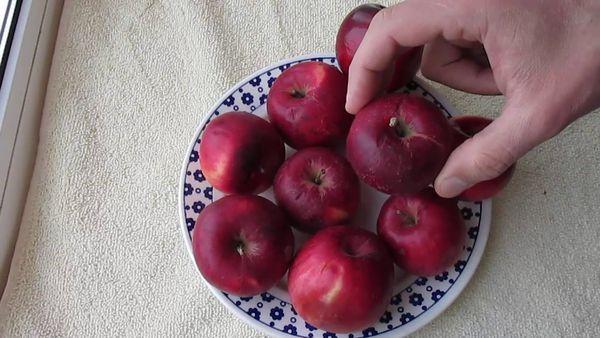
The tree is vigorous, with a spreading crown. The skin is dark red with greenish spots.
Gardeners' reviews of the variety
Irina, 39: "I planted the Jonathan variety several years ago. The tree produced its first apples four years after planting, but it didn't begin bearing fruit until it was closer to six years old. The yield is always excellent, with large, flavorful apples. After harvest, the fruit keeps for a long time; we keep it until mid-winter. It's an excellent variety for planting."
Ivan, 30: "For a long time, I couldn't find a suitable winter apple variety, until a friend recommended the Jonathan variety. The main advantage is that the fruit keeps for a long time after harvesting and doesn't spoil. The apples are sweet and juicy. The only negative comment I can make is that the bark freezes a little after frosty winters, but it's not critical. Overall, it's an excellent variety."
Related posts:
 The best grape varieties for growing in the Urals, planting and care rules in summer
 80 Best Eggplant Varieties for Different Regions with Descriptions and Characteristics
 Descriptions of the 20 best cherry varieties for the Moscow region, their planting and care
 How to grow grapes in the Moscow region in open ground without a greenhouse
 How to propagate and grow peas, cultivation technology, and care in open ground
 Description of 30 varieties and types of Muscat grapes, planting, cultivation and care
 Beginner's Guide to Growing Grapes in Open Ground in Central Russia
 Description of the 90 best varieties of beans for open ground with names