
- History of the Mantet variety selection
- Description of the variety
- Tree dimensions
- Flowering and fruiting
- Harvest ripening time
- Resistance to low temperatures
- Susceptibility to diseases and insects
- Pros and cons: is it worth planting?
- What conditions does an apple tree require?
- Temperature and humidity
- Suitable location and lighting
- Soil composition
- What can and cannot be planted next to each other
- Planting an apple tree in open ground
- Deadlines
- Preparing the site and planting hole
- Landing
- Care
- Watering
- Fertilization
- Trimming
- Seasonal treatments
- Weeding and mulching the tree trunk circle
- Whitewashing and preparation for winter
- Reproduction of culture
The Mantet hybrid apple tree, developed by Canadian breeders, has been known since the 1920s. It gained widespread popularity thanks to its large, tasty fruits. Before planting this apple tree in your garden, it's important to consider all the variety's key characteristics, as well as favorable growing conditions. Mantet grows best in areas with a warm, mild climate. This apple tree is included in the State Register of Fruit Plants, with zoning in the Middle Volga and Central regions.
History of the Mantet variety selection
The Mantet variety was bred in 1928 by breeders at the Canadian Morden experimental station as a result of natural pollination of the Moscow pear. Compared to its ancestor, Mantet is shorter and less frost-hardy. However, this shortcoming is offset by the hybrid variety's improved flavor and larger fruit size.
Description of the variety
This summer apple variety has a compact, neat, oval-shaped crown. The tree's slender but strong branches point upward. The Mantet apple tree's leaves are large, leathery, elliptical, with light green veins and wavy edges. The shoots are brown and geniculate. The small leaf buds are cone-shaped and lightly pubescent.
This apple tree is a heat-loving tree that doesn't tolerate frost well. Its fruit has a poor shelf life.
Tree dimensions
The Mantet apple tree is a medium-sized variety, reaching a height of 4-5 meters.
Flowering and fruiting
The apple tree's blooming period begins in mid-May. The Mantet apple tree's flowers, gathered in corymbose inflorescences, are white and pink with a subtle purple tint. The elongated petals are saucer-shaped.
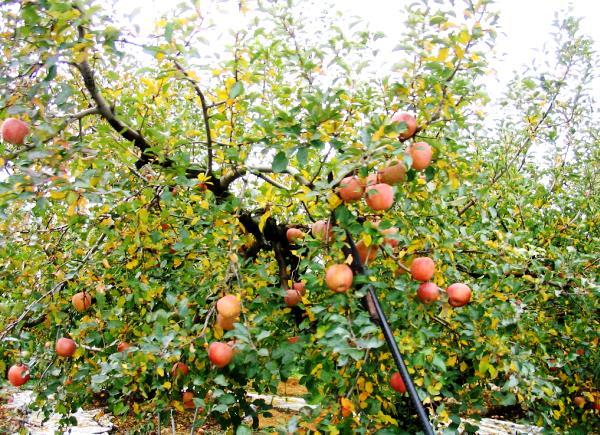
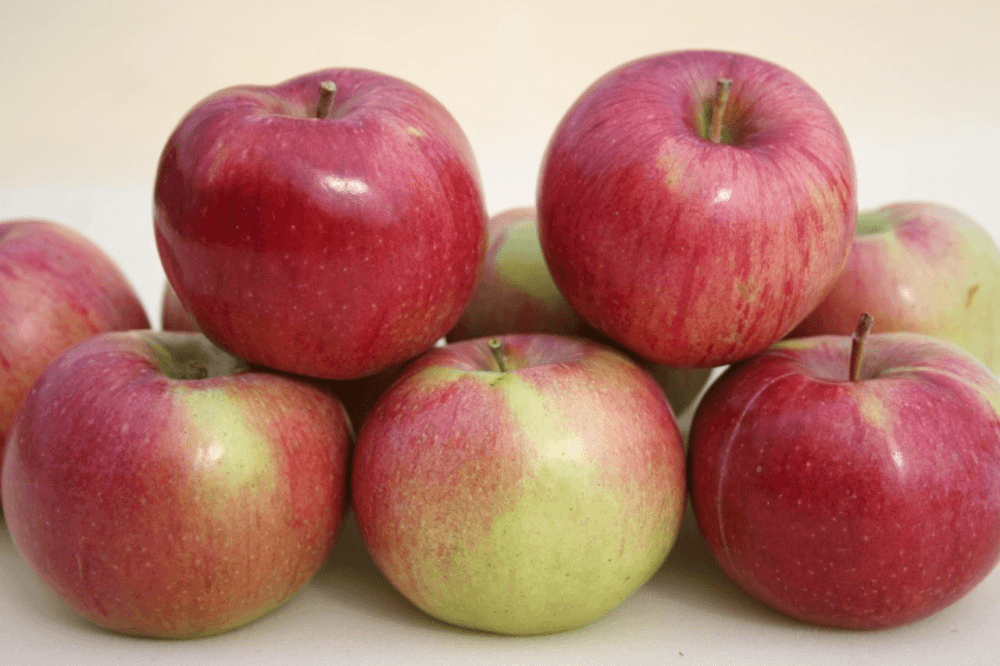
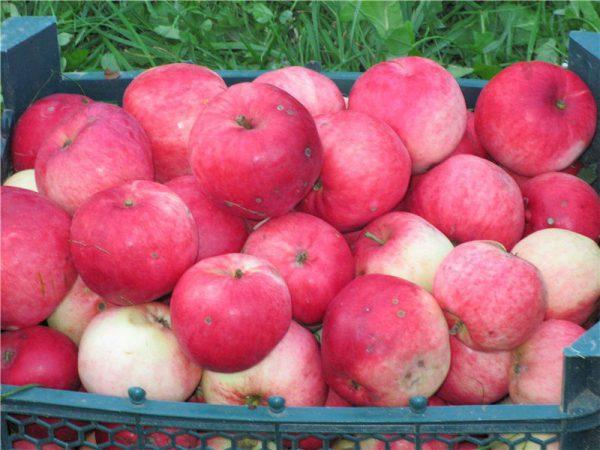
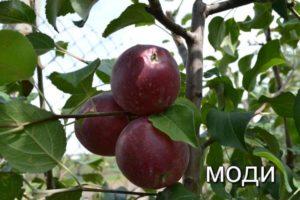
The first fruiting occurs in the third year after planting. The harvest becomes more abundant each year. The fruits are characterized by an oblong-round conical shape with slight ribbing at the top. The apple tree's fruit is yellow and green with a blush. Beneath the thin skin lies a snow-white or delicate cream dessert pulp. The apple tree's seeds are small, triangular, and a classic brown color.
Harvest ripening time
The ripening time of the fruit depends on the growing region. In southern Russia, you can enjoy Mantet dessert apples as early as mid-July. In temperate regions, it's early August.
Apples have a dessert-like flavor—sweet with a slight, pleasant tartness. They are rich in pectin and ascorbic acid.
Resistance to low temperatures
The Mantet variety is characterized by weak cold resistance, so it is not recommended to plant it in areas with a harsh winter climate. If the air temperature is likely to drop to -10 degrees, the tree will need shelter: the trunk should be well wrapped, and the soil should be mulched with straw or wood shavings.
Susceptibility to diseases and insects
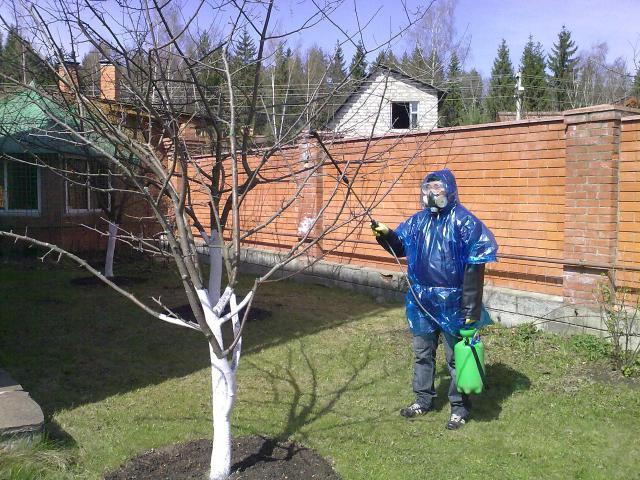
The Mantet variety is characterized by moderate resistance to insect pests and diseases. The main threat to the tree is scab. As a result of the fungal attack on the foliage and fruit, the apple tree becomes weak and loses productivity. To prevent this, spray the trees with fungicide solutions in the spring. To protect against insect pests, cover the trunks and tie them with hoops before wintering.
Pros and cons: is it worth planting?
To decide whether to plant the Mantet apple tree in your garden, you need to familiarize yourself with the advantages and disadvantages of this hybrid variety.
Among the main advantages:
- a beautiful and neat crown of compact size and medium density, thanks to which the trees can be planted even in small areas of land;
- the possibility of arranging flower beds and lawns around trees;
- the possibility of planting berry and vegetable crops between rows;
- no need for frequent crown pruning;
- ease and convenience of transportation due to the durable peel of the fruit;
- A juicy, sweet taste that allows you to reduce the use of sugar when making jams, compotes, and desserts from apple fruits.
When talking about the disadvantages of the Mantet apple variety, it is necessary to highlight:
- Complicated harvesting due to the vertically arranged branches of the apple tree;
- unstable fruiting in the 10-11th year of the tree’s life (the problem may recur every 2 years);
- direct dependence of crop yield on weather conditions and the nearest location of apple trees of pollinator varieties;
- the possibility of young branches breaking off under the weight of the fruit;
- uneven ripening of fruits;
- reduction in fruit size during heavy harvests;
- danger of scab infection in high humidity conditions;
- difficulty in pruning and processing the upper branches of the tree;
- low cold-resistant properties.
What conditions does an apple tree require?
To ensure the Mantet apple tree grows healthy and produces a bountiful, high-quality harvest, certain requirements for the planting site, soil composition, lighting, and temperature must be met.
Temperature and humidity
The Mantet apple tree thrives in average annual temperatures of 7.5 to 11°C, and during the growing season, temperatures range from 13 to 18°C. The optimal soil moisture level is 70-75% of the field capacity. Soil moisture deficiency inhibits shoot growth and negatively impacts leaf and fruit development.
Suitable location and lighting
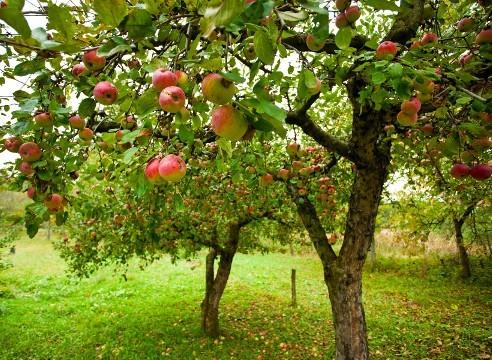
The location for the Mantet apple tree seedlings should be well lit by the sun, and also protected from stagnant cold air and drafts.
Soil composition
This apple tree variety prefers loamy soils. If the soil contains too much clay, river sand should be added. The optimal fertile soil composition for the Mantet apple tree includes garden soil, peat, compost, and humus.

What can and cannot be planted next to each other
The Mantet apple tree thrives alongside other fruit trees, such as pears, plums, and cherries. However, a distance of 2-5 meters should be maintained between the trees to prevent them from crowding each other out.
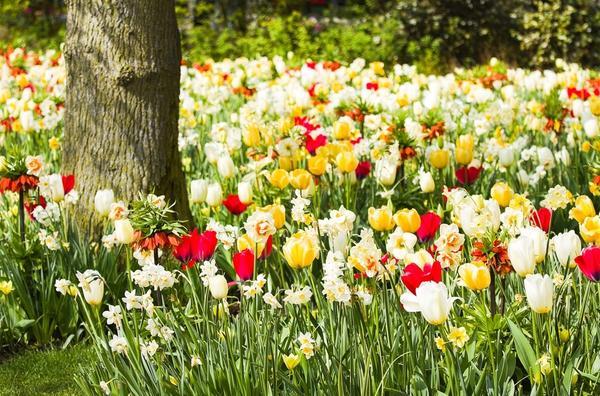
It's recommended to plant grass and flowers under the apple tree's crown. This creates a well-groomed and attractive appearance and also allows for:
- improve the quality of the soil around the trunk;
- draw excess salt out of the soil;
- maintain optimal soil moisture;
- protect the root system from damage.
The following types are good choices:
- celandine, which reliably protects the apple tree from ants and aphids;
- white clover, which attracts bees for pollination;
- dandelion, the roots of which release ethylene, a substance that promotes the acceleration of fruit ripening;
- lupine, which has a beneficial effect on the growth of apple trees;
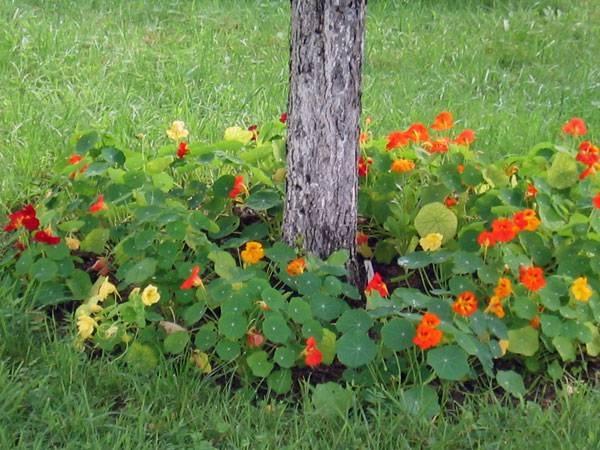
- Nasturtium, which retains moisture and repels insect pests.
The following plant crops should not be chosen as neighbors to the Mantet apple tree:
- hawthorn, because it attracts pests;
- a nut that has a depressing effect on fruit trees;
- raspberries, which, having a superficial root system, absorb moisture from the soil;
- currants, since in the shade of an apple tree their yield decreases;
- bird cherry, which attracts glasswings and other pests to the garden;
- Rowan trees are susceptible to attacks by the rowan moth, which is also dangerous for apple fruits.
Planting an apple tree in open ground
Before planting a seedling, you need to take into account the timing and properly prepare the soil.
Deadlines
The best time to plant the Mantet apple tree outdoors is mid-April, as well as late September and early October. Avoiding heat and scorching sun is crucial.
Preparing the site and planting hole
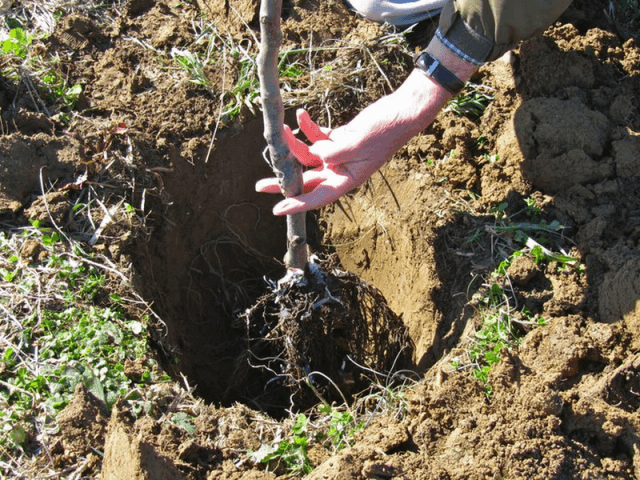
The site should be protected from wind gusts and have natural sunlight. Planting holes should be prepared well in advance—two weeks before planting. Each hole should be one meter wide and one meter deep. To fill the holes, use a mixture of garden soil, wood ash, and humus, supplemented with superphosphate and potassium sulfate. Apply a 20-30 centimeter layer of this nutrient-rich mixture. After filling the hole with soil, add ten liters of water.
Landing
The planting process requires the following steps:
- Drive a wooden stake into the center of the filled planting hole to support the seedling. It should extend half a meter above the ground.
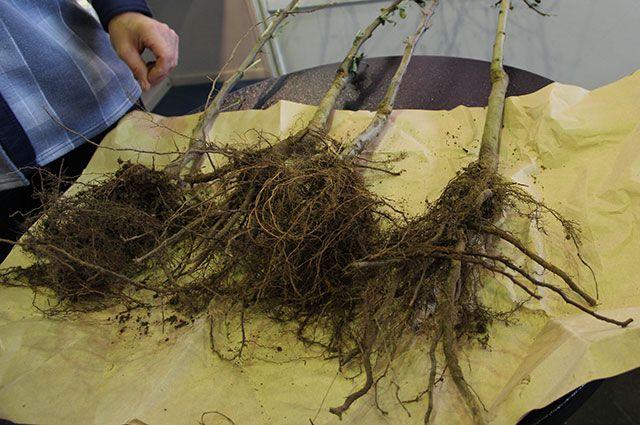
- Straighten the roots of the seedling.
- Place it in the center of the planting hole, carefully compacting the soil.
- Tie the seedling to a support on the north side, 20 centimeters apart. The support should remain in place for three years.
- Water generously - this will require three buckets of water.
- Sprinkle a layer of soil over the visible root collar.
- Lay out a five-centimeter layer of mulch made from wood chips, dry grass and humus.
- Repeat watering with three buckets of water a week after planting.
Care
Further care for the Mantet apple tree is simple. It requires proper watering, fertilizing, and pest control.
Watering
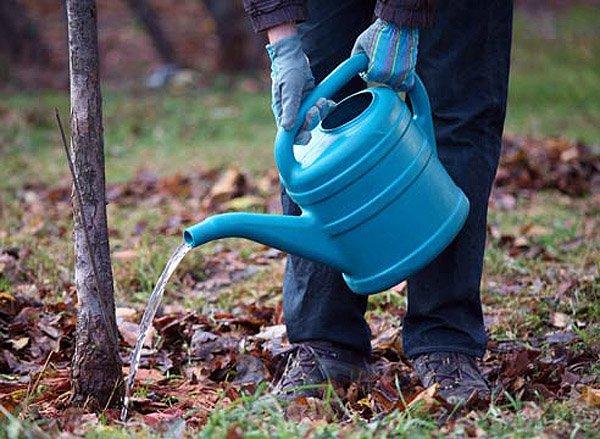
A growing apple tree needs to be watered four times during the season:
- before flowering begins in the absence of precipitation;
- in the very middle of July;
- during the period of fruit filling;
- in mid-October.
An adult tree needs 60-70 liters per 1 m2.
For watering, you can use a hose, buckets, or a drip irrigation system.
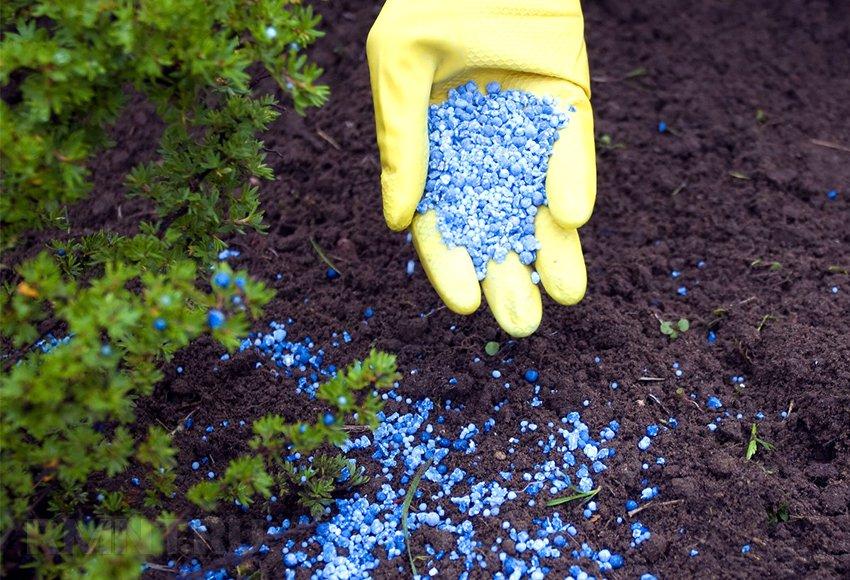
Fertilization
The first application of mineral and organic fertilizers is done before planting. Subsequently, apply them twice a year (in spring and fall) throughout the Mantet's life cycle.
In the spring, nitrogen fertilizers are used:
- ammonium sulfate;
- ammonium nitrate.
In autumn, the tree needs potassium-phosphorus and organic nutrient compositions:
- humus;
- potassium nitrate;
- potassium salt;
- superphosphate.
Trimming
The Mantet apple tree is pruned three times a year—spring, summer, and fall. This is necessary to rejuvenate the tree, form a three-tiered crown, and remove broken and damaged branches.
Seasonal treatments
To protect the tree from pests, seasonal treatments are carried out. In early spring, before buds begin to form, the crown and trunk area should be sprayed with powerful, universal pesticides such as Nitrafen, copper sulfate solution, or Bordeaux mixture.
Weeding and mulching the tree trunk circle
To increase yield, it is recommended to use an accessible method - weeding and mulching the tree trunk circle.
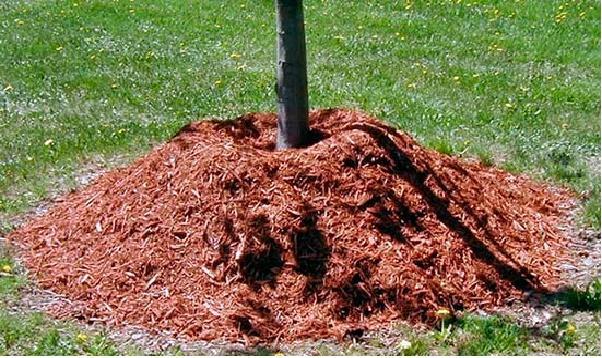
Shredded coniferous bark, straw, wood shavings and dry leaves are suitable as mulch.
Whitewashing and preparation for winter
In autumn, the trunk is whitewashed to protect it from frost, gusty winds and pests.
Preparation for winter includes several stages:
- Cleaning the bark.
- Pest control.
- Preventive whitewashing of the trunk.
Trees should be whitewashed in November, choosing days with dry and calm weather.
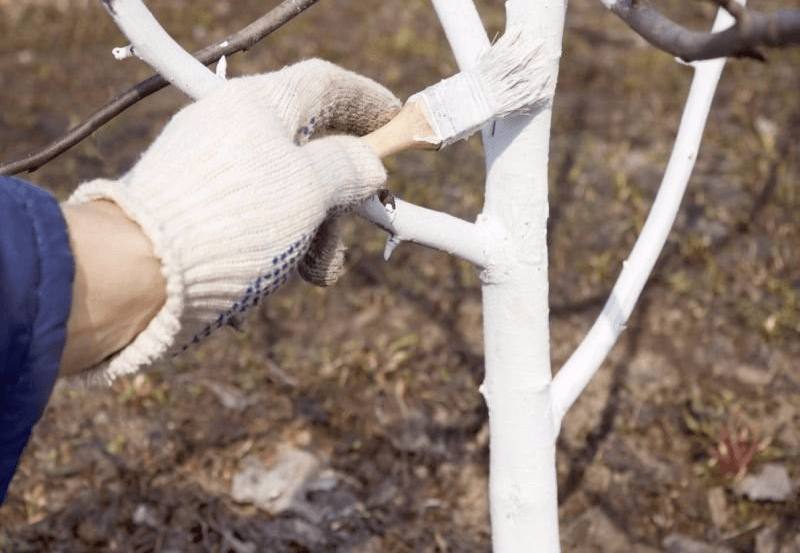
For this purpose, a mixture consisting of:
- slaked lime (2.5 kg);
- copper sulfate (500 g);
- water (10 liters);
- casein glue (250 g).
Reproduction of culture
There are several ways to propagate Mantet:
- root cuttings;
- seeds;
- layering.
The most effective and fastest way to grow seedlings is from root cuttings. These should be taken in the spring, before the sap begins to flow, or in the fall. Take several cuttings 18-20 centimeters long and place them in a basement, covered with sand. In the spring, you can plant the cuttings in special trenches, burying the top cut three centimeters deep.
The distance between them should be at least 30 cm, and the width between rows should be 90 cm.
Related posts:
 Description of the Chudnoe apple variety, planting and caring for a dwarf tree
 Signs and treatment of apple tree cancer, varieties resistant to the disease
 Description and varieties of the Sinap apple tree, planting and care rules
 Description of the ornamental Nedzvetsky apple tree, cultivation technology
 Description of the Red Early apple tree variety, agricultural technology and specific care
 Description and planting of the Dream apple tree variety, care and propagation
 Description and characteristics of the columnar apple tree President, planting and care
 Description and subtleties of growing the Sverdlovsk Beauty apple tree variety