
- Ornamental variety Royalty: history of origin
- Pros and cons of culture
- Types and features of use in landscape design
- Nedzvetsky's apple tree
- Pendula
- Hybrid purple
- Weeping
- Royal Beauty
- Description and characteristics of the apple tree
- Tree dimensions
- Leaf shape and size
- Flowering of the variety
- Annual growth
- The beginning of fruiting and description of apples
- Is it safe to eat?
- Resistance to low temperatures and diseases
- Planting a crop
- Optimal timing
- Preparing the ground
- Choosing a location for a decorative apple tree
- Preparing the site and planting hole
- Seedling planting technology
- Royalty Care
- Watering
- Top dressing
- Pruning and crown shaping
- At what age should I start?
- How does it negatively affect growth?
- Caring for a tree after pruning
- Prevention and control of diseases and pests
- Preparing the apple tree for winter
- Propagation of ornamental apple trees
The Royalty apple tree was developed by breeders as a beautiful, ornamental tree for gardens, parks, and squares. Gardeners and landscape designers use Royalty apple trees to create unique garden compositions, hedges, and alleys.
This easy-to-care-for tree easily tolerates cold winters and gusty winds and can be planted in almost any region with a moderate climate.
Ornamental variety Royalty: history of origin
A new variety of ornamental apple tree was developed by Russian scientists and breeders, using a guest from Central Asia as a basis, Nedzvetsky apple treeIt is this tree that is most often used to create ornamental apple tree varieties.
As a result of many years of work, a unique, decorative apple tree species with beautiful, bright flowers and purple foliage was created.
Pros and cons of culture
To plant a Royalty apple tree in your garden, you need to thoroughly understand the advantages and disadvantages of this variety. After all, knowing its special characteristics will help you grow a beautiful and healthy tree.
Advantages of Royalty:
- The variety tolerates sub-zero winter temperatures well and is not afraid of strong drafts.
- The culture is undemanding to soil composition.
- Easily survives drought and heat.
- Does not require additional care.
- Easily adapts to any climate zone.
- The unique decorative qualities of wood will decorate any garden plot.
Disadvantages of the variety:
- The ornamental plant does not tolerate formative pruning well, which is necessary.
- Royalty is slowly developing and growing.
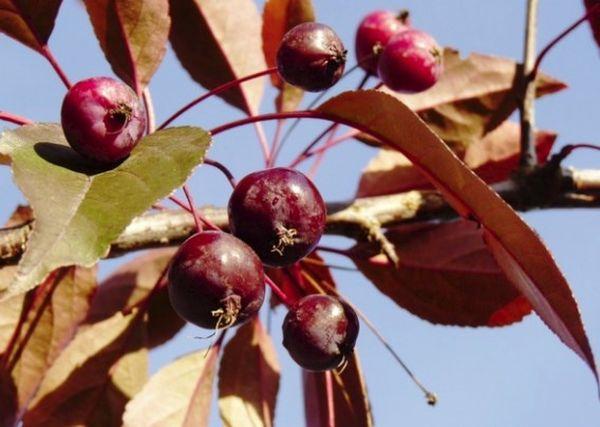
- Small apples that appear in autumn have an unpleasant, tart, sour-bitter taste, and are therefore unsuitable for eating raw.
Interesting! The blooming Royalty apple tree is very similar to the Japanese cherry tree Sakura.
Types and features of use in landscape design
Over many years of breeding experiments, many varieties of decorative royalty trees have been developed, differing in height, size, crown shape, and decorative characteristics.
Nedzvetsky's apple tree
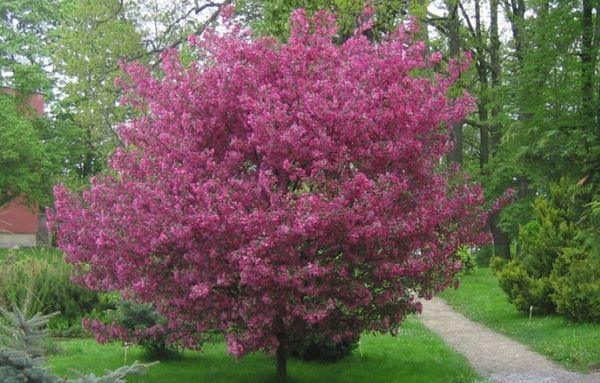
Burgundy foliage, vibrant purple flowers, and purple fruits are the main distinguishing features of the Nedzvetsky apple tree. The tree easily tolerates frost and drafts and is naturally immune to most pests and diseases. Its ornamental qualities are often used to decorate parks, squares, and city gardens. The maximum height of an ornamental apple tree ranges from 5 to 7 meters, and the width of the mature tree's crown is the same.
Pendula
The ornamental Pendula variety differs from its relatives with its dark green foliage with purple veins and bright pink flowers. The tree's branches droop, reminiscent of a weeping willow. This apple tree makes a wonderful addition to garden compositions and is also planted as a stand-alone specimen.
Hybrid purple
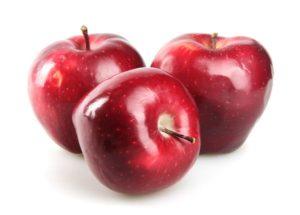
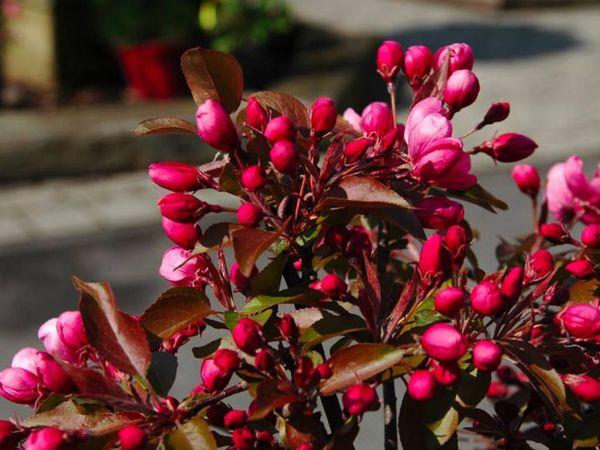
A red-leaved apple tree with vibrant purple foliage in early summer that turns a rich red in autumn. Blooms profusely, with clusters covering the entire tree and opening into bright pink flowers.
Weeping
Even as a sapling, the branches of the Weeping Apple tree grow purposefully and cascade downward. This tree variety possesses high decorative qualities and is often used by landscape designers and gardeners to create unique compositions.
Royal Beauty
The Royal Beauty apple tree is a weeping variety. Its branches droop downward, forming a beautiful, cascading crown. The foliage is dense and vibrantly purple. This ornamental apple tree produces large, purple flowers.
Description and characteristics of the apple tree
The height, size and shape of the crown, the shade of the foliage and flowers vary depending on the variety of the Royalty apple tree.
Tree dimensions
Ornamental trees range in height from 2 to 7 m, reaching maturity at 10 years of age. The crown is broad and dense, with numerous lateral branches; without formative pruning, the tree becomes a large bush. The average trunk diameter is 10 to 15 cm.
Leaf shape and size
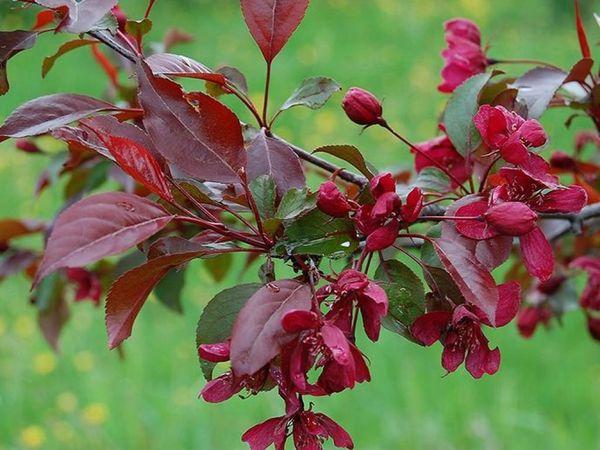
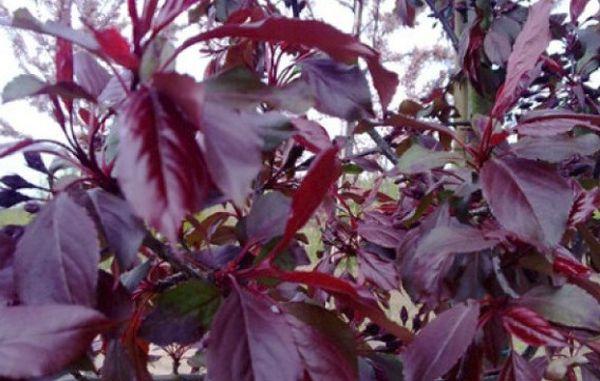
The oval-shaped leaves densely cover the branches. The leaf blades range from 7 to 12 cm in size. At the beginning of the growing season, the leaves acquire a rich purple or violet hue, which fades to red or burgundy in autumn.
Important! Leaves fall in late autumn or early winter. Therefore, trees remain a long-lasting decoration in the autumn garden.
Flowering of the variety
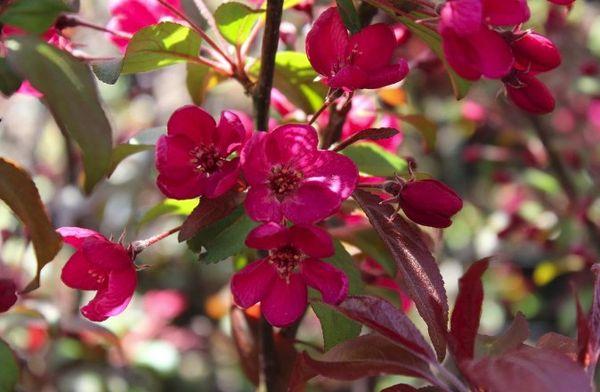
The period of active flowering of this ornamental tree depends on the weather conditions in the growing region. In southern latitudes, apple trees bloom in mid-April; in temperate climates, they bloom in early May.
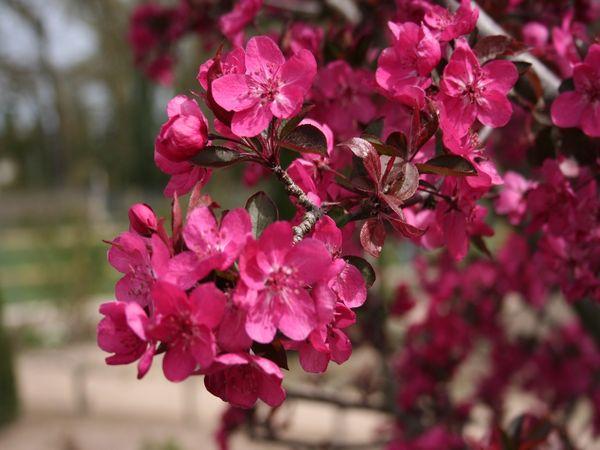
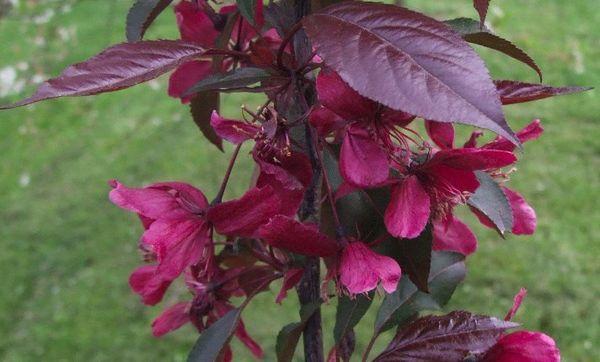
Blooming is profuse, lasting 2 to 3 weeks. In particularly dry climates, it can be reduced to 5 to 7 days. The inflorescences cover the tree's branches abundantly, opening into large, vibrant flowers.
To ensure abundant fruit production, Royalty apple trees require pollinating neighbors. Any fruit tree variety is suitable for this purpose.
Annual growth
Royalty apple trees grow slowly. The tree spends its first three years establishing roots, maintaining a compact appearance. A mature tree's annual growth rate is no more than 40 cm per season, allowing it to retain its decorative qualities for a long time.
The beginning of fruiting and description of apples
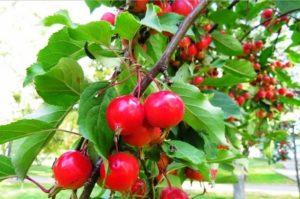
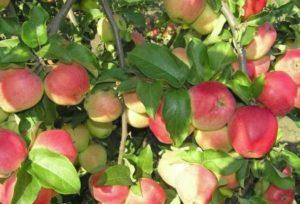
In addition to beautiful leaves and flowers, miniature purple, violet, or burgundy apples ripen on the trees in early September. The fruits are no more than 3 cm in size and resemble cherries with yellow flesh and a slightly bitter, tart flavor. The apples are harvested in mid- to late September.
Is it safe to eat?
Small fruits don't have much flavor, so they're not eaten raw. However, the Royalty apples contain numerous vitamins and nutrients. These miniature apples are used to make preserves, jellies, and marmalades. Experienced gardeners also make homemade wines and liqueurs from the fruit.
Resistance to low temperatures and diseases
The ornamental apple tree Royalty easily tolerates temperatures down to -35 degrees Celsius, making it suitable for cultivation in various climates. In regions with harsh winters, young trees should be insulated to prevent frostbite.
Pests don't target small fruits, so the trees are rarely attacked. However, the plant's natural immunity to scab and powdery mildew is weak. Preventative treatment with special preparations is required in the spring.
Important! Ornamental apple trees rarely produce fruit, so treatment with chemicals can be carried out at any time during the growing season.
Planting a crop
To ensure that ornamental trees grow healthy and beautiful, knowledge about how to properly plant apple trees in open ground and their subsequent care is essential.
Optimal timing
Planting of seedlings depends on the climate of the region. In warm and temperate climates, it is recommended to plant apple trees outdoors in the fall, 4-6 weeks before the first frost.
In northern latitudes, trees are planted in early spring, as soon as the snow melts.
Preparing the ground
The Royalty apple tree is not picky about soil. It grows in any soil except sandy or marshy soil. However, plants grown in light, fertile soils are known for their best ornamental qualities.
In the fall, the soil is mixed with humus and organic fertilizers. In the spring, mineral fertilizers are added to the soil.
Caution! In the fall, overly fertile and fertile soil can stimulate plant growth and development.
Choosing a location for a decorative apple tree
Well-lit areas with deep groundwater levels are suitable for planting seedlings in open ground.
With good lighting, tree leaves retain rich, vibrant hues for a long time. In low light, the leaves fade and lose their color.
Preparing the site and planting hole
Planting holes for seedlings are dug in advance. The excavated soil is mixed with humus and mineral fertilizer. The holes should be 70 to 100 cm deep and 70 to 80 cm wide. The distance between seedlings should correspond to the spreading crown of a mature tree.
Seedling planting technology
The quality and health of an adult tree depends on the correct selection of planting material.
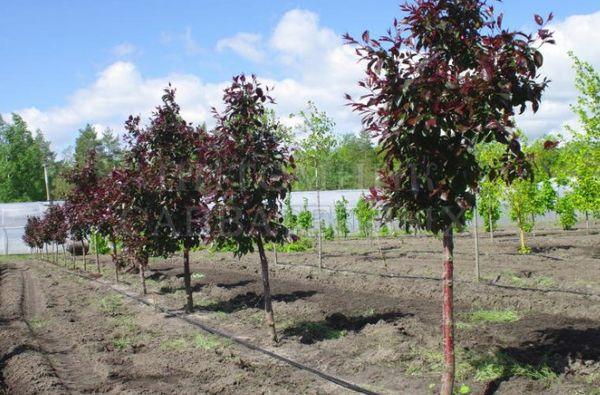
Conditions for selecting planting material:
- The seedling is strong, smooth, without damage or pest infestation.
- The rhizomes are branched, moist, without damage or growths.
- Smooth green trunk.
Important! If the tree is planted in the fall, the branches should have leaves. In the spring, when planted, the buds should be closed.
Before planting outdoors, the seedlings are soaked in water for 4-6 hours. Afterward, the root system is treated with special antibacterial agents or a weak solution of potassium permanganate.
Next, the seedlings are placed in the holes and covered with soil, leaving 5-10 cm of the root collar above the soil surface. After planting, the soil under the trees is watered and mulched.
Royalty Care
Ornamental apple tree varieties do not require special care, but watering and pruning are necessary conditions for proper growth and development of the plants.
Watering
Royalty prefer moderately moist soil and tolerate heat and drought well. Water the trees as needed, as soon as the soil dries out. During droughts, increase the frequency of watering.
Top dressing
This ornamental plant grows in any soil and requires no additional fertilizers or supplements. Adding organic or mineral fertilizer to the soil once a year is sufficient.
Pruning and crown shaping
In spring and fall, trees undergo sanitary pruning, removing broken, dried, frozen, and diseased branches. In rare cases, crown pruning is performed to give the tree a decorative appearance.
At what age should I start?
It's recommended to shape the Royalty tree's crown starting at 3-4 years of age. The tree grows slowly, and only at this age do shoots appear that require pruning. Many professional gardeners believe that ornamental apple trees don't require pruning, and that their beautiful crown will develop naturally.
How does it negatively affect growth?
After formative pruning, the tree feels poorly and often slows down in development and growth, and in especially severe cases, dies.
Caring for a tree after pruning
After pruning, the branches and trunk with cuts are treated with garden pitch.
With proper care and watering, the tree quickly recovers from pruning and delights with its decorative appearance for many years.
Prevention and control of diseases and pests
Preventative treatment against pests and diseases is carried out in early spring using special fungicide- and insecticide-based products. If this treatment is insufficient, the procedure is repeated in the summer.
Important! During the fall and winter, birds feed on small apples, so trees should be treated before the active growing season and flowering begins.
Preparing the apple tree for winter
Ornamental Royalty apple trees easily tolerate winter frosts, but some work is essential before the tree overwinters:
- The trunks are treated with whitewash.
- Special supports are installed under spreading branches.
- The tree trunk circle is mulched with sawdust, pine needles and peat.
- The tree is also protected from rodents and small animals with a metal mesh.
- The first snow is raked under a tree and a large snowdrift is made.
In northern regions, young seedlings are additionally insulated with burlap or special material.
Propagation of ornamental apple trees
Ornamental apple trees are propagated by seeds or cuttings. The seeds are planted in a large container, wait for the first shoots to emerge, and only then are they planted in open ground.
Important! When propagating the tree by seed, there is a risk of losing its decorative qualities.
In spring, blooming Royalty apple trees will become the centerpiece of any garden composition. In summer, the trees will complement the landscape design of any garden or park. In autumn, when gray and gloomy days arrive, the bright apples will be the best reminder of warm summer days.
Related posts:
 Description and rules for growing the Bratchud apple tree variety
 Description of the Chudnoe apple variety, planting and caring for a dwarf tree
 Description of the Borovinka apple tree variety, cultivation and care
 Description and planting of the Dream apple tree variety, care and propagation
 Description of the ornamental Nedzvetsky apple tree, cultivation technology
 Description and subtleties of growing the Sverdlovsk Beauty apple tree variety
 Description and subspecies of the Sakharny Arkad apple tree variety, cultivation technology
 Description and rules for growing creeping apple trees, planting and care