
- History of selection
- Pros and cons
- Growing regions
- Characteristics and description of the Elena apple tree
- Tree dimensions
- Annual growth
- Root system
- Lifespan of a tree
- Fruiting
- Flowering and pollinators
- Ripening period and harvesting of fruits
- Yield and tasting assessment of apples
- Winter hardiness
- Disease resistance
- Specifics of planting work
- Deadlines
- Selecting a site
- Soil cultivation and fertilization
- Apple tree planting scheme
- Caring for the variety
- Watering mode
- Crown formation
- Fertilization
- Seasonal processing
- Shelter for the winter
- Methods of reproduction
- Gardeners' reviews
Elena is one of the most popular summer apple varieties in recent times. It's one of the first to bear fruit, but requires a moderate climate to do so. It produces large, juicy fruits, a delicate aroma, and a wonderful flavor, making it popular among gardeners. It's widely planted in gardens and vegetable plots. The hybrid is resistant to subzero temperatures. Before planting, it's important to consider all the pros and cons of this variety, its technical characteristics, and everything a gardener needs to know about this plant.
History of selection
The fruit was developed by Belarusian scientists in the 21st century. Z. A. Kozlovskaya, E. V. Semashko, and G. M. Marudo participated in the creation of this apple variety. The apple tree was created by crossing the Ranniy Sladkiy apple variety and the Discovery variety.
The method used by Russian breeders was taken as an example. Since both varieties possess worthy characteristics, the hybrid inherited their flavor and aroma, juiciness, and early ripening.
In 2001, the Elena apple variety was approved for cultivation in the Mogilev region (eastern Belarus) and was later distributed throughout Europe. The hybrid was grown using the mentor method in harsh conditions.
Pros and cons
The main advantages of this variety are:
- Small size of the tree.
- Early ripening and early maturity of fruits.
- Does not require additional pollination and can be planted in small quantities.
- Excellent taste and appearance.
- Annual fruiting.
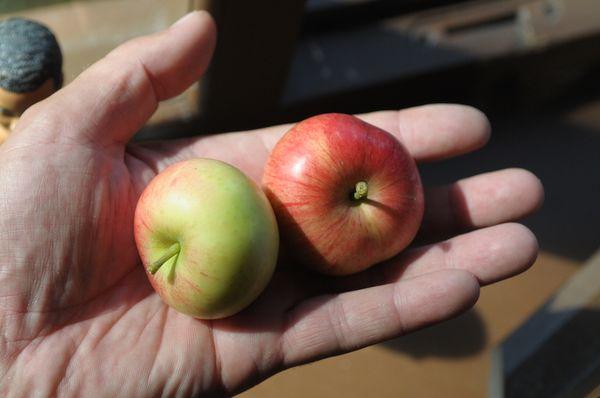
A disadvantage of the Elena variety is its poor shelf life (2-3 weeks). The fruits should not be left on the tree for too long, otherwise they lose their flavor, become overripe, and fall off quickly. The best solution for using fruits is to process them for the winter period into juices, compotes, dried fruits and jams.
Growing regions
The apple tree thrives in continental climates of temperate latitudes and can grow in the cold of northern regions. It is widespread throughout Europe, northern Russia, and the eastern regions of Belarus.
Characteristics and description of the Elena apple tree
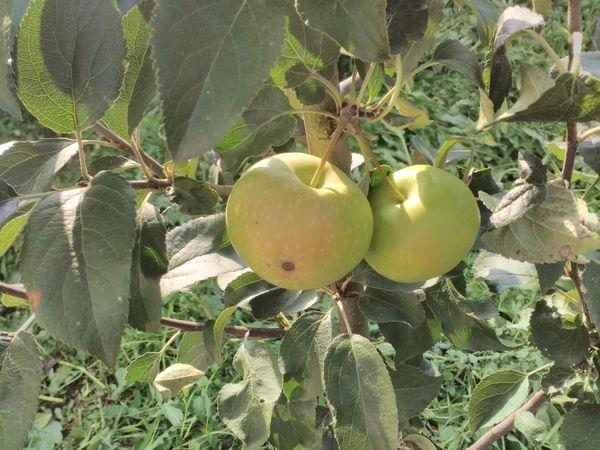
This early-season variety produces its first fruits in the second half of July (towards the end of July), with the peak harvest in August. It is characterized by high productivity, bearing fruit in the third to fifth year of growth. Another advantage of this apple tree is its stable resistance to fruit diseases, especially scab, and its good tolerance to subzero temperatures.

Tree dimensions
Medium-sized trees with a rounded-pyramidal crown, moderately dense and slightly raised. Fruit sets on simple and compound rings. Leaves are small, elliptical, dark green, with a gray tint appearing on the underside.
Annual growth
The tree grows quite quickly thanks to the characteristics of its "parents." The branches have a rounded, upright shape. The variety is prone to excessive fruit production, so careful monitoring and frequent pruning are necessary.
Root system
To successfully grow an apple tree, its root system must be closed, but the hybrid can be planted in the fall, from late September to mid-October, with the root system exposed. Also, if the tree is growing in a cold climate, it needs to be insulated.
The Elena variety has increased requirements for moist soil; if the plant is grown in hot regions, it must be provided with water.
Lifespan of a tree
The maximum lifespan of a fruit tree is approximately 50-60 years. This figure is influenced by factors such as growing location, climate, diseases, and proper agricultural care.
Fruiting
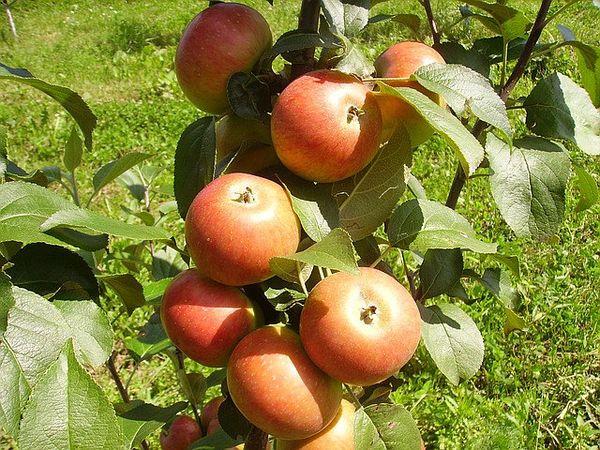
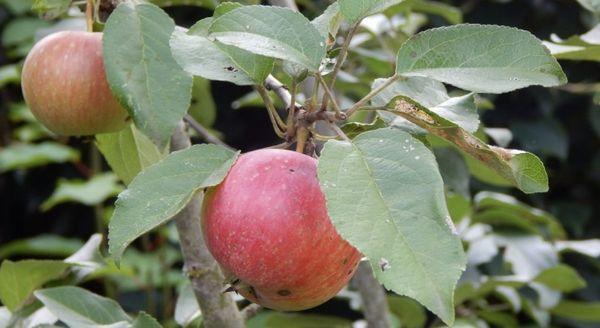
Elena blooms in late April or early May. The flowers are white and densely cover the tree. The fruits of this hybrid are not very large, flattened and round, with an average weight of 120-150 g per fruit. The apples are light green, tinged with a pink blush in some areas, and have large subcutaneous spots, making them highly visible.
The light-colored, medium-firm flesh has a pleasant aroma, is sweet and sour, and is quite juicy. The fruit contains 11% sugar, and its taste score is 4.8 out of 5. The apple skin is smooth and firm, but this doesn't affect its flavor. The first year produces approximately 15 apples, and this figure will increase with proper care.
Flowering and pollinators
Elena is a bisexual plant, meaning it doesn't require special pollinators. Bees typically pollinate the apple tree, as do other small insects. This variety also serves as a pollinator for other fruit crops.
Ripening period and harvesting of fruits
The fruit ripens as early as the second year of the tree's development, but peak productivity occurs in the fifth or sixth year. The fruit is usually ready for consumption 7 days earlier than the White Naliv variety. Avoid leaving the fruit on the branches for too long due to its short shelf life. Otherwise, the apples lose flavor, rot, and quickly fall off. They are suitable for long-distance transport.
Yield and tasting assessment of apples
The Elena apple variety is known for its increased fertility and amazing flavor. Experts rate the fruit a 4.8 out of 5 for taste.
Winter hardiness
This apple variety was bred for cultivation in temperate climates, but thanks to its cold hardiness, Elena easily adapts to colder regions. However, to grow and thrive in poor soil depleted of essential nutrients, the tree will require fertilization and ongoing care.
Without fertilizer, such land is not suitable for growing crops.
Disease resistance
This variety is disease-resistant, but it does have its weaknesses. Sometimes the apple tree can suffer from powdery mildew, scab, and milky shine. Fungal infections can be prevented with seasonal care. Burning fallen leaves every fall will kill fungal spores and prevent their spread.
If it's too late and the disease has progressed, cut off the damaged parts of the plant and burn them. Then disinfect the cut areas. In the spring, before the tree buds, treat with a urea solution; during insect attacks, treat with a soda solution with soap. Do not touch the ovaries themselves, as this will kill the fruit.
A dangerous pest for the Elena variety is considered to be codling moth, which is not easy to get rid of. Once this pest is detected, it is necessary to first remove the bark—the area where all the insects hide—pruning the branches, destroying the infected buds, and treating the apple tree with a fungicide solution.
Specifics of planting work
The plant is easy to grow, so it doesn't require special care or root insulation. Its main requirement is slightly acidic black soil.
Deadlines
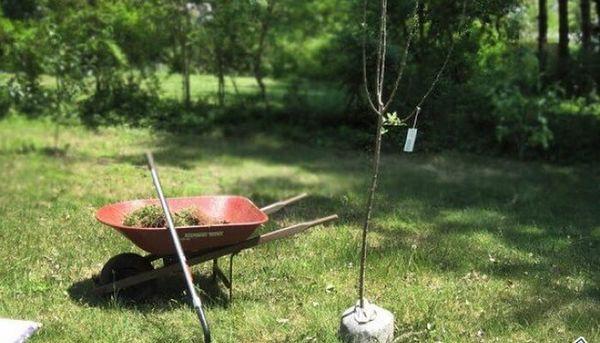
After that How will the location for planting an apple tree be chosen?, proceed to planting the young specimen. However, to do this, you need to prepare the site; then, after 7-10 days, you can begin the planting procedure.
Selecting a site
Apple tree seedlings of this variety will thrive in loamy soil. There, the tree will be able to obtain all the necessary nutrients. Fertilizer will also help the roots breathe. The groundwater level should be no higher than 2-3 meters. Low-growing plants should be spaced at least 3 meters apart.
Soil cultivation and fertilization
The plant needs suitable growing conditions. Additional care will help attract insects and stabilize abundant flowering. Nitrogen-based fertilizer is suitable for this variety. It is recommended to apply it in the spring, when the seedling is just beginning to emerge. During the first three years of its life, the tree requires moderate watering and keeping the area free of weeds.
Apple tree planting scheme
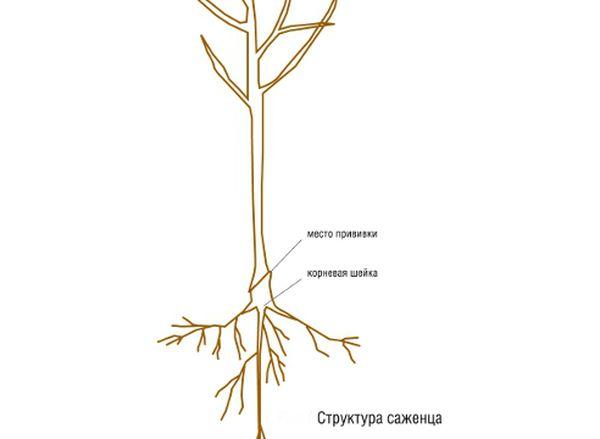
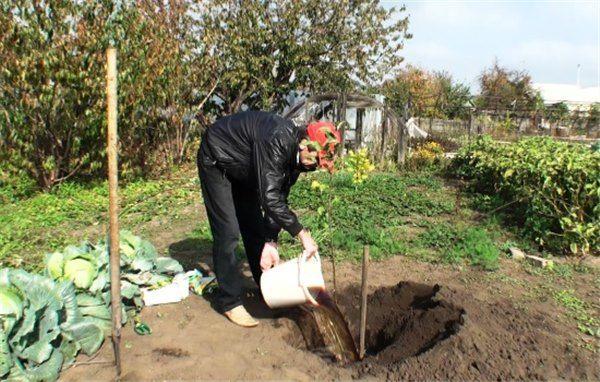
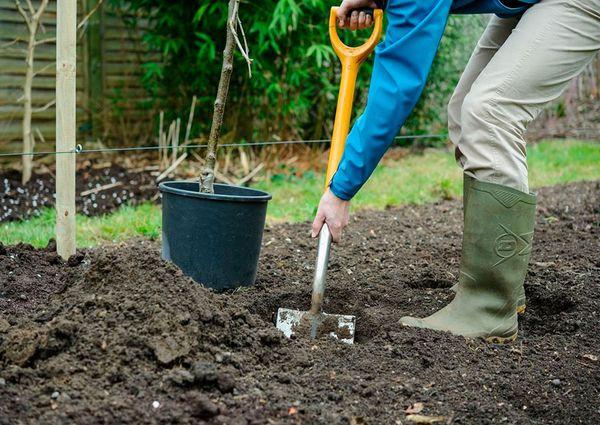
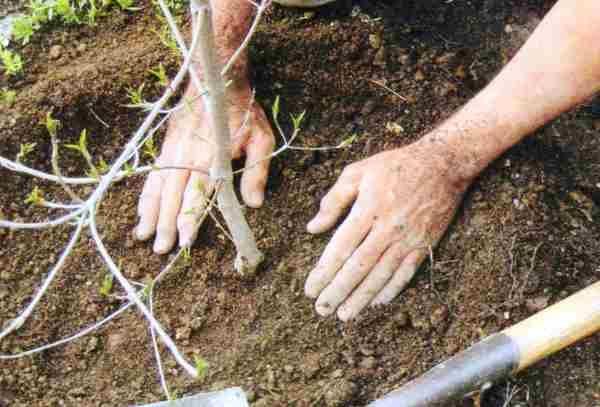
First, dig a hole large enough to accommodate the roots. Cover the bottom with a layer of soil. Then, carefully inspect the root system for any damaged areas. If any are found, remove them.
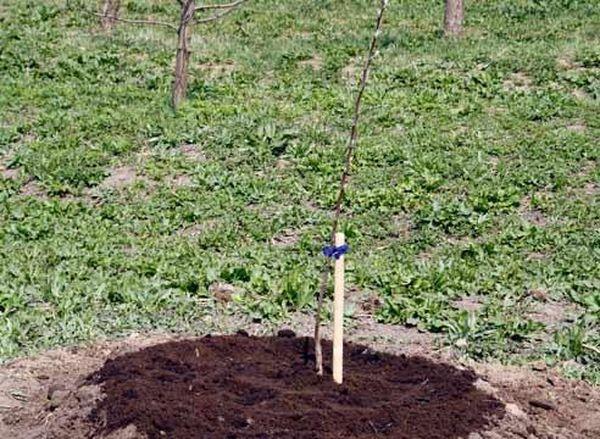
The seedling is positioned so that the stake is on the south side and the root collar is above the soil. Shake the young apple tree occasionally to ensure the space between the roots is evenly filled. Otherwise, the seedling may not take root.
The tree is firmly attached to a stake, which will support it during the first few years of its life. Then, 3–4 liters of water are poured into the hole and covered with soil to retain moisture longer.
Caring for the variety
The Elena apple tree is regularly watered after the fruit ripens to ensure the tree retains moisture and the fruit remains juicy and sweet. The branches should also be trimmed periodically. This will allow the tree to produce new shoots.
Watering mode
Water regularly (once every 7-8 days). In hot weather, double the dose. Watering is also recommended after the harvest season to restore the growth of new buds.
Crown formation
If a tree has an excessive number of flowers, some of the excess buds are removed. Internal shoots are also removed to create a properly shaped crown.
Fertilization
In this case, suitable compositions would be peat-based fertilizers.
Seasonal processing
Apple trees require regular preventative treatment with fungicidal, insecticidal preparations and solutions with biological composition. Particularly useful in this regard for gardeners will be a modern, effective bactericide called "Entobacterin", which has earned positive reviews from gardeners and professional farmers.
Shelter for the winter
After clearing the leaves, when winter arrives, insulate the tree trunk or cover it with snow. Mulching the soil will also help the apple tree survive the winter. This will protect the roots from freezing during severe frosts.
Methods of reproduction
Experienced gardeners recommend propagating this variety in the following ways:
- Seeds.
- Cuttings.
- Root suckers.
Each gardener chooses the optimal method for himself.
Gardeners' reviews
Maria Ivanova, 54: "My husband planted an apple tree four years ago. We already have a harvest of delicious fruit that the whole family is happy with. The apples are uniform in size, sweet, and juicy. Anything we don't eat goes into canning for the winter."
Dmitry Kapitanov, 57: "I have three varieties of apples in my garden, and the Elena apple tree is the earliest. We're already enjoying the fruit from the tree by mid-July. We practically never use chemicals to treat the variety; the main thing is to take preventative measures using traditional methods."
Related posts:
 Descriptions of the 20 best cherry varieties for the Moscow region, their planting and care
 Description and cultivation of the 15 best cherry plum varieties for the Moscow region, planting and care rules
 How to plant walnuts, care for them, and grow them at home
 Description and characteristics of the 27 best plum varieties for the Urals, planting and care
 Description and characteristics of the 45 best pear varieties, how to choose
 Description of the 23 best pear varieties for the middle zone, planting and care rules
 Description of the Bryanochka cherry variety, planting and care instructions
 Description of the 30 best plum varieties for the Moscow region, planting and care