
- History of the selection of the Uralskoye Nalivnoye variety
- Growing regions
- Pros and cons of apple trees
- Characteristics of culture
- Tree size and annual growth
- Development of the root system
- Fruiting
- Flowering and pollinators
- Ripening period and harvesting of apples
- Tasting evaluation and yield
- Frost resistance
- Resistance to infections and insects
- Planting an apple orchard
- Required soil composition
- Site selection and preparation
- Apple tree planting patterns
- Timing and rules for planting seedlings
- Apple tree care
- Watering
- Fertilization
- Trimming
- Seasonal treatments
- Loosening and mulching the soil
- Preparing apple trees for winter
- Methods of reproduction
- Gardeners' reviews
- Conclusion
Many gardeners grow apple trees to enjoy fresh fruit in the summer. There are many different varieties of this plant, but the Uralskoye Nalivnoye apple tree is a popular one. Before growing this tree, it's important to familiarize yourself with its characteristics and planting recommendations.
History of the selection of the Uralskoye Nalivnoye variety
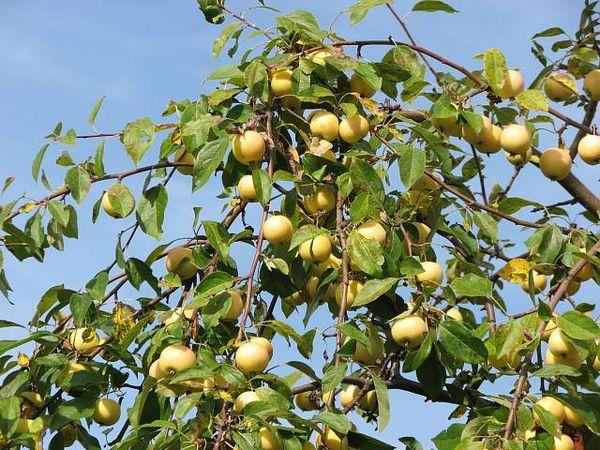
This variety was developed by breeders working at the Ural Research Institute. Popular apple varieties such as Papirovka and Krasnaya Ranetka were used in the development. This apple variety became popular among gardeners living in the northern regions of the country. Its popularity peaked in the 1970s. Back then, almost every gardener had the Ural Nalivnoye apple.
Growing regions
Before planting seedlings on a plot, it is recommended to familiarize yourself with the main growing regions.
Some people think that growing fruit trees is only possible in southern regions, but this is not true. This apple tree is perfectly suited to the Siberian climate. For the past fifty years, gardeners living in this region have been growing these trees. They can also be planted in the central and southern regions of the country.
Pros and cons of apple trees
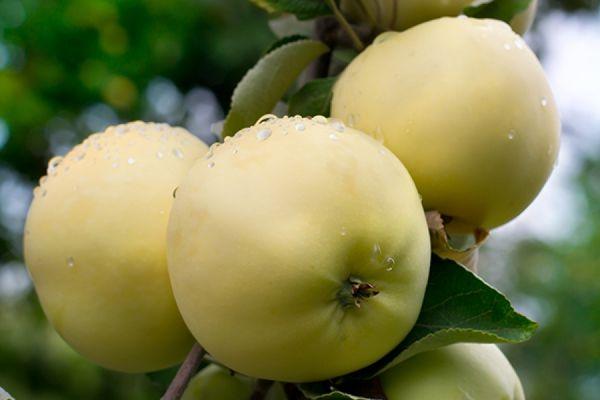
This apple tree, like other plants, has a number of advantages and disadvantages that should be considered in advance. Among the advantages of this apple variety are the following:
- high yield, which allows you to collect many fruits from one tree;
- resistance to temperature changes and frost;
- early ripening of fruits;
- the possibility of consuming the fruit both fresh and canned.
The disadvantages include:
- small weight of apples;
- brittleness of branches;
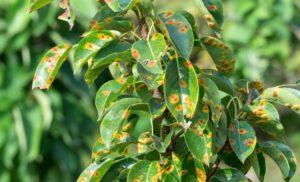
- susceptibility to disease.
Characteristics of culture
It is recommended to understand the main characteristics of the apple crop in advance.
Tree size and annual growth
If properly cared for, a planted tree will grow up to eight centimeters in height. Sometimes, trees reach ten meters. Each year, the sapling's height increases by 30-55 centimeters. This is considered average for apple trees. At this rate of growth, the crown becomes denser. Therefore, to protect the sapling from scab and increase yield, it is necessary to prune it annually.
Development of the root system
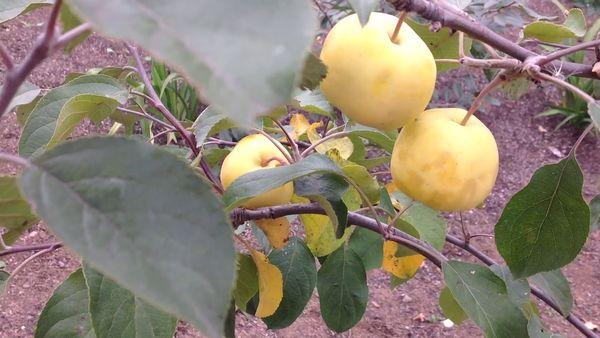
Many people planning to plant Uralskoye Nalivnoye are interested in the development of the root system. Because the variety grows tall, its roots are well-developed and well-protected from fungal diseases.
Fruiting
The fruiting process of seedlings has certain features that you need to be familiar with before planting.
Flowering and pollinators
This apple variety begins to bloom in the first half of May. A distinctive feature of this variety is its self-sterility, requiring additional pollinators. Hybrid varieties with similar characteristics are used as pollinators.
Experts recommend using the Uralets apple tree for pollination, as it blooms during the same period.
The plant must be planted near the Ural filling station.
Ripening period and harvesting of apples
The harvest reaches technical maturity in the second half of September. Experienced gardeners distinguish three harvesting periods, depending on the stage of ripeness and intended use:
- For compote or juice. If you want to make apple juice or fruit compote, pick firm, slightly unripe apples.
- For fresh consumption, any apples can be picked.
- For processing. If the harvested fruit needs to be processed, overripe fruits are collected in October.
Tasting evaluation and yield
Gardeners planning to plant and grow Uralskoye Nalivnoye apples are interested in tasting the harvest. Ripe apples have a sweetish flavor with a subtle tartness. The flesh is juicy and soft, rich in vitamins and sugars. The apples are used to make jams, compotes, juices, and other fruit dishes.
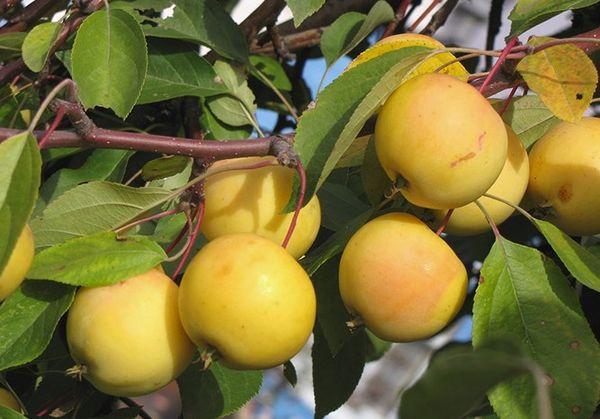
Experts recommend eating the fruit for people with high stomach acidity.
Frost resistance
One of the variety's main advantages is its high frost resistance. This plant is ideal for planting and growing in cool climates. With proper care, a planted seedling can withstand temperatures down to -35 degrees Celsius. Therefore, almost no one grows Uralskoye Nalivnoye in greenhouses.
Resistance to infections and insects
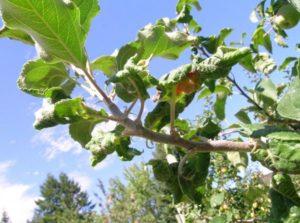
Another advantage that sets this variety apart is its resistance to most common diseases. However, the plant can still be susceptible to powdery mildew, so experienced gardeners recommend spraying it with fungicides as a preventative measure.
Also, seedlings are rarely attacked by pests that can attack planted apple trees.
Planting an apple orchard
There are several tips that will help you plant trees correctly.

Required soil composition
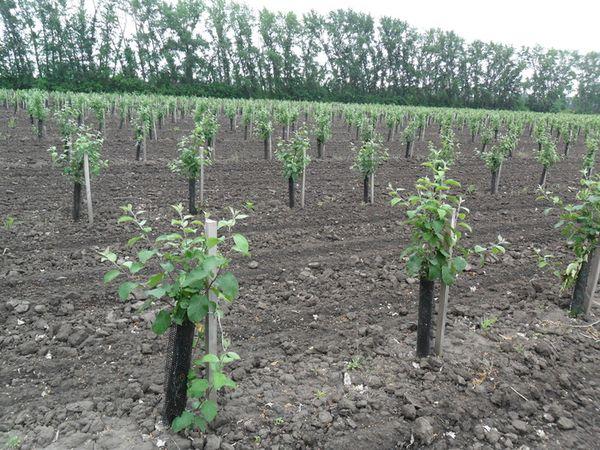
This variety, like most other apple varieties, is undemanding regarding soil composition. However, despite this, there are a few recommendations for soil preparation. Experts recommend planting seedlings in light, fertile soil. Sandy loam or loamy soil, which contains the necessary nutrients, is also suitable.
Site selection and preparation
It's no secret that the Ural Nalivny apple tree has a dense crown that grows rapidly and requires ample space. Therefore, it's not recommended to plant these trees in densely planted gardens, as this can lead to deformed branches. Also, avoid planting apple trees in drafty areas, as strong winds can cause young branches to break and dry out.
The selected site is prepared for planting in advance. It is dug over and fertilized with mineral or organic fertilizers.
Apple tree planting patterns
When planting seedlings, it's important to adhere to specific spacing patterns. Experienced gardeners advise against planting trees too close together. The distance between plants should be 80-90 centimeters.
Timing and rules for planting seedlings
Before planting, you need to decide on the timing. Trees should be planted in the first half of autumn, before the weather gets cold.
A hole about seventy centimeters deep and wide is dug in the area. Its bottom is filled with fertilizer mixture and watered. Then, a seedling is planted inside and covered with soil.
Apple tree care
Planted trees need to be looked after so that they grow well and bear fruit.
Watering
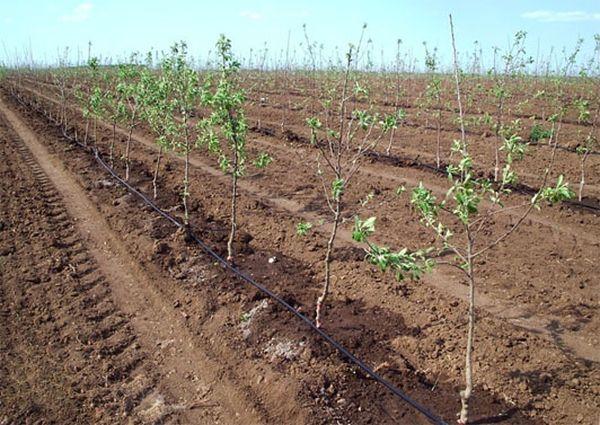
Water three times per season to prevent the soil from becoming constantly dry. Frequent soil moistening is contraindicated, as it will negatively impact root development. Drip irrigation is considered the most effective, as it allows for better root absorption.
Fertilization
The variety requires foliar feeding to promote tree growth. Fertilizers containing mineral components are used for apple trees. Fertilizing can be combined with spraying or watering for enhanced results.
For foliar feeding, you can use potassium and nitrogen compounds.
Trimming
Pruning is an essential procedure when growing a seedling. It removes excess shoots that slow the seedling's development and the ripening of the crop. Pruning is also used to shape the crown.
The procedure is performed at the end of March, after all internal processes have resumed. Unnecessary branches are trimmed with disinfected pruning shears.
Seasonal treatments
To prevent the spread of scab, apple trees are periodically sprayed with Bordeaux mixture. This procedure is performed regularly—every 3-4 weeks. This mixture protects the plants from the onset and development of scab. Trees are treated at least seven times per season.
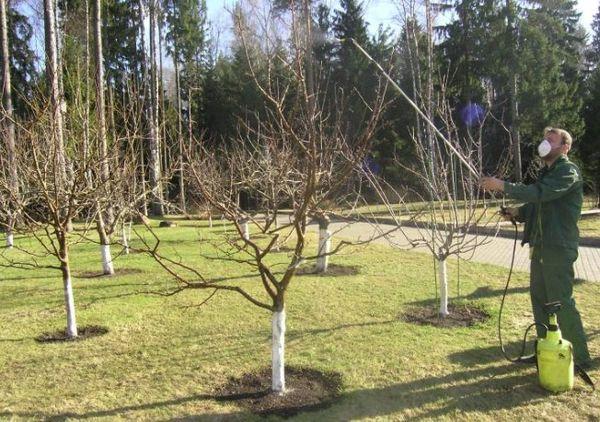
Sometimes it's necessary to protect the crown from sunburn. This is accomplished by whitewashing in the fall and spring.
Loosening and mulching the soil
To improve the plant's moisture absorption, the soil should be loosened. To do this, weed the area around the tree's trunk with a hoe. Before winter, it is recommended to mulch the seedling to protect the root system from frost. Sawdust, hay, or fresh grass can be used as mulch. These components can be mixed with nutrients or peat.
Preparing apple trees for winter
A young apple tree should be prepared for winter in the fall to prevent frost damage. To achieve this, the tree is fed with organic and mineral fertilizers in mid-fall. Excess shoots are also pruned. To protect the plant from high humidity and temperature fluctuations, it is covered.
Methods of reproduction
There are several main methods of propagating apple trees:
- Seeds. Experienced gardeners propagate apple trees from seeds. However, this method is not popular among ordinary gardeners due to its complexity.
- Cuttings. This is the simplest method. Cuttings are prepared in advance, in late spring or summer. By autumn, they are rooted and planted in the ground.
Gardeners' reviews
Anastasia, 45: "I've long wanted to start an apple orchard at my dacha and decided to plant the Ural Nalivnoy variety. I really like the fruit from these trees; they're juicy, fragrant, and sweet."
Sergey, 37, says, "I live in a private home and a few years ago I planted three Ural plump saplings in my garden. I didn't expect them to grow so quickly. I recommend them to anyone who wants an early start on their harvest."
Conclusion
The Ural Nalivnaya variety is considered a popular apple, grown by many gardeners. Before planting this sapling, it's important to familiarize yourself with its characteristics and planting recommendations.
Related posts:
 Description of the 10 best columnar apple tree varieties, planting and care
 Treatment rules and 20 best remedies for dealing with aphids on apple trees
 How to grow an avocado from a seed at home: planting and care
 How to plant walnuts, care for them, and grow them at home
 Descriptions of the 20 best cherry varieties for the Moscow region, their planting and care
 Description and characteristics of the columnar apple tree President, planting and care
 The best eggplant varieties for growing in a polycarbonate greenhouse: planting and care
 Carrot care guidelines for outdoor cultivation to ensure a good harvest