
- Why are apple tree leaves wilting?
- Unsuitable climatic conditions
- Mistakes when planting and caring for fruit crops
- Inappropriate soil composition
- Apple tree foliage diseases
- Peronosporosis
- Powdery mildew
- Scab
- Tree bark damage
- Black crayfish
- Cytosporosis
- European crayfish
- What to do if leaves dry out and wither
- In young trees
- In the spring-summer period
- Increased leaf fall is observed
- Symptoms similar to those of a burn
- And they become deformed
- During the flowering period
- After flowering
- At the top of the tree
- Whole branches are drying up
- Tips and recommendations from gardeners
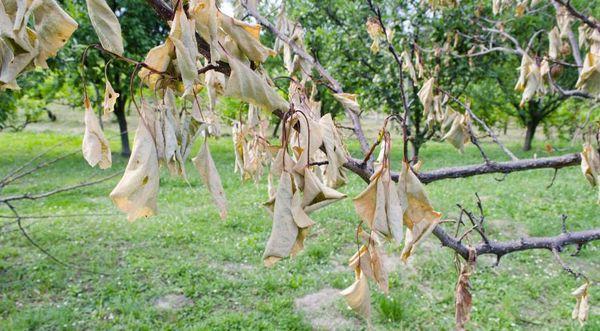
Wilting foliage is a sure sign of a fruit tree's developmental problems. The problem can be caused by planting errors, improper care, or infectious diseases. The first step when apple tree leaves are wilting is to determine the underlying cause. Depending on the cause, a treatment method is selected: repotting, increasing or decreasing watering, fertilizing, or using pesticides.
Why are apple tree leaves wilting?
There can be many reasons for apple tree foliage wilting. The most common are listed below.
Unsuitable climatic conditions
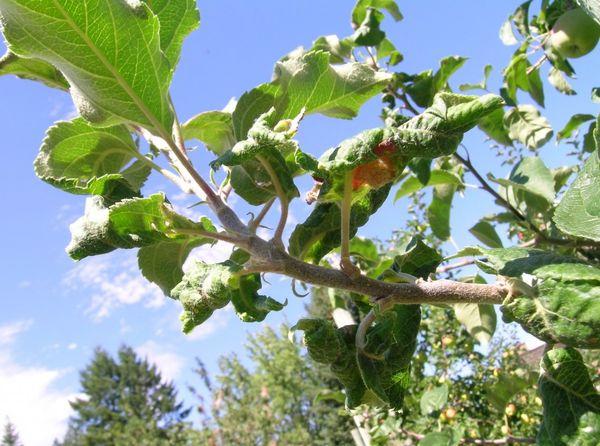
Apple trees are sensitive to sudden temperature fluctuations, increased frost severity in winter, and prolonged dry weather in summer. Trees of non-regional varieties planted in northern regions often freeze, while those in southern regions suffer from sunburn and die back.
Unfavorable climatic conditions negatively impact not only the green parts of the plant but also the bark. The tree bark becomes cracked, allowing fungal and bacterial infections to penetrate.
The solution to the problem is obvious – planting apple trees of regionalized varieties: frost-resistant in the northern regions, and drought-resistant in the southern ones.
It is advisable to use insulation in winter, and water the plants more often in hot summer.
Mistakes when planting and caring for fruit crops
Improper planting and poor tree care are the most common causes of leaf wilting. Apple trees wilt if planted in a marshy lowland or on heavy loam or clay soil. To prevent this, peat and sand are added to the soil. In the fall, powdered dolomite, lime, or chalk are added to enrich the soil with calcium.
Apple trees can do poorly next to timothy grass and other wild grasses. These grasses should be removed from the apple orchard.
Inappropriate soil composition
Apple trees, like many fruit crops, are quite demanding when it comes to soil quality. If nutrients are deficient, they begin to starve, manifesting as wilting and leaf drop. The tree can also suffer from deficiencies of manganese, potassium, zinc, magnesium, and boron.
Apple tree foliage diseases
There are many infectious diseases that can cause apple tree leaves to wither.
Peronosporosis
This fungal disease, also known as downy mildew, manifests as white spots on leaf blades. As the spots spread, they turn grayish-purple. Affected leaves quickly dry up and fall off. The affected tree slows in growth and produces almost no fruit.
Powdery mildew
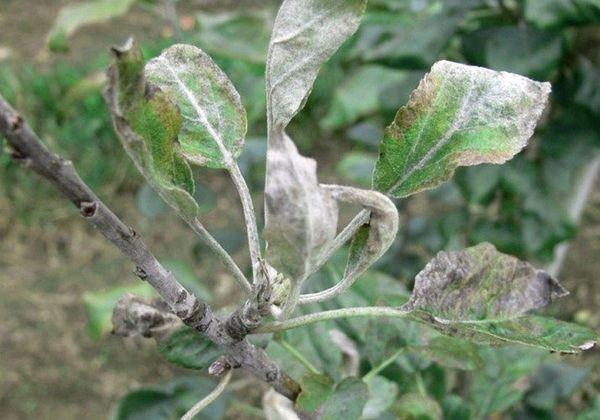
This infectious disease, caused by soil-borne fungi, is familiar to every gardener. The main symptom is a soft, grayish-whitish coating. Affected leaves dry out and curl.
Of the commercially available products, the fungicide Skor is effective against powdery mildew. Many gardeners use folk remedies: spraying the affected crown with a soda solution, a 1% boric acid solution, or a liquid mixture of copper sulfate (20 g) and soap (200 g).
Scab
One of the most common fungal diseases affecting apple trees, dark brown spots appear on leaf blades and fruit surfaces. These quickly spread, causing the green portion of the plant to wither.
Scab is controlled using fungicides Topaz and Hom.
Tree bark damage
Without timely intervention, various tree bark pathologies inevitably lead to a loss of nutrients reaching the crown. The tree becomes depleted and dies.
Black crayfish
One of the most dangerous fungal diseases affecting fruit trees, it develops especially quickly on pear and apple trees. Canker is recognized by a distinctive symptom: the appearance of a black coating on the branches and trunk.
Visually, the apple tree appears to be covered in soot. The leaves turn brown and quickly dry out.
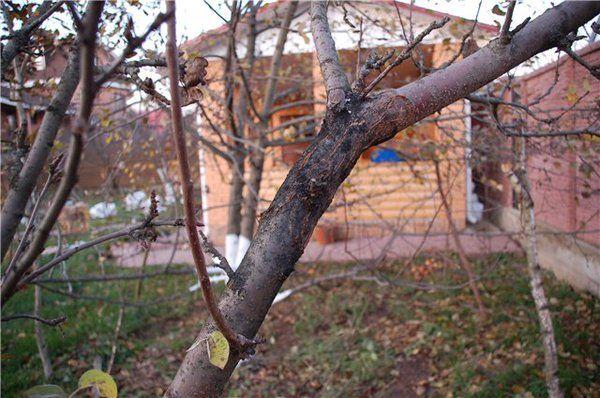
This disease must be treated immediately. Without treatment, apple trees die within 2-3 seasons, or even in just one. To prevent black canker, keep your garden clean, prune diseased shoots promptly, and treat seedlings with a preventative dose of copper sulfate.
Cytosporosis
A dangerous fungal disease of fruit trees and shrubs attacks the bark. Cankers form, and the foliage wilts. As the cankers spread and the bark cracks, the flow of sap through the trunk tissue is disrupted, and the tree dies.
European crayfish
This fungal disease, also known as common or step canker, manifests itself as the trunk and branches becoming covered in convex and concave dark red spots. If the growth is peeled off, bare wood underneath is revealed.
What to do if leaves dry out and wither
The treatment approach is determined based on the factor causing the apple tree foliage to wilt. The most common methods for eliminating the problem are listed below.
In young trees
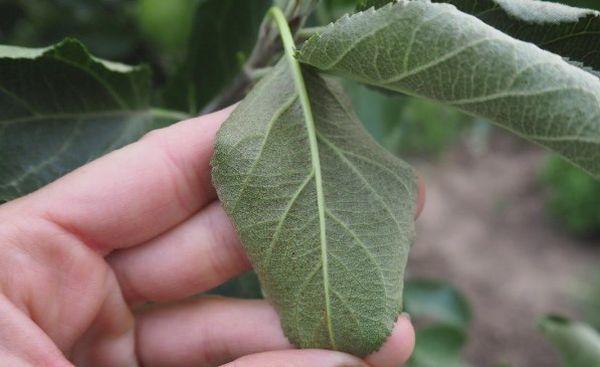
Wilting and leaf drop in young seedlings is most often the result of sudden temperature fluctuations during the winter and spring months. If a tree freezes, it cannot be revived.
In the spring-summer period
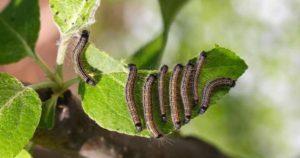
After winter, apple trees are weakened, so they may shed their leaves in July and August. This often happens if the trees produced a good harvest last season and this one.
A depleted apple tree requires additional feeding. In the spring, use a complex fertilizer to quickly replenish nutritional deficiencies. You can purchase Sudarushka or Kemira fertilizers.
If the apple tree is old, then its “baldness” in the spring-summer period indicates the need for rejuvenating pruning.
Increased leaf fall is observed
Excessive leaf fall on an apple tree is a sign of dehydration. This occurs during prolonged dry periods. The solution is to increase watering. However, if the root system has dried out, the tree is dead and cannot be revived.
Symptoms similar to those of a burn
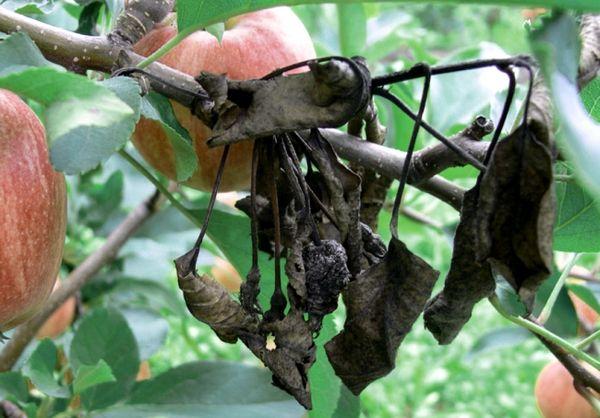
If the foliage appears scorched, this is the plant's reaction to an excessive amount of fertilizer or pesticide used during spraying. To restore the tree's health, water it generously, and treat the affected crown with a soda or vinegar solution.
And they become deformed
Any of the factors listed above could be the cause of leaf curling. Curling is not the primary symptom, but rather a consequence of leaf blade deformation as it dries. Therefore, it's important to investigate the underlying cause of the leaf curling. This could be:
- scab;
- aphid;
- powdery mildew;
- malnutrition;
- lack of moisture in the soil.
During the flowering period
Most often, the leaves of a flowering apple tree dry up due to starvation. Fertilizing is required.
Apple trees are fed 3 times per season:
- at the beginning of spring, before the buds open;
- during bud formation;
- after harvesting.
For spring feeding, use organic matter (3-4 buckets of humus or 600 g of urea) and nitrogen. For summer feeding, use minerals (70 g of potassium sulfate, 100 g of superphosphate per 10-liter bucket of water), as well as mullein, chicken manure, or urea (100 g per 10 liters). For autumn feeding, use a mineral complex containing phosphorus and potassium. Nitrogen should not be used for young seedlings, as it reduces frost resistance.
After flowering
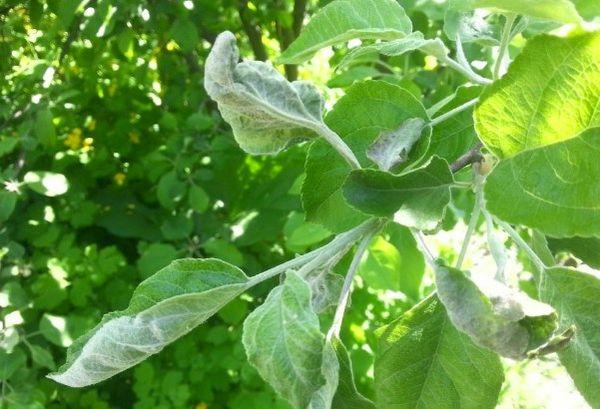
If the tree isn't injured or infected, but suddenly begins to wither after flowering, the only cause is winter frost. The apple tree is dead and cannot be saved.
At the top of the tree
A very dangerous symptom is the wilting of the upper foliage of a young seedling. Either the graft site is damaged, or the root system is dying. In either case, treatment is futile; the tree is doomed.
If the top of an old apple tree is wilting, it means the tree has reached the end of its lifespan and is slowly dying.
If the problem occurs on a middle-aged apple tree, suspect either a severe nutrient deficiency or root damage. In the former case, a comprehensive fertilizer is applied. In the latter case, the tree needs to be dug up (the older the plant, the more difficult this is, but care should be taken to minimize root damage).
The diseased sections of the root system are cut off, the remaining parts are treated with copper sulfate, and left for several hours to dry. Then the apple tree is transplanted to a new location with loose and nutritious soil and deep groundwater.
Whole branches are drying up
Typically, this phenomenon is observed due to insufficient watering.
Watering frequency should be tailored to the specific characteristics of the fruit tree: drought-resistant varieties require less moisture. Varieties with moderate drought tolerance should be watered every two weeks. Apply 30-40 liters of water per tree at a time. The prepared water should be settled and lukewarm.
Tips and recommendations from gardeners
Experienced gardeners offer the following tips to prevent leaf wilting on apple trees:
- There are apple tree varieties resistant to fungus, such as Sinap and Bogatyr. These are best for planting. The most susceptible varieties are Zhigulevsky and Bely Naliv.
- To increase the nutrient absorption of seedling roots, you can plant green manure plants in the garden and then incorporate them into the tilled soil layer. The best green manures for fruit crops are legumes and buckwheat.
- You cannot plant an apple tree in an area where groundwater is close to the surface.
- Liquid fertilizers are best used during dry periods, and solid fertilizers during rainy periods.
- Ash should be applied with extreme caution as a fertilizer. Excessive amounts are harmful to beneficial soil microorganisms.
- When purchasing a seedling, carefully inspect its roots. They should show no signs of rot or infection. The grafting site should be visible. The bark should be free of scratches, damage, or stains.
- In the fall, the area needs to be tidied up, and fallen leaves removed, as they can become a breeding ground for infection over the winter.
- Sterilized tools are used for pruning the crown. The cuts on the shoots are treated to prevent infection.
- After watering, the apple tree is mulched to retain soil moisture. Sawdust, hay, or straw are used as mulch.
There are many reasons why apple tree foliage dries out. But preventing the problem is easy. Simply follow proper agricultural practices, maintain the garden properly, and implement timely preventative measures.
Related posts:
 Signs and treatment of apple tree cancer, varieties resistant to the disease
 Description of the Chudnoe apple variety, planting and caring for a dwarf tree
 Description of the Red Early apple tree variety, agricultural technology and specific care
 Description and varieties of the Sinap apple tree, planting and care rules
 Description of the ornamental Nedzvetsky apple tree, cultivation technology
 Description and subtleties of growing the Sverdlovsk Beauty apple tree variety
 Description and characteristics of the columnar apple tree President, planting and care
 Description and planting of the Dream apple tree variety, care and propagation