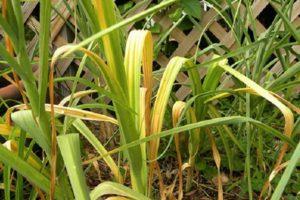
Gardeners are interested in how to grow Dobrynya garlic, a variety they've seen described online. This garlic stands out from other varieties thanks to its advantages and attractive characteristics. This cold-hardy crop is resistant to frost and sudden temperature fluctuations. It produces an excellent harvest in central Russia. It has received positive reviews from gardeners in Russia, Ukraine, Moldova, and Belarus. The Dobrynya variety is included in the State Register of Garlic of the Russian Federation.
Description of the variety
Description and characteristics of the variety:
- Dobrynya is winter garlic.
- The variety is planted for the winter.
- During the cold season, the plant lies dormant. As soon as spring arrives, garlic begins to actively grow. Winter varieties produce higher yields than spring varieties, i.e., those planted in the spring.
- In addition, winter crops are stored well, retaining their beneficial properties, taste, and marketable appearance for a long time.
- The shelf life is 4-5 months. After this time, the fruits begin to dry out. The plant is immune to common fungal and other diseases.
- Garlic is a late-ripening variety, requiring 125-130 days after germination to mature.
- The plant is vigorous, growing to 50-70 cm.
- The leaves are predominantly green. There is a slight waxy coating.
- The height of the tops is 40 cm. Its width is 2-3 cm. The crop forms arrows.
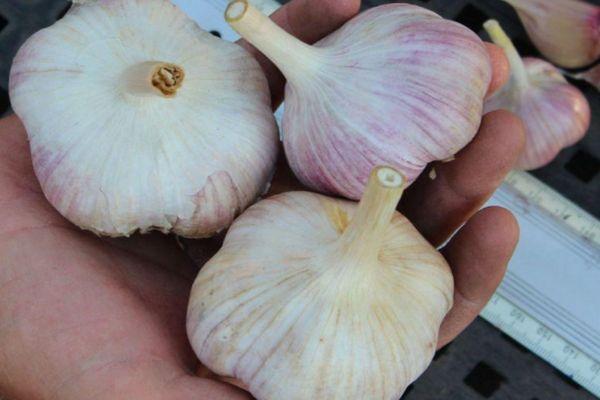
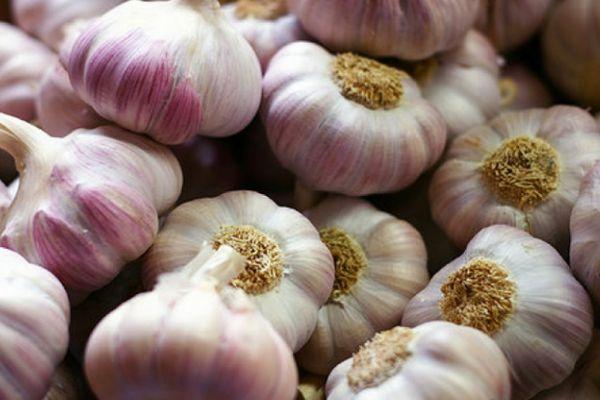
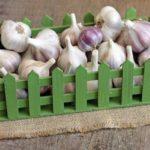
Dobrynya garlic produces bulbs of uniform size. The shape is round, slightly flattened. The bulb color ranges from light gray to off-white. Lilac veining is acceptable.
One head usually contains 10 to 13 cloves. The fruit weighs 50-60 g. The weight of 1 clove is 5-7 g.
The dense flesh is creamy in color. It is juicy and aromatic. The flavor is semi-sharp. Dry matter content is 40%, sugar content is 23%, sulfur-containing substances are 7%, and vitamin C is 10 mg per 100 g. The nutritional value is 143 kcal per 100 g. Garlic is rich in beneficial substances that help fight various infections, normalize cholesterol, and lower blood sugar levels. The bulbs of this plant have anti-inflammatory and anti-tumor properties.
Take a look Also
Advantages of the Dobrynya variety:
- High yield.
- Large heads.
- Garlic can be stored for a long time, retaining its properties.
- The variety is not susceptible to a number of fungal and other diseases.
- The vegetable is not afraid of frost or sudden temperature changes.
- Universal application. It is used for medicinal and culinary purposes.
- Good taste characteristics.
- Possibility to update the variety independently.
Flaws:
- Limited shelf life. After 4 months of storage, the fruits begin to dry out.
- The variety has a tendency to degenerate.
How to grow the crop?
Garlic grows best in open beds previously occupied by strawberries, wild strawberries, potatoes, and tomatoes. Garlic can restore the mineral balance of the soil, as the fruit contains sulfur. Choose a sunny location for the plant. The soil should be fertilized and dug over. The variety doesn't like overly loose soil. Prepare the bed a few weeks before planting to allow the soil to settle slightly.
The best time to plant winter garlic is late September and October. Gardeners should check the weather forecast for the coming weeks. If no prolonged frosts are expected, they can begin planting.
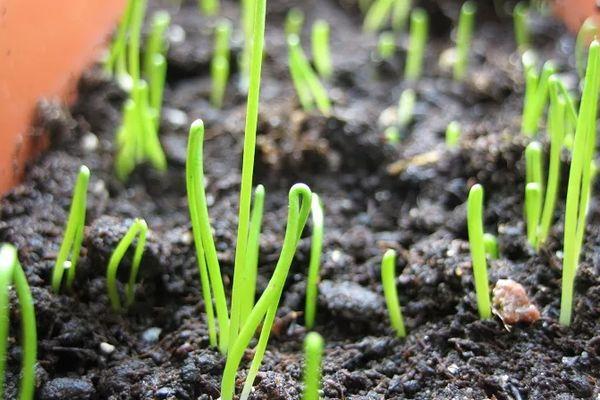
Healthy cloves without blemishes or damage are suitable for planting. They are removed from the head of garlic before planting to ensure freshness. Experienced gardeners know that the larger the cloves, the larger the new plant will be.
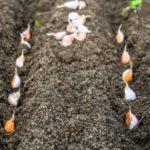
Garlic is planted in rows spaced 20 cm apart. The seeds are planted infrequently. The distance between cloves is 10-15 cm, and the planting depth is 5 cm. The cloves are placed bottom-down in the soil. They are covered with soil, then topped with straw and sawdust.
There is no need to water the plantings in the fall.
Caring for Dobrynya garlic is simple. The plant needs to be watered several times a week. If the summer is dry, increase the frequency. In hot weather, it's best to water the garlic beds every other day.
Before the bulbs begin to ripen, fertilize the crop. Suitable fertilizers include ammonium nitrate, superphosphate, and other fertilizers. Remove the garlic stalks.

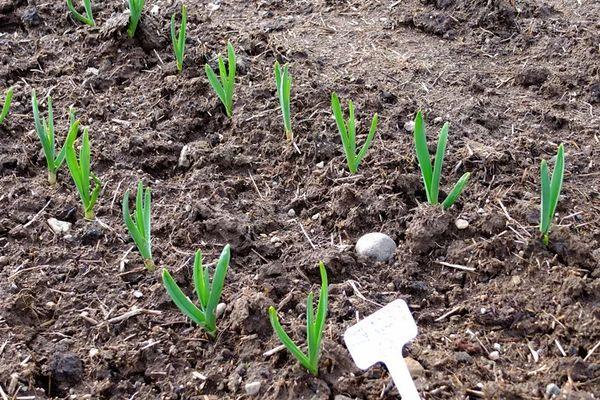
The beds are weeded promptly and loosened after watering. Watering is stopped a few weeks before harvest. Experts say the variety is prone to degeneration. Therefore, the varietal material needs to be renewed every four years. This can be done by seeding from the aerial bulblets that form on the shoots in the spring.
With proper care, this variety produces a remarkable harvest. 2-3 kg of garlic can be harvested per square meter.
Harvesting begins in late summer, when the tops have turned yellow and the leaves have fallen to the ground. Garlic should be harvested before the bulb's shell splits. If this has already happened, the garlic is no longer suitable for storage. It should be set aside for eating or processing.
In sunny weather, the plant is pulled completely out of the ground. The vines are left in the garden bed to dry. Then they are moved under cover. Generally, the garlic takes about 1.5 to 2 weeks to dry. After this time, the garlic is cleaned of debris and sorted. Whole, smooth, healthy heads are reserved for storage. The skins should be clear and light in color.
There are several storage methods:
- The plant is braided into plaits and hung in the house.
- The fruits are mixed with salt and placed in jars.
- The garlic is placed in a box with straw. The container is stored in a pit or cellar.
Garlic has versatile uses. It's used for medicinal purposes, such as treating and preventing colds and other illnesses. In cooking, garlic is a seasoning, an additive to a variety of dishes, and is used for preserves.
Related posts:
 Description of the best cabbage varieties for 2025 for different regions
 The best varieties and types of early and winter garlic with descriptions and names
 When can spring garlic be harvested in 2025? Harvesting from the garden and storage
 The best recipes for pickled garlic heads at home for the winter, like those found at the market, and the shelf life
 Description and characteristics of the best varieties of late cabbage, planting and care technology
 When to harvest winter garlic in Siberia, planting and storage times, varieties
 Garlic cultivation technology in open ground, planting times, and care guidelines for a good harvest
 Garlic harvesting dates in the Urals in 2025, cultivation and care