
Suvorov garlic Anzur is a special variety of Central Asian onion, which is also called decorative, mountain or piez-anzur, Suvorov's onion, giant, stalked, and highest.
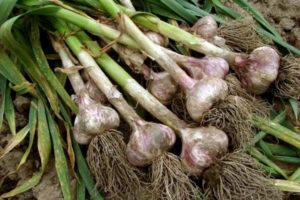
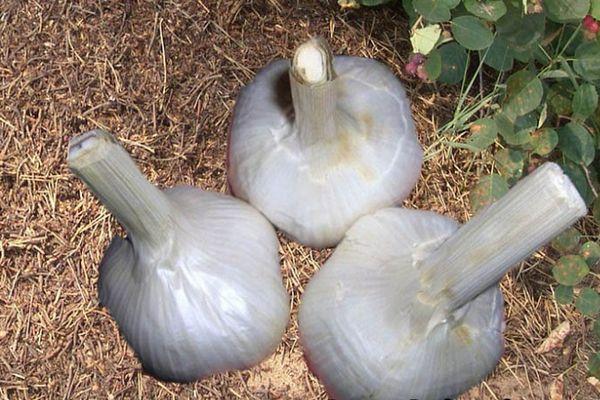
This variety is distinguished by its gigantic bulb, larger than that of both common onions and garlic. The bulbs resemble both garlic and tulip bulbs, making this vegetable very popular among gardeners. They plant Suvorov's garlic and onion in their gardens and homesteads.
Characteristic
The name "Suvorov garlic" or "onion" originated during the life of the great military leader Alexander Suvorov. During one of his campaigns in the Alps, a special type of onion was discovered that possessed the flavor of garlic. It was this plant that saved Suvorov's soldiers from scurvy, which is why mountain onions have been called "Suvorov garlic" ever since. The giant onion, called "Anzur," came to Russia from the mountainous regions of Central Asia.
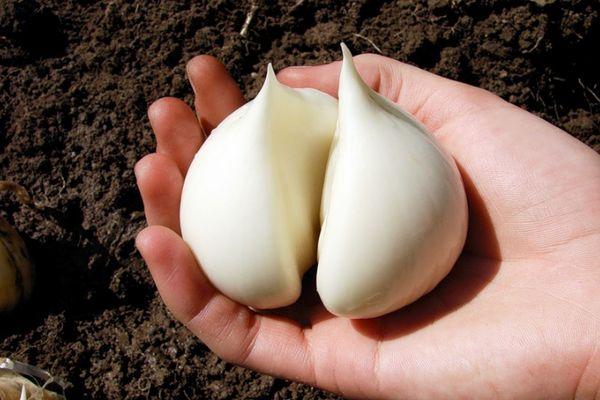
This early-ripening vegetable provides consumers with its green leaves and bulbs from the first days of spring. The plant is added to salads, sandwiches, and first and second courses. Ripe bulbs make an excellent pickled dish.
Anzur can be grown at home, in the garden, in the vegetable garden, and in greenhouses.
The main characteristics of mountain onions include:
- The bulbs are round in size.
- The diameter of the fruit reaches 6-8 cm.
- On the sides, daughter bulbs develop, the number of which is small - from 1 to 2 pieces.
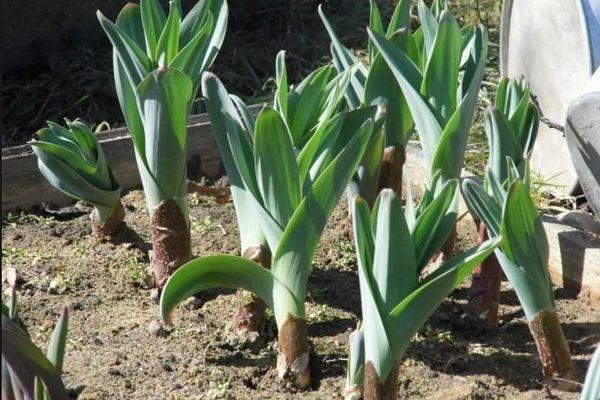
- The leaves have a glaucous color, with a small fluff along their edges.
- The inflorescences on the plants are spherical and hemispherical.
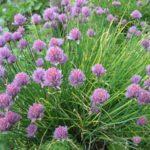
- Mountain onion flowers can be red or pinkish-purple, with a dark vein on the petals.
The main disadvantages of the Suvorov bow include:
- The leaves are only edible for the first few weeks of spring, when the plants are ripening. Afterward, they turn yellow and become tough.
- The product should not be eaten raw, as it is toxic. It is recommended to eat the onions pickled, baked, or simmered in honey.
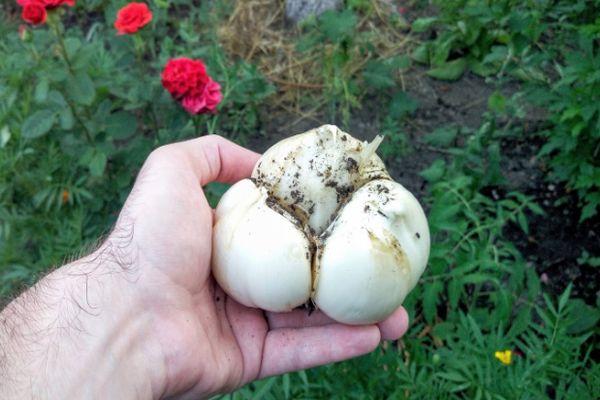
Before cooking, Suvorov onions are soaked in water for one to two weeks, changing the water frequently. Onions should not be planted in areas with standing water in the spring or very damp in the summer. This often results in a poor harvest.
Despite certain disadvantages, the Anzur mountain bow also has visible advantages:
- Due to its high degree of winter hardiness, Suvorov's onions are planted in beds in the fall so that they begin to sprout in early spring.
- They germinate quickly and fresh onion leaves appear already in March.
- Onions are not susceptible to attacks by parasites, microbes, diseases, and various infections.
Care and cultivation
Anzur is characterized by a short growing season. Leaves begin to grow in early spring, flowering occurs in May or June, and seeds form in July. After this, the plants dry out, and the bulb enters a dormant phase. One bulb produces 2-3 cloves of mountain onion, although some plants produce only one bulb. These bulbs are large, but if several cloves are harvested from a single plant, the resulting bulblets will be smaller.
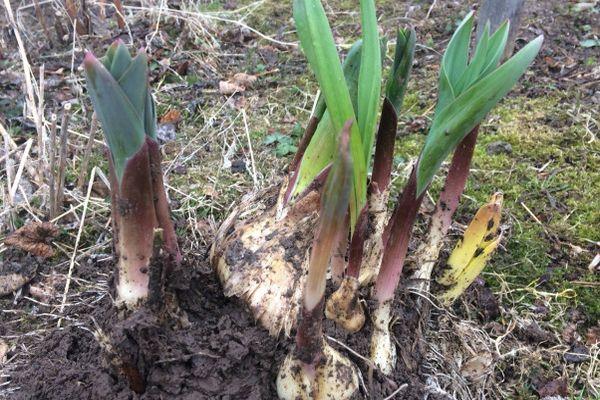
Caring for Suvorov onions is not difficult; you just need to follow the recommendations.
Propagation occurs by cloves, which are dug up when the plant is completely dry. This occurs after the leaves and flowers have completely dried out.
To get a large harvest from a single Suvorov onion plant, plant the vegetable in September. As the root system develops, the bulbs will be in the vernalization phase longer. This will cause the bulbs to split into 4-6 parts. Planting in October-November will result in fewer bulbs forming.
Transplanting from one site to another is done every few years, which allows a larger cluster of bulbs to form. This cluster produces bulbs of varying sizes, from very small to very large.
Suvorov bulbs should be planted in the soil to a depth of 10 cm.
A plot of up to 1 m² should not have too many bulbs. The average number is 30.
The bulbs should be planted as follows: within one row there should be a distance of up to 5 cm between the seeds, and between rows - from 25 to 30 cm.
Experienced gardeners recommend growing a large bulb and then removing all the stems in the spring. Flowers are usually removed once the flowering process has finished.
Onion seeds are used for propagation, as this variety's seeds are much larger than those of common onions. Good seeding material comes from a large bulb, which takes three to four years to develop.
Sowing seeds into the ground is carried out before winter, since when sowing in spring, the seeds do not have enough time for stratification. Because of this, they take a long time to germinate or do not germinate at all.
Sowing takes place a week before the first frost. This usually occurs in late October or early November (depending on the climate in the region).
In spring, a friendly and simultaneous emergence of plants begins.
By the end of the first season, seedlings will produce a crop of small bulblets, 2 cm in diameter or even smaller. When the growing season ends, the bulblets are dug up and stored until planting. If the bulblets are left in the ground until the next season, they are transplanted in the spring. It is important that the plants do not cluster together.
Related posts:
 50 types and varieties of perennial onions with descriptions, cultivation, and care
 Description of the best varieties of onions, planting and care in open ground
 When to harvest leeks from the garden for storage, ripening times
 How and when to plant onions to get large bulbs
 Description of the Exhibition onion variety, growing from seedlings, planting and care
 The beneficial properties of white onions, description of varieties, cultivation and care
 Description of shallot varieties, cultivation and care, when to harvest
 Description of varieties and cultivars of wild onions, the subtleties of cultivation
