
- Description of the tree
- Appearance and size
- Flowering and pollination
- Fruiting
- Advantages and disadvantages of growing at home
- The best varieties: features and characteristics
- How to plant pomelo at home
- What will be required?
- Pot
- Priming
- Planting material
- Preparing the seeds
- Timing and technological process of planting works
- We create optimal conditions for germination and rooting
- Where to place the pot with the seedling
- Temperature conditions
- Humidity and lighting
- How to care for citrus trees
- Watering mode
- What to fertilize with?
- Crown formation
- Transfer
- Preparing for the winter period
- Diseases and pests: protection and prevention
- Methods of reproduction
- Problems encountered when growing pomelo: solutions
Growing pomelo from seeds at home is a challenging, yet rewarding, process. With the right selection and preparation of planting material, you can achieve excellent results. For the plant to thrive and produce abundant fruit, it needs the right conditions. Maintaining optimal temperature, humidity, and light is crucial.
Description of the tree
Pomelo has certain characteristics, which are important to familiarize yourself with before deciding to grow it at home.
Appearance and size
Contrary to popular belief, the pomelo is a distinct plant variety, not a hybrid. On average, the plant reaches 15 meters in height. It is characterized by large leaves and a spherical crown.
Flowering and pollination
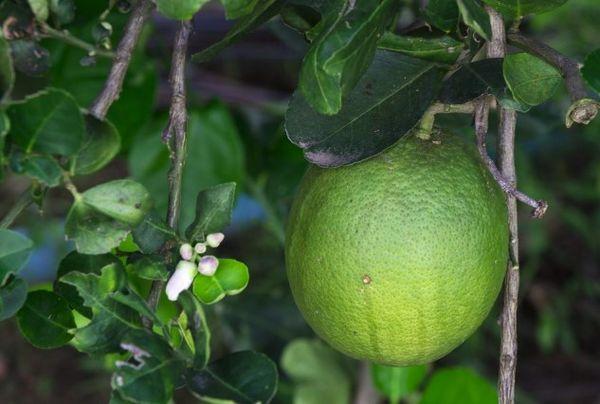
Flowers are either solitary or form clusters of 2-10. They are white and reach 4-7 millimeters in diameter.
To pollinate the crop yourself, use a cotton swab to carefully transfer pollen to the stamens.
Fruiting
The tree can produce fruit for seven months. The fruits are large, reaching up to 10 kilograms in weight in the wild.
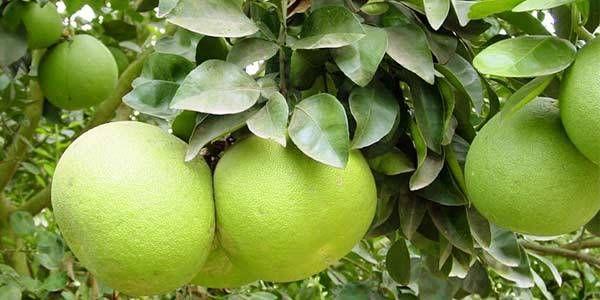
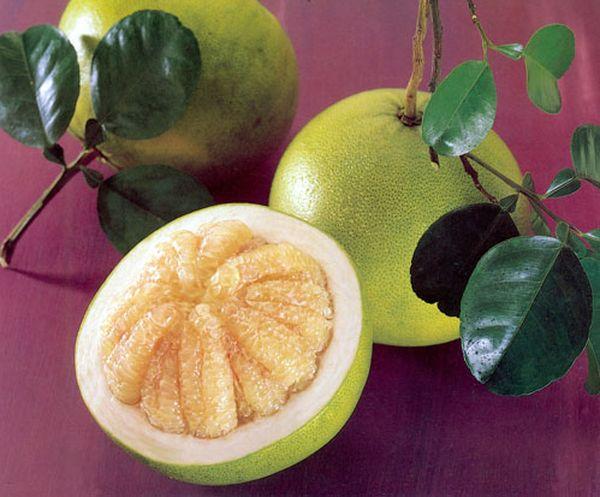
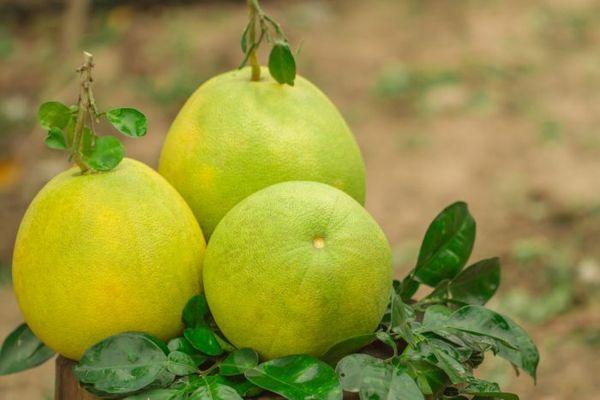
The fruit's color varies—yellow, red, pink, or green. The skin is quite thick but easily peeled. Inside is a pleasantly sweet pulp. Pomelo ripens in February and can be stored for up to one month.
Advantages and disadvantages of growing at home
To grow pomelo at home, it's important to understand the plant's key advantages and disadvantages. The advantages of growing pomelo at home include the following:
- pleasant taste;
- excellent decorative properties;
- beneficial properties of fruits.

However, the process does have certain drawbacks. These include the need to create special conditions for the crop—temperature, humidity, and lighting.
The best varieties: features and characteristics
The most popular varieties of the plant include the following:
- Khao horn – has white flesh and yellow-green skin. The fruit is characterized by a sweet taste.
- Khao namphung – the fruit has light yellow flesh. The skin has an orange tint. It tastes quite sweet.
- Khao paen – the flesh is white. The fruit is elongated and covered with green skin.
- Khao phuang – the fruit has yellow-white flesh and green skin. This variety is characterized by a sweet and sour taste.
- Thongdi – distinguished by its pink flesh. The fruit is covered with dark green skin and has a sweet taste.
How to plant pomelo at home
To grow a strong tree and get a harvest from it, it is necessary to provide the plant with proper care.
What will be required?
To carry out planting work correctly, it is important to select everything necessary wisely.
Pot
Sprouted seeds should be planted in individual containers. It's recommended to add a drainage layer. Holes in the bottom will help prevent water stagnation. Drainage can be made from expanded clay, pebbles, or charcoal.
Priming
You can buy pomelo soil at a specialty store. This plant requires soil designed for citrus fruits.
Planting material
Pomelo is most often propagated by seed. To do this, select a ripe, high-quality fruit and remove the seeds.

Preparing the seeds
It's recommended to rinse and dry the seeds, then sprinkle them with clean sand. Place the container on the bottom shelf of the refrigerator. The temperature should be 5 degrees Celsius. Store the seeds for 2 months.
There's another way to prepare the seeds. Rinse them in room-temperature water and place them in a growth stimulant solution. To prepare it, use 5 drops of the solution per 100 milliliters of water.

Timing and technological process of planting works
Planting is usually recommended in late winter or early spring. After preparing the container and soil, place the prepared seed in the soil and cover it with a 1-centimeter layer of soil.
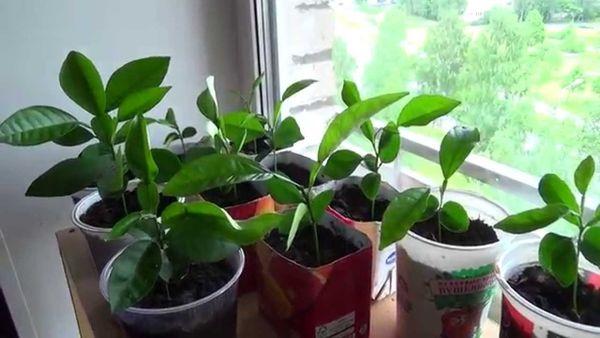
Spray the container with water and cover with a cloth. Place the pot in a bright spot. After 2 days, remove the cloth. Seedlings will appear in 2 weeks.
We create optimal conditions for germination and rooting
To encourage sprouting, it's important to create optimal conditions for the plant. Choosing the right location and temperature is crucial.
Where to place the pot with the seedling
Avoid placing the plant pot near heating devices. Dry air negatively impacts plant development. During warmer months, the pomelo can be moved outdoors. This will help harden the plant and strengthen its immune system.
Temperature conditions
The plant thrives in warm, humid air. In summer, temperatures should reach up to 35 degrees Celsius. In winter, the fruit requires cool air – 10-15 degrees Celsius.
Humidity and lighting
Indoor humidity should be between 65-85%. The plant should be positioned so its leaves receive maximum light.
How to care for citrus trees
In order for the crop to develop normally and produce a harvest, it needs to be provided with high-quality care.
Watering mode
In spring and fall, water the plant when the top layer of soil becomes dry. The soil inside the pot should not dry out too much. To assess the moisture level, take a small amount of soil and compress it.
When the soil is scattered, watering is required.
What to fertilize with?
For active growth, the plant requires calcium, nitrogen, and phosphorus. Magnesium and sulfur-containing fertilizers are also recommended. Young plants require a lot of nitrogen. Phosphorus is added to pomelo's root system to promote root development.
Crown formation
Timely pruning gives the tree a beautiful appearance and ensures timely fruiting. Pomelo is typically pruned to a rounded shape.
Transfer
It's recommended to repot pomelo in late winter or early spring. This is done by transshipment. This helps prevent root damage.
Preparing for the winter period
In winter, the plant requires additional lighting. Fluorescent lamps are suitable for this purpose. It's also important to combat excessively dry air. Humidifiers can be used for this purpose.
Diseases and pests: protection and prevention
The plant often faces attacks from parasites, viruses, and fungi. Spider mites and scale insects pose a major threat to the tree.
Chemical and biological agents are used to control pests. However, these products can only be used in open areas.
Methods of reproduction
Pomelo can be propagated by seed or vegetatively. The former produces robust trees, but they begin bearing fruit relatively late. Air layering is also an acceptable method.
Problems encountered when growing pomelo: solutions
When growing pomelo, there's a risk of black mold appearing on the foliage. This is caused by sooty mold. To eliminate the problem, wipe the plant with a soapy solution.
Another common problem is leaf drop. This can be caused by severe stress, temperature fluctuations, excess moisture, or insufficient light. In this situation, the plant requires the right growing conditions.
It's perfectly possible to grow pomelo yourself. However, it's important to choose the right planting material and provide the plant with proper care.
Related posts:
 Rules for growing and caring for citrus fruits at home from seeds, fertilizers
 Methods for planting and propagating cherries at home
 Conditions for growing mandarin at home and rules for caring for the tree
 The best methods for growing grapes from seeds at home
 The best grape varieties for growing in the Urals, planting and care rules in summer
 Rules for planting and caring for pears in open ground, how to grow them correctly
 How to grow an orange tree at home, planting and care
 Description and cultivation of the 15 best cherry plum varieties for the Moscow region, planting and care rules