
- What products can be used as a substitute for fungicide at home?
- Hot pepper + garlic + onion
- Rapeseed oil and soap
- Tobacco leaves
- Alcohol
- Chrysanthemum flowers
- Rhubarb leaves
- Milk and salt
- Himalayan pink salt
- Chamomile
- Lemon juice
- Natural essential oils
- Natural laundry soap
- Garlic + mint + pepper
- Liquid soap
- Soda + oil
- Aspirin
- Tips and recommendations for using natural fungicides
Most diseases of both outdoor and indoor plants are caused by various types of fungi. Fungicides are agents that inhibit the development of rot and destroy fungal colonies. Chemicals are a fast and effective means of combating pathogenic flora. Let's consider alternatives to store-bought fungicides for home use and which folk remedies can combat fungal infections on plants.
What products can be used as a substitute for fungicide at home?
Fungal diseases are difficult to treat; spores are tenacious and can persist in the soil and plants for many years. Severe crop infestations require chemical treatments and repeated applications. Folk remedies are usually used in the early stages of the disease and for preventative purposes. Many are wary of using chemicals because they accumulate in edible plants, and there are concerns about human health when using them on houseplants.
Plant growers should remember that the infection quickly spreads to neighboring plants, so diseased houseplants should be kept away from healthy ones during treatment. Various home remedies can be used to remove the fungus.
Many recipes call for soap or fat-based ingredients—this ensures better adhesion of the solution to the foliage and stems. The solution does not drip and evaporates more slowly from the surface, ensuring prolonged contact with the fungus.
Advice: To detect fungus in time, plants should be inspected regularly – the lower parts of the leaves, the stem, and the root collar.
Hot pepper + garlic + onion
Garlic and onions have powerful bactericidal and fungicidal properties. They effectively combat various types of fungi that cause late blight, gray mold, rust, and spotting. Hot pepper repels and kills insect pests.

Let's prepare the composition:
- grate the onion and 2 cloves of garlic;
- add 2 teaspoons of pepper - red, cayenne;
- pour in a liter of warm water.
After steeping for 24 hours, strain the solution through cheesecloth. Add liquid soap (a teaspoon is sufficient). Spray the plant with a spray bottle every 3-5 days. The solution will retain its potency for 2-3 weeks. Store it in a cool, dark place (like the refrigerator) in a tightly sealed container.
Rapeseed oil and soap
Oil obtained from black rapeseed has excellent adhesive properties. A soap-based solution is a fungicide and insecticide, killing fungi and insects.
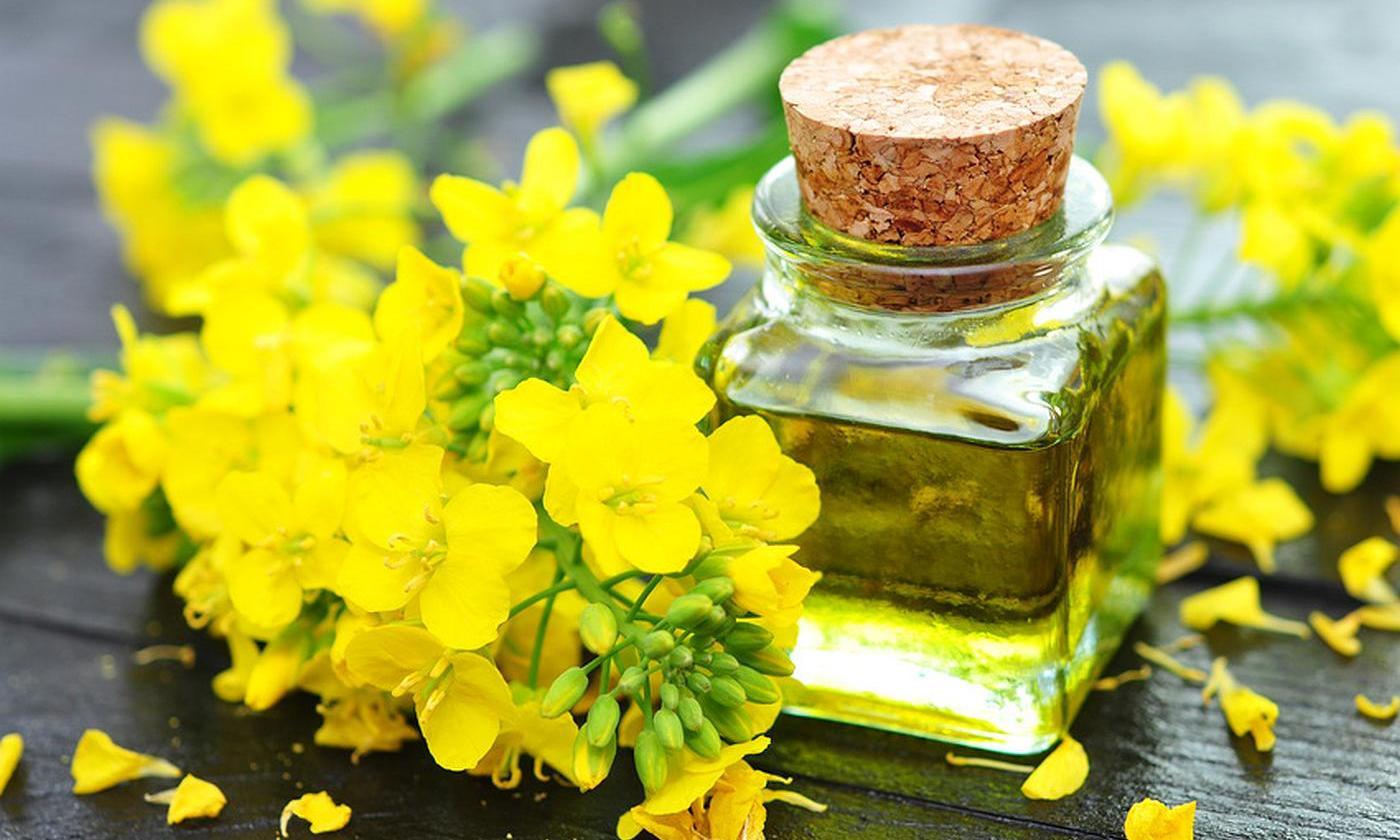
Compound:
- water – 1 liter;
- rapeseed oil – a tablespoon;
- liquid soap – a teaspoon.
Stir the solution and add it to a spray bottle. Treat the plants weekly until they recover.
Tobacco leaves
Tobacco powder or dust is a popular garden pest control product that also has fungicidal properties. Tobacco is used to treat plants with the following problems:
- gray mold;
- powdery mildew;
- Pests: aphids, spider mites.
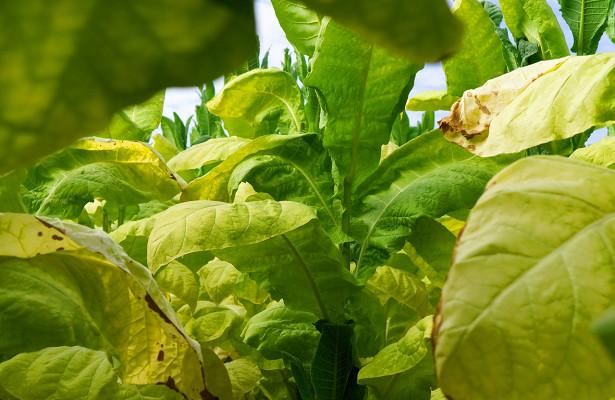
Tobacco leaves crushed into dust are used for plants in several ways:
- dusting leaves and soil with dry powder - 50-150 grams per pot;
- infusion for spraying - a glass of dust per 5 liters of water, kept in a dark place for 48 hours;
- decoction for spraying - 0.5 cups of tobacco is boiled in a liter of water for 30 minutes, filtered, and the same amount of water is added.
Plants are treated with tobacco dust no more than once a month.
Alcohol
Ethyl alcohol (70%) is an excellent antiseptic, killing various types of pathogenic flora. Foliage, stems, and pots are wiped with a cotton swab soaked in the solution. Plants should be treated in a cool place away from direct sunlight. If treated correctly, the leaves will not be burned.
Chrysanthemum flowers
Chrysanthemum flowers contain essential oils and micronutrients with bactericidal and antifungal properties. Neurotoxins inhibit insect activity. To prepare an antifungal solution, make an infusion: place the flowers (0.5 cup dried or one cup fresh) in a thermos and pour a liter of boiling water over them. Let steep for 8-10 hours. Strain, add a teaspoon of soap, and apply with a swab or spray bottle every week.
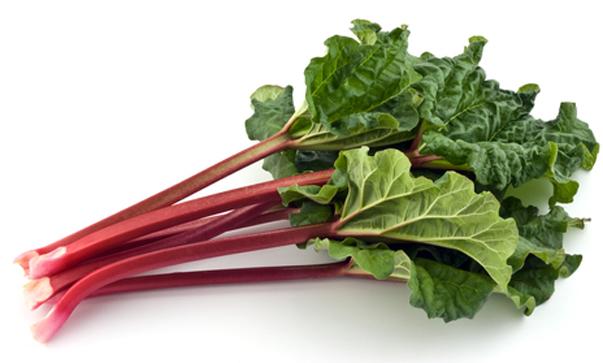
Rhubarb leaves
The plant is considered a powerful pesticide that kills various types of insects and pathogens, including fungi. How to prepare the solution:
- the leaves are finely chopped;
- place in a container, fill with hot water at the rate of one liter per glass of foliage;
- cover the vessel and keep it in a warm place for 24 hours.
After straining, add liquid soap or vegetable oil. Spray once a week until the fungus or insects disappear.
Milk and salt
A solution of salt in a milk-water mixture is considered an effective remedy for powdery mildew, a common fungal disease. To prepare, take a glass of milk and water, and dissolve a tablespoon of salt. Salt is an antiseptic, dehydrating the fungal cells. The milk coats the plant's leaves and stems, creating a protective film.
Cover the soil during treatment to prevent salinization. Spraying is carried out twice a week.
Himalayan pink salt
Pink salt is mined in the Punjab province of Pakistan. It's a rock salt containing a wide range of trace elements, including some with fungicidal properties. A solution of 5 grams of salt per 100 milliliters of water, along with a little liquid soap, is prepared. The soil is covered during application.

Chamomile
An effective antiseptic is made from chamomile. The flowers can be steeped in a thermos (one cup of chamomile per liter of boiling water) for 10-12 hours. A decoction can also be made by steeping it in a water bath for 10-15 minutes. The leaves are sprayed with the infusion, and the soil is thoroughly watered.
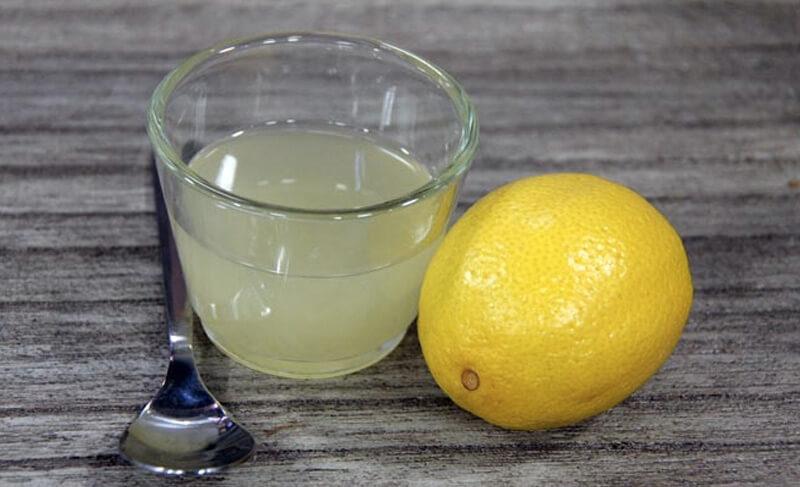
Lemon juice
Lemon contains components that inhibit fungal growth and kill soft-bodied pests. Methods for preparing and using solutions:
- the skin of 5 lemons is infused for 24 hours in 500 milliliters of hot water - the soil under the flowers is poured;
- The juice of 5 lemons is diluted in a glass of water and used to irrigate the plants.
When using sap to irrigate the above-ground portion of the plant, cover the soil to prevent oxidation. Water the soil no more than once a month to prevent root rot.
Natural essential oils
Many essential oils have antifungal properties. They also have insecticidal and antibacterial properties. The most effective against fungus are:
- lavender;
- tea tree;
- clove;
- lemon;
- lemongrass;
- thyme;
- monardas.

Add 4-8 drops of oil to 20 milliliters of vodka, then add 300 milliliters of water. Shake the solution and pour it into a spray bottle. Apply the solution to the plants morning and evening for a week. Be sure to thoroughly water the soil.
Please note that essential oils of coniferous plants are not used against fungus.
Natural laundry soap
72% laundry soap has been successfully used for many years against fungal diseases and insects (aphids, spider mites, caterpillars). The alkaline composition has pronounced fungicidal properties. To prepare it, grate 10-15 grams of soap and dissolve it thoroughly in a liter of hot water. Strain to remove any large, undissolved particles. Spray the solution on plants once it has cooled to room temperature. Laundry soap is also included in other folk remedies to improve their adhesion.

Note: the following types of soap are also effective against fungus: green, tar, sulfur-tar.
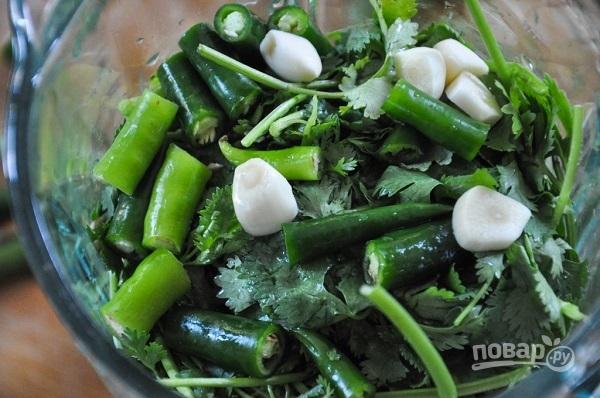
Garlic + mint + pepper
A garlic-based composition is a therapeutic antifungal and preventative remedy. Ingredients and preparation:
- Pour ½ head of garlic, a glass of fresh mint leaves and stems (1/2 cup dried) into a blender bowl;
- beat, add a teaspoon of any hot pepper;
- dilute with a liter of hot water, let it brew for several hours.
Strain through cheesecloth. Before spraying, add soap for adhesion. Treat the fungus every other day.
Liquid soap
A soap made from caustic potash and fatty acids is used. Liquid soap kills pathogenic bacteria and has antifungal properties. It is dissolved in water and sprayed on plants. For treatment, it's best to choose a product with a minimum of cosmetic additives—dyes and fragrances—to avoid harming the plants and attracting insects with its odor. A 1.5% solution inhibits the growth of fungal colonies.
Soda + oil
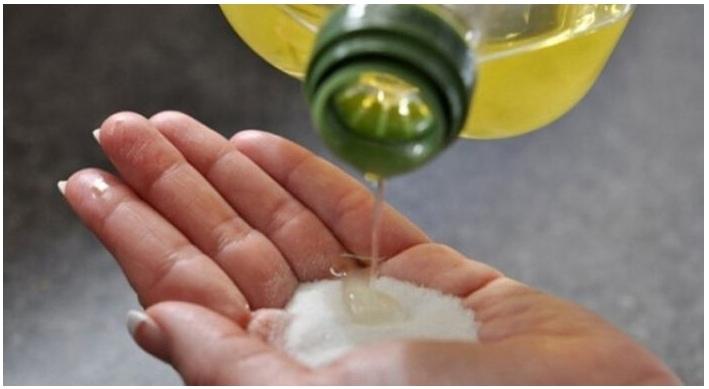
This fungicide utilizes the alkaline properties of baking soda. Mix a teaspoon of oil and sodium bicarbonate. Add a liter of warm water to the container. Apply the fungicide with a spray. Cover flowers and buds during treatment.
Aspirin
Aspirin contains acetylsalicylic acid, which effectively combats fusarium, late blight, and verticillium wilt. Foliar application is best. Dissolve one tablet in a liter of water and stir until the mixture is completely smooth. Spray every 3-5 days until the mold is completely eradicated.
Tips and recommendations for using natural fungicides
Some tips for using homemade fungicides:
- Before spraying the entire plant, test the fungal solution on a few leaves first. If there is no adverse reaction or burn, apply it to the entire plant.
- Treatment against fungus and pests is carried out in the morning or evening, when it is cool indoors or outdoors and there is no direct sunlight.
- The above-ground portion is treated on all sides, the leaves are turned over, and the stems are watered. Do not add saline, highly acidic, or alkaline solutions to the soil; cover the soil. To remove fungus from the soil, use gentle solutions.
When working, take precautions – many compounds can be hazardous to your hands and should not be inhaled. Wear a mask and gloves. Homemade fungicides are an alternative to chemical fungal treatments. Attentive homeowners who detect fungal infections early can use traditional methods to treat their plants. Home remedies are also used for prevention.
Related posts:
 Instructions for using green soap against plant pests and its composition
 The best eggplant varieties for growing in a polycarbonate greenhouse: planting and care
 How to control aphids on cucumbers using folk remedies, what to treat and spray with
 Causes and treatment of eggplant pests and diseases, how to combat them at home
 How to control onion flies using natural and chemical methods
 How to combat powdery mildew on onions using folk and chemical remedies
 How to control aphids on cabbage using traditional methods and non-chemical treatments
 Is it possible to soak treated cucumber seeds before planting and how to do it correctly?