
Onions are one of the most widely grown agricultural crops. They are susceptible to weeds, which can completely destroy the entire crop, as they are very sensitive to any external influences in the early stages. Weeding is effective, but it is unprofitable for large-scale crops. Specialized onion herbicides can help in this situation.
What weeds affect onion crops?
During the first stage of development, seedlings are particularly sensitive to weeds. They emerge as thin, weak "loops," while stronger, rapidly growing grasses can literally "crowd out" the fragile sprouts.
In nature, there are hundreds and thousands of plants that harm onion crops and plantings. Commonly encountered plant pests include the following:
- Cereal perennials: couch grass, reed.
- Annual cereals: barnyard grass, blue foxtail, crabgrass and dozens of others.
- Dicotyledonous perennials: field bindweed (birch) and sow thistle, bristly thistle.
- Dicotyledonous annuals: shepherd's purse, amaranth, chamomile, purslane and dozens of other varieties.
To preserve the harvest, it's necessary to use not only weeding but also systematically apply herbicides. Their application requires a number of subtleties, and it's important to select the right herbicide for the plant's developmental stage.
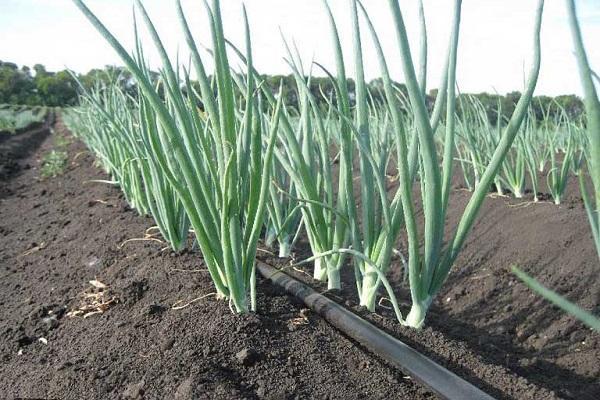
The best means
Before planning the use of herbicides, it's important to select the most suitable product for specific conditions. Each product has its own specific target, meaning it works against specific plants. This means choosing herbicides that will effectively control the weeds infesting a specific field or group of plots.
Demeter
This is a systemic herbicide designed to control annual broadleaf weeds and some root-suckering perennials.
Take a look Also


Pros:
- Effective against persistent dangerous plants: knotweed, dodder, bedstraw.
- Can be used against secondary emergence of bedstraw.
- Extensive processing times.
- Has no aftereffect.
Cons:
- the effect is reduced by drought.
Goal 2E
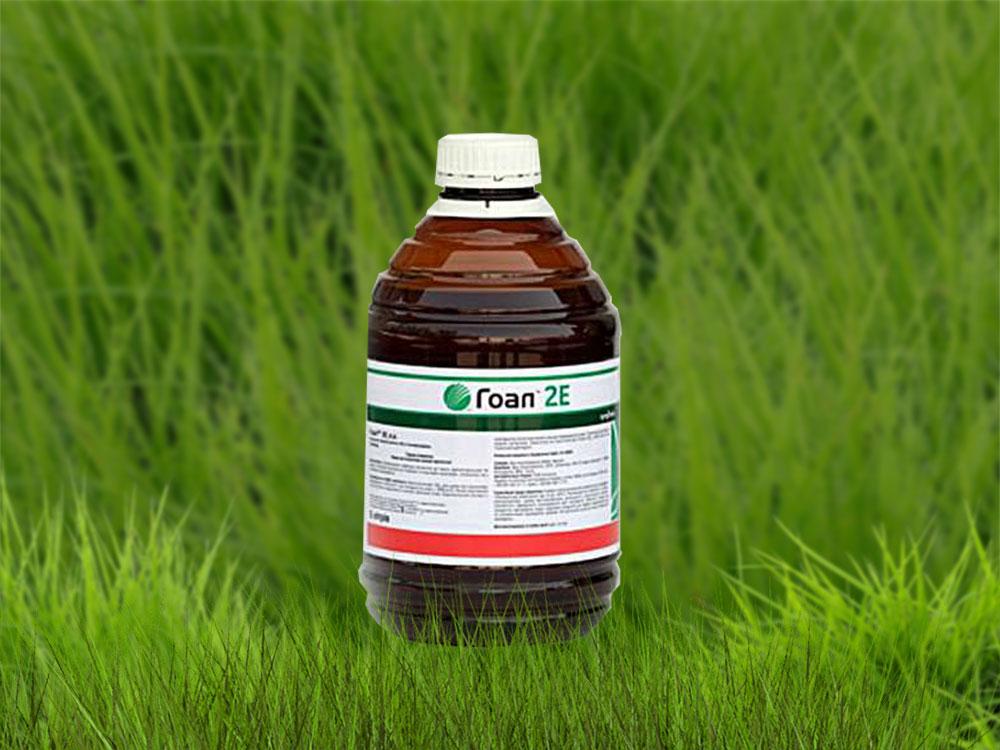
Pros:
- Destroys dicotyledonous annuals.
- Does not affect crop rotation.
- Long time interval of application.
Cons:
- should not be used in conjunction with herbicides that “work” against cereals.
"Cobra"

Pros:
- Broad spectrum of action against annuals and cereals.
- Does not require embedding in the ground.
- Does not limit the choice of crops for crop rotation.
- Provides long-lasting protection.
Cons:
- quite a high cost.
Aksifor
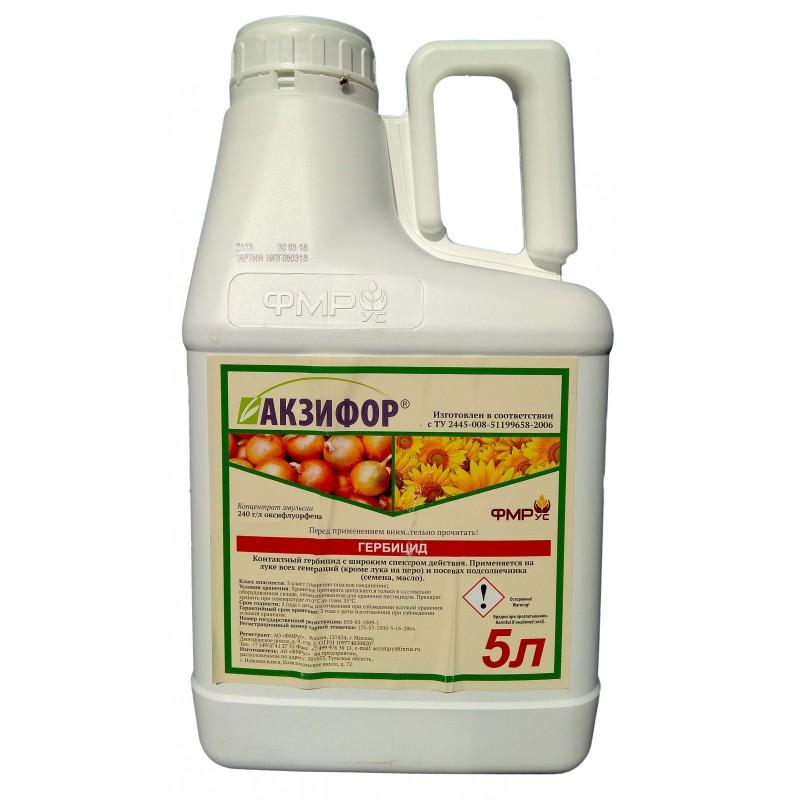
Pros:
- Contact herbicide.
- Does not negatively affect cultivated plants.
- In the early stages of vegetation it gives an advantage to seedlings.
- Can be used in tank compositions with other preparations.
- Does not affect crop rotation.
Cons:
- significant price.
Zlakoff
Pros:
- Controls all types of cereal pests, including persistent ones such as couch grass and pigweed.
- Exceptionally high speed of action.
- Safe for crop plantings.
- Decomposes in soil.
- Does not affect subsequent crops.
Cons:
- rarely found on sale.
"Legionary"

Pros:
- A selective agent for the destruction of annual and perennial cereals.
- The drug has a long period of action – up to 60 days.
- Can be used starting from the germination phase.
- Precipitation occurring a couple of hours after treatment does not affect its effectiveness.
Cons:
- When used in combination with other products, compatibility testing is required.
Bagheera
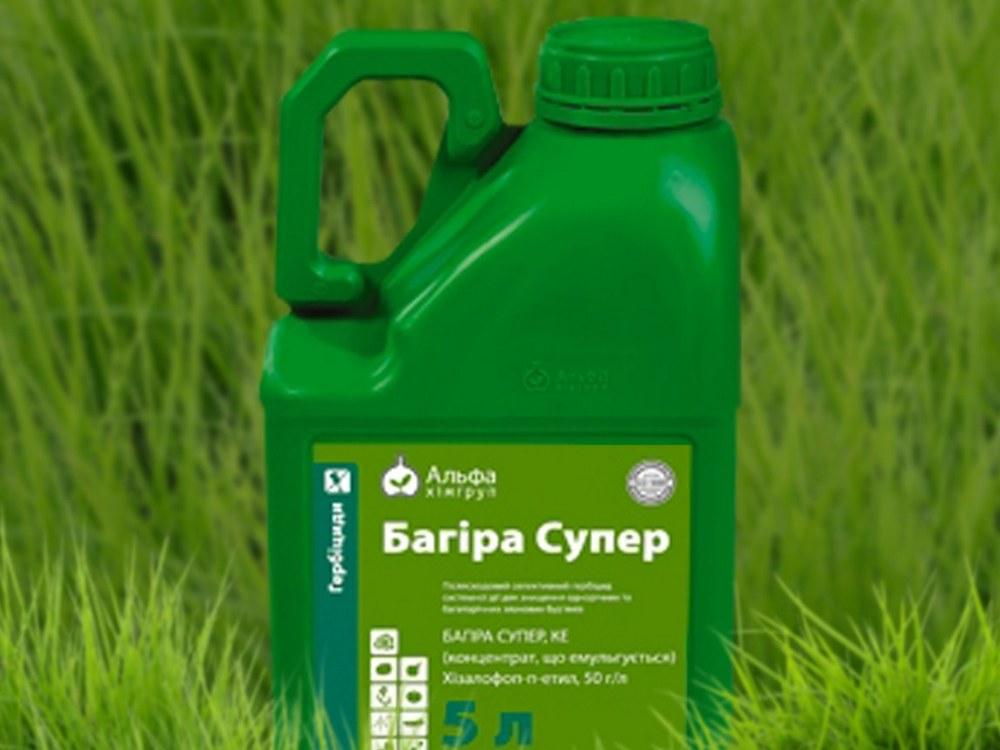
Pros:
- Destroys roots and rhizomes of perennials and annuals.
- Effective at various temperatures.
- Non-phytotoxic.
- Does not affect crop rotation.
Cons:
- has no effect or only a slight effect on dioecious plants.
"Lemur"
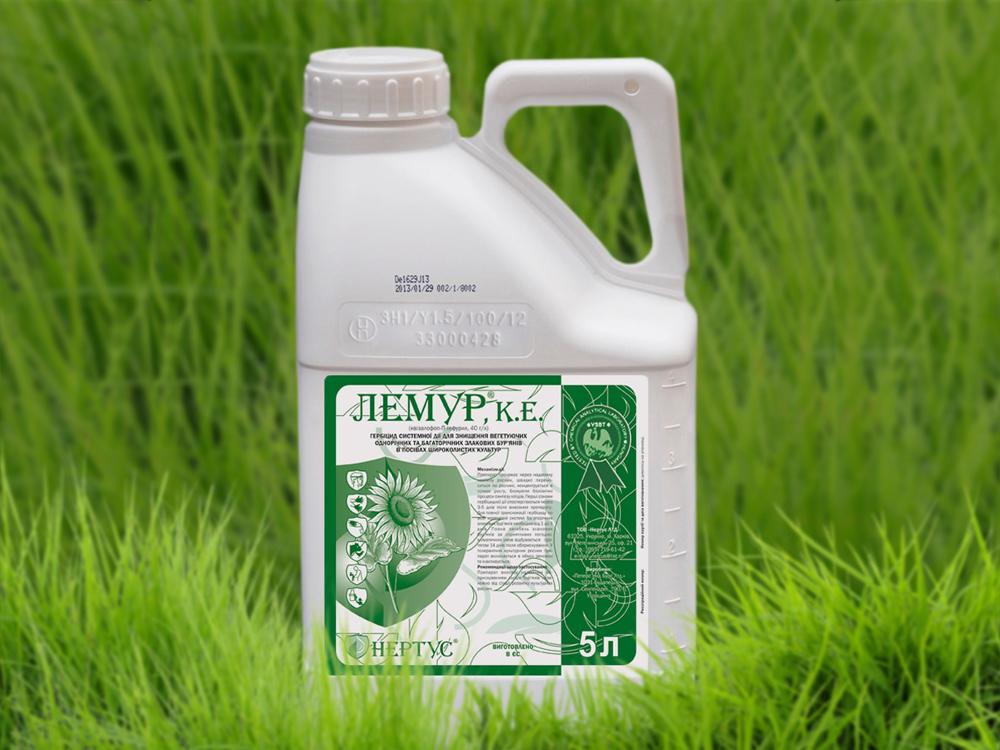
Pros:
- Within an hour it penetrates all parts of the growing plant.
Cons:
- incompatible with alkaline compounds.
Zlakterra

Pros:
- It is intended for the destruction of cereal perennials and annuals.
Cons:
- does not cope with other weeds (has a selective effect).

Graminion

Pros:
- Effective on most annuals and perennials.
- Mixed in tanks with weed killers.
Cons:
- not specified at the moment.
Galligan

Pros:
- Used before and after emergence.
- Destroys annual cereals.
Cons:
- selective agent for the destruction of broadleaf cereals.
Gaitan

Pros:
- Pre-emergence herbicide against annual cereals and dicotyledonous plants.
- Long term protection.
Cons:
- the need to carry out treatment before emergence.
Which product is better to buy?
To get rid of pesky pests and achieve a full onion harvest, a comprehensive approach is essential. This means using a combination of systemic and selective pesticides.
For example, in the spring, before planting turnips, it's worth treating the fields with a systemic herbicide to kill overwintered rhizomes and germinating seeds. This approach will give the onion seedlings a head start—they'll develop evenly and receive adequate nutrients, moisture, and sunlight.

Then we need to move on to using specialized, selective herbicides that will destroy plants that threaten the crops at this particular stage.
The nuances of using preparations on onion plantings
Fields are treated with systemic herbicides in the fall and spring. Weeds emerge before onion plants, so spring "cleaning" eliminates most annual and the vast majority of perennial pests.
Pre-emergent treatment dries out weeds, allowing crops to grow. To avoid damaging turnips or green onions, timing is crucial. Onions should have 3-4 fully developed, mature leaves. These leaves are covered in a waxy layer that protects the plant from the treatment, while killing the weeds.
Related posts:
 Description of the best varieties of onions, planting and care in open ground
 50 types and varieties of perennial onions with descriptions, cultivation, and care
 Control of onion pests using chemical and folk remedies
 Description of Welsh onion varieties, planting, growing, and care in open ground
 How and when to plant onions to get large bulbs
 The beneficial properties of white onions, description of varieties, cultivation and care
 Description of varieties and cultivars of wild onions, the subtleties of cultivation
 Description of the Exhibition onion variety, growing from seedlings, planting and care

Why you can't work with onions for feathers
When using any product, including herbicides, certain rules must be followed. First and foremost, this involves flooding (spraying) a specific area. A herbicide is a poison, after all. If used incorrectly, it will cause harm rather than benefit. The plant exposed to the product may react in any number of ways. In fact, you won't rid your onions of weeds; you'll only ruin them. And you won't get the expected harvest.