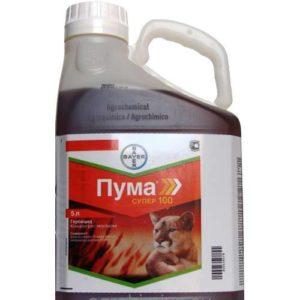
Weed control is essential for a bountiful harvest. Using herbicides against hogweed helps solve the problem. To combat this dangerous plant, it's important to choose the right product. Many products with different formulations and modes of action are available on the market. Carefully read the instructions before purchasing.
How to control hogweed with chemicals
Gardeners recognize herbicides as an effective method for controlling hogweed. Chemical spraying is carried out during the weed's peak growth period—at the turn of spring and summer. During this period, the seeds are not yet ripe, making treatment easier. This reduces the risk of burns.
Agronomists recommend spraying herbicides twice, with an interval of about a month between applications.
The best herbicides for hogweed
Many effective products have been developed to combat hogweed. Before use, read the instructions and do not exceed the stated application rate.
"Tornado"

The herbicide's effect begins within two weeks. The hogweed first turns yellow and then dries up.
"Tornado" has no effect on hogweed seeds. Gardeners consider this property to be the product's main drawback.
Deimos
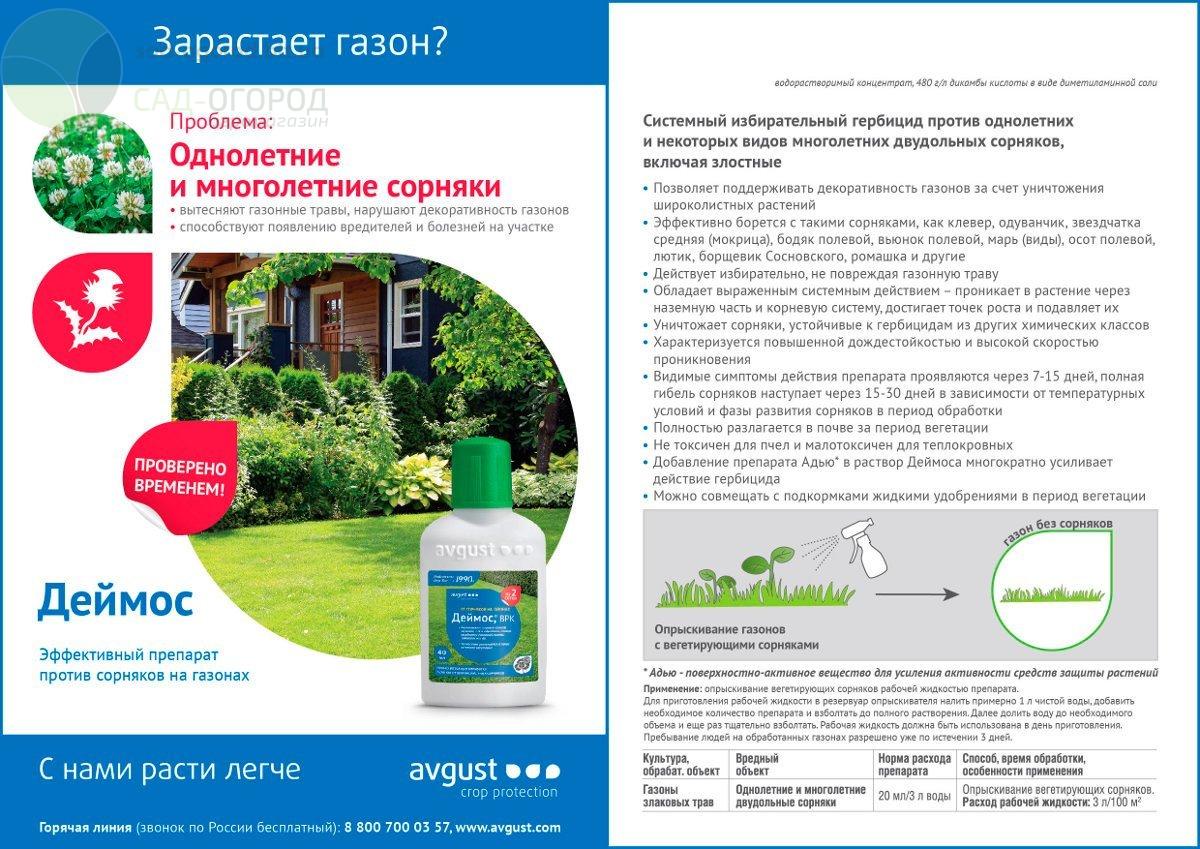
This systemic product combats not only hogweed but also other weeds. Results after spraying are visible within a week, or two at most. Weather conditions affect the speed of action.
Hurricane Forte

The herbicide is most effective when applied to the green parts of hogweed. The chemical is ineffective on dried foliage, branches, and seeds. The first results appear within 9 days, and the weeds are completely killed within 3 weeks.
The drug is recommended for use only in windless weather, which does not suit many gardeners.
Glyphosate

Glyphosate takes longer to produce results than other herbicides. Weeds are completely killed within a month. The yellowing of the foliage indicates the onset of the product's effects.
When working with the drug, use protective equipment to avoid negative effects on the body.
Sprut Extra

The effect appears after almost 2 months, but one spraying session is enough for the season.
"Sprut Extra" is compatible with any pesticides except alkaline solutions.
Glyphor
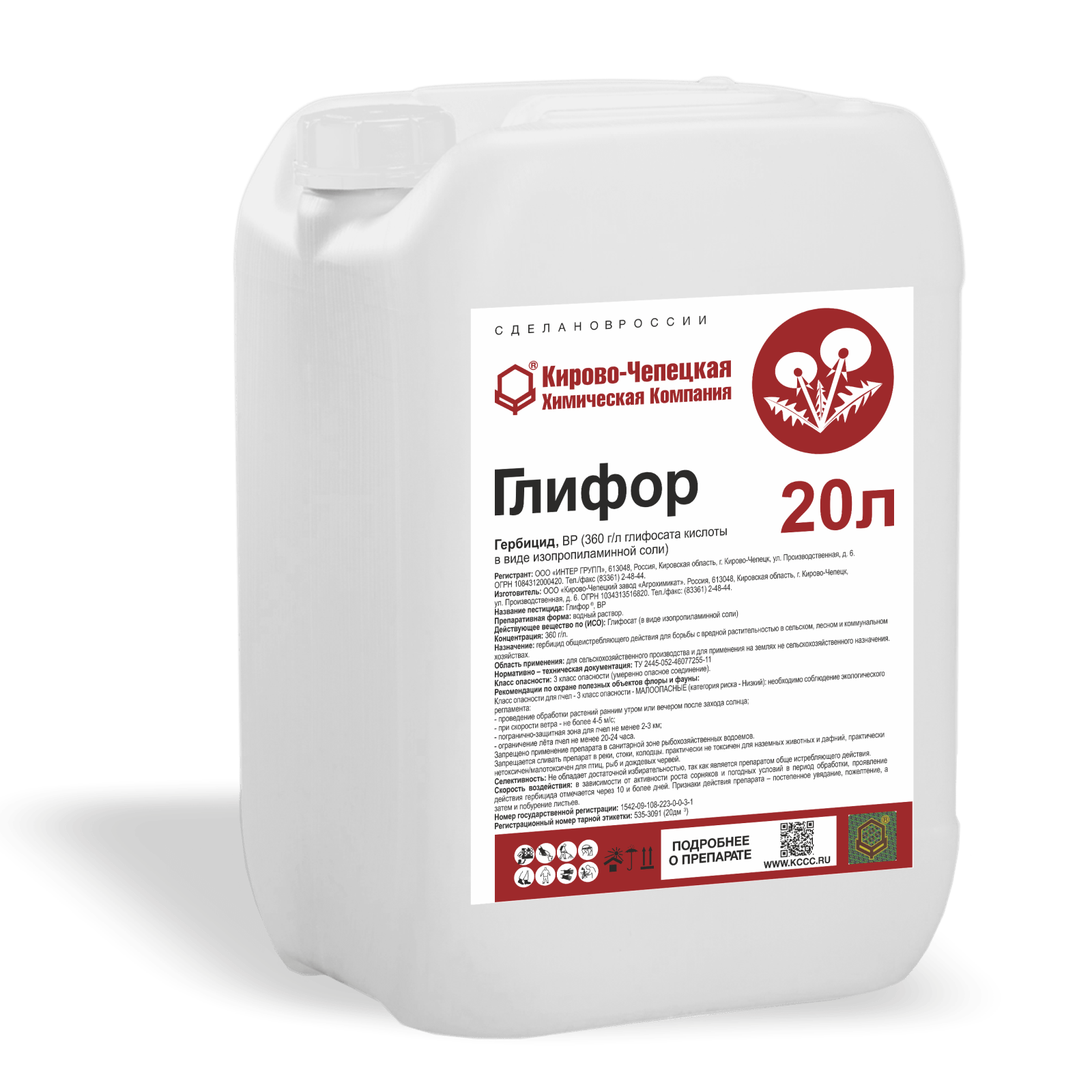
The first results from using Glyphor are observed after 10 days, and the full effect appears within 3 weeks.
After 7 days, the area treated with Glyfor is already suitable for planting.
Dr. Klaus Weed Control Concentrate
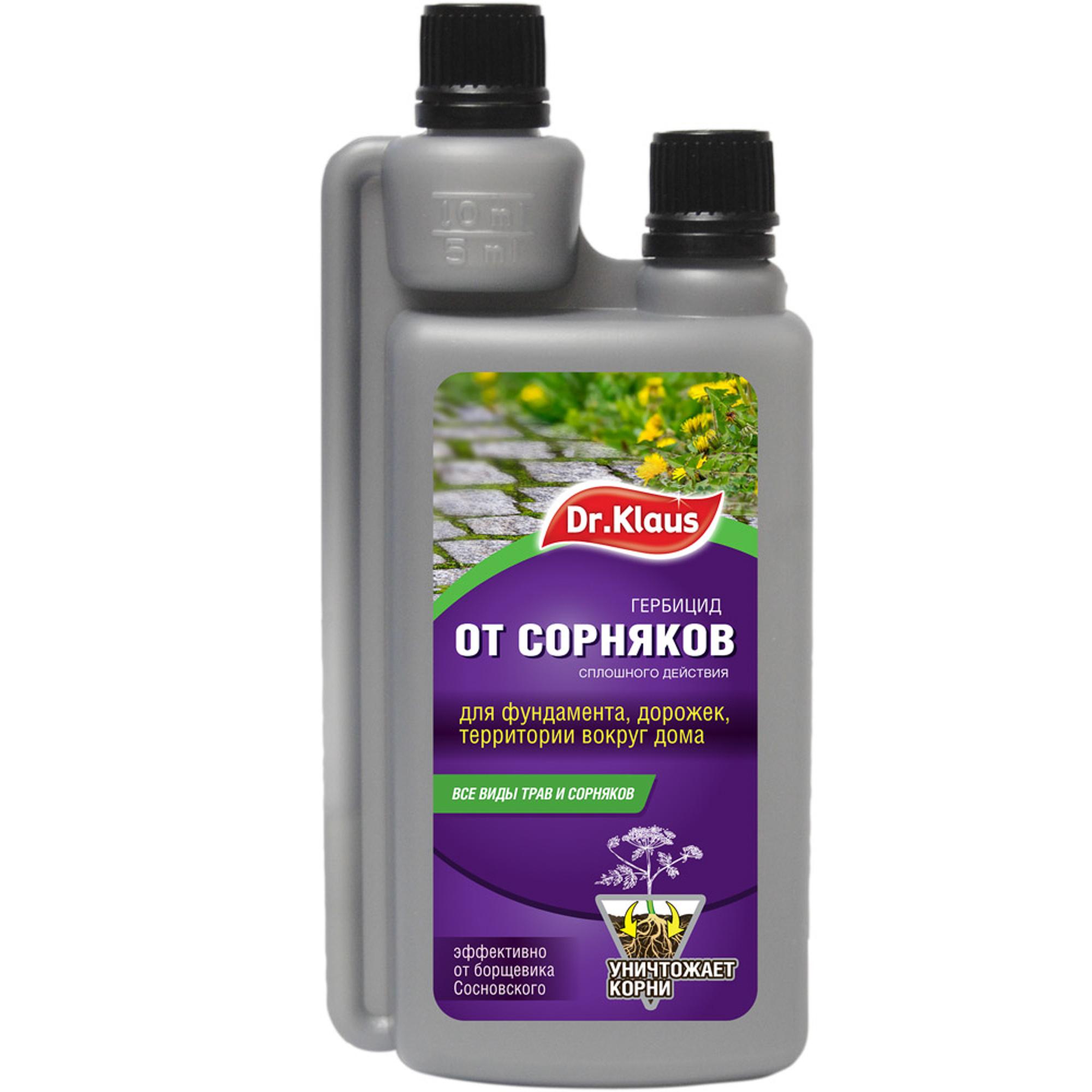
The herbicide completely destroys hogweed in 2-3 weeks.
The inconvenience is that you must not go to the area where Dr.Klaus was sprayed for 3 days.
Agrokiller

This highly concentrated product eliminates hogweed from your plot in just one season. The weed dies within two weeks.
Before spraying, it is also necessary to cover the plantings to protect them from the herbicide.
Take a look Also

Ground from hogweed

The drug is effective against many types of weeds.
Treating hogweed with Ground results in the death of the weed within 10 days.
Roundup
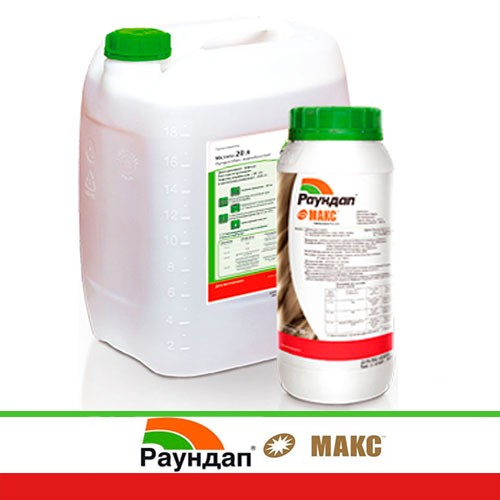
The herbicide controls harmful weeds in just one week.
Roundup does not disturb soil fertility.
Methods of treating weed growth
Several methods have been developed to combat hogweed:
| Methods | Brief description |
| Digging or mowing | Weeds are removed mechanically before inflorescences appear. |
| Getting rid of seed pods | The flowering parts are covered with a bag, cut off and destroyed. |
| Using mulch | The area with hogweed is covered with an airtight material. The weed is first mowed down. |
| With the help of fire | The undergrowth is burned out |
| Substitution | They are displaced by other crops. Jerusalem artichoke, potatoes, and other plants are suitable. |
| Folk recipes | Salt is scattered over the contaminated area and mixed with soil. |
| Use of chemicals | Spray the preparations |
The most effective method is considered to be the use of herbicides.
Prevention of occurrence
To prevent hogweed from appearing in your property, conduct regular inspections. Young weed shoots should be destroyed immediately. The area with the growth should be immediately treated with herbicides or dug up. These measures will prevent the spread of the harmful plant.
Herbicides help successfully eradicate hogweed. It's important to follow the instructions carefully and avoid deviations in dosage. One or two treatments per season will ensure maximum effectiveness.
Related posts:
 The best eggplant varieties for growing in a polycarbonate greenhouse: planting and care
 Descriptions of the top 13 herbicides for onions and which one is best to buy
 TOP 30 best varieties of cold-resistant cucumbers with descriptions and characteristics
 Is it possible to plant carrots in July or at the end of June? What are the best days and care instructions?
 Descriptions and characteristics of the top 7 herbicides for wheat and application rules
 How to propagate and grow peas, cultivation technology, and care in open ground
 Top 40 Best Cabbage Varieties with Descriptions and Characteristics
 Description of the best potato varieties of domestic and foreign selection