
- Selection of varieties and cultivation regions
- Advantages and disadvantages
- Features and characteristics of the Packham pear
- Tree size and annual growth
- Branching of the root system
- Fruiting
- Cyclicity
- Flowering and pollinators
- Fruit ripening time
- Productivity and taste
- Application of pears
- Drought and cold resistance
- Immunity to diseases and pests
- Features of planting
- Deadlines
- Site selection and soil preparation
- Tree planting patterns and rules
- What care does the Packham variety require?
- Optimal conditions for growing
- Watering and fertilizing
- Pruning and crown shaping
- Whitewash
- Diseases and pests: preventive treatments
- Preparing for the winter period
- Methods of reproduction
- Gardeners' reviews
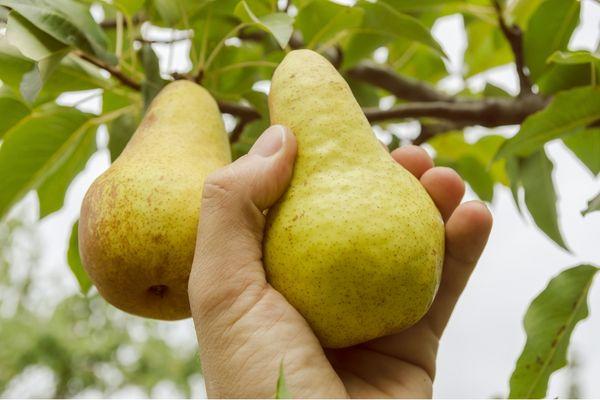
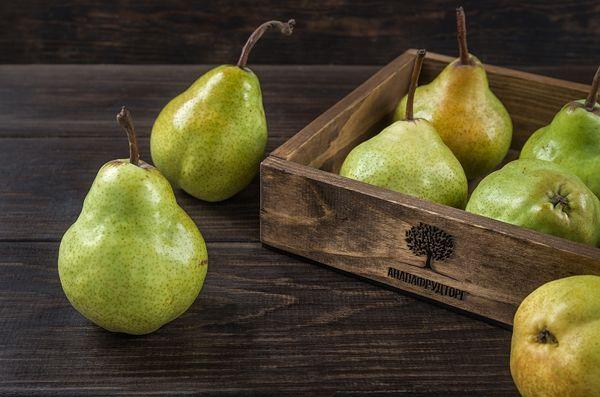
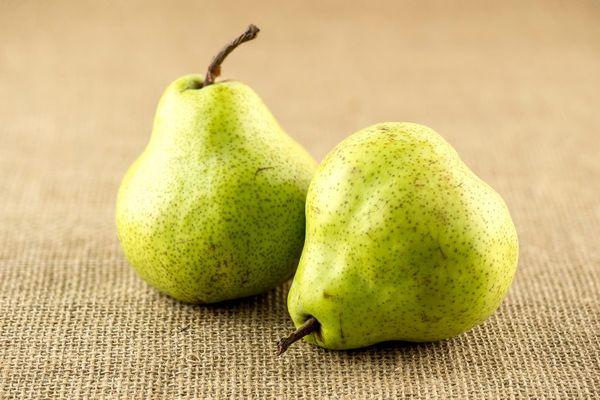
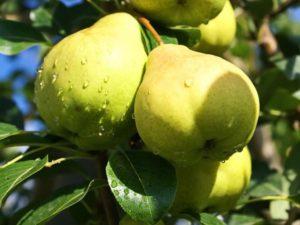
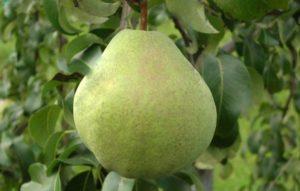
The Packham pear has an unusual bumpy surface, producing large, aromatic, greenish-yellow fruits. Beneath the thick skin lies tender, juicy, light cream-colored flesh with dense, rock-like structures. Its sweet and sour flavor and low calorie content make the Packham pear a favorite treat for both children and adults.
Selection of varieties and cultivation regions
The Packham pear was developed from the Bartlett variety, developed by Australian breeder Charles Packham. After improving its characteristics, Australian breeder Charles Henry Packham popularized the new variety under the name Packham, which has gained popularity worldwide.
Advantages and disadvantages
The main benefit of the Packham pear is its ability to remove toxins and heavy metals from the body. Due to its low calorie content, Packham pears are used during diets and are included in the diets of obese patients. Other benefits of this variety include:
- pectin contained in the pulp reduces cholesterol levels in the blood;
- fiber has a beneficial effect on the gastrointestinal tract;
- contains vitamins B1, B2, C, A, folic acid and beta-carotene;
- Flavonoids are a means of preventing cardiovascular diseases;
- The fruits have a dense skin and tolerate transportation well.
The disadvantages of this variety do not relate to the fruits, but to the growing conditions:
- the variety is grown in a climate zone where there is no cold, and the trees will not tolerate frost;
- susceptibility to disease, weak immunity;
- often attacked by pests;
- Not everyone likes the stony inclusions in the pulp.
Features and characteristics of the Packham pear
Before purchasing a seedling, study the characteristics of the variety.
Tree size and annual growth
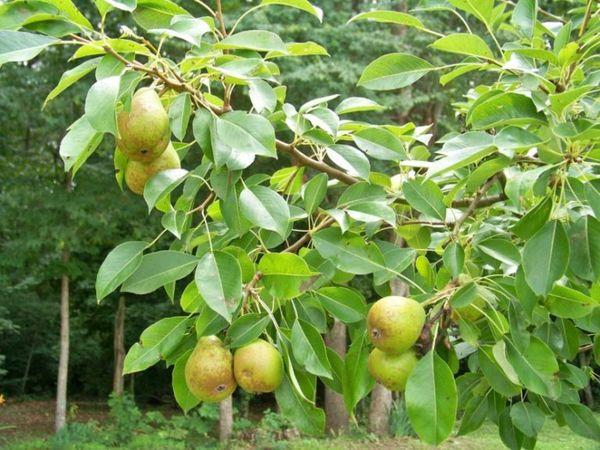
The tree has a pyramidal shape when young, later taking on an irregular form due to the branches bending downward under the weight of the harvest. A seedling of at least 1.5 m is suitable for planting, and a mature tree reaches a height of 3-3.2 m. The pear tree grows quickly, reaching its maximum size at eight years.
Branching of the root system
The root system of a young tree is underdeveloped. In the first year, roots grow 20-30 cm deep and spread out to 70 cm.
Fruiting
The tree begins to bear fruit in the 4th-5th year, maintaining a stable yield for 20-30 years with regular and proper care.
The lifespan of the Packham pear variety is 80 years.
Cyclicity
Flowering in the south of Russia begins in April, fruits are set in June, and the harvest is collected in August - early September.
Flowering and pollinators
The Packham variety is not self-pollinating. To ensure a good harvest, plant other pear varieties nearby. A close relative of the Williams variety, to which Packham belongs, is the Duchess Summer. Other suitable varieties include Olivier de Serres, Klappa's Favorite, and Lesnaya Krasavitsa.
Fruit ripening time
The Packham variety cannot be grown in temperate climates, as the trees are frost-intolerant. In subtropical climates (Crimea, Krasnodar Krai), the harvest is in late autumn.
Productivity and taste
The average yield is 30-40 tons per hectare. One mature tree produces 80-150 kg per season. A unique feature of this variety is that the fruit's best flavor develops some time after harvesting.The pear should be stored at a temperature of 0-1 C, then the skin loses its toughness, and the pulp becomes juicy.
Application of pears
The Packham pear is very popular in Australia as a stand-alone dessert, served with ice cream. Due to its medicinal properties, it is also eaten on its own and dried for infusions.
Drought and cold resistance
The tree's roots don't like overwatering. The minimum groundwater depth should be at least 2.5 meters. The Packham variety doesn't tolerate cold, especially frost. In southern Russia, before the onset of cold weather (there are no frosts there, the average January temperature is +3 to +5). C) the soil around the pole is loosened, fertilized and mulched.
Immunity to diseases and pests
The Packham pear variety has a weak immune system, making the tree susceptible to fungal and infectious diseases and insect attacks.
Features of planting
Before boarding, study the basic rules of the procedure.

Deadlines
The seedling is planted before the buds open. This period occurs between late March and early April. The gardener chooses the timing based on weather conditions. Fall planting is less recommended because the seedling has a harder time establishing itself and is susceptible to freezing during the winter.
Site selection and soil preparation
The Packham pear doesn't like overwatering. Choose a site that's well-lit but sheltered from the wind. This heat-loving plant doesn't tolerate low temperatures. Lowlands, peatlands, and sandy soils are unsuitable for growing the Packham pear.
Tree planting patterns and rules
A shallow hole, no deeper than 1 meter, is dug for the seedling. The excavated soil is mixed with manure and mineral fertilizer. Two buckets of water are poured into the hole. The tree is planted after being soaked overnight in a root growth stimulant solution (Heteroauxin or Kornevin). When planting, the roots are covered with the soil mixture up to the root collar.
What care does the Packham variety require?
The health of the tree depends on proper care.
Optimal conditions for growing
In southern Russia, Packham pears should be planted in the spring, after the threat of frost has passed. In the Krasnodar and Stavropol regions, and in Crimea, the weather is unstable in March, but in April, the seedlings take root and grow well.
Watering and fertilizing
The Packham variety thrives on mineral fertilizers. They are applied at least three times. In the spring, nitrogen fertilizers and cow manure, preferably rotted over the winter, are used. Suitable fertilizers for pears include Master 20.20.20, Fertika Universal-2, Standard NPK, and Master-Agro.
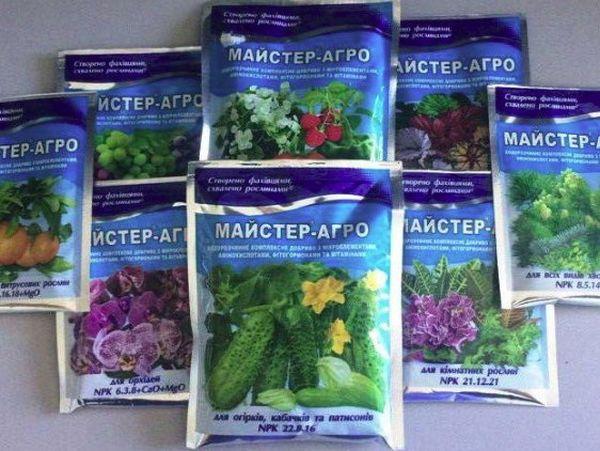
In the fall, nitrogen fertilizers are replaced with potassium-phosphorus fertilizers (potash, potassium sulfate, and potassium sulfate). Bone meal and phosphorus meal will help the trees survive the winter better.
After rain, the soil is loosened to prevent a crust from forming and the roots from rotting.
Pruning and crown shaping
Pruning is a preventative measure against fungal diseases. It is performed in the spring before bud break. Using pruning shears, dry, damaged, and old branches are removed. Stumps are not left, and the cut areas are sealed with garden pitch.
Whitewash
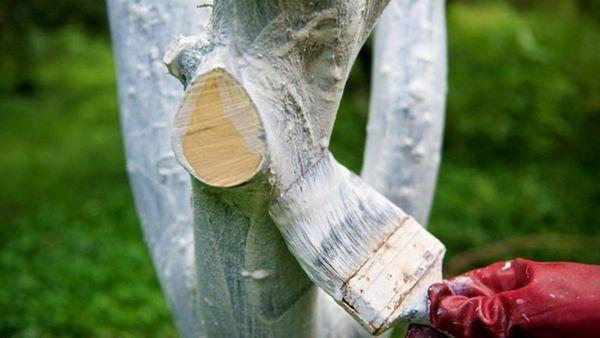
Whitewashing is necessary to protect the bark from the damaging effects of sunlight. Whitewashing can be done in early spring or summer. It is not recommended in the fall, as the whitewash will wash off over the winter.
Diseases and pests: preventive treatments
Most often, the Packham pear variety is subject to the following problems:
- Scab. Initially, brown spots appear on the fruit, which gradually harden. Over time, these spots crack, impairing the fruit's appearance. They become unmarketable.
- Fruit rot. The fruit rots right on the branch, becoming covered with round, light-colored growths of fungal spores. The fruit becomes inedible, and the spores are carried to neighboring trees.
- Black canker. Spores attack the bark and skeletal branches, causing cracks with brown spots along the edges. Gradually, the bark splits, the trunk becomes bare, and the tree dies.
Control measures include removing affected fruit and spraying trees with Horus, Abiga-Peak, and Bordeaux mixture. Mineral fertilizers are applied to the tree's trunk area to boost its immunity.
Preparing for the winter period
In the fall, when the tree sheds its leaves, the trunk circle is dug up and potassium-phosphorus fertilizers are added (superphosphate, Kalimag, potassium chloride, potassium sulfate, nitroammophoska, potassium monophosphate, bone meal).
Before finishing gardening and field work, the soil around the pear tree is dug over, adding ash and mulched. Spruce branches and spunbond are laid on top for insulation.
Methods of reproduction
Varietal seedlings should be purchased from a specialist store. The Packham pear is not cultivated in the CIS countries, and its propagation methods are not fully understood.
Gardeners' reviews
Alina, 45: "Pakham pears are tasty, large, and can be stored in the cellar until November. However, they require care and are quite demanding. They need to be treated for diseases several times a season, and regular monitoring is necessary to ensure the soil doesn't become overwatered."
Sergey, 60: "In winter, trees need insulation. Mulching alone isn't enough. The trunk also needs to be insulated with spunbond, wrapped all the way to the skeletal branches. Otherwise, a drop in temperature of even one degree below zero can result in the death of the tree."
Valentina, 56: "The pears are unusual in shape. They're not particularly attractive, they're very lumpy. They're also quite firm to the taste. But they ripen well on their own if you let them sit on the windowsill for a week rather than eat them immediately after purchase."
Related posts:
 Description and characteristics of the 45 best pear varieties, how to choose
 Description and full characteristics of the Yakovlev Memory pear variety, planting and care
 Description of the Abbot Vettel pear variety and the subtleties of growing it
 Description of the 23 best pear varieties for the middle zone, planting and care rules
 Description and characteristics of the Marble pear variety, pollinators and cultivation subtleties
 Description and full characteristics of the August Dew pear variety, planting and care
 Description and subtleties of growing the Efimova Elegant pear variety
 Description of the Rogneda pear variety, planting and care instructions