A bountiful and high-quality harvest in the garden is the result of careful planting planning and adherence to crop rotation rules. Beginning gardeners should know what can and cannot be planted after potatoes the following year. This crop is in high demand as one of the most important components of a nutritious diet, as well as a raw material for the production of processed foods, alcohol, and starch.
What is crop rotation?
Growing the same crop in the same spot for several years in a row leads to adverse consequences. Over time, the soil becomes depleted and begins to harbor pests and plant pathogens. To avoid this, follow crop rotation rules and plant crops in different beds the following season.
Crop rotation is a scientifically based alternation of agricultural crops in a given area and over time.
There are several compelling reasons why it is necessary to adhere to it:
- reducing the level of soil contamination by pests, diseases and weeds;
- improving the structure of the arable soil layer;
- saturating the soil with essential nutrients.
Some plant species obtain nutrients from the lower soil layers, while others obtain them from the upper soil layers. Planting different crops in the same spot each year will ensure healthy soil and more efficient nutrient utilization.
Is it possible to plant potatoes after potatoes?
It's recommended to plant potatoes in the same plot at intervals of 3-4 years. If the plot is small, it's best to grow this crop for no longer than three years.
It is important to follow the rules designed to improve the quality of the harvest:
- To compensate for the nutrients taken from the soil by potatoes, it is necessary to add mineral and organic fertilizers to the soil;
- To protect against diseases and pests, carry out mandatory soil disinfection procedures;
- To ensure that the soil freezes and to destroy pests and signs of disease, immediately after harvesting, dig up the soil and turn over the layer;
- After the soil warms up in spring, add compost or humus, and then dig up the soil again.
After harvesting early potato varieties, it is recommended to plant green manure crops, which will improve the soil quality and help prepare it for subsequent plantings.
List of crops that can be planted after potatoes next year
In order to select suitable crops for planting in a place where potatoes were grown, the peculiarities of rotation should be taken into account.
According to crop rotation rules, all agricultural crops are divided into four groups. The table below provides examples and key characteristics.
| Leafy | Spinach, cabbage, lettuce, green crops | They are highly sensitive to nitrogen content in the soil |
| Fruit | Zucchini, eggplant, pumpkin, pepper, cucumbers | Require sufficient amounts of phosphorus in the soil |
| Roots | Potatoes, carrots, onions, beets | Provides a good harvest provided the potassium content is high |
| Legumes | Beans, soybeans, lentils, peas, lupines | They actively saturate the soil with nitrogen, thereby ensuring a full crop rotation |
During the growing season, potatoes draw large amounts of potassium and phosphorus from the soil. Therefore, after harvesting, the tops need to be removed and fertilizer added.
To restore the soil's nutrient balance and allow it to rest, it is recommended to sow the area with green manure crops such as mustard, alfalfa, phacelia, rapeseed, oats, lupine, or peas.
In addition, the following crops grow well the following year after potatoes:
- radish;
- radish;
- spinach;
- salad;
- beet;
- cabbage of any variety;
- cucumbers;
- onion;
- garlic;
- peas;
- beans.

What shouldn't be planted after potatoes?
The following year after potatoes, you cannot plant:
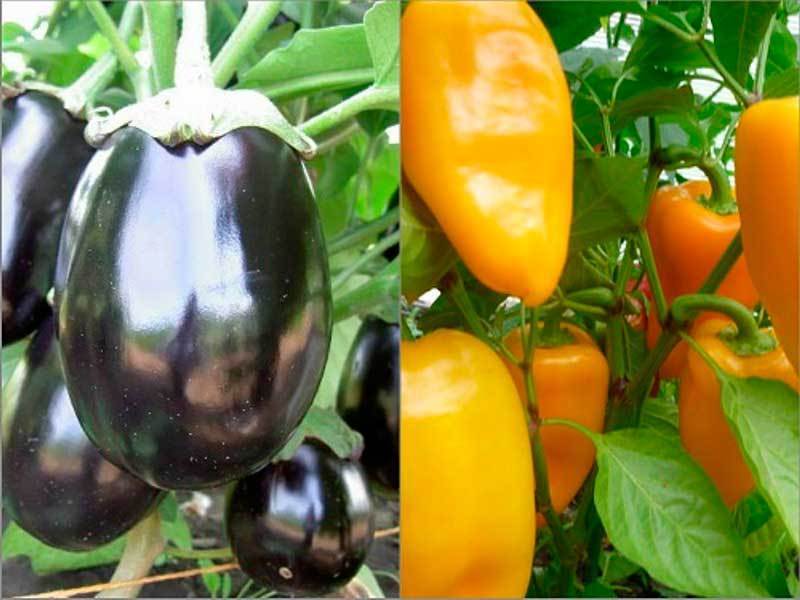
- eggplants;
- tomatoes;
- physalis;
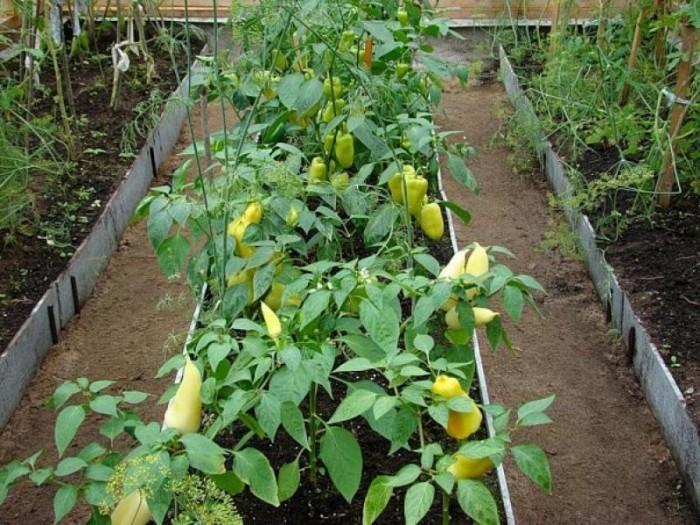
- pepper.
This ban is due to the fact that all plants in the Solanaceae family are susceptible to the same diseases and pests. Planting them encourages the accumulation of macrosporiosis and late blight spores in the soil.
Sunflowers, watermelons, and melons should also be avoided. Strawberries and wild strawberries should be planted in a former potato patch no sooner than 3-4 years later.
What can be planted nearby?
Beneficial plant neighborhoods help to cultivate vegetable crops in the best possible way thanks to the following advantages:
- preventing the accumulation of hazardous substances in the soil;
- effective control of pests and diseases;
- improving the absorption of fertilizers.
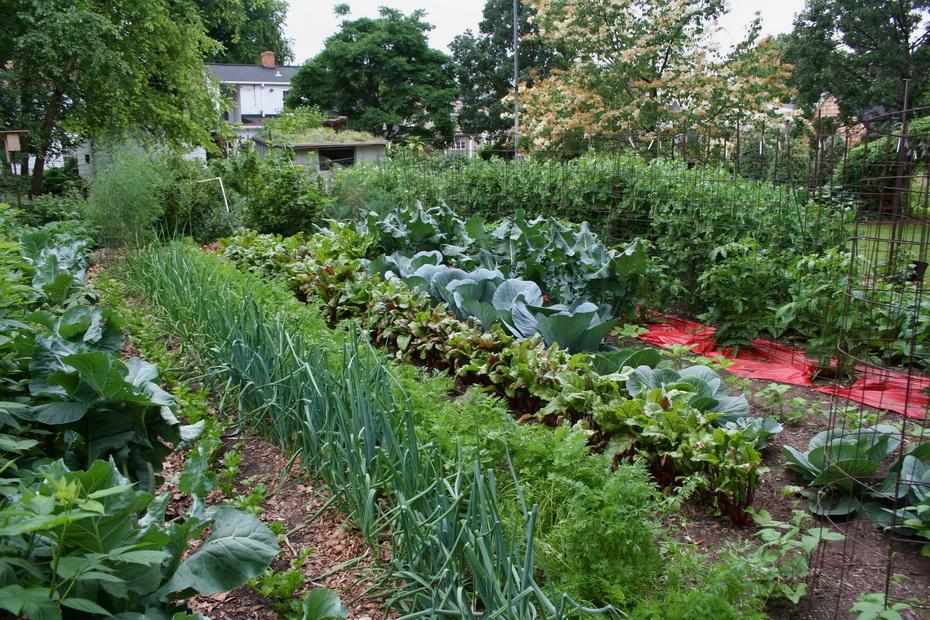
Near the potatoes in the garden there should be plants with which they have a mutually beneficial effect.
Among them:
- cabbage;
- eggplants;
- beans;
- corn;
- onion;
- horseradish;
- spinach.
It is also recommended to plant flowers in your garden plot, which will not only become beautiful companions for your potatoes, but will also protect them from numerous pests.
First of all, you need to pay attention to the following options:
- Marigolds planted between rows prevent the development of fusarium, and also protect against cabbage white butterfly, weevil and onion fly;
- Nasturtium effectively fertilizes the soil and also protects against whiteflies and cabbage whiteflies;
- calendula guarantees protection from Colorado potato beetles;
- lavender prevents damage to potato seedlings by aphids and ants;
- Tansy or Dalmatian chamomile successfully fights a wide range of pests;
- Chamomile-pyrethrum repels rodents, aphids, cabbage white butterfly caterpillars and cabbage moths.
Avoid proximity to raspberries, sea buckthorn, strawberries, cherries, chokeberries and apple trees.
Why is it necessary to rotate crops?
Experienced gardeners and vegetable growers know that it's undesirable to grow the same crops in the same area for several years in a row. This weakens the soil, making the plants vulnerable to any damage.
Proper crop rotation allows you to optimize soil composition and restore the balance of valuable elements.
Related posts:
 Why potatoes aren't growing well in the garden, and what to do to ensure a bountiful harvest
 Description and treatment of potato diseases, methods of control using folk and chemical means
 Description and treatment of potato pests, control measures
 How to properly prepare planting material and when to plant potatoes to get a rich harvest
 Description of the best potato varieties of domestic and foreign selection
 What can be planted the following year after cucumbers? The best predecessors
 Description and characteristics of the Zorachka potato variety, planting and care
 Description and characteristics of the Gulliver potato variety, planting and care