
- Description and characteristics of Romano potatoes
- History of origin
- External description of the plant
- Yield of the variety
- Taste qualities and scope of application of the root crop
- Necessary conditions for the growth and fruiting of potatoes
- Features of cultivation
- Selection of planting material
- Preparing tubers
- Preparing the planting site
- Timing and step-by-step algorithm for planting crops
- Proper care of Romano
- Irrigation and fertilization
- Hilling and loosening the beds
- Preventive and curative treatments against insects and diseases
- Harvest period and rules
- Duration and storage conditions
- Reviews of the variety
The main criteria for growing potatoes are the variety's yield, ease of care, and taste. The high-yielding Romano potato is precisely such a vegetable crop, and a detailed description of the variety and reviews can be found in this article.
Description and characteristics of Romano potatoes
Potato varieties developed through selective breeding offer improved qualities and characteristics. Romano potatoes are completely undemanding of climate conditions and produce fruit even in northern regions.
Advantages of the variety:
- The taste qualities of the vegetable were rated by experts as high.
- With proper planting and care conditions, the yield is high.
- The variety is not demanding in terms of watering.
- Potatoes have natural immunity to most diseases and pests.
- Long-term storage of crops and the possibility of long-distance transportation.
- The vegetable's thick skin protects it from mechanical damage.
Disadvantages of the variety:
- Does not tolerate sudden spring temperature changes well.
- Incorrect preparation of planting material often leads to scab and nematode diseases.
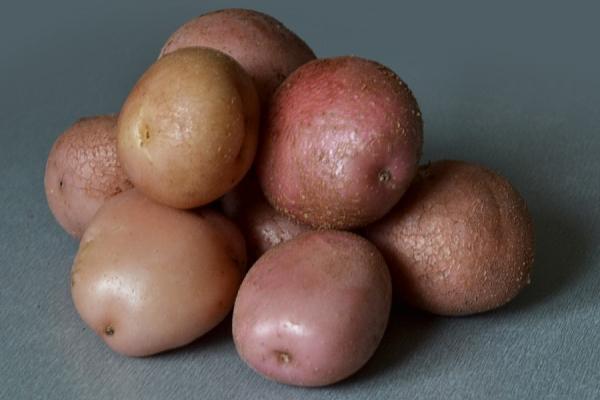 Important! Romano potatoes are completely undemanding regarding soil composition, making them a popular choice for both farmers and amateur gardeners.
History of origin
Dutch breeders have long proven their expertise worldwide. Scientists have combined the best qualities of the vegetable crop in Romano roots, resulting in a variety that boasts only advantages and no drawbacks.
In the mid-90s of the last century, the variety was included in the state register and recommended for industrial cultivation in regions with various climatic conditions.
External description of the plant
The bushes are tall, but thanks to their upright branches, the plant requires minimal space. Dark green foliage densely covers the bush. During flowering, inflorescences emerge, opening into purple flowers.
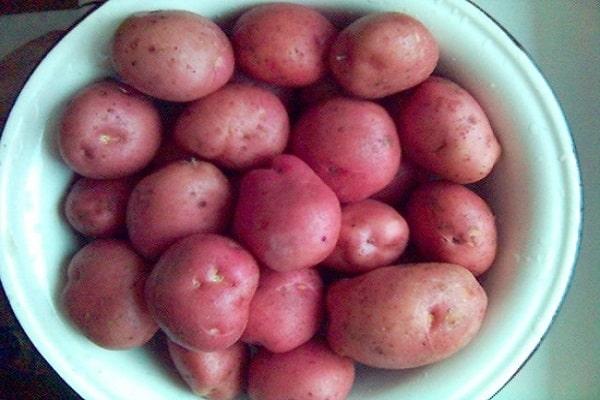
Romano roots are medium-sized, weighing between 80 and 100 grams, with a firm, pink-tinted skin. The flesh is light, with a slight cream or yellowish tint. The starch content of the roots ranges from 14 to 17%.
Yield of the variety
The Romano variety is mid-season. From planting to root ripening, the crop takes 2 to 2.5 months. In commercial production, the variety yields up to 32 tons per hectare. Gardeners and vegetable growers harvest 8 to 12 tubers from a single vegetable plant.
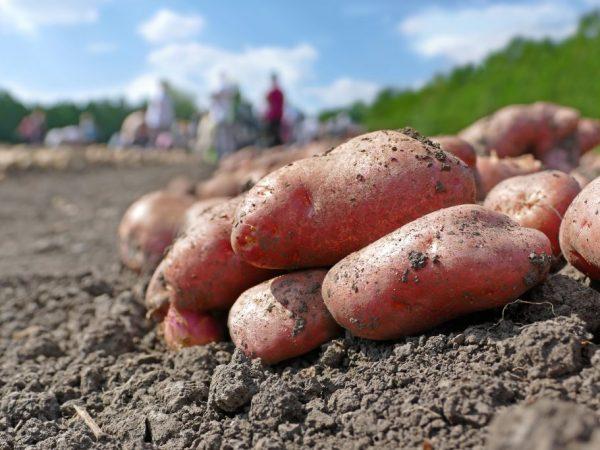
The variety's yield is not as high as that of other varieties, but its taste and long shelf life have made it a popular vegetable among farmers and private owners.
Taste qualities and scope of application of the root crop
Experts have highly praised the vegetable's taste. The tubers have firm flesh that doesn't overcook or become watery when cooked.
In industry, this variety of vegetable crop is used for the production of semi-finished products, dry mixes, frozen foods and chips.
Romano potatoes have proven themselves to be a versatile culinary variety. They can be boiled, fried, stewed, and baked. These roots are perfect for salads, stews, and various vegetable dishes.
Necessary conditions for the growth and fruiting of potatoes
The yield of vegetable crops depends on many factors:
- Correctly selected and prepared planting material.
- Choosing a place for planting potatoes in open ground.
- Preparing the land plot.
- Timing of planting vegetables and their predecessors.
- Compliance with plant care requirements.
- Preventive treatment against diseases and pests.
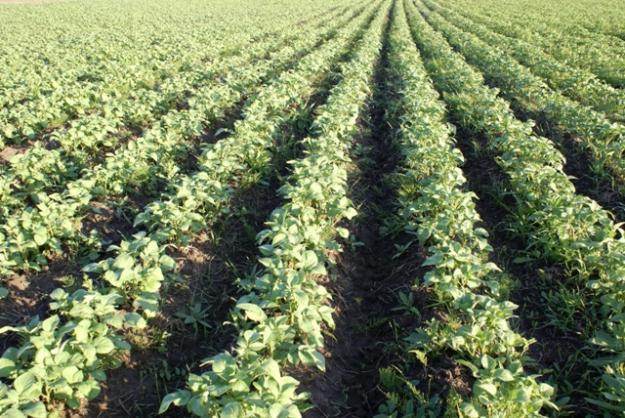
If you follow the agrotechnical requirements for care and cultivation, the yield of Romano potatoes will always be high.
Features of cultivation
Any vegetable crop obtained through selection has its own characteristics that must be taken into account during cultivation and care.
Selection of planting material
The yield and taste of vegetable crops depend on the quality of the planting material. Therefore, choosing tubers for planting outdoors should be taken seriously.
Important! The Dutch Romano variety retains its seed quality and does not die out even with prolonged use of planting material.
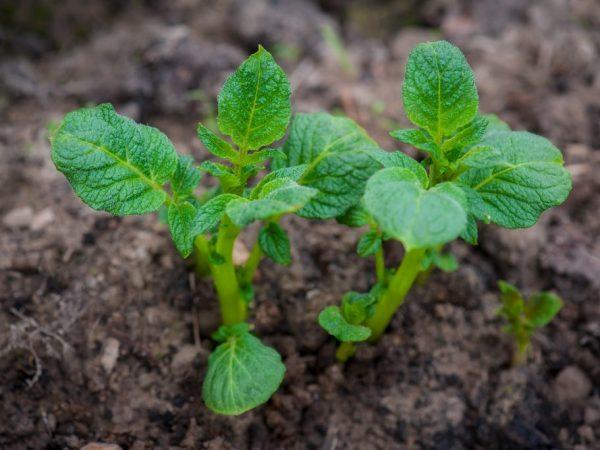
Tubers for planting are selected from previous harvests or purchased from specialized garden centers and nurseries.
Root crops should have a healthy appearance, without damage or rotten spots.
Preparing tubers
Prepare the tubers for planting in open ground 20-24 days before planting. Place the tubers in a warm, well-ventilated, bright location and leave them until sprouts appear. If the tubers dry out quickly, spray them with water.
After the sprouts appear, the root vegetables are treated with antibacterial agents or a manganese solution, and only after these procedures are they planted in open ground.
Important! If the tubers you're planting are large, cut them into several pieces. It's important that each piece of planting material contains a young sprout.
Preparing the planting site
Romano potatoes thrive and produce fruit in well-drained areas. Preparing the beds for planting begins in the fall. The soil is thoroughly tilled, mixed with compost, and loosened.
In the spring, the beds are dug over again and organic fertilizer is added to the soil. Potato beds need to be replanted every 3-4 years. Predecessor crops also play an important role. Potatoes grow well after onions, greens, garlic, cucumbers, and peppers.
It is contraindicated to plant potatoes in soil where plants of the nightshade family grew before.
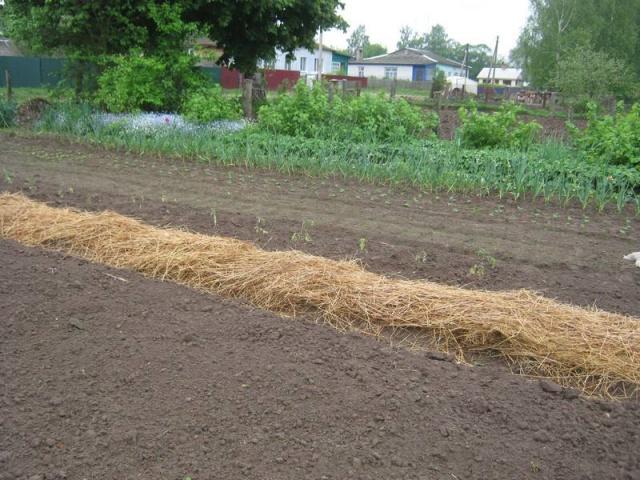
Timing and step-by-step algorithm for planting crops
The timing of vegetable planting determines its growth and yield. Planting schedules may vary by region, but they all occur after the end of spring frosts.
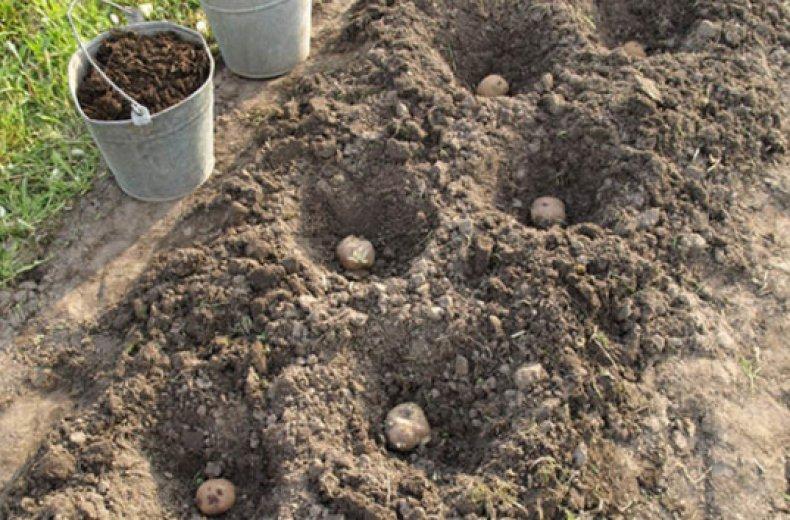
In soil warmed to 10 degrees Celsius, dig holes or use a harrow. Space plants at least 20 cm apart, and 50-60 cm between beds.
The sprouted planting material is placed in holes and buried 6-10 cm deep in the soil. The tubers are then covered with soil and watered generously.
Proper care of Romano
Romano potatoes are undemanding in terms of growing conditions and care, easily tolerate drought, but are sensitive to spring frosts. With simple cultivation practices, this variety will reward you with a bountiful harvest of tasty and filling root vegetables.
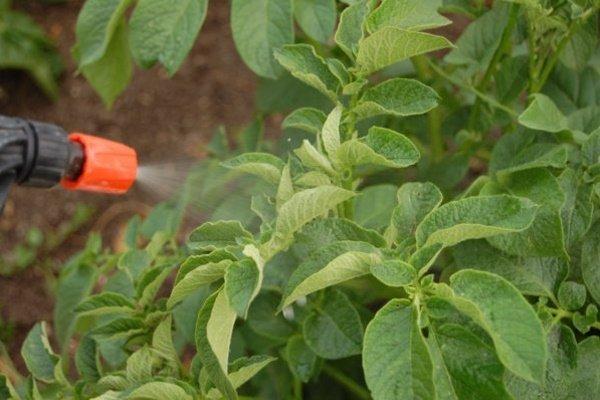
Irrigation and fertilization
This potato variety doesn't require a specific watering schedule. However, during periods of prolonged drought and high temperatures, the vegetable crop is watered once a week.
Plants also need additional watering during the period of bud formation and flowering.
If the plants were fertilized during planting, then after the potatoes have finished flowering, they are watered with a solution of wood ash.
Hilling and loosening the beds
Loosening the soil helps control weeds and prolong the soil's moisture content. Therefore, loosening the beds is usually done in conjunction with watering the vegetable crop. Tall Romano bushes require hilling several times per season.
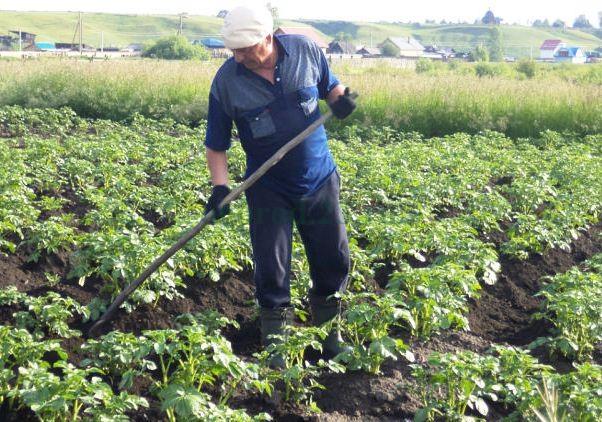
Potatoes are first hilled when young plants reach 10 cm. This procedure protects them from sudden spring frosts. The next hilling occurs during the period of preparation for flowering. This variety has tall bushes, so it's important to ensure the soil provides adequate support. The last hilling is done after flowering has ended.
Important! Hilling potato beds is the most important procedure for the rapid and proper development of root crops.
Preventive and curative treatments against insects and diseases
If planting and crop rotation rules are followed, there is a minimal risk of potato infection by diseases and pests.
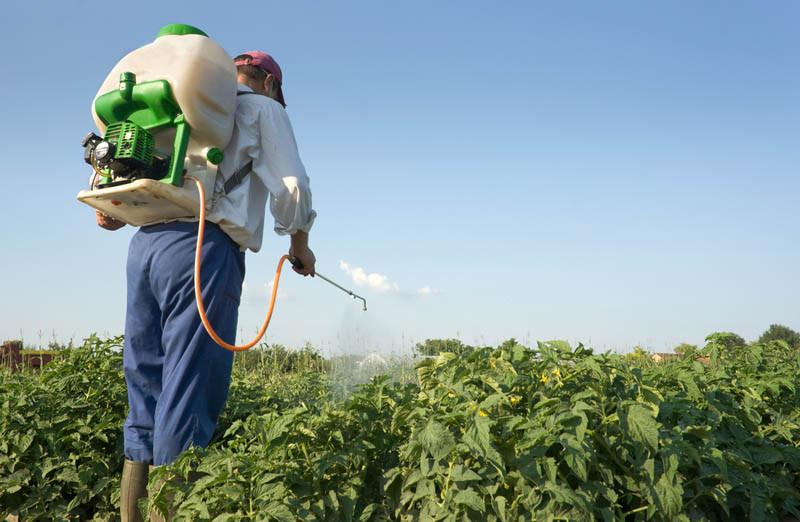
But if the vegetable crop is infected with potato cancer or nematodes, then treatment with special preparations is necessary.

Harvest period and rules
Potato harvesting begins 2-2.5 months after planting and depends directly on the climate of the growing region. The first sign of ripening is the wilting and yellowing of the tops. It is recommended to trim the tops a few days before harvesting.
To prepare new potatoes, the tubers are dug up as early as July, but the main work is carried out in August or September.
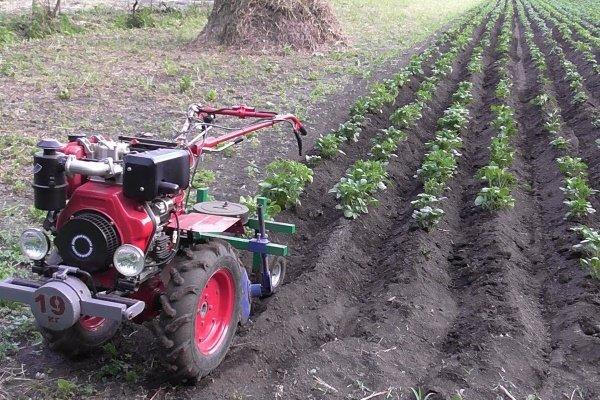
Romano potatoes are resistant to mechanical damage, but to preserve the integrity of the tubers, harvesting is carried out using special equipment or a pitchfork.
Duration and storage conditions
After harvesting, the root vegetables are dried in the sun for 2-3 hours. They are then placed under a canopy until completely dry. The dried tubers are packed in boxes, nets, or bags and stored in specially prepared cool places. During storage, the vegetables are periodically sorted. Spoiled and soft potatoes are discarded or processed. Under proper storage conditions, potatoes retain their flavor and appearance for 6-8 months.
Reviews of the variety
Sergey, Krasnodar
I plant several varieties of potatoes at my dacha, including one called Romano. It has excellent flavor and high yields. The tubers are all uniform and large, with no small ones at all. They store all winter in a regular cellar.
Elena Vasilievna, Bryansk
Although I grow several varieties, Romano is our main and favorite. We dig up new potatoes as early as late June and enjoy delicious dishes made with them. What's most appealing is their long shelf life. In the cellar, potatoes last almost until summer.
Victor Ivanovich, Khabarovsk
Last year I planted Romano. Our summers are short but quite hot. In two and a half months, I got eight out of four buckets of potatoes. Now I don't even want to think about growing anything else.
Related posts:
 Description of the best potato varieties of domestic and foreign selection
 Description and characteristics of the Rodrigo potato variety, cultivation and care
 Why potatoes aren't growing well in the garden, and what to do to ensure a bountiful harvest
 Description and treatment of potato diseases, methods of control using folk and chemical means
 Description and characteristics of the Gulliver potato variety, planting and care
 Description of the best potato varieties for 2025, selection for regions
 Description and characteristics of the Krasavchik potato variety, planting and care
 Description and characteristics of the Bellarosa potato variety, planting and care