
- Why do we transplant strawberries?
- When is bush transplantation carried out?
- In the spring
- In summer
- In the fall
- We follow all the rules
- Choosing a location
- Fertilization and soil preparation
- Selection and processing of planting material
- Crops that help strawberries grow better
- How to transplant to a new location
- Mustache planting
- seedlings
- Is it possible to transplant flowering garden strawberries?
- Plant care after the procedure
- Basic mistakes
- Gardeners' Tips
Garden strawberries are a crop characterized by a gradual increase in bush width. This expansion over time negatively impacts yield. To improve fruiting, the crop must be replanted. To ensure the desired results, it's important to choose the optimal time to replant the strawberries. This factor will determine the quality of the subsequent harvest.
Why do we transplant strawberries?
A bush can grow in one area for up to three years. Subsequently, it needs to be replanted, as the berries become smaller and the bush grows. Replanting the plant allows for a larger area of fruit-bearing berries and improves the quality of the fruit itself.
When is bush transplantation carried out?
Transplanting can be done at any time of year except winter. Timing may vary. Spring transplanting allows the plant to establish itself securely in its new location over the summer. However, a harvest will only be possible the following year. In summer, strawberries are transplanted after fruiting has finished. Fall transplanting is an investment in the future harvest, as the first fruits will not appear until the following summer.
In the spring
If a decision was made to transplant strawberries Spring, early April, is best. This is the period of intense root and stem growth. First, thin out the plantings, removing any that have died over the winter.
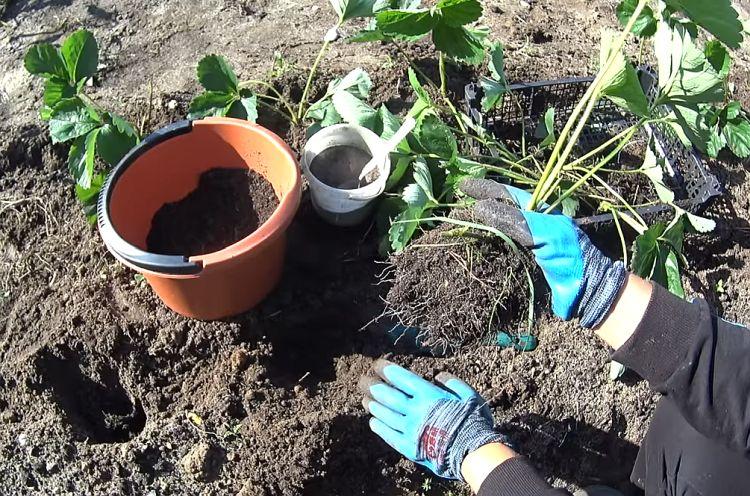
The bushes selected for planting should be dug up, root ball included, and placed in a spacious hole, pre-filled with 10 centimeters of sand. The prepared hole will protect the roots from excess moisture. The soil around the plant is compacted, and the top layer is loosened slightly.

In summer
If you need to rejuvenate your berry plantation, you can replant the bushes in the summer. August is ideal. Remove excess shoots from the selected bushes. Prepare the soil by digging it twice and adding compost. Then, plant the new bushes and fertilize.
If there is an urgent need to plant strawberries, you can do it in July.
However, be prepared for the flowers and fruits on the seedlings to fall off. Repotting is detrimental to the plant's health, as it requires additional energy to root.
In the fall
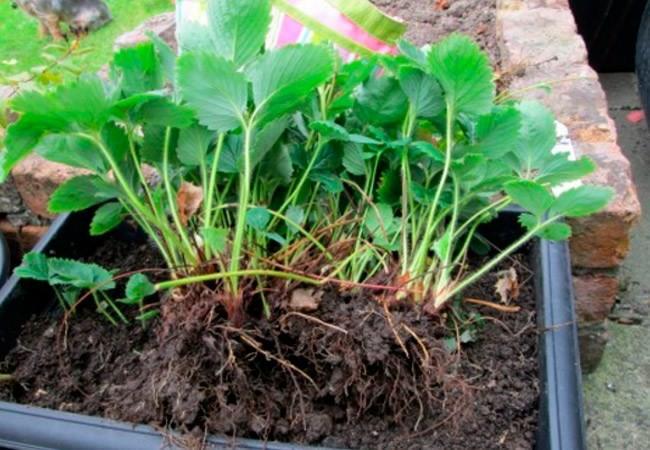
Autumn is the optimal time for transplanting strawberries, especially September. This month provides sufficient moisture for the seedlings' root development, which is essential for overwintering. Autumn transplanting allows the crop to bloom fully in the spring. Gardeners can harvest their first crop as early as the following summer. However, fruiting rates for garden strawberries are significantly lower in the first year after relocation.
We follow all the rules
Proper selection of the site, seedlings, and soil will ensure successful strawberry planting. Even the quality of the fertilizer used plays a role. Often, ignoring just one factor can ruin the entire process.
Choosing a location
It's important to choose the optimal location for strawberries. An open area in the garden with plenty of sun is ideal. The beds should be accessible for regular watering.
Fertilization and soil preparation
Strawberry soil should be slightly acidic. Fertilize thoroughly before planting and water generously the day before. Use chicken manure or compost as fertilizer.
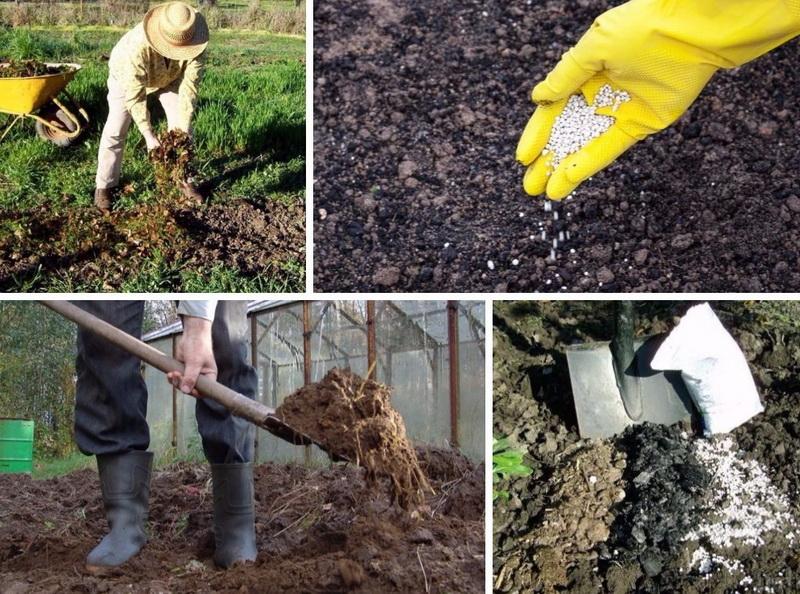
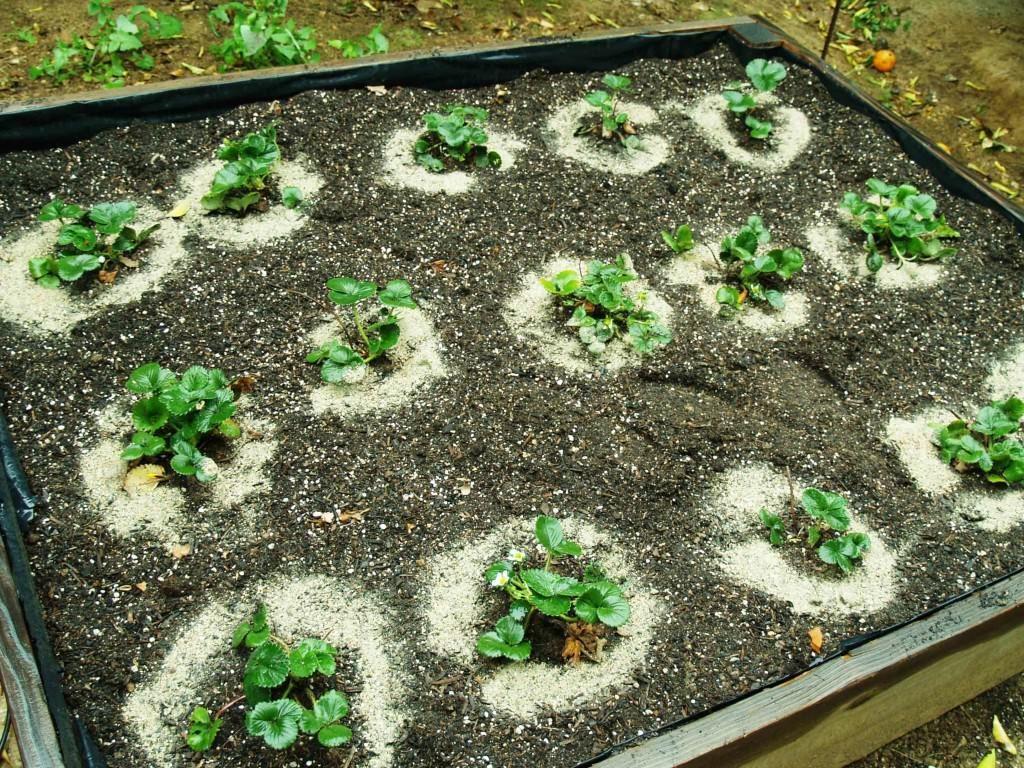
The holes are spaced 25 centimeters apart. The distance between the beds is at least 50 centimeters. This planting pattern ensures optimal plant development.
Selection and processing of planting material
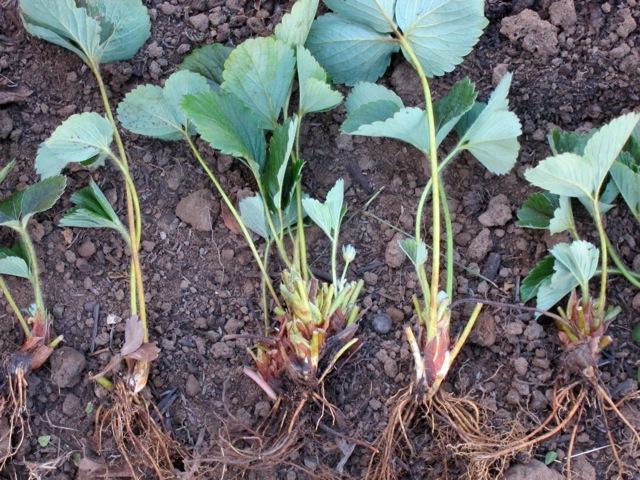
When replanting, it's important to select the optimal planting material. The seedlings should have at least 4-5 leaves. This indicates they are well developed.
Take a look Also

Purchased plants require treatment to prevent infection of the area.
To disinfect, simply dip the roots in hot water and then soak the seedlings in cold water. To speed up the rooting process, soak the roots in a mixture of manure, clay, and water.
Crops that help strawberries grow better
Strawberries grow better after the following crops:
- beet;
- radish;
- carrot;
- legumes;
- parsley and lettuce;
- garlic.
After them, the soil is not depleted and is suitable for fruit-bearing crops.
How to transplant to a new location
There are several methods for transplanting strawberries to another location:
- dividing the bush;
- rooting of tendrils (rosettes);
- seedlings from seeds.
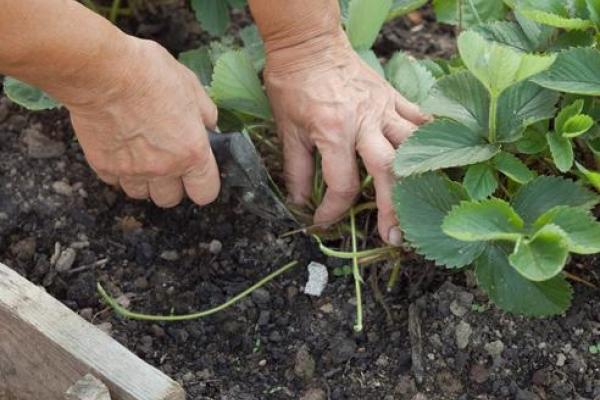
Any of them will allow you to grow a full-fledged crop.
Mustache planting
Rooting of new rosettes is accomplished by digging the soil deep into the soil and then burying them. After rooting, a portion of the tendril is trimmed off and transplanted into a separate container, but not separated from the mother plant. The resulting seedling is watered regularly. When at least four leaves appear on the seedling, it is separated from the mother plant and transplanted to a new location.
seedlings
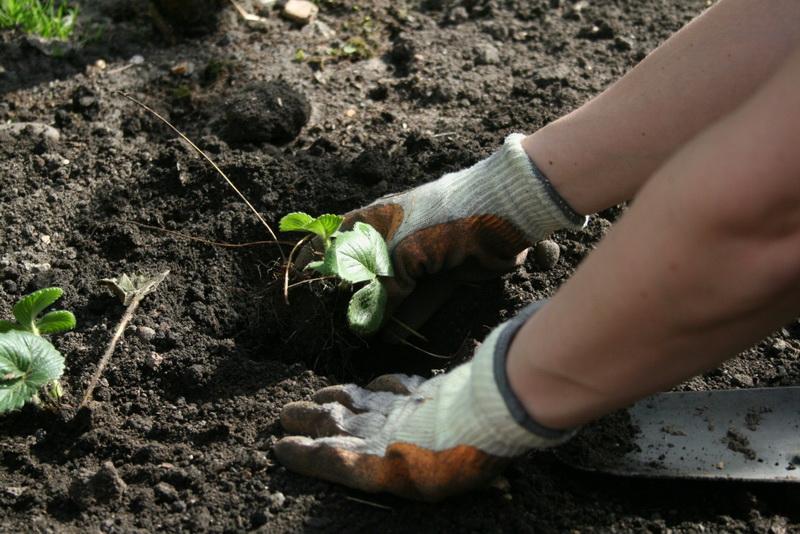
Strawberry seedlings are placed in well-moistened planting holes. It's important not to plant the seedlings too deeply to prevent them from rotting. The growing point of the bush is above ground. Once planted, the seedlings are covered with soil and a layer of mulch.
Is it possible to transplant flowering garden strawberries?
Many gardeners doubt whether it's possible to transplant flowering bushes. This is only permitted in extreme cases. First, remove the flowers and berries from the bush. This way, the garden strawberries will thrive much better in their new location. A harvest won't be seen until next year.
Plant care after the procedure
After planting, strawberries need to be watered regularly. Use only water that has been preheated in the sun. After a year, you can fertilize the plants with organic or inorganic fertilizers. Organic fertilizers include manure, compost, ash, or humus.
Important! Chicken manure should be handled with care, as it contains a high concentration of nitrogen.
Organic fertilizers are added as a water solution. Inorganic fertilizers are purchased in stores and added according to the instructions. These include potassium, nitrogen, magnesium, and phosphorus.

Basic mistakes
Many novice gardeners make mistakes when propagating strawberries:
- The beds are placed in the shade or in lowlands.
- For transplantation, weak specimens or seedlings with flowers are selected.
- Too much fertilizer is applied.
- Do not mulch the soil.
- Young bushes are watered.
To avoid harming young strawberries, you should take into account the experience of gardeners and listen to their advice.
Gardeners' Tips
There are a number of tips that must be followed when transplanting strawberries:
- It's not possible to plant a bush on the day of purchase. Store-bought seedlings can be preserved for a few days by wrapping them in a damp cloth and placing them in cellophane.
- Varieties should be planted separately from each other to avoid cross-pollination.
- After transplanting, the soil around the bushes must be mulched using straw or sawdust.
Compliance with the conditions guarantees the success of the transplant.
Replanting strawberries is essential. The key is choosing the right time and performing the procedure correctly.
Related posts:
 How to grow strawberries at home
 Signs of disease and pest attacks on strawberries, treatment methods
 Description of the Florence strawberry variety, planting and care features
 Description and how to plant the Garland strawberry variety
 Description and characteristics of the Vima Zanta strawberry variety, planting and care scheme
 The best varieties and cultivation of everbearing strawberries, fertilizing and propagation
 Description of the everbearing strawberry variety Selva and cultivation technology
 Description of the Solovushka strawberry variety, planting and care instructions