
- History of the variety
- Benefits of Growing Malvina
- Are there any disadvantages?
- Description and characteristics
- Bush and shoots
- Flowering and fruiting
- Taste properties of berries and their further implementation
- Susceptibility to diseases and pests
- How does it tolerate low temperatures?
- Landing specifics
- Growing regions and climatic conditions
- The best predecessors and neighbors
- Preparing the site and seedlings
- Timing and rules for planting bushes
- Care, watering and fertilizing
- Preventive treatments
- Shelter for the winter
- Reproduction
- Gardeners' reviews
Many strawberry varieties have been developed, but most finish their fruiting season by the end of June. To extend the ripening season, breeders are developing late-ripening varieties. The Malvina strawberry variety begins fruiting after the main summer berry harvest has already been gathered. Therefore, it's safe to say that the Malvina garden strawberry finishes the strawberry season with honor and dignity.
History of the variety
This hybrid fruit variety was developed by a renowned German breeder in 2010. Malvina was created using the popular garden strawberry varieties Sophie and Schimmelfeng. The developers aimed to create a unique garden berry that would differ from its peers not only in its ripening time but also in its appearance and taste.
Benefits of Growing Malvina
Thanks to its high yield, resistance to frost, fungal and viral diseases, excellent taste, and unique appearance, this new variety of garden strawberry quickly became popular among farmers, gardeners, and vegetable growers.
Advantages of the variety:
- Garden strawberry Malvina tolerates moderate climate winters and spring temperature fluctuations well.
- Natural immunity to some fungal diseases and pests.
- Rapid fruiting. From flowering to harvest, just a month passes.
- The Malvina strawberry is considered a versatile variety, allowing the berries to be consumed fresh or processed.
- The bushes form numerous shoots, so propagating strawberries does not cause any difficulties.
- After harvesting, long-term storage and long-distance transportation of berries is possible.
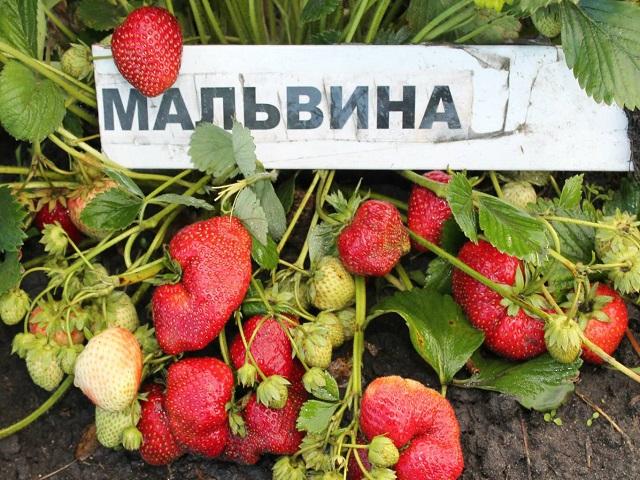 Important! The most important advantage of the Malvina garden strawberry is its ease of cultivation and care.
Are there any disadvantages?
Hybrid fruit crops always have disadvantages in addition to their advantages.
- In regions with harsh, long winters, bushes require additional insulation.
- Garden strawberry bushes are tall and spreading, requiring a lot of free space, which can be a hindrance when growing in small areas.
- Although the Malvina variety is immune to fungal and viral diseases, it is often affected by gray mold and brown spot.
- The plant requires timely preventative treatment against pests.
Another disadvantage of this garden crop is its poor drought tolerance. If the soil is insufficiently moist, the plants become weak, the leaves dry out, and the flavor of the berries deteriorates.
Description and characteristics
To grow healthy and fruitful Malvina strawberries, you first need to know all the properties and characteristics of the variety you've chosen for planting.
Bush and shoots
The fruit bushes grow tall, up to 50 cm, and voluminous, up to 60 cm in diameter. The leaves are large, wide, and dark green, glistening in the sun. At the end of the season, the bushes sprout multiple shoots and tendrils.
Tip! To ensure a large, high-quality harvest of ripe berries, it's recommended to prune the shoots.
Flowering and fruiting
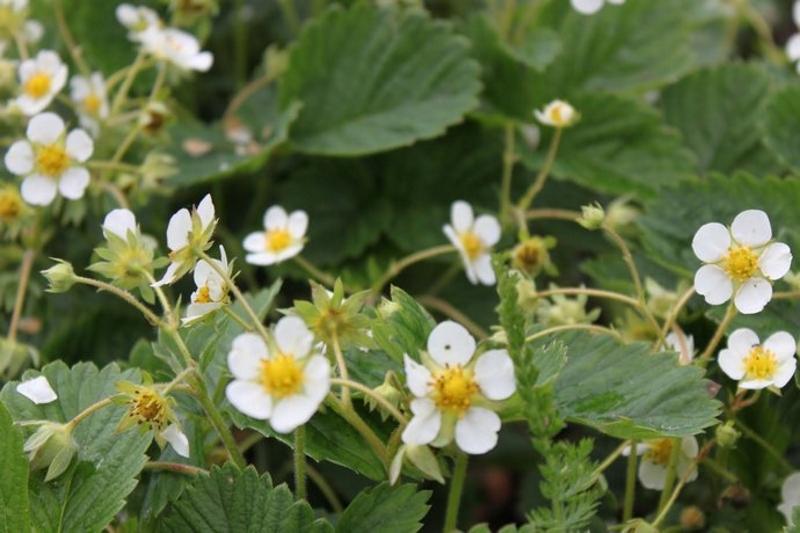
The Malvina garden strawberry blooms in early to mid-June. Short but robust flower stalks emerge from the bushes, opening into large, white flowers. This variety is self-fertile and does not require pollination. Each flower stalk produces 5 to 7 inflorescences, which develop into fruit ovaries after flowering.
One bush yields 700 to 1000 grams of ripe berries. The Malvina strawberry variety is often grown commercially.
The variety finishes fruiting at the end of August.
Taste properties of berries and their further implementation
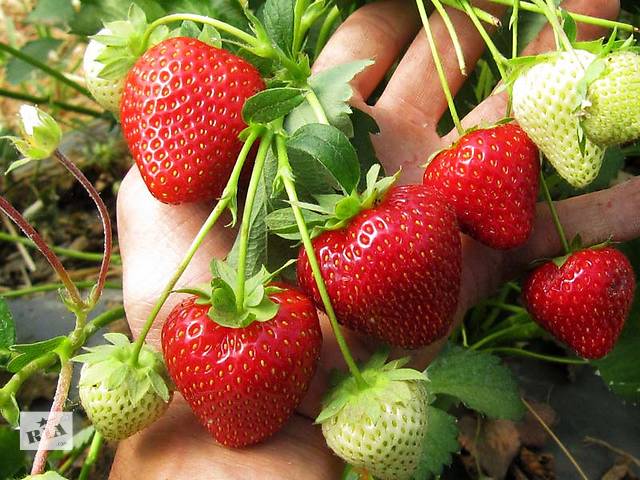
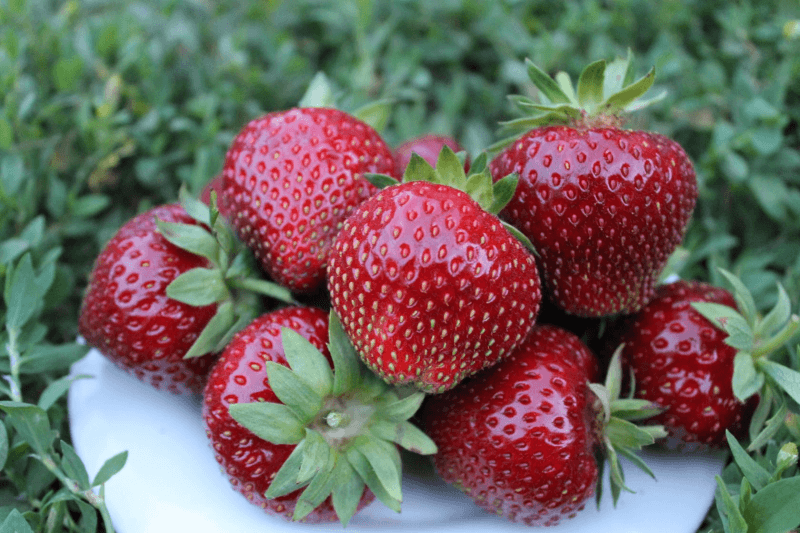
The berries are cone-shaped, heart-shaped, slightly flattened, and bright red or cherry-red in color with yellow seeds. The surface of a ripe berry is smooth with a distinct sheen. Fully ripened fruits have firm yet juicy flesh, a sweet, aromatic flavor.
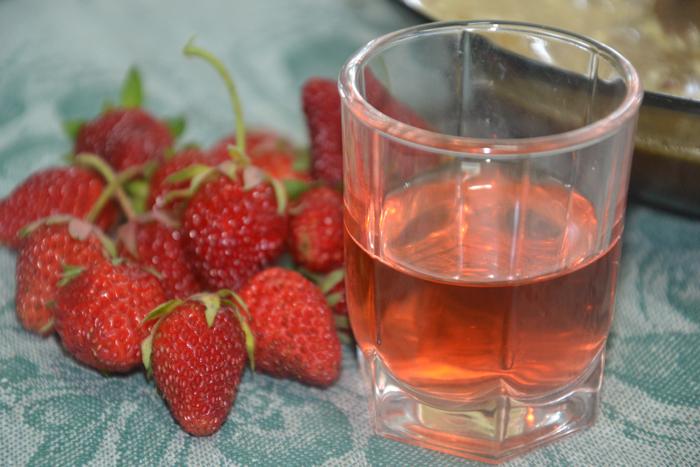
The Malvina strawberry is considered a versatile fruit variety. Ripe berries are recommended for eating fresh, drying, freezing, canning, and adding to confectionery and dairy products. Experienced homemakers make delicious liqueurs, cordials, and homemade wine from garden strawberries.
Susceptibility to diseases and pests
Breeders have given the new strawberry variety natural immunity to certain fungal, viral, and pest diseases. However, as a preventative measure, the bushes and soil are treated annually with fungicides and insecticides.
How does it tolerate low temperatures?
The Malvina strawberry variety tolerates frosts down to -20 degrees Celsius, and due to its late flowering period, the crop is not susceptible to spring frosts.
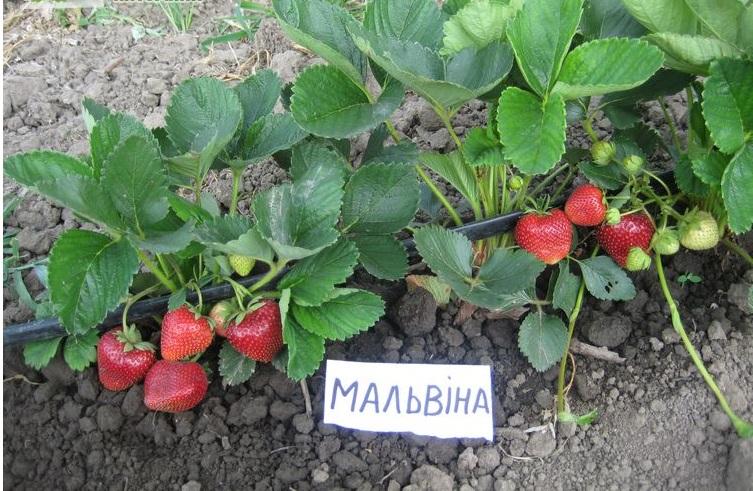
In arid regions, garden strawberries require additional care and watering.
Landing specifics
To grow healthy and fruitful strawberries, you need to follow the rules for planting and caring for them.
Growing regions and climatic conditions
Garden strawberries of this variety are recommended for cultivation in regions with moderate and warm climates. Although relatively frost-resistant, in northern regions, bushes will freeze without additional insulation. The crop also responds negatively to prolonged drought.
The best predecessors and neighbors
For proper development and growth of fruit crops, it's important to follow crop rotation guidelines. Legumes, cereals, onions, greens, beets, and carrots are suitable predecessors and neighbors for Malvina strawberries.
Planting garlic or calendula nearby increases strawberry yield and protects them from fungi and pests. Avoid planting garden strawberries near eggplant, cabbage, tomatoes, and sunflowers.
Preparing the site and seedlings
To ripen their berries, garden strawberries require plenty of sun and fertile, loose soil. The plot for the beds should be level, dry, and well protected from northerly winds and drafts.
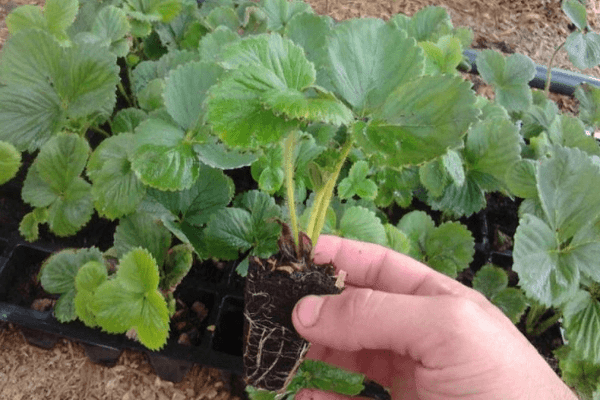
Soil preparation for planting seedlings begins 2-4 weeks before the planned events.
- The land is dug up, loosened and cleared of weeds.
- Sand and humus are added to heavy soil, sandy soil is mixed with peat and compost, acidic soil is limed or mixed with wood ash.
- The soil in the prepared area is fertilized with mineral and organic fertilizers.
- Before planting in the ground, seedlings are treated with a weak solution of manganese and preparations to stimulate growth.
Important! When purchasing seedlings, carefully inspect the plants for damage and disease. It's best to plant strawberries in small pots or mounds. When planting in open ground, simply transfer the plants, soil-filled, to the garden bed.
Timing and rules for planting bushes
The timing of planting strawberries outdoors depends on the climate of the region. In warm, southern latitudes, planting can begin as early as early October, giving the plants ample time to establish roots.
In regions with a temperate climate, strawberry seedlings are planted in late August or mid-spring.
When planted in spring, the first berry harvest occurs within a year. Plants planted in autumn begin to bear fruit in summer.
- In the prepared beds, dig holes 30 to 40 cm deep.
- The distance between holes is kept within the range of 50 to 60 cm, between rows 70 cm.
- Fertile soil is poured into a mound at the bottom of the hole.
- The seedling is placed on top of the mound, the roots are evenly distributed and covered with soil.
- After planting, the plants are watered generously.
 Important! Malvina strawberry bushes grow tall and spreading, so maintaining proper spacing between plantings is essential.
Care, watering and fertilizing
Caring for garden crops does not require additional knowledge or effort; it is based on timely watering, fertilizing, and preventative treatments.
To bear fruit, berry bushes require moist, loose soil. Soil loosening is done in conjunction with weeding. Up to eight weeding and loosening sessions are performed per season.
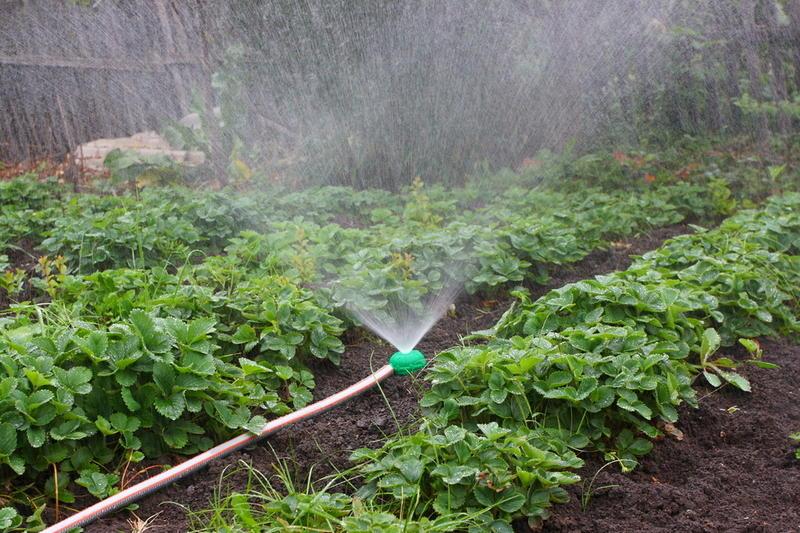
During the fruit set period, the plant requires abundant and frequent watering. Typically, strawberries are watered once every 7-10 days. During prolonged droughts, watering should be increased to three times a week.
Important! At the beginning of the growing season and after harvest, water the entire plant. During flowering and fruiting, water the roots.
Fruit crops require additional feeding and fertilization. Three to five fertilization sessions are performed per season, alternating mineral and organic fertilizers.
Preventive treatments
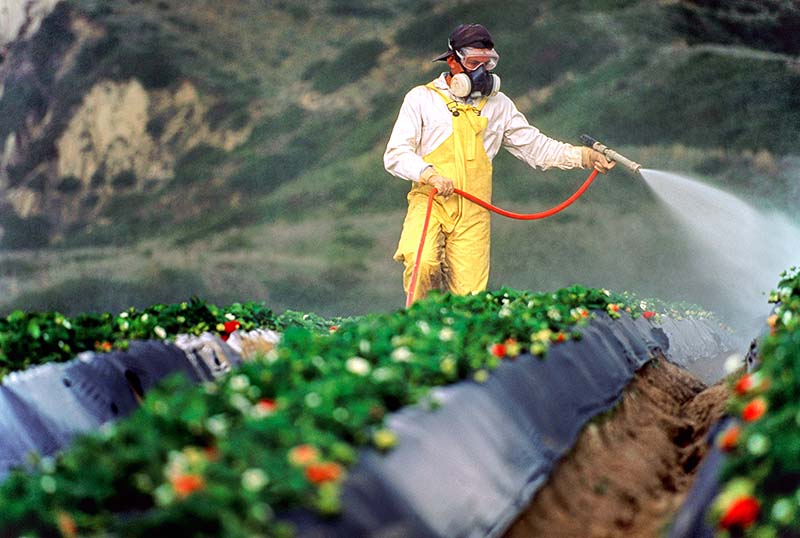
The Malvina strawberry variety is most often affected by gray mold, spotting, and fusarium. Fungicides and copper-based products are used to prevent and treat these diseases.
In spring and autumn, preventative spraying of the soil and bushes is carried out.
Garden strawberries are most susceptible to weevils, nematodes, mites, and aphids. Bushes are treated with insecticides, and severely infested plants are removed and destroyed. To prevent diseases and pests, it's enough to maintain proper care and follow proper agricultural practices.
Shelter for the winter
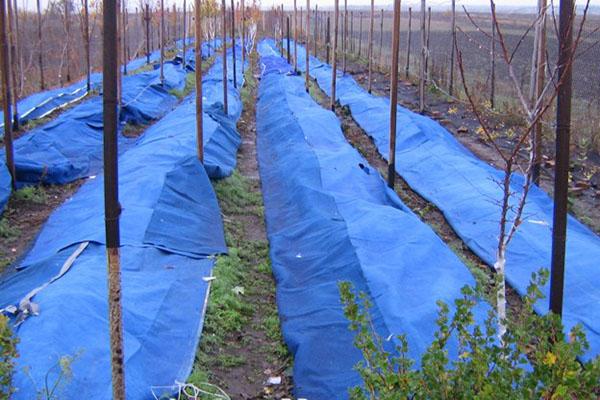
With the arrival of autumn, strawberry plants begin preparing for their winter dormancy. Dry, yellow, broken, and damaged leaves are trimmed from the plants, and excess shoots are removed. The soil in the beds is loosened and mulched with a thick layer of humus, dry leaves, and spruce branches. As soon as the first snow falls, high snowdrifts are built over the beds.
Reproduction
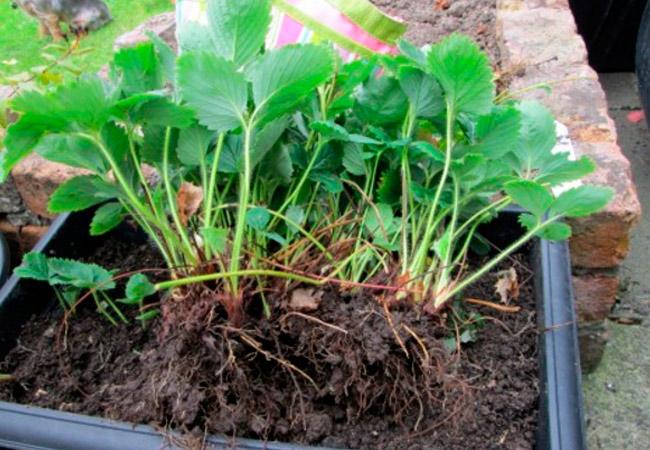
During the growing season, fruit bushes develop numerous shoots and tendrils. These tendrils are used to propagate this strawberry variety.
For this, select the largest and healthiest plant. Three to five shoots are left on the bush, the rest are pruned, and the flower stalks are also removed.
Each shoot produces several rosettes with leaves, which are rooted in the soil. As soon as roots appear, the seedling is separated from the mother plant and planted as an independent plant in a separate bed.
Gardeners' reviews
Egor Pavlovich 33 years old, Michurinsk
I first tried the Malvina strawberry at my son-in-law's dacha. I begged him for some tendrils and planted them on my plot. I grow several early strawberry varieties, but I've never seen a harvest of berries like this in August. The flavor of these berries surpassed all the early varieties—sweet, without the tartness, juicy, yet firm. Now I want to propagate this variety and gradually replace the others. My wife and I really liked it!
Svetlana Petrovna 30 years old, Kursk
I'd been told that the Malvina strawberry is suitable for growing in southern climates. But I decided to try planting this late-ripening berry at my dacha anyway, and I haven't regretted it. I planted it in the fall, so we were already harvesting the first berries in the summer. The flavor exceeded all expectations. I've never tasted such sweet and aromatic strawberries. The bushes survived the winter well under a layer of humus and spruce branches, and my husband piled some snow on top.
Evgeny. Moscow region
I was reading the story of Buratino to my six-year-old daughter. While at the market, she saw strawberry seedlings called Malvina, and, of course, inspired by the book, I was compelled to buy several bushes and plant them at our dacha. She decided to care for them herself. A year later, we had delicious, large berries, sweet and juicy. Now we're planning to propagate the bushes.
Related posts:
 Description of the Florence strawberry variety, planting and care features
 How to grow strawberries at home
 Description and characteristics of the Vima Zanta strawberry variety, planting and care scheme
 Description of the Holiday strawberry variety, cultivation and propagation methods
 Description and characteristics of the Korona strawberry variety, planting and care scheme
 Description and characteristics of the Festivalnaya strawberry variety, planting and care
 Description of the Fleur strawberry variety, cultivation and care tips
 Description of the Bogota strawberry variety, planting and care features