
- Basic rules for growing in raised beds
- Pros and cons of the method
- What will you need?
- Suitable varieties of garden strawberries for the Finnish method
- How to grow strawberries using Finnish technology?
- Selecting a covering material
- Choosing a location for strawberry beds
- Preparing a bed for seedlings
- Forming beds and organizing drip irrigation
- Transplanting
- Tips for caring for the crop
- Fertilizers
- Watering strawberries
- Protection from diseases and pests
Raised strawberry beds, created using Finnish cultivation techniques, make it easier to care for the crop and yield a bountiful harvest of ripe berries. The method also boasts a number of other positive properties. Step-by-step instructions will help you create the beds correctly and plant the seedlings without errors. Further care includes setting up an irrigation system, fertilizing, and treating for pests and diseases.
Basic rules for growing in raised beds
Strawberries are considered a heat-loving crop, so growing them in cooler climates is more difficult. Finland is one such region. Despite its cold climate, the country successfully grows strawberries. This is thanks to an interesting and unusual planting technique.
The main distinguishing feature of this method is the use of a special covering (mulch) fabric. This accelerates the strawberry ripening process and improves the fruit's flavor.
The key to this method is choosing the right planting location, selecting the appropriate mulching material, and providing appropriate care for the growing crop.
Pros and cons of the method
The advantages of the Finnish berry growing method include the following properties:
- in the upper layers of soil there is an accumulation of nutrients that are necessary for the development of the crop;
- The covering layer allows the soil to warm up faster and maintain an optimal level of moisture;
- agricultural technology is significantly simplified, as the growth of weeds is reduced and the likelihood of rooting of rosettes increases;
- beneficial microorganisms living in the soil activate their activity;
- Ripe fruits do not touch the ground, they are always clean, which makes the harvesting process easier.
- The method is suitable for growing strawberries both outdoors and indoors.

The disadvantages of this method are related to the use of different materials for mulching.
What will you need?
To create a Finnish bed, you'll need boards and a covering sheet. Black polyethylene film is most often used for growing strawberries. White film or non-woven polypropylene fabric are less common choices.
Suitable varieties of garden strawberries for the Finnish method
Strawberry varieties suitable for this planting method include Elsanta, Korona, Bounty, Rumba, Zenga-Zengana, and Honey. These varieties are characterized by a short growing season and the formation of large, sweet berries.
- The Korona variety tolerates frost well, is disease-resistant, and is rarely attacked by insects. The harvest ripens in mid-June. The berries, weighing up to 30 grams, begin to ripen in mid-June. Fresh harvesting can be done within a few weeks.
- The Honey variety belongs to the high-yielding, early-ripening group of plants. Berries, weighing up to 40 grams, begin to ripen simultaneously. Gardeners can harvest the crop within two weeks.
- The Rumba variety is characterized by early ripening berries weighing up to 30 g. The bushes begin bearing fruit in mid-June. Fruiting lasts for up to three weeks. A strong root system allows it to withstand low temperatures.

How to grow strawberries using Finnish technology?
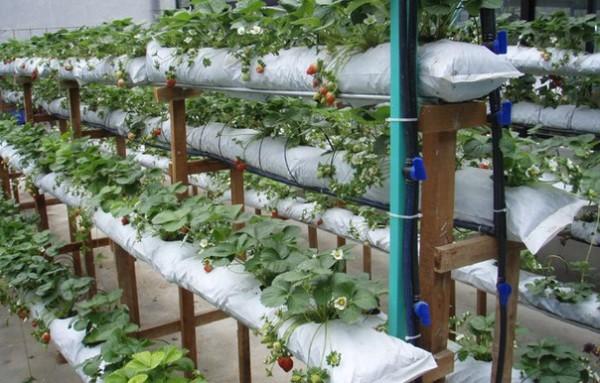
Strawberries are a heat-loving crop. To conserve soil heat, covering materials are used. The Finnish method of growing strawberries allows for a harvest in less than two months.
Selecting a covering material
Plantings are mulched with black or light-colored film, as well as non-woven polypropylene fabric. Each of these materials has its own advantages and disadvantages.
Black or light film has the following advantages:
- retains heat well;
- absence of weeds;
- the required level of humidity is maintained;
- convenient to harvest, berries are clean;
- fewer whiskers are formed.
But there are also disadvantages:
- under a film cover there is a high probability of infestation by insects and slugs, which can damage the plant roots;
- in rainy weather there is a risk of mold and fungal diseases developing;
- The black color of the mulch attracts even more sun rays, so on hot days the strawberries should be additionally covered with straw or sawdust;
- If transparent or light film is used, the soil will not overheat, but weeds will grow and there will be a need to use herbicides.
Agrofibre is characterized by the following positive qualities:
- reduces the risk of developing fungal diseases;
- the soil is saturated with oxygen;
- early ripening of berries;
- the mustache does not grow.
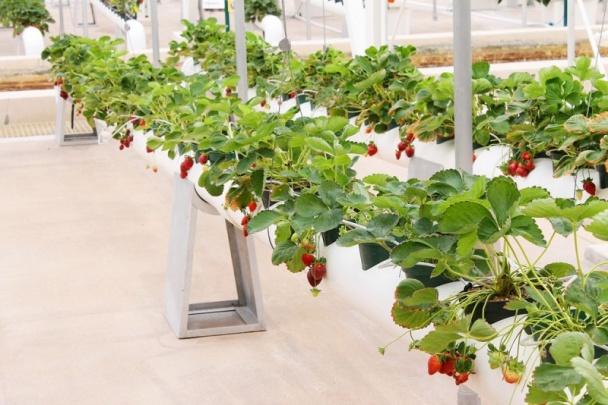
A disadvantage of agrofibre is that the soil surface quickly dries out. Strawberries require more frequent watering. Another disadvantage of agrofibre is its high cost.
Choosing a location for strawberry beds
To plant strawberry bushes, choose a well-lit area, away from tall trees and buildings. The soil should be fertile, loose, neutral, and well-aerated.
Strawberries thrive after legumes and grains. Avoid planting them after potatoes, peppers, and eggplants. Crop rotation is important.
Every 3-4 years, you need to change the location of your strawberry plants. The plants quickly age, and the soil becomes depleted, so it becomes necessary to replant young seedlings in a new location.
Preparing a bed for seedlings
The planting site begins to be prepared in the fall. Fallen grass and weeds are removed, and the soil is tilled. At this time, fertilizers should be added: well-rotted manure, nitroammophoska, and compost.
In spring, the soil is dug again, but not as deeply. Nutrients are added. After 9 days, the beds are formed:
- A 48 cm high, bottomless box is made from the prepared boards. This will prevent soil settling. The length of the box will depend on the size of the site.
- The box is placed in the chosen location, the soil inside is dug up, weeds are removed and it is filled with fertile soil.
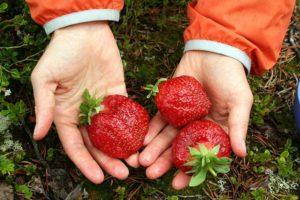
A raised bed is much warmer. It allows you to produce clean, large berries for several years in a row with minimal effort and time.
Before planting strawberries, you need to prepare the area:
- the soil is dug up;
- using a rake, loosen the soil so that no lumps remain;
- add fertilizers.
A good fertilizer choice is a mixture with horse manure, humus or compost.
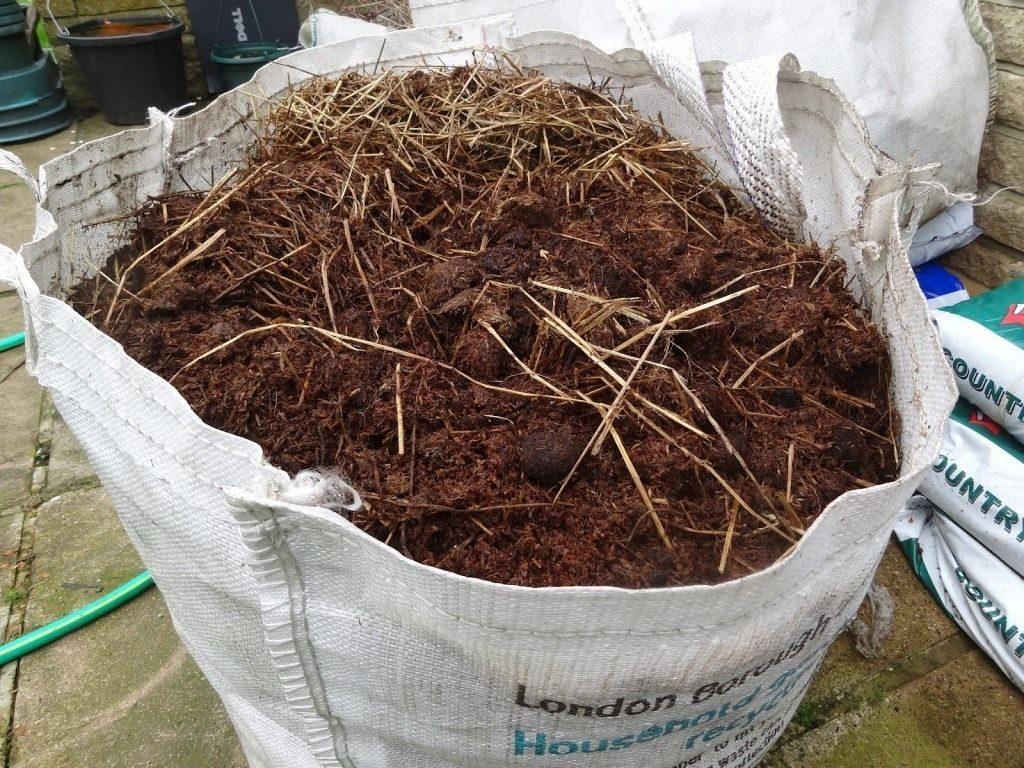
Forming beds and organizing drip irrigation
On the prepared plot, low beds are created, after which their surface is leveled. Each bed is approximately 85 cm wide. The distance between rows is 68 cm.
While the fertilizers are rotted and the soil is settling, set up an irrigation system. Drip irrigation is used to ensure regular soil moisture:
- prepare a hose and run it between the beds;
- punctures are made along the entire length of the garden hose;
- after this, the hose is buried to a depth of 4.5 cm;
- At the very end of the hose, a plug is made to prevent water from draining.
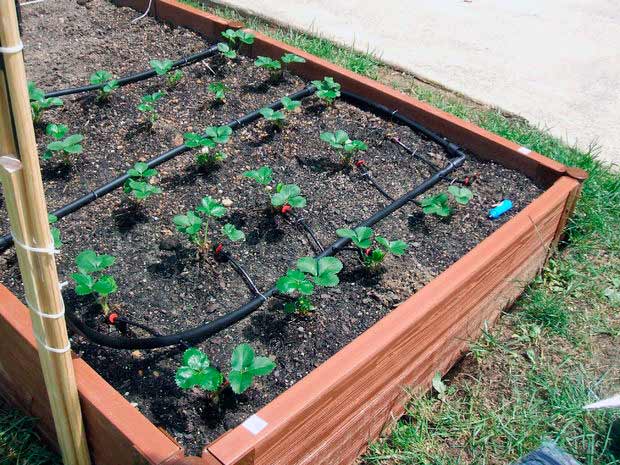
After two weeks, mulch (film or agrofibre) should be applied. The rest of the process is as follows:
- The selected material is cut according to the length and width of the beds.
- The material is carefully spread out over the area. It should lie flat, without any folds.
- Place a board or stones on each edge of the film.
- Then, markings are made across the entire surface of the material and cells for planting bushes are cut out at a distance of 35 cm with a diameter of 27 cm. It is recommended to arrange the cells in a checkerboard pattern.
Transplanting
It's best to plant seedlings in the evening. First, the soil is dug, loosened, and fertilized. Only then are the beds created. After two weeks, planting begins.
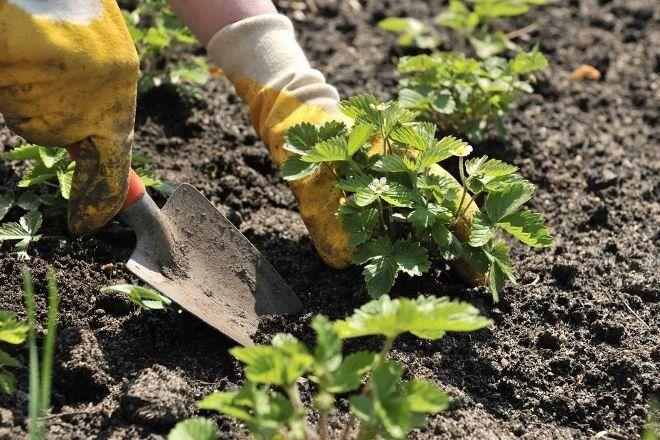
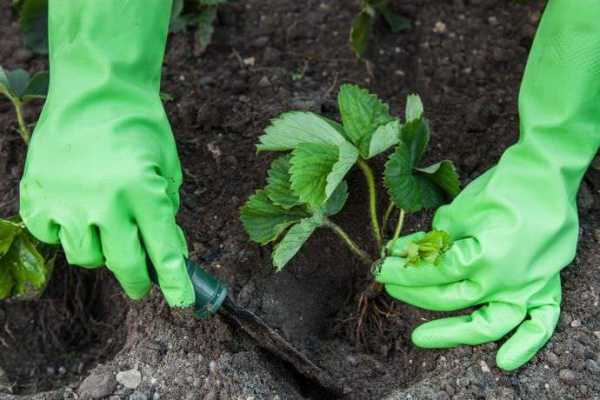
Strawberry bushes are planted in the holes made in the covering material. Shallow holes are dug, watered, the bushes are planted, and covered with soil. The first watering is done by hand. For the first few days, the seedlings should be protected from direct sunlight.
Tips for caring for the crop
To ensure a bountiful harvest, the crop requires proper care. This includes the following:
- organization of watering;
- loosening the soil;
- weed removal;
- top dressing according to the schedule;
- preventive spraying against infections and pests;
- removal of tendrils and dry leaves.

Fertilizers
Each bush produces numerous flower stalks, which require a great deal of energy to develop. Therefore, it's important to fertilize the plant regularly. Fertilizers are applied at least three times:
- In spring, the crop should be fertilized with nitrogen- and potassium-based fertilizers. It's best to use complex formulations specifically designed for strawberries.
- Once the berries begin to set, repeat the feeding process. Add a fertilizer containing calcium, potassium, phosphorus, and magnesium.
- In June, you will need to feed with ammonium nitrate and potassium sulfate.
- After the fruiting period is over, fertilize with sodium, phosphorus and potassium.
Watering strawberries
Strawberries should be watered as the soil dries out. During summer, water every three days. During hot, dry periods, water daily.
The procedure is carried out early in the morning or in the evening after sunset. Use warm, settled water. Avoid getting the leaves wet.
The crop should be watered even after harvest. Flower buds for the following season begin to form as early as midsummer. If there's not enough moisture, bud formation will stop, and the harvest for the following season will be reduced.
Protection from diseases and pests
The first spraying is done in the spring, when the first buds appear. The second treatment is done in the fall. As a preventative measure, use a solution based on Fitosporin, copper sulfate, potassium permanganate, and Bordeaux mixture. Insecticides such as Calypso, Teldor, and Actellic help protect against pests.
Related posts:
 Description of the Florence strawberry variety, planting and care features
 How to grow strawberries at home
 Description of the everbearing strawberry variety Selva and cultivation technology
 Description and characteristics of the Vima Zanta strawberry variety, planting and care scheme
 Description of the Holiday strawberry variety, cultivation and propagation methods
 Description and characteristics of the Zenga Zengana strawberry variety, planting and care
 Description and characteristics of the Elsanta strawberry variety, care and cultivation
 The best varieties and cultivation of everbearing strawberries, fertilizing and propagation