
- Reasons for lack of fruiting
- Landing errors
- Freezing of crops
- Lack of pollination
- Unsuitable climate
- Nutrient deficiency or excess
- Weed varieties
- Loss of varietal qualities
- Lack of moisture
- The selected area is too shaded
- Infectious diseases
- Insect invasion
- Agrotechnical methods for stimulating fruiting
- When should strawberries start to bloom with proper care?
- Preventive measures
Gardeners often wonder why their strawberries bloom profusely but bear no fruit. This problem has its causes and solutions. Weather conditions or improper strawberry planting can reduce yield. It's important to understand the cause of the lack of fruiting and take the necessary measures promptly. To protect strawberries from diseases and insects, preventative measures should be taken in the spring.
Reasons for lack of fruiting
Seemingly minor mistakes made by gardeners when planting and caring for flowering strawberries can significantly impact fruiting. Knowing the reasons why a plant won't produce a harvest in advance can help you take steps to ensure the right outcome.
Landing errors
Young seedlings planted after August may not have time to set flower buds before the cold weather sets in. Rosettes that appear on the runners in June or July should be rooted immediately, and separated from the mother plant and transplanted to a new location no later than August 10th. Seedlings purchased at the market should also be planted in the summer.
Seedlings planted in late autumn may fail to bloom the following season. Even the planting process itself, if performed improperly, can affect future blooms. If you cover the flower bud (heart) when planting, there will be no flowers next season.
Freezing of crops
Strawberry bushes that freeze during the winter may fail to bloom in the spring. In cold climates, it's advisable to cover strawberries with dry leaves or straw before the onset of frost. Sometimes, plants that survive the winter lose their ability to bear fruit in the spring.
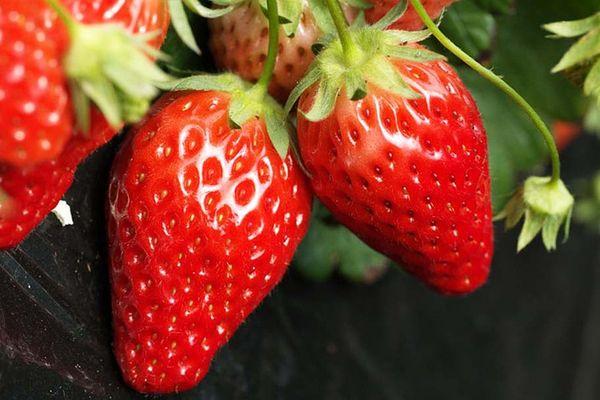
Flowers are damaged by recurrent spring frosts. If the air temperature drops to -1°C, strawberry blossoms are damaged. You can protect the bushes from spring frost by thoroughly watering the strawberry beds, covering them with plastic wrap, agrofibre, or by smoking.
Lack of pollination
If there's prolonged rain during the flowering period, insects (bees and bumblebees) won't be able to pollinate the flowers—they don't fly in the rain. This prevents berries from setting. You can cover the bushes with plastic, let the plants dry, and then brush the flowers.

Sometimes, even in sunny weather, insects rarely visit strawberry beds. Bees are very sensitive to unpleasant odors and insecticides. During flowering, strawberry plants should not be sprayed with chemicals, and fires in the garden are not recommended. To attract bees, you can spray the bushes with water and honey.
Unsuitable climate
Strawberries are heat-loving crops. For proper pollination and fruit set, temperatures need to be between 18 and 25 degrees Celsius. In cooler climates, prepared seedlings of early-ripening varieties are planted only in June. Protecting strawberry beds from inclement weather can be achieved by installing greenhouses or covering them with plastic.
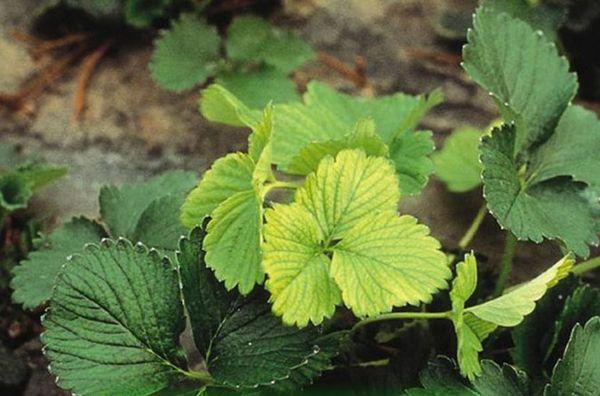
Nutrient deficiency or excess
A lack of nutrients (nitrogen, potassium, phosphorus) can result in a poor harvest. However, proper fertilization is essential, as an excess of nitrogen-containing fertilizers, for example, can lead to excessive foliage and a lack of fruiting.
At the very beginning of spring, the bushes are fed with nitrogenous substances (urea) or organic matter. Before flowering, potassium and phosphorus are added to the soil. During the fruiting period, the plants are fed with wood ash.
Weed varieties
Strawberry seedlings with large leaves purchased at the market may be weedy varieties (Bakhmutka, Zhmurka, Dubnyak, Podveska). These plants may bloom profusely but fail to produce berries. All weeds should be removed from the bed and replaced with cultivar strawberries. Healthy seedlings can be purchased from nurseries that offer a warranty on their products.
Loss of varietal qualities
Strawberries bloom well, but then bear fruit only for the first 3-5 years. As they age, the bushes lose their varietal qualities: flowers bloom, but small berries appear in their place, and sometimes no fruit sets at all.
It is recommended to renew strawberry plantings every 3 years.
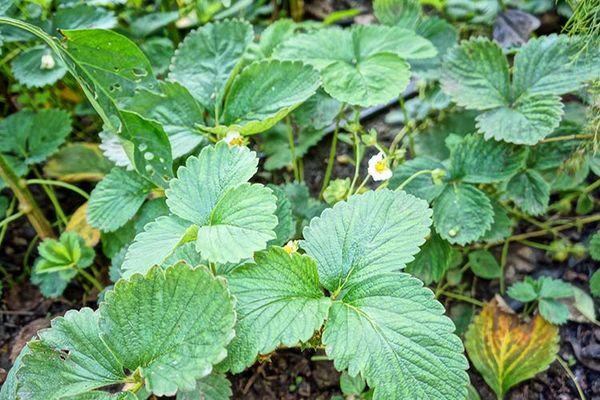
Lack of moisture
A lack of moisture and nutrients during flowering can result in very poor fruit production. The bushes require constant care, regular feeding and watering, even after harvest. If the plant lacks moisture or nutrients in August, when the flower buds are forming, the strawberry plant will bloom poorly and produce few berries the following season.
The selected area is too shaded
Strawberries absolutely cannot tolerate even light partial shade. This plant prefers sunny areas. In shaded areas, fruiting is sparse, and the berries are small and sour.
Infectious diseases
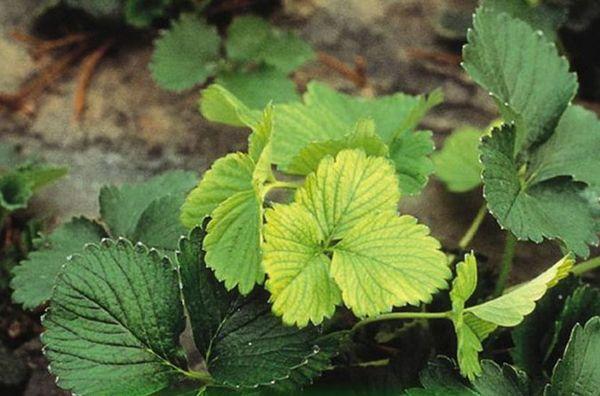
Strawberry bushes growing in nutrient-poor soil can be weakened by fungi or bacteria during rainy and cool weather. Reddish or brownish spots on the leaves, yellowing foliage, and wilting flower stalks indicate that the plant is diseased.
To prevent diseases, bushes are sprayed with fungicides (Fitosporin, Fundazol) in early spring, and the soil is watered with a solution of copper sulfate.
Insect invasion
The strawberry weevil is considered the most dangerous enemy, capable of destroying over 50 percent of the crop. This tiny, dark insect with a long snout feeds on leaves and lays eggs inside newly emerging buds. Early varieties are most susceptible to weevils.
These prolific insects can damage almost all buds by laying eggs inside them, which hatch into larvae that feed on the inner part of the unopened flower. The weevil also gnaws at the peduncle on which the bud rests. Spraying with insecticides that are low-hazard to bees (Fitoverm, Admiral, Iskra-Bio) can protect against the insect. Treatment should be done before the strawberry plants begin to bloom.
Many other insects damage strawberry crops and reduce yields: whiteflies, rose chafers, aphids, leaf beetles, nematodes, mole crickets, spider mites, slugs, and snails. Pest control can be achieved by spraying with insecticides (Actellic, Calypso, and Malathion), removing weeds, spring tillage, and treating the soil with insecticides.
Agrotechnical methods for stimulating fruiting
To promote better blooms and a larger harvest of strawberries, it's advisable to cover the bushes with agrofibre (either under a frame or spread out) in early spring. However, covered strawberry beds should be regularly ventilated and watered. During flowering, the film should be completely removed to allow bees to pollinate the flowers.
Mulching the soil with dark film or agrofibre helps speed up the ripening process and increase the yield. The spring sun will warm the soil and create conditions for rapid fruiting. Furthermore, berries growing on film are less prone to contamination and disease. However, mulching with film requires a drip irrigation system.
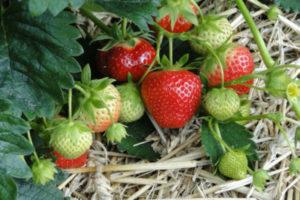
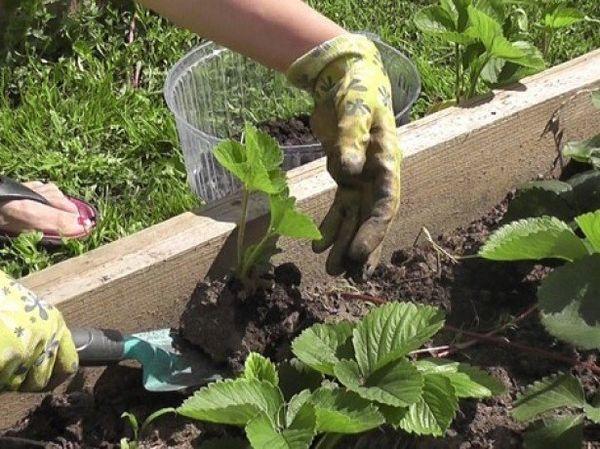
The correct variety influences the yield of berries. The most productive strawberry varieties are Honey, Kimberly, Queen Elizabeth, and Selva. It is recommended to use only high-quality planting material for planting.
Proper care of strawberry plants will help ensure a good harvest. Plants need to be rejuvenated every three years, and it's not advisable to plant new seedlings in old, nutrient-poor soil. During drought, the bushes should be watered regularly, and during periods of prolonged rainfall, they should be covered with plastic.
In spring and summer, plants need to be fed with complex fertilizers. After watering, the soil should be carefully loosened to break up the soil crust. During weeding, remove all weeds from the bed.
When should strawberries start to bloom with proper care?
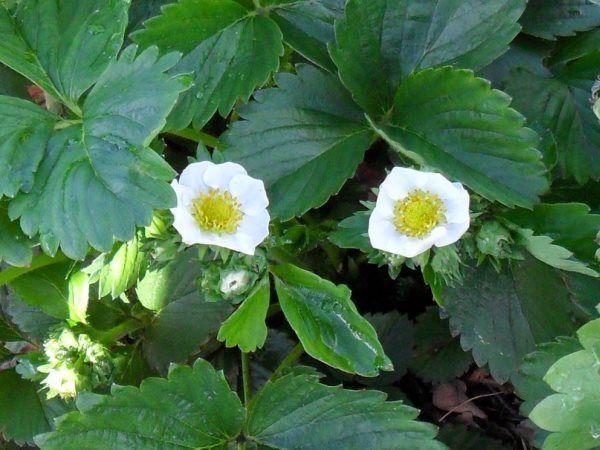
Strawberry bloom depends on the variety and the climate of the region where it grows. In southern Russia, plants bloom in early May, in central Russia in mid-May, and in northern latitudes in June. Strawberries typically bloom at the same time as lilacs and last for 2-3 weeks.
Preventive measures
Taking timely preventative measures can reduce the risk of fungal infections and insect infestations. In early spring, treat the soil with insecticides (Fitoverm) and fungicides (copper sulfate, Fitosporin).
Before flowering, green foliage is treated with biological or chemical protective agents.
It's best to remove diseased or severely infested plants from the garden immediately, as they can become a source of infection. To boost the plant's immunity, fertilize the beds with complex mineral fertilizers or organic matter. However, fertilizing should be done according to generally accepted plant standards.
Related posts:
 The best eggplant varieties for growing in a polycarbonate greenhouse: planting and care
 Growing Climbing Roses and the Top 10 Varieties, Planting, and Care in the Open Ground
 The best grape varieties for growing in the Urals, planting and care rules in summer
 Causes and treatment of eggplant pests and diseases, how to combat them at home
 Description of varieties of sowing peas and cultivation, to which family they belong
 Is it possible to grow an apricot tree from a seed in your garden? How to plant and care for it?
 Why cherries don't bear fruit and what to do about it
 Carrot care guidelines for outdoor cultivation to ensure a good harvest