
- The history of the breeding of the Clery strawberry
- Advantages and disadvantages
- Characteristics and description of the variety: bush, shoots
- Flowering and fruiting of the Clery variety
- Taste qualities of the Kleri variety berries and their further marketing
- A suitable place
- Preparing the site and seedlings of Clery
- Timing and rules for planting bushes
- Caring for the Clery crop
- Watering and fertilizing
- Loosening the soil and removing weeds
- Trimming
- Plant wintering
- Diseases and pests: control and prevention
- Cultivation of the Clery variety
- Transfer
- Gardeners' reviews of the variety
The Clery strawberry variety is one of the most popular varieties of Italian selection. It's easy to care for and is grown for sale or personal consumption. It has high resistance to diseases and harmful bugs. For successful planting and a good harvest, please read the information about strawberries below.
The history of the breeding of the Clery strawberry
The Cleri strawberry variety was developed in 1998 in Italy by breeders from the Mazzoni Group agricultural firm. Since then, it has attracted widespread cultivation not only in Europe but also in the CIS countries.
This strawberry variety has not yet been included in the Russian state register. It is usually grown for commercial use.
Advantages and disadvantages
The Clery strawberry variety has a number of advantages, but there are also some negative traits.
| Pros | Cons |
| High pulp density, long-term transportation possible | The yield is average |
| The berries are stored for a long time without losing their original appearance, do not get crushed, and do not leak juice. | Need to replace the landing site after 4 years |
| The versatility of the Clery strawberry | High cost of seedlings |
| Undemanding in care and soil | |
| High resistance to frost, diseases, and beetles |
Characteristics and description of the variety: bush, shoots
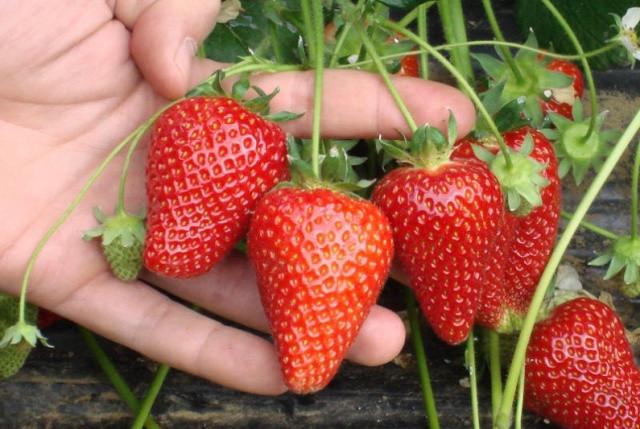
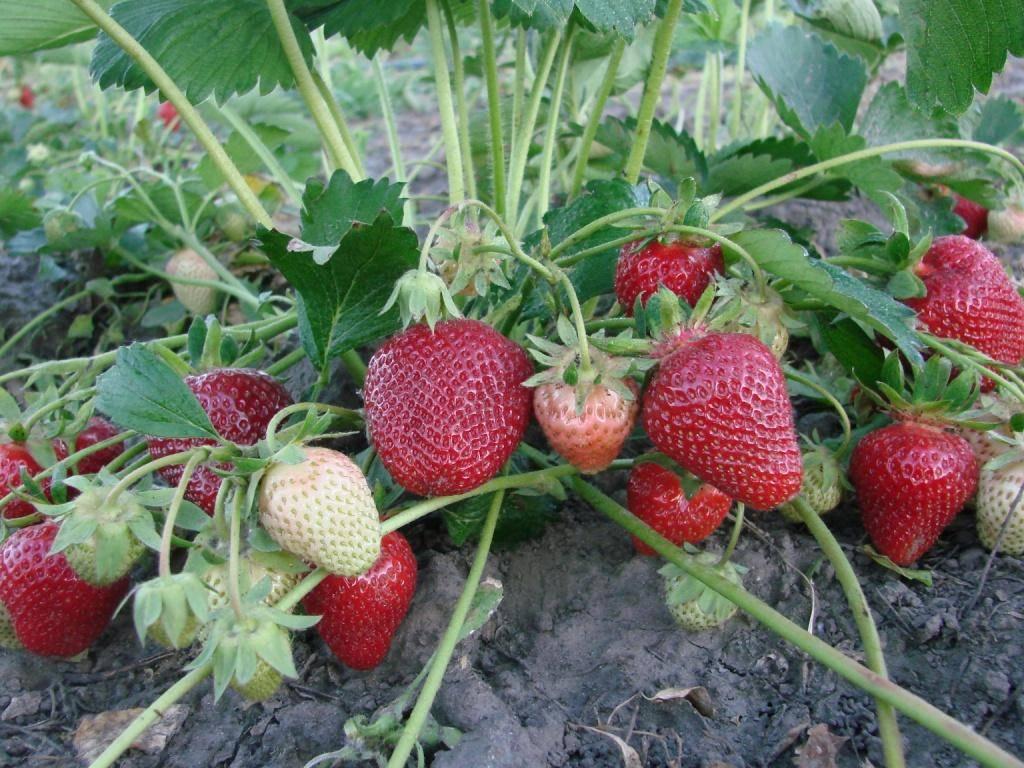
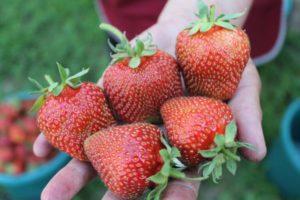
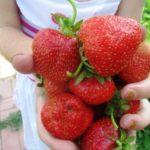
Garden strawberries are early everbearing varieties, growing as strong, compact bushes. Large, dark-green leaves with a distinctive sheen hang from tall stems. The inflorescences are snow-white with a bright center, and the fruit sets quickly. The berries are large, weighing 40 grams each. When ripe, the strawberries are red, and when they reach maturity, they turn crimson.
Flowering and fruiting of the Clery variety
Strawberries begin blooming in early May, and by the end of the month, the fruit is ripe. Numerous tendrils form, making propagation easy. They grow close to the soil and root easily. Abundant fruiting begins three years after planting. Up to 800 grams of strawberries can be harvested from a single bush. They contain a large number of vitamins and beneficial components that boost the body's defenses. Since the fruits are acid-free, they are suitable for people with high stomach acidity, ulcers, and gastritis.
Taste qualities of the Kleri variety berries and their further marketing
Taste testers rated the flavor of Clery's berries at 4.8 stars. They are sweet, almost without tartness, with a strawberry aroma. The berries can be eaten fresh, frozen, added to baked goods, and used to make preserves, jellies, and marshmallows. Strawberries can be stored without processing for up to 5 days, and for about a year in the freezer.
Take a look Also
A suitable place
It's best to plant Clery strawberries in a location with increased soil moisture. The plant produces fruit successfully in loose soils, but does not thrive in clay or dense soils. Groundwater should be at least 1 meter below the surface.
Preparing the site and seedlings of Clery
Two weeks before planting, the soil is checked for nematode larvae, wireworms, and Colorado potato beetle larvae. If any are found, the remains are collected and burned. If there are too many larvae, alkaloid lupine should be sown, as it creates an intolerable environment for them. Next, the soil is plowed to the depth of a bayonet, weeded, watered, and covered with agronomic film.
The soil is treated with ammonia water – 10 ml per 10 liters of water. In the fall, lupine is brightened and dug over. The plant enriches the soil with potassium, nitrogen, and phosphorus. Before planting, the planting material is inspected for damage and signs of beetles.
The seedlings should have strong, robust rhizomes and be undamaged. Long roots are shortened by 10 cm. Place the plants in a room with a temperature of up to 10 degrees Celsius for two days. To prevent damage to the rhizomes during the hardening period, dip them in a clay slurry. This will help the plants adapt better and reduce their exposure to adverse environmental conditions.
The bushes will easily survive until planting in the garden.
Timing and rules for planting bushes
It's best to plant Clery strawberries in early to mid-August, so the seedlings have time to take root. In the south, planting in September is possible, with a harvest in early April, but with small fruits. Planting during the May holidays is also possible. This is normal, as Clery strawberries only begin to produce large quantities of fruit after three years. Experienced gardeners recommend planting in the evening or on a cloudy day.
Planting should be carried out as follows.
- Plant seedlings at a distance of 35-40 cm from each other. The same distance should be between the beds.
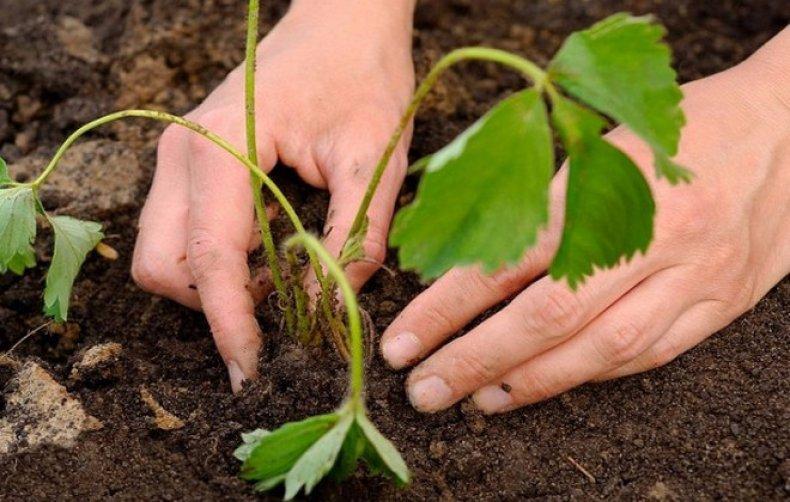
- The top bud is placed above the ground surface.
- Straighten the rhizome, press it slightly against the ground, and cover with soil.
- Water the planted seedlings with 0.5 buckets of water.
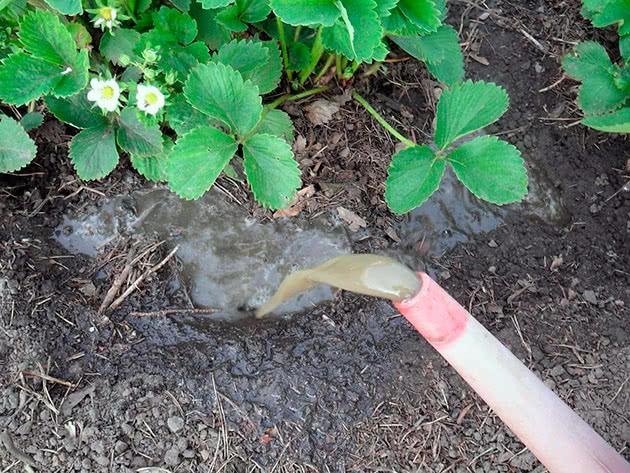
The area around the bushes is mulched with peat, sawdust, and pine needles. Dry larch wood should not be used, as it may contain pests and parasites to which strawberries are susceptible.
Caring for the Clery crop
Proper plant care involves timely watering, loosening the beds, mulching, and fertilizing. Bushes are treated for diseases and harmful bugs according to a schedule. Periodic pruning is also required.
Watering and fertilizing
Clery strawberries require regular watering. Water should be applied to the rhizome, but avoid contact with the leaves and fruit. To avoid overwatering, pay attention to weather conditions.
- When it rains and the air temperature drops, you should not moisten the soil.
- During dry periods, watering is carried out twice a week.
Strawberries are watered using a hose, a special watering can, or by sprinkling. The latter method is the most optimal. It maintains the correct moisture level in the soil. After each watering, the beds are mulched and weeds are removed.
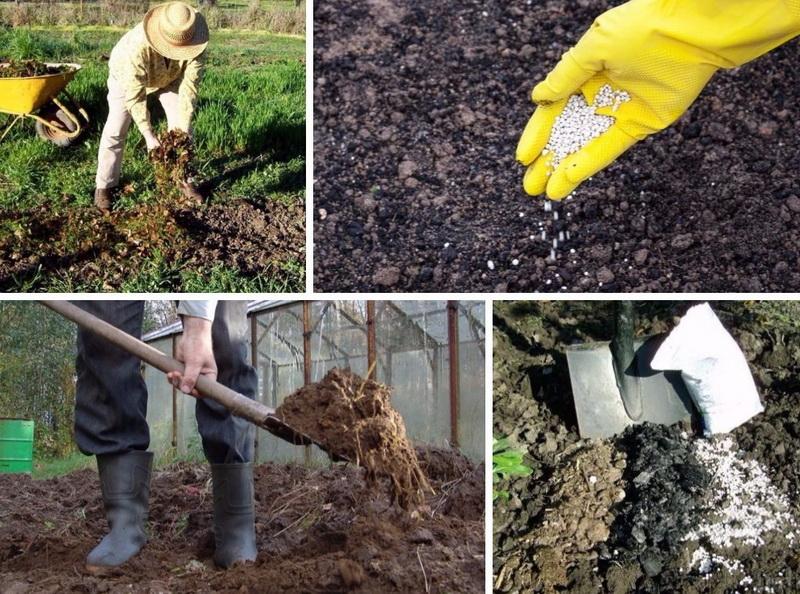
Strawberry bushes are fertilized in March, with complex fertilizers applied before flowering. During budding, nitrophoska and potassium sulfate can be added to the soil. During flowering, they are fed with fresh manure mixed with water.
Loosening the soil and removing weeds
The beds are loosened with a hoe blade after watering, carefully so as not to damage the rhizomes. Weeds are removed as they appear, as they sap the crop's energy and attract pests. Weeding improves soil aeration.
Trimming
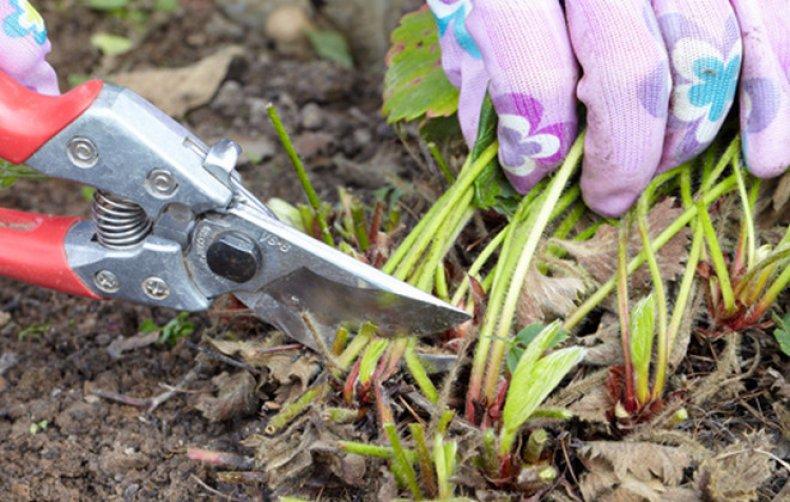
The Clery strawberry produces numerous runners. If these aren't removed promptly, the bed will be completely covered by rooted rosettes. There will be no harvest, or the berries will be small and will begin to shrink. The strawberry will devote all its energy to growing daughter plants rather than fruiting. Since numerous leaves are produced, they should be pruned, but only the dried and old ones. Green plants should not be touched.
Strawberry bushes are pruned before fruiting ends, allowing new leaves to grow before the cold weather sets in. Petioles are cut to avoid damaging the flower stalks. Use sharp, disinfected pruning shears.
Plant wintering
When growing Clery strawberries in the garden, they are covered for the winter, after trimming off the leaves, runners, and shoots. The soil under each plant is loosened to allow the rhizomes to oxygenate. The beds are mulched, covered with pine needles, straw, and hay. In areas with frosty winters, the plants are covered with agronomic fiber. When the snow begins to melt in the spring, the covering is removed to prevent the plants from rotting. Some gardeners transplant the plants into larger pots and continue growing them indoors. This allows them to fruit year-round.
Diseases and pests: control and prevention
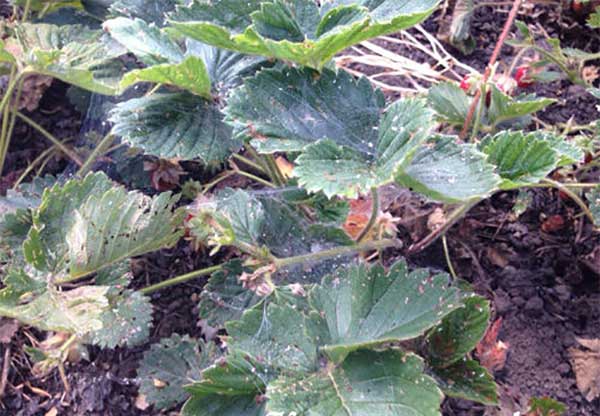
If not properly cared for, Clery strawberries are sometimes susceptible to disease or beetle attacks.
- Anthracnose. Spots 2-3 mm in diameter appear on the leaves, and the affected tissue begins to tear. The center of the plant turns brownish from the inside. White, brown, crimson, or orange spots appear on the rosettes, spreading over time along the leafy shoots. The plant gradually wilts. To prevent anthracnose, before flowering, treat the plants 2-3 times with a 2% Bordeaux mixture. At the first signs of spotting, spray the bushes with Antracol, 15 g per 10 liters, or Ridomil-Gold, 25 g per 10 liters. For more severe damage, use Bordeaux mixture, and after fruiting has completed, apply Switch at a rate of 0.75 kg per hectare.
- Aphids. Leaves curl and dry out. If there are only a few insects, they can be collected by hand. If the plant is heavily infested, you can douse it with a garlic solution. Take 200 ml of garlic juice, the same amount of onion nectar, and 150 ml of dandelion juice per 10 liters of water. You can also spray the bushes with a soap solution – 60 g per 10 liters of liquid.
- Weevil. Flower buds stop developing and dry out. To prevent beetle attacks, avoid planting strawberries near raspberries, as these crops share a common pest. Infected leaves should be regularly removed, and the soil around the bushes should be loosened. Use a potassium permanganate solution for irrigation: 5 grams per 10 liters, or Intra-Vir: 2.5 tablets per 10 liters.
- Strawberry mite. Leaves curl, wrinkle, and darken. Spray the plants with colloidal sulfur – 8 grams per 10 liters of water, or Karbofos – 60 grams per 8 liters. In severe cases, increase the dosage.
 As a preventative measure, the plant requires proper care so that its immunity does not weaken.
Cultivation of the Clery variety
It's preferable to propagate Clery strawberries using cuttings rather than seeds or rosette seedlings. Propagating from seeds can result in the wrong variety. Using rosette seedlings, the process is quite labor-intensive and unreliable. Take the strongest, healthiest three-year-old plant and divide it into two or three parts. These are planted in the standard strawberry planting method.
Transfer
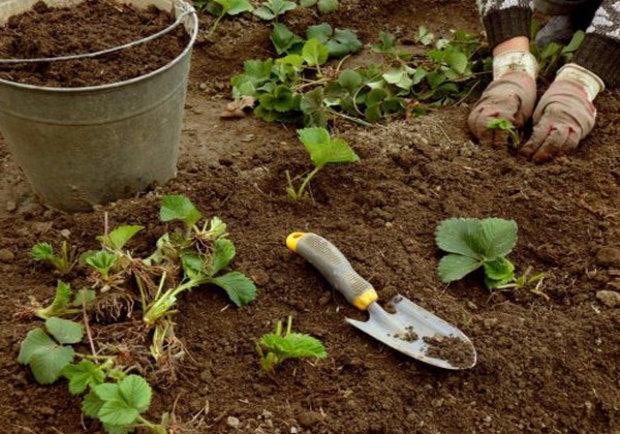
Strawberry bushes should be replanted every 3-4 years, as they significantly deplete the soil. The best time to replant is in May or August, on a cloudy day. The bush is removed from the soil, the roots are pinched back to ¼ of their length, and then immersed in a clay slurry. After replanting, the plants are mulched with peat or rotted sawdust.
Gardeners' reviews of the variety
Gardeners' feedback on the Clery strawberry is generally positive. This feedback will help you learn more about the variety.
Lyubov Kirillova, 57 years old, Kyiv
Hello everyone! Clery strawberries are one of my favorite varieties; I've been growing them at my dacha for about three years. I water them using a sprinkler, fertilize them three to four times during the growing season, and mulch them. They're easy to care for.
Viktor Georgiev, 65 years old, Energodar
Hello! I grow Clery strawberries for sale on a 10-acre plot. The harvest is small, but they sell out quickly. The berries are incredibly sweet and the flesh is juicy.
Valentina Teligina, 71 years old, Kursk
Hi everyone! I learned about the Clery strawberry online in 2017 and bought some seedlings at the market, which was quite expensive. The bushes took root and began bearing fruit abundantly in 2025. I make strawberry jam, fill pies with it, garnish ice cream with it, and eat it fresh.
Related posts:
 Timing of strawberry planting in the middle zone in autumn, description of 25 best varieties
 How to grow strawberries at home
 The best varieties and cultivation of everbearing strawberries, fertilizing and propagation
 Description and characteristics of the Vima Zanta strawberry variety, planting and care scheme
 Description of the Florence strawberry variety, planting and care features
 Description of the everbearing strawberry variety Selva and cultivation technology
 Description of the Cardinal strawberry variety, planting and cultivation
 Description of the Tsaritsa strawberry variety, planting and care features