
- General information about strawberries
- Advantages and disadvantages
- Specifics of growing the Mitze Schindler variety
- Site preparation
- Landing time
- Planting material
- Landing
- Caring for garden strawberries
- Loosening and weeding
- Fertilizing and watering
- Mulching
- Preparing for winter
- Diseases and pests of crops
- Propagation of strawberries by Mitze Schindler
- Harvesting and storage
It's hard to imagine a garden without fragrant strawberries. The dessert strawberry variety Mitze Schindler has rightfully won the hearts of lovers of this incredibly juicy and fragrant berry. Fresh fruits impress with a delicate aroma and unique flavor, bringing true pleasure to gourmets. Jams, preserves, and compotes are no less fragrant, helping to immerse oneself in the balmy summer on frosty evenings.
General information about strawberries
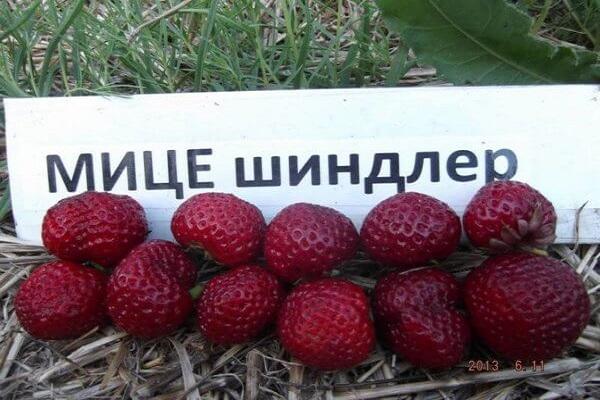
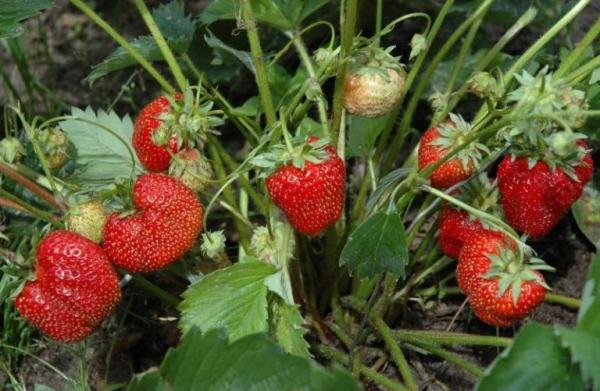
The late-ripening Mitze Schindler variety begins bearing fruit in mid-June and continues to delight gardeners with its delicious berries until autumn. It adapts well to any growing conditions and produces a uniform harvest regardless of weather, care, and watering. Fragrant, round berries ripen on a single, low bush.
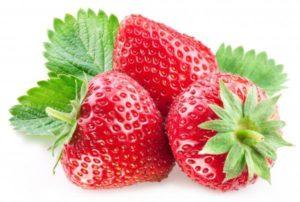
The first harvest is very large, with berries reaching 10 grams in weight. However, as the harvest progresses, the berries become smaller, with an average weight of 5 grams. When fully ripe, the berries acquire a dark cherry hue.
Advantages and disadvantages
Mitze Schindler has a number of advantages over other varieties:
- adapts well to various soils;
- resistant to frost and lack of moisture;
- is distinguished by strong immunity to diseases;
- bears fruit for a long time;
- stands out for the unique taste of its berries.
The variety has a number of disadvantages:
- is characterized by average productivity;
- slightly resistant to spotting;
- self-sterile and requires a quality pollinator;
- the berry falls to the ground and often rots;
- The abundance of released whiskers thickens the ridges and requires removal.
Specifics of growing the Mitze Schindler variety
Fruitful cultivation of Mitze Schindler is possible if several conditions are met:
- For abundant fruiting, it must be grown together with other late-ripening varieties.
- Growing the variety on black film, covering material, or a thick layer of mulch will help protect the ripening crop from rot.
- After just three to five years of active fruiting in one place, the yield decreases and the beds need to be renewed.
Site preparation
Large berry yields grow in sunny areas. Shaded areas result in delayed ripening and reduced yields. Strawberries require a pH of 5-6. Depending on soil characteristics, the acidity can be adjusted with lime, dolomite flour, or chalk.
Strawberries don't grow and bear fruit well in heavy soils. To improve the structure of such soils, add sawdust or vermiculite.
Landing time
Spring strawberry planting is especially important in northern regions with short warm periods and early autumn frosts. Here, strawberries are planted in late April. In regions with mild and warm climates, planting begins in early autumn. However, planting must be completed by September 10th.
Strawberries are planted in the evening. Cloudy or rainy days with little precipitation are chosen for this purpose.
Planting material
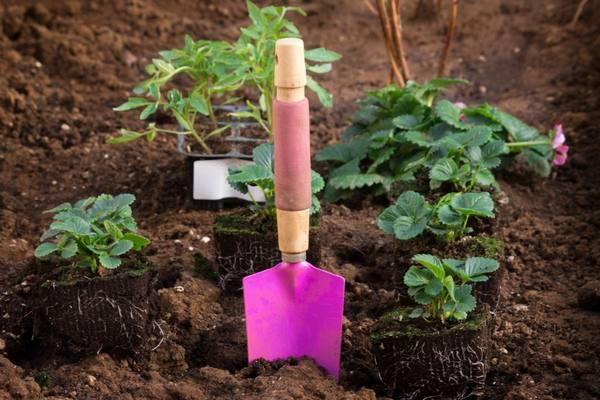
Before planting, seedlings are carefully inspected. Plants with dried-out roots or those damaged by various diseases are immediately discarded. Healthy seedlings are treated with Fitosporin, soaking them in the solution for two hours.
Landing
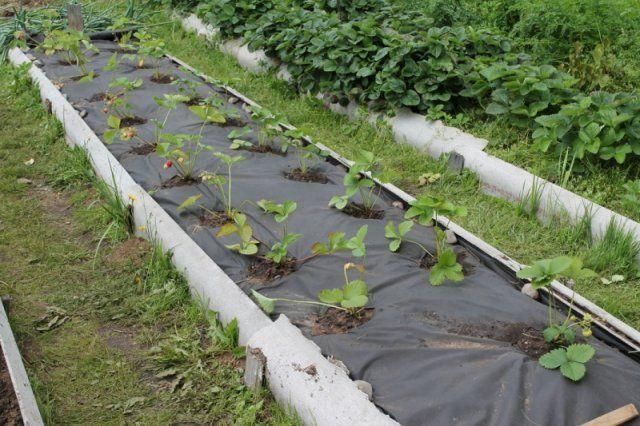
This variety is characterized by its berries lying on the ground. To preserve the harvest, it is best grown on black plastic. This method has many advantages:
- protects berries from rotting during periods of prolonged rain;
- prevents the formation of weeds;
- retains heat for a long time, so the berries ripen two weeks earlier, increasing the yield;
- berry picking is made much easier.
When planting strawberries in rows, leave at least 20 centimeters between individual plants, and 50 centimeters between rows. In limited space, strawberries can be planted in a staggered pattern.
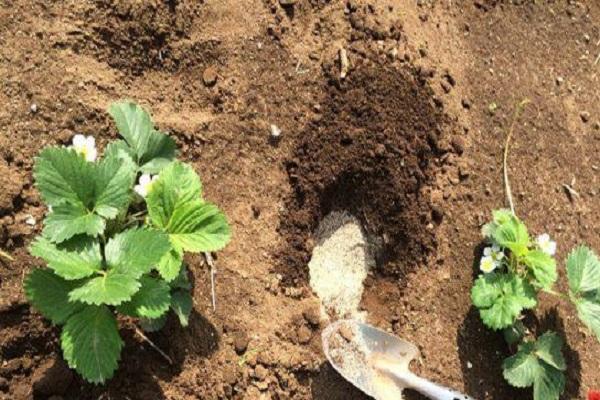
Small cross-shaped slits are made in the black film, into which the plants are planted.
Caring for garden strawberries
Systematic watering, disease prevention, fertilizing, and protection from severe frosts promote healthy plant growth and increase yields.

The main care for this variety involves periodically removing overgrown runners, as overly dense beds significantly reduce yields. In the spring, the beds are cleared of last year's dry leaves and treated for pests and diseases.
Loosening and weeding
A bed covered with fabric or film does not require additional loosening and weed removal, which saves gardeners a lot of time.

Fertilizing and watering
When growing strawberries on black plastic, drip irrigation is the most convenient option. It allows you to adjust the soil moisture according to weather conditions and doesn't require daily monitoring. Strawberries don't need fertilization during the first year. In the second year, ammonium nitrate is added to poor soils. In the third year, the berries require nitrogen fertilizers. Plants are fertilized in the spring and after harvest.
Mulching
When growing strawberries without agrofibre, some gardeners mulch the soil. Mulch serves several functions simultaneously:
- helps retain moisture;
- protects roots from freezing in winter;
- promotes improved exchange of carbon dioxide and oxygen;
- protects the upper layers of soil from erosion as a result of heavy rains and spring floods;
- When decomposing, it saturates the soil with nutrients.
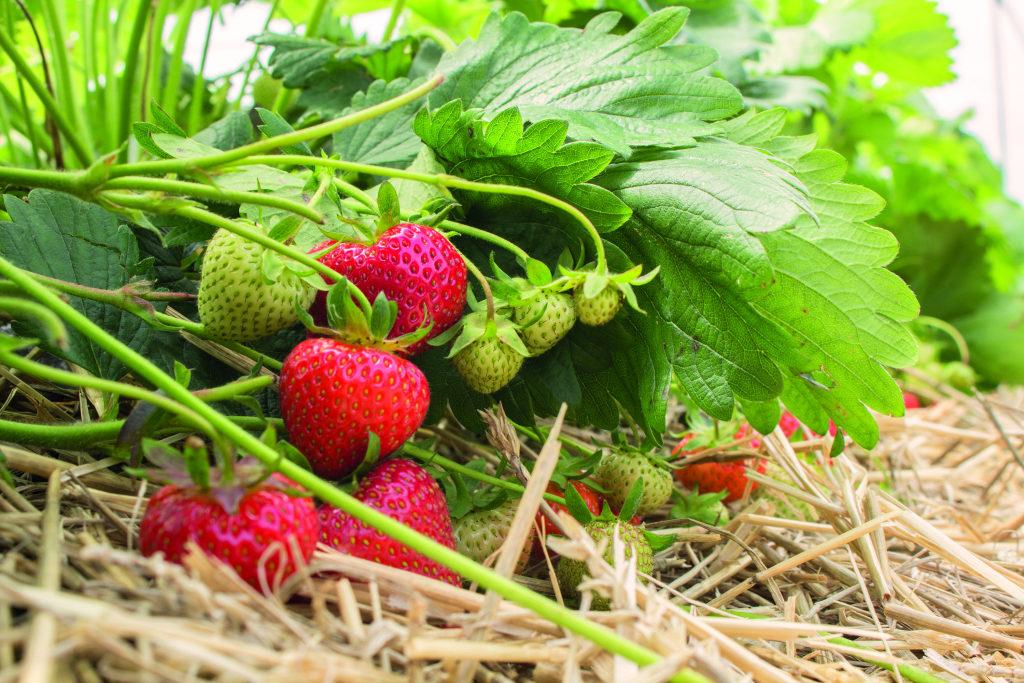
Straw is most often used for mulching beds.
Preparing for winter
In warmer regions and temperate zones, mowing and leaf removal are carried out after harvesting the berries. These measures help protect strawberries from the widespread spread of diseases common to these areas. In colder regions, dry grass is removed in the spring.
In regions with low winter temperatures, the beds are insulated to protect the roots from freezing.
Covered with a thick layer of mulch, strawberries tolerate prolonged frosts with temperatures down to -35°C. Straw, dry grass, and covering materials are used for insulation. The beds are covered no earlier than the first frost.

Diseases and pests of crops
The variety is characterized by moderate disease resistance. Quite often, the following is observed in garden beds:
- gray mold;
- powdery mildew;
- brown spot.
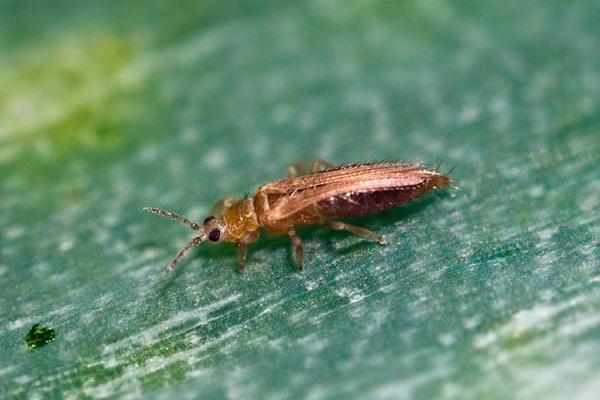
Strawberry pests that love strawberries include the strawberry mite and the weevil.
Planting marigolds around the entire perimeter of the beds helps prevent weevils and other pests without the use of chemicals.
Propagation of strawberries by Mitze Schindler
The most common method of propagation is by runners. Healthy, vigorous plants are selected for this purpose. The runners are dug into the ground to allow rooting, then carefully cut off and transplanted to their permanent location.
Harvesting and storage
It's recommended to harvest the berries immediately as they ripen. Leaving ripe strawberries on the bush for too long often leads to rot.
Mitze Schindler berries require careful handling and do not transport well. They are grown for fresh consumption and further processing. This aromatic berry makes delicious jams and preserves.
Mitze Schindler is an excellent crop for growing in a country garden. With minimal effort, it can reward you with a bountiful harvest of incredibly tasty and aromatic berries.
Related posts:
 How to grow strawberries at home
 Description of the Florence strawberry variety, planting and care features
 Description and characteristics of the Vima Zanta strawberry variety, planting and care scheme
 Description of the Holiday strawberry variety, cultivation and propagation methods
 Description and characteristics of the Zenga Zengana strawberry variety, planting and care
 Description of the everbearing strawberry variety Selva and cultivation technology
 Description of the Fireworks strawberry variety, planting and care
 The best varieties and cultivation of everbearing strawberries, fertilizing and propagation