
- Reasons for the absence of flowers or ovaries: methods for solving the problem
- Adverse weather conditions
- Weed strawberries instead of garden strawberries
- Landing errors
- Late planting of bushes
- Incorrect planting depth
- The roots are poorly straightened
- The location was chosen incorrectly
- Nitrogen overdose
- Nutrient deficiencies
- Boron deficiency
- Do not use mulching
- Disease and pest damage
- Hypothermia
- Degeneration
- Drying out
- What to do if the cause is not clear?
- When strawberries should start blooming with proper care
- Preventive measures
Many people are interested in the pressing question of why some strawberry bushes fail to bloom or bear fruit. There can be many possible causes. Most commonly, the triggers include non-compliance with agricultural guidelines, adverse weather conditions, pest infestations, and the development of various diseases. Nutrient deficiencies or excesses can also be a cause.
Reasons for the absence of flowers or ovaries: methods for solving the problem
There are many factors that can cause a lack of flowering or fruit set on strawberries.
Adverse weather conditions
In areas characterized by cold winters with insufficient snowfall, flower buds can freeze. In this situation, strawberries produce runners but do not bloom. To prevent this, insulate the beds with fallen leaves, straw, or agrofibre. Snow should be piled on the area.
Return frosts also pose a risk to strawberries. If there's a risk of freezing temperatures during the flowering period, cover the beds with plastic or non-woven material. Be sure to remove it in the morning.
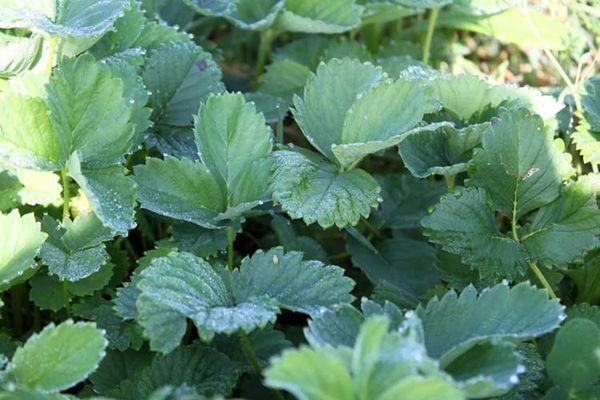
Weed strawberries instead of garden strawberries
When growing strawberries from seed, you can't be sure of the results. Weeds can grow from purchased planting material. A similar outcome is possible when buying seedlings from unscrupulous sellers.
If the strawberry plant has taken root but hasn't bloomed for 2-3 consecutive seasons, it will need to be dug up. Otherwise, the plant will overwhelm the entire plot. The same measures are taken if blooming has occurred but the resulting berries are too small.
Landing errors
Common reasons for the lack of flowering and fruiting are considered to be various errors made during planting.
Late planting of bushes
If strawberries were planted last year but are not producing flowers this season, this indicates the procedure was performed too late. This means the crop did not have time to fully establish roots before winter and was unable to gain strength in time for fruiting.
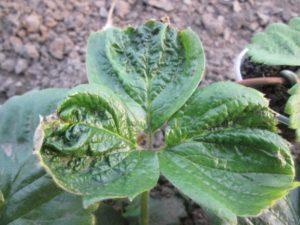
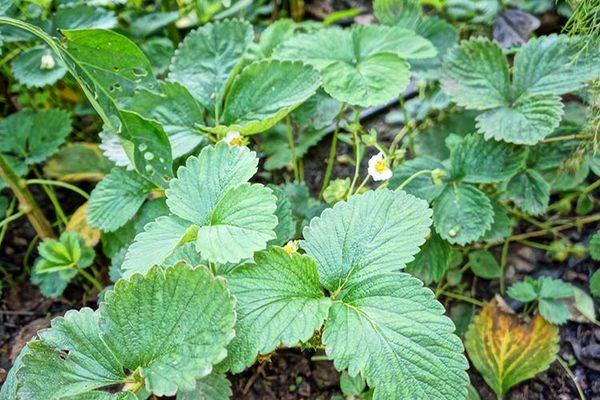
The best time to plant young rosettes is in late July or the first half of August. Postponing planting until the fall risks wasting an entire season. The bushes will begin to make up for lost time the following summer. During this period, roots and leaf rosettes will begin to grow.
In this situation, patience is key. Stronger bushes, with adequate and complete care, will certainly produce many flower buds. These strawberries will yield a bountiful harvest next season.
Incorrect planting depth
If your strawberry beds are missing flowers, it's worth carefully examining the condition of the plants. If the center of the bushes isn't at ground level, but is completely submerged in soil, don't expect flowering. Similar problems arise with completely bare centers. Such plants dry out quickly.
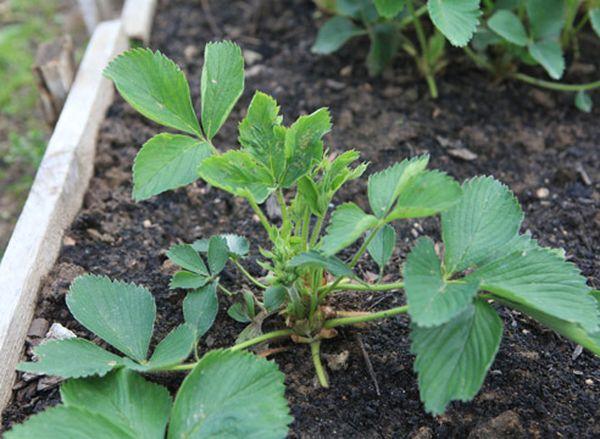
If the heart-shaped flowers are buried too deeply in the soil, it's recommended to gently loosen the soil around the rosettes. Remove any excess soil. If the heart-shaped flowers are very exposed, it's recommended to cover them with soil. A mixture of fertile soil and humus is suitable for this purpose. After watering, evaluate the results of your work again.
The roots are poorly straightened
When planting, it's crucial to carefully straighten the plant's roots. Be careful not to let them curl upward. Otherwise, the bush may die immediately. Even if this doesn't happen, don't expect good flowering or fruiting.
The location was chosen incorrectly
The problem stems from choosing the wrong location for planting strawberries. Experts strongly advise against planting strawberries after potatoes, tomatoes, and cucumbers. It's also not recommended to plant strawberries in beds where they were previously grown.
Nitrogen overdose
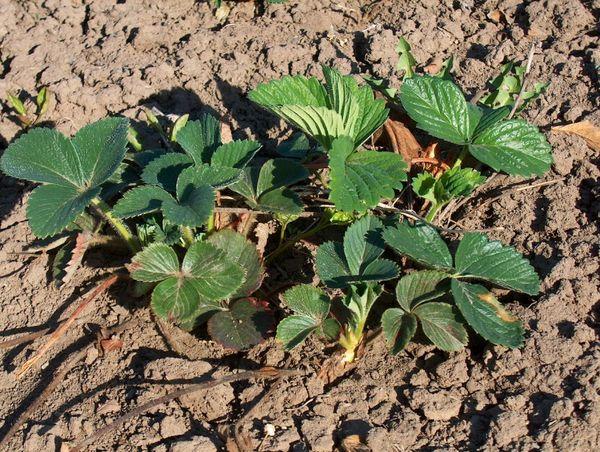
Excess nitrogen causes the strawberries to become overfed. These strawberries actively grow foliage but fail to flower.
When applying fertilizer, it is important to follow the instructions carefully.
To encourage flowering, temporarily remove fertilizer and water the plantings generously. This will help accelerate the leaching of nitrogen from the soil.

Nutrient deficiencies
Sometimes strawberries receive too few nutrients. If fertilizer wasn't applied early in the spring, don't expect abundant flowering or fruiting. In this situation, it's recommended to immediately fertilize the plants. For this purpose, use mineral and organic fertilizers.
Boron deficiency
Boron strengthens flowers and ensures fruit set. A deficiency of this element prevents strawberries from blooming or bearing fruit. To combat this problem, treat the plants with a special mixture. To do this, apply 2 grams of boron per 10 liters of water and spray the strawberries.
Do not use mulching
Strawberry beds should definitely be mulched. Ignoring this procedure can lead to various problems and reduced yields. Mulching helps prevent moisture loss, prevents weed growth, and helps enrich the soil with nutrients. Sawdust, grass clippings, and fallen leaves are all good options for mulch.
Disease and pest damage
Certain diseases and parasites prevent the plant from flowering and fruiting normally. Pests include nematodes and weevils. As for diseases, spotting and powdery mildew can cause problems.
To avoid negative consequences, it is recommended to treat plantings with fungicides and insecticides in a timely manner.
Hypothermia
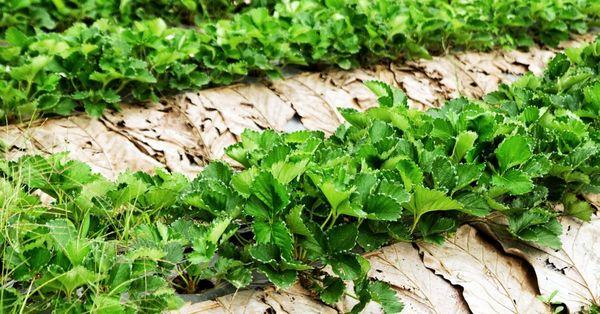
A common cause of this problem is freezing of the strawberry core during the winter. This problem occurs in frosty winters with little snow. Recurring frosts are also a trigger.
In this situation, it won't be possible to save the strawberries this season. However, there's no point in removing the plant. There's a high chance the crop will recover and produce a harvest next year. Experts advise carefully covering the bushes for the winter and during the return of frost.
Degeneration
When growing everbearing strawberries, there's a risk of them degenerating. In this situation, they will stop producing fruit after a couple of seasons. Many gardeners wonder what to do in this situation. When such problems arise, the plantings need to be renewed.
Drying out
A poor harvest and insufficient number of flowers on the bushes often indicate dry soil. Since flower buds form in August, the plant should be watered periodically until September.
What to do if the cause is not clear?
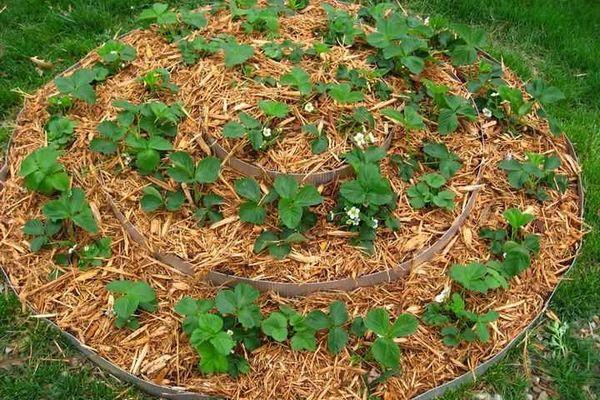
If the cause of the problem cannot be determined, it's worth creating comfortable conditions for the plant. After each watering, it's recommended to loosen the soil. This will help oxygenate the root system. Promptly removing weeds, which absorb moisture and nutrients from the soil, is also important.

Experts also recommend regularly fertilizing strawberries and performing preventative treatments against fungal infections and pests. This will help the plant recover more quickly and begin producing a bountiful harvest.
When strawberries should start blooming with proper care
Early strawberry varieties begin blooming in mid-May. Late varieties typically bloom in late May. Flowering lasts about three weeks. Strawberries planted in the fall may not bloom in the first year. This should be taken into account and planted on time.
Preventive measures
To ensure flowering and fruit set on strawberry bushes, it is important to strictly follow agricultural practices:
- get rid of dry leaves in time;
- loosen the beds;
- treat the bushes with Bordeaux mixture at a concentration of 3%;
- When flower stalks appear, treat with insecticidal preparations - this will help prevent the appearance of weevils;
- manually collect and destroy affected buds - they may contain weevil larvae;
- After harvesting, treat strawberries with preparations containing copper;
- in regions with a harsh climate, cover the beds for the winter;
- In spring, cover the plantings at night to prevent the buds and ovaries from freezing.
The absence of flowers and berries on strawberry bushes can be caused by a variety of factors. Common causes include unfavorable climate conditions, improper care, fungal infections, or pest attacks. To address the problem, it's important to determine the underlying cause and provide the plant with comprehensive care.
Related posts:
 The best varieties and cultivation of everbearing strawberries, fertilizing and propagation
 How to grow strawberries at home
 Description of the Cardinal strawberry variety, planting and cultivation
 Description and how to plant the Garland strawberry variety
 Description of the Florence strawberry variety, planting and care features
 Timing of strawberry planting in the middle zone in autumn, description of 25 best varieties
 Description of the everbearing strawberry variety Selva and cultivation technology
 Description and characteristics of the Vima Zanta strawberry variety, planting and care scheme