
- What is a strawberry pyramid?
- The main advantages and disadvantages of a pyramid garden bed
- Choosing materials and how to make a pyramidal garden bed yourself
- Tiers of stone
- Tire bed
- Pyramid of plastic pots
- From boards and boxes
- Made of alucobond panels
- How to plant strawberries?
- The nuances of caring for strawberries in a pyramid-shaped bed
- Irrigation scheme
- Loosening and weeding the soil
- Top dressing and fertilizers
- Shelter for the winter period
A strawberry pyramid not only allows for a bountiful harvest but also allows for efficient use of space and adds a unique decorative touch. This solution is beneficial for those with small gardens who want to maximize their yield. Pyramids have long been used for growing strawberries in European countries, but this innovation has only recently gained popularity in Russia.
What is a strawberry pyramid?
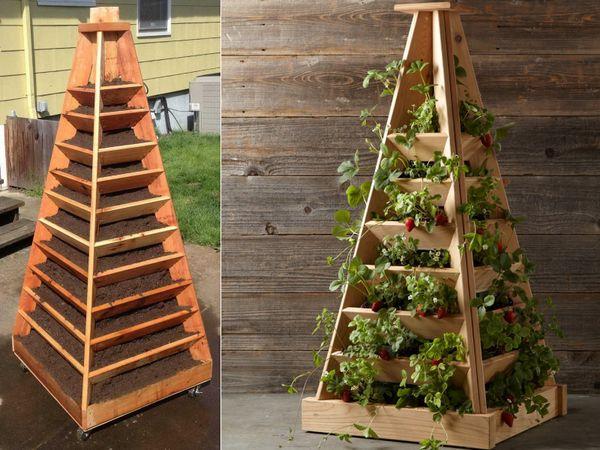
A strawberry growing pyramid is a multi-tiered structure made from various available materials:
- stone;
- boards;
- slate;
- old car tires.
The foundation of the structure is laid with reinforced mesh or agrofibre, and then the tiers are built. The structure's shape can be anything, depending on the gardener's preferences and imagination.
The installation of each individual block is completed by filling it with soil and watering it thoroughly several times. The next block is placed on top only after the soil has stopped settling. Each subsequent tier is built 0.5 m shorter than the previous one.
The main advantages and disadvantages of a pyramid garden bed
Like any growing method, the strawberry pyramid has its advantages and disadvantages. The disadvantages of this method include:
- large time costs for construction;
- consumption of materials, nutrient substrate and physical load during construction;
- the need for special care and compliance with special agricultural practices;
- the need for frequent watering;
- the soil dries unevenly across the layers;
- in winter, the upper tiers are highly exposed to cold and wind;
- In the southern regions, the upper tiers dry out significantly, and the berries can get sunburned, so such beds need artificial shading;
- There is a risk of soil erosion or subsidence in the tiers.

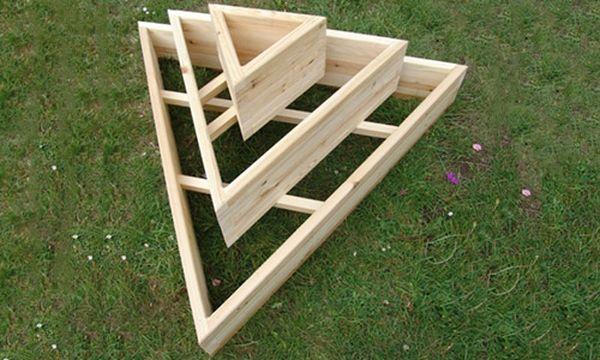
Gardeners consider the following advantages of this growing method:
- ease of harvesting;
- ripe fruits are easy to spot;
- decorative qualities;
- saving space on the site;
- the possibility of using the structure for the joint cultivation of strawberries and other crops (for example, spices or aromatic flowers).
Choosing materials and how to make a pyramidal garden bed yourself
The size and shape of a strawberry bed are chosen by the gardener based on their needs and aesthetic preferences. The number of tiers and the materials used to construct the pyramid are taken into account. A structure that is too small will be ineffective and unsightly, while a large bed is difficult to maintain.
Tiers of stone
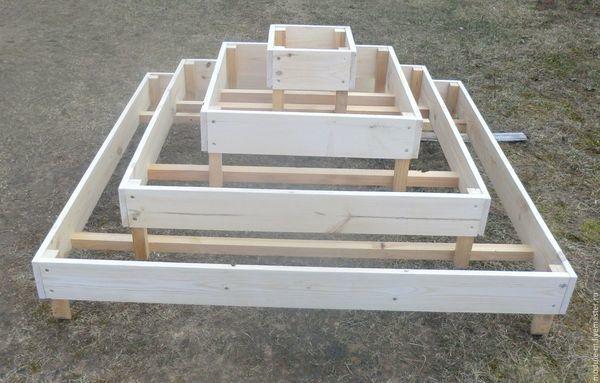
Stone tiers are not only durable and practical, but also beautiful. You can create an entire rock garden this way. The construction technique is generally the same as standard rock gardens, but careful attention to stone selection and soil preparation is essential. Otherwise, the pyramid risks sliding sideways under the weight of the stones.
Tire bed
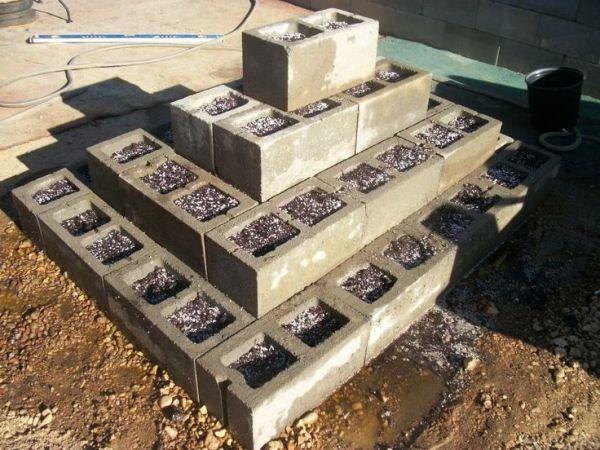
This unusual pyramid is assembled from prefabricated blocks of old car tires. The tops are first cut off. Depending on the shape of the strawberry growing structure, a hole is dug and the first tier is constructed. Then, soil is filled in, and the process is repeated.
Some gardeners note that this design creates an artificial appearance and doesn't blend well with a blooming area. To give the pyramid a decorative quality, you can paint it or use other decorative options.
Pyramid of plastic pots
Clay or plastic pots are used as building material for the pyramid. They are filled with a nutritious soil mixture, and the pots themselves are stacked on top of each other in tiers. The disadvantage of this design is its instability. To accommodate a sufficient number of pots, the base must be very wide.
From boards and boxes
Wooden pyramids fit beautifully into any landscape. Building one isn't particularly difficult. You'll need boards about 20 cm wide and 1.5-2.5 m long. They're sanded first, then nailed together using metal corners and screws.
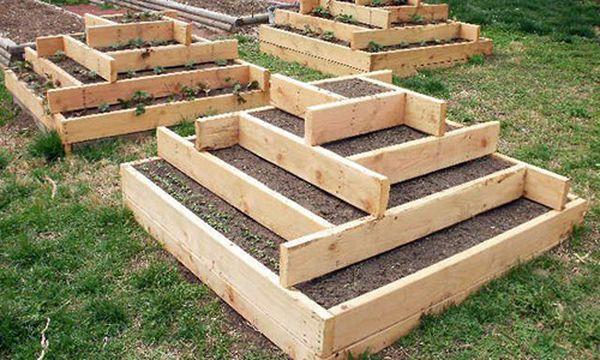
In this way, squares are formed—the blocks that will form the future pyramid. The length of the boards for each subsequent tier is taken 0.5 m shorter than the previous one. To ensure the structure lasts as long as possible, it is recommended to varnish or paint the wood with oil paint.
The technology for constructing a strawberry pyramid from wooden crates is similar to the process used for building one from car tires. However, the wood is first sanded and varnished.
Made of alucobond panels
This material attracts attention because you can choose the color of the aluminum panel you like. However, you cannot build a pyramid from dark aluminum composite, as the bed will overheat significantly during the summer. The construction technology is similar to building a structure from planks, but the version made from aluminum panels will be more durable.
How to plant strawberries?
Growing strawberries in pyramids is becoming increasingly popular among gardeners. The planting process is no different from that in a regular garden bed. If the soil is too compacted, loosen it with a spatula. The core of the seedling should be at ground level. Container-rooted plants are planted at the same depth they were growing in the container.
The nuances of caring for strawberries in a pyramid-shaped bed
A strawberry pyramid will only be worth the cost and expectations if the plants are properly cared for. This is somewhat different from standard care in a regular garden bed.
Irrigation scheme
When watering strawberries grown in a pyramid, it's best to use drip irrigation tape or sprinklers. Use a garden hose very carefully, watering only when the soil dries out.
Loosening and weeding the soil
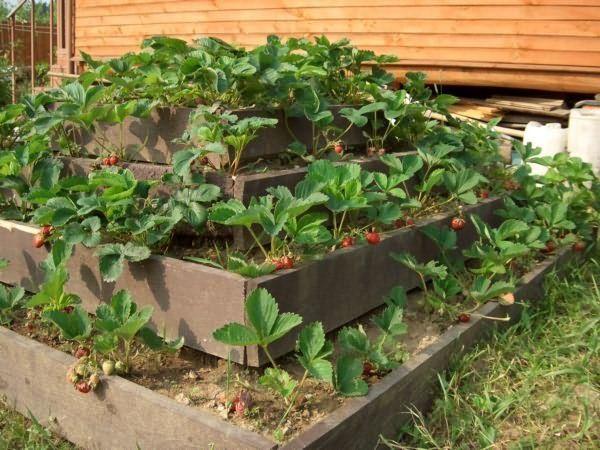
The soil within the pyramid tiers should not become compacted, so loosening is carried out regularly. Weeds are removed at the initial stage of emergence, before they enter the active growth phase and their root system becomes entangled with the strawberry roots.
Top dressing and fertilizers
The composition and application schedule for strawberries grown in pyramids are no different from those applied to regular beds. As soon as the green mass begins to grow, the plants are fed with nitrogen, and before flowering and during fruiting, the beds are fertilized with potassium and phosphorus.
Shelter for the winter period
The easiest way to cover a pyramidal garden bed for the winter is with agrofibre. Multi-tiered structures require mandatory insulation, as they are particularly vulnerable during the cold season. Do not use film for covering. Otherwise, the strawberries will have to be replanted in the spring.
Related posts:
 How to grow strawberries at home
 Description of the Florence strawberry variety, planting and care features
 Description and characteristics of the Vima Zanta strawberry variety, planting and care scheme
 Description of the everbearing strawberry variety Selva and cultivation technology
 The best varieties and cultivation of everbearing strawberries, fertilizing and propagation
 Description and how to plant the Garland strawberry variety
 Description of the Holiday strawberry variety, cultivation and propagation methods
 Timing and rules for fertilizing strawberries, and the best fertilizer for a good harvest