
- Types of fertilizers for cucumbers in a greenhouse
- Types of organic fertilizers
- Mineral fertilizers
- Complex fertilizers
- Types of fertilizing cucumbers in a greenhouse
- Foliar
- Root
- Fertilizing cucumbers during the growing season
- Seedling preparation stage
- When landing
- During flowering
- During fruiting
- How to determine what a plant lacks
- Potassium deficiency
- Nitrogen deficiency
- Magnesium deficiency
- Calcium deficiency
- Boron deficiency
- Phosphorus deficiency
- Molybdenum deficiency
- Iron deficiency
- Deficiency of copper, zinc and manganese
- Conclusion
Cucumbers are a vegetable most often grown in gardens or greenhouses. To ensure healthy growth, the soil must be adequately nutrient-rich. Therefore, it's important to understand the specifics of fertilizing cucumbers in a greenhouse and decide when and which fertilizers to use.
Types of fertilizers for cucumbers in a greenhouse
Before planting cucumbers or tomatoes in a garden or greenhouse, you need to familiarize yourself with the main types of fertilizers.
Types of organic fertilizers
To promote better seedling growth, experts recommend adding organic fertilizer to the soil, as it contains the nutrients cucumbers need. There are several types of natural organic fertilizers that are often used when growing vegetables:
- Manure. The most common fertilizer used for growing all vegetable crops. Experienced vegetable growers recommend adding rotted manure to the soil at least twice a season.
- Peat. Peat fertilizers are recommended to enrich the soil with micronutrients and increase the yield of planted plants. Peat is also used to reduce nitrate levels in cucumbers.
- Poultry manure. Chicken manure is applied in late spring, after planting the cucumber seedlings.
Mineral fertilizers
Mineral fertilizers are often used in agriculture to grow most types of vegetables. The most effective mineral fertilizers include:
- Nitrogen. This component improves seedling growth and increases crop yields. Nitrogen can be used in solid form or dissolved in water to create a nitrogen solution. This component is added to the soil in the fall, before tilling the plot.
- Superphosphate. To improve cucumber fruiting, superphosphate is added to the soil. One of the advantages of this component is that it is suitable for all soil types. It is used not only for growing fruits and vegetables, but also flowers.
- Calcium. It is recommended to fertilize plants with calcium-containing compounds in the fall, during the soil-digging period. Calcium is used when growing vegetables and grain crops.
Complex fertilizers
Those planning to grow cucumbers in arid regions are better off using complex fertilizers. These complex fertilizers contain phosphorus, nitrogen, and potassium, which are essential for the normal growth of cucumber seedlings.
Common complex fertilizers include:
- Nitrogen phosphate. This is a good fertilizer containing nitrogen and dissolved phosphorus. Nitrogen phosphate is a universal component suitable for all vegetables and soil types.
- Nitrophoska. A fertilizer made from nitrophoska is added to the soil 2-3 weeks before sowing cucumber seeds.
- Compost. To increase crop yields, compost is often used. It is made from animal or plant waste.
Types of fertilizing cucumbers in a greenhouse
Before How to feed cucumbers After planting in a greenhouse, you need to familiarize yourself with the two main types of fertilizers.
Foliar
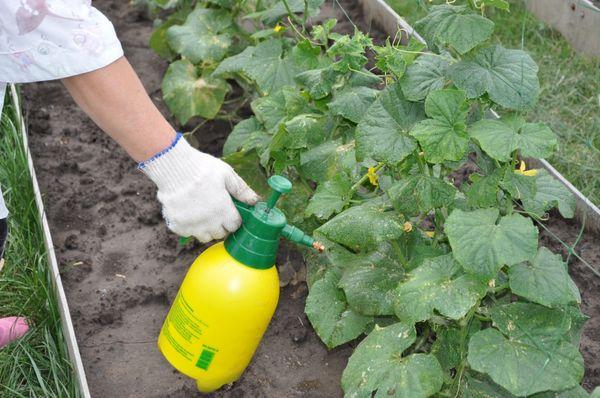
When developing a fertilizing schedule, it's important to include foliar fertilizers. This method involves spraying the bushes with nutrients rather than watering.
Solutions for foliar feeding of seedlings can be prepared by hand or purchased in specialized stores.
The main advantages of this method are the reduced consumption of micronutrients and the rapid onset of positive effects after spraying. Disadvantages include the fact that foliar feeding cannot be the primary source of nutrients. It is used in conjunction with root fertilization.
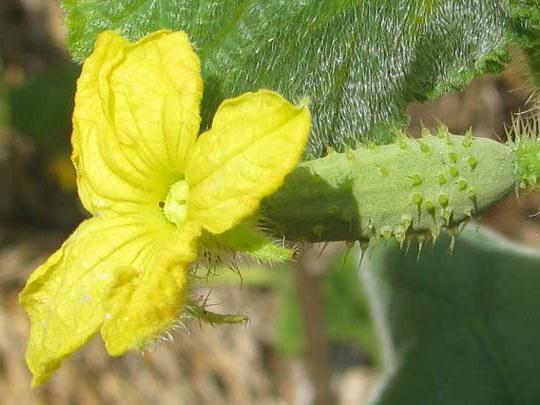
There are several recipes for preparing highly effective fertilizer mixtures:
- Mineral solution. To create your own solution rich in mineral components, add 35 grams of potassium nitrate, 15 grams of superphosphate, and 1 gram of manganese to 10 liters of water. Mix all ingredients thoroughly in the water, then spray the cucumbers with the mixture.
- Boric acid. A mixture prepared according to this recipe is used if shrubs are not growing well. Add 55 grams of the acid and 15 crystals of potassium permanganate to a liter of warm water. Stir the solution and let it steep for 25 minutes.
Effective ready-made products for treating seedlings include products such as "Epin" and "Zircon." Five to six liters of the product are used per square meter of beds.
Root
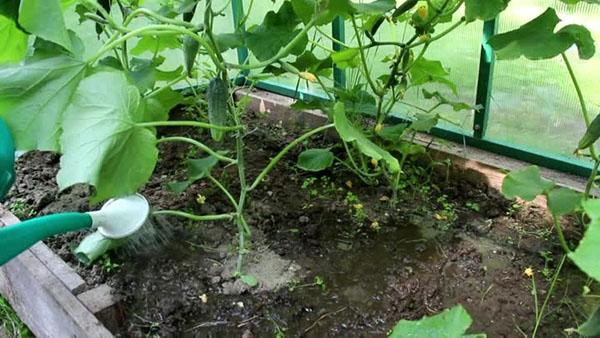
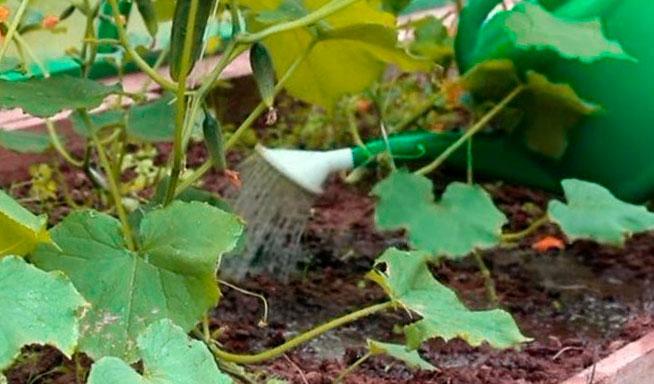
Those who plant cucumbers in a greenhouse should apply a root fertilizing mixture. This will help ensure the vegetables receive sufficient amounts of beneficial micronutrients.
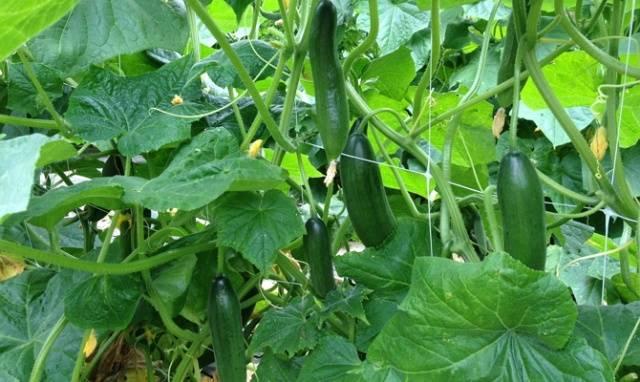
To make fertilization more effective, it's important to choose the right timing. Experienced gardeners recommend watering seedlings with mineral or organic fertilizers on cloudy days or after heavy rainfall. Alternating root and foliar applications of fertilizers will help improve fruiting.
Fertilizing cucumbers during the growing season
To create a schedule for adding fertilizers, you need to familiarize yourself with the nuances of fertilizing vegetables during different growing seasons.
Seedling preparation stage
While growing seedlings, you don't need to feed them, as they don't require additional nutrients. However, there are certain conditions that require fertilizing cucumber seedlings. Experts recommend using a fertilizer infusion if weakened seedlings have stopped growing. In this case, use a complex fertilizer.
When landing
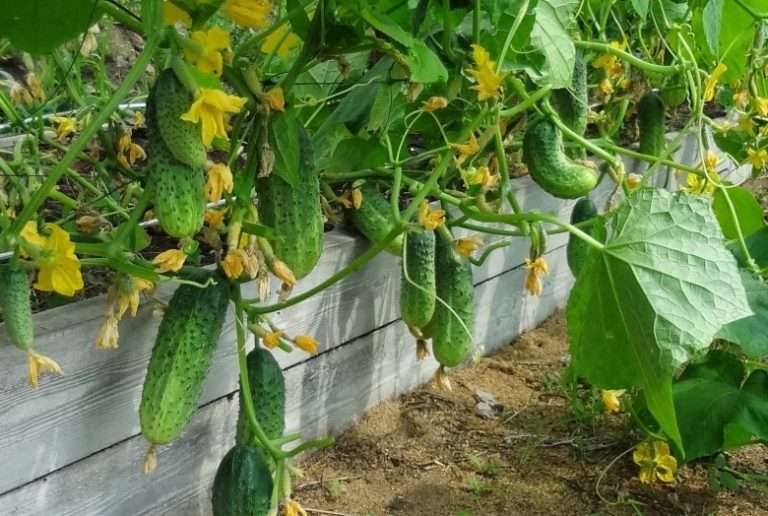
Before planting cucumbers in your garden, add a solution containing urea, manure, and chicken manure to the soil. These fertilizers will enrich the soil with beneficial components, which will help the transplanted seedlings grow better.
Many people are interested in how to feed cucumbers in a greenhouse 2 weeks after planting.
After planting, experts recommend using mineral compounds made from potassium salt, superphosphate, nitrate, and diammophoska.
During flowering
During the active flowering period, it's important to ensure the plants have sufficient nutrients. If they don't, all the plants will begin to produce barren flowers, which will negatively impact cucumber yield.
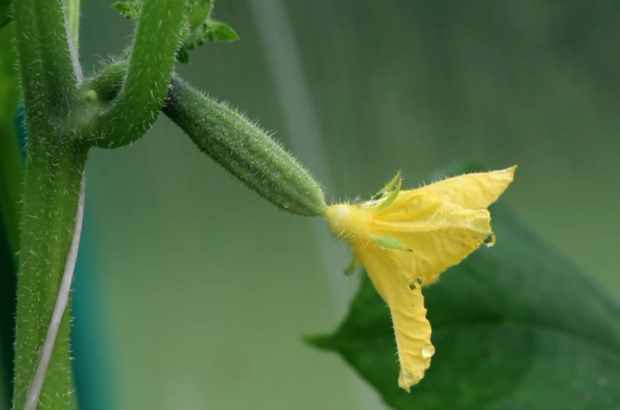
To ensure better flowering, fertilizers rich in potassium are added to the soil. The most effective fertilizers include manure, cow dung, and wood ash.
During fruiting
When the first fruit appears on the bushes, they begin to be intensively fed. It's recommended to research the products used for fruiting in advance. Experts recommend using Ideal and Kormilets fertilizers. Cucumber fruit will also develop better if you water the bushes with a potassium sulfate solution.
How to determine what a plant lacks
Sometimes a greenhouse cucumber begins to grow poorly because it lacks one or another component.
Potassium deficiency
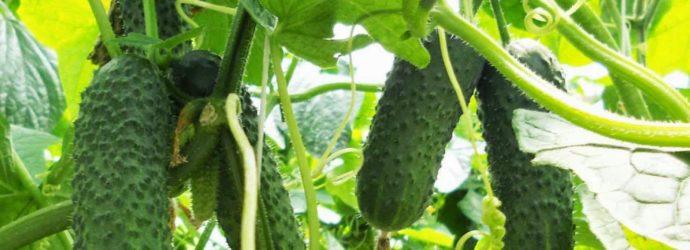
Insufficient potassium intake negatively impacts the development of cucumber fruits. It's easy to tell when cucumber plants are starting to lack potassium fertilizer, as all cucumber fruits become wilted. A solution made from wood ash can help combat potassium deficiency.
Nitrogen deficiency
People who don't know how to properly care for their cucumber plants often encounter nitrogen deficiency. If the soil lacks nitrogen, all the cucumbers become deformed and hooked. At the same time, the leaves on the bushes gradually turn yellow and dry out.
To correct nitrogen deficiency, a natural herbal solution is used instead of nitrogen-containing chemicals. It is prepared using a folk recipe: 2 kilograms of fresh herbs are soaked in water for two weeks, after which the resulting solution is used to water the cucumbers.
Magnesium deficiency
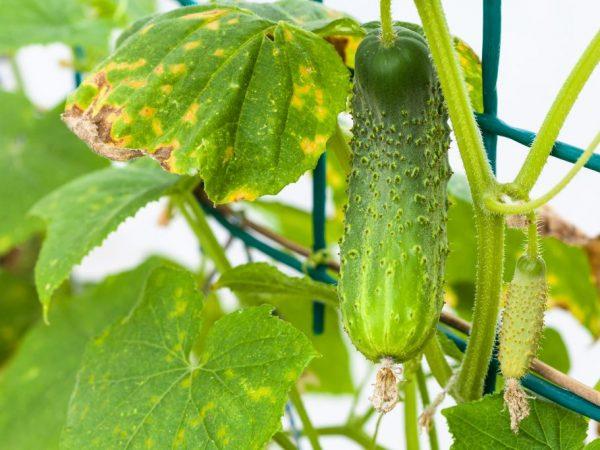
A magnesium deficiency causes light-colored spots on the foliage of plants. Some gardeners don't know what to do when this problem occurs. Gardeners recommend adding superphosphate and a yeast-based solution.
Calcium deficiency
Calcium deficiency occurs if the crop was planted in acidic soil. A poor harvest and yellow spots on the leaves indicate a calcium deficiency. When these symptoms appear, water the plants with a solution containing milk and mullein.
Boron deficiency
Boron deficiency is indicated by deformed and shortened stems. Also, due to a lack of this mineral, leaves on bushes turn yellow and brittle. Spring is the most common time for boron deficiency to occur. To address this spring deficiency, a boron solution is added to the soil.
Phosphorus deficiency
Cucumbers grown in polycarbonate greenhouses often suffer from phosphorus deficiency. This causes every other leaf on the plant to darken and gradually wilt. Iodine and wood ash can help correct this deficiency.
Molybdenum deficiency
Molybdenum deficiency negatively impacts plant immunity. Leaves also dry out and curl at the edges. To correct this deficiency, boric acid and ammonium molybdate solution are used.
Iron deficiency
Iron deficiency occurs due to elevated nitrogen levels in the soil. This problem can arise if ammonia is frequently used as a fertilizer. Citric acid and copper sulfate will help cope with iron deficiency.
Deficiency of copper, zinc and manganese
A deficiency of manganese, zinc, and copper is indicated by darkening of young leaves. This problem can be addressed with a solution of potassium permanganate, copper sulfate, and zinc sulfate.
Conclusion
Vegetable growers who grow cucumbers in greenhouses need to fertilize them frequently. Before doing so, they need to decide when to fertilize the plants for the first time and what products to use.
Related posts:
 What fertilizers and when to use for feeding tomatoes in a greenhouse
 The best eggplant varieties for growing in a polycarbonate greenhouse: planting and care
 How to determine which micronutrients cucumbers lack and what to feed them with
 Growing and caring for hazelnuts in open ground, rules for planting hazelnuts
 Methods for planting and propagating cherries at home
 Is it possible to soak treated cucumber seeds before planting and how to do it correctly?
 How to prune grapes step by step for beginners
 Rules for planting and caring for pears in open ground, how to grow them correctly