
- General description of fennel
- The value of the plant
- In nutrition
- In medicine
- Varieties and types
- The subtleties of growing crops
- Selecting a site
- Predecessors
- Lighting requirements
- Soil for planting
- Planting dates
- How to plant fennel
- Root division
- Sowing seeds
- Seedlings
- Recommendations for crop care
- Watering and fertilizing
- Hilling up the bush
- Mulching
- Shelter for the winter
- Protection from diseases and pests
- Harvesting and storage of crops
- Cutting greens
- Harvesting the cabbage heads
Gardeners often confuse fennel with common dill. Growing and caring for it outdoors is more challenging than the dill familiar to gardeners. The plants also have a very different scent. However, fennel has medicinal properties and a wealth of vitamins. This crop has figured in ancient myths and beliefs. It's not often found in gardens, but its former popularity is returning each year, and this undeservedly forgotten plant is attracting increasing interest from gardeners.
General description of fennel
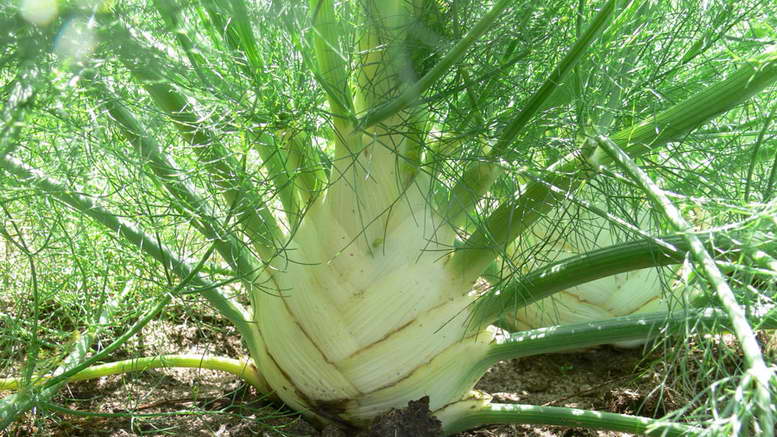
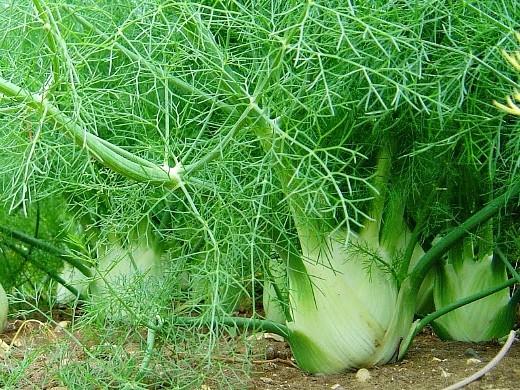
Fennel is a striking member of the Apiaceae family. It is considered a perennial, but is often grown as an annual in gardens. The most popular variety is the vegetable variety, which yields healthy and tasty heads.
Fennel has an erect stem that reaches 2 meters in height. The foliage is very similar to dill. The seeds are small and sweet in taste. Almost all parts of the plant are edible:
- roots after heat treatment;
- shoots;
- bulb;
- seeds;
- green;
- oil.
The value of the plant
Fennel contains a huge supply of vitamins and beneficial microelements, which are concentrated in all parts of the plant. Eating it is beneficial for health.
In nutrition
Fennel seeds and oil are used as a culinary spice. The green pulp has a sweet yet refreshing flavor. It is used primarily raw in salads and desserts. Fennel fruits also contain vitamins and are used in baking bread, pickling vegetables, and home canning. In Caucasian cuisine, the greens of this plant are practically indispensable.
In medicine
Fennel has been used medicinally since ancient times. Hippocrates himself recommended it to patients:
- for the treatment of eye diseases;
- as an expectorant;
- for washing the kidneys as a diuretic.
Modern cough elixirs are based on fennel essential oils. The fruit has not only laxative but also sedative and choleretic properties. For young children, so-called dill water is prepared from the seeds of this plant, which helps relieve bloating. Fennel-based infusions increase stress resistance, normalize sleep, and when applied externally, relieve dermatitis, acne, and furunculosis.
For problems with blood vessels or circulatory disorders, the use of this medicinal plant is also recommended.
Varieties and types
Gardeners aren't spoiled by the variety of fennel cultivars and varieties available. Currently, only two main types have been identified: vegetable fennel and common fennel. The former is cultivated for its stems and fleshy petioles, while the latter produces seeds and leaves. Gardeners sometimes simply call root fennel "sweet fennel." It grows up to 2 meters tall. Beekeepers often use the plant to feed bees. Among the vegetable varieties, the most widely used is Udalets, characterized by a mid-season ripening period.

Also popular are:
- Luzhnikovsky Semko;
- Soprano;
- Corvette;
- Leader;
- Rudy;
- Crimean;
- Sicilian.
The subtleties of growing crops
This seemingly ordinary and unremarkable plant is quite capricious. Beginner gardeners may find fennel cultivation challenging. In reality, it's not that difficult if you consider the plant's basic needs and provide it with proper care.
Selecting a site
The success of growing fennel largely depends on the correct choice of planting location, soil quality, and subsequent care.
Predecessors
Fennel doesn't like being near other crops; it's recommended to plant it separately. The plant's root system spreads in all directions, thereby absorbing all the moisture. Planting it nearby with spinach, sorrel, legumes, peppers, or caraway seeds is detrimental.
This crop takes root best in beds where potatoes, peas, cabbage or cucumbers were previously grown.
Lighting requirements
Fennel should only be grown in well-lit areas. Sunlight should reach the beds evenly throughout the day. Avoid planting nearby plants that create shade. The only exception is vegetable varieties, which have difficulty forming heads in excess light and long daylight hours.
Soil for planting
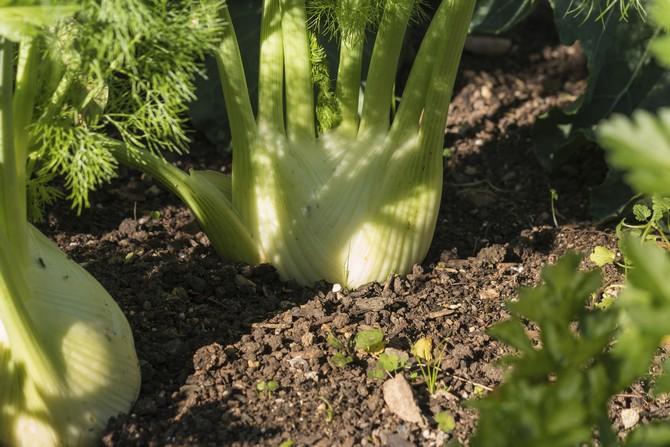
Fennel is very picky about soil. It doesn't thrive in abandoned plots, poor soil, or poorly cultivated beds. It prefers dense, slightly alkaline soil with plenty of fertilizer. The crop should not be planted in light, poorly loosened soil with a low supply of nutrients.
Planting dates
Fennel seeds are sown outdoors in spring (in the second half of April) or fall (a month before frost sets in). In the latter case, cover the seeds to prevent them from freezing in extreme cold. When sowing in spring, it's recommended to cover the beds with plastic to retain moisture and heat.
How to plant fennel
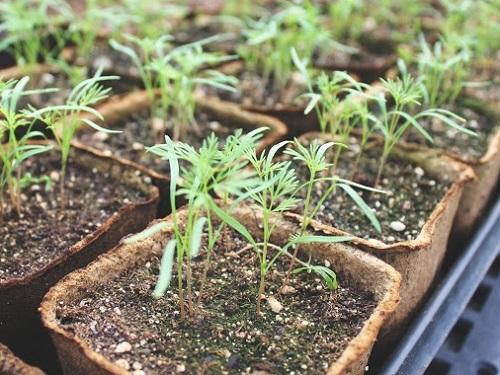
Growing fennel indoors turns out to be quite challenging. The beds need to be carefully prepared in advance. Then, shallow furrows (about 1.5 cm) are made and the seeds are sown. The distance between rows is 0.5 m for vegetable fennel and 0.35 m for regular varieties. If the air temperature remains at 8°C, the first shoots will appear within a week. If space is limited, avoid dense plantings or reducing the recommended spacing. Otherwise, the crop will not receive adequate sunlight and will not develop properly.
Take a look Also
Root division
Growing fennel vegetatively is problematic. Only mature plants are suitable for root division, and in temperate climates, this crop is grown primarily as an annual. Furthermore, the survival rate of plants planted this way is quite low. When dividing, it's important not to damage the root. Carefully dig up the plant and divide it into several sections, each containing at least two growing points.
Sowing seeds
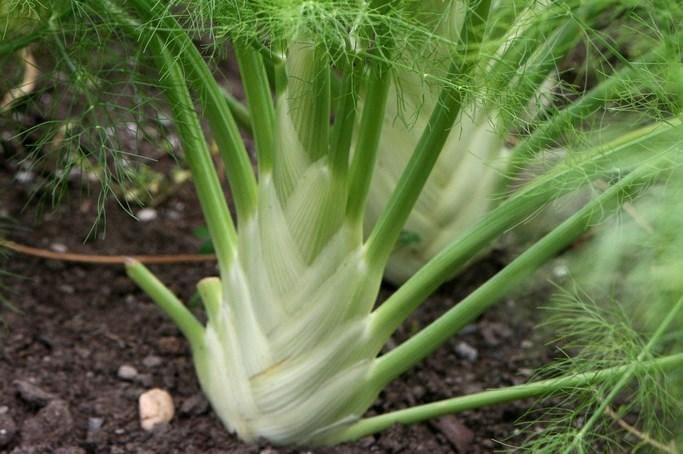
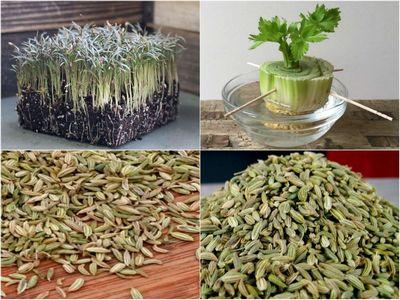
Fennel seeds are sown in prepared beds when the soil has warmed and the average daily temperature is at least 8°C. The seeds are spread in shallow furrows, watered, and covered with plastic wrap until germination. Sowing seeds is the simplest, most reliable, and most affordable way to grow this crop.
Seedlings
In areas with short summers, it's recommended to plant fennel varieties using seedlings. Sowing occurs in March. Young plants should be about 45 days old by the time they're planted outdoors. Sow seeds in seedling trays with nutritious potting soil, as well as in individual containers. When transplanting, it's recommended to transfer the seedlings to their permanent location with the root ball intact to ensure better establishment.
Recommendations for crop care
Caring for fennel is no less labor-intensive than growing seedlings. However, the results are worth the effort.
Watering and fertilizing
The plant is considered a moisture-loving crop, so the beds need to be watered every five days. Apply 10 liters of water per square meter. If a plant experiences a moisture deficiency, its roots will stretch out to the sides, causing damage to neighboring crops.
If fennel was planted in a well-fertilized bed, it won't require further fertilization. Otherwise, you can apply fertilizer a couple of times during the growing season. The first time, water the beds with a diluted mullein or chicken manure infusion a week after the seedlings emerge, and the second time 3-4 weeks later.

Hilling up the bush
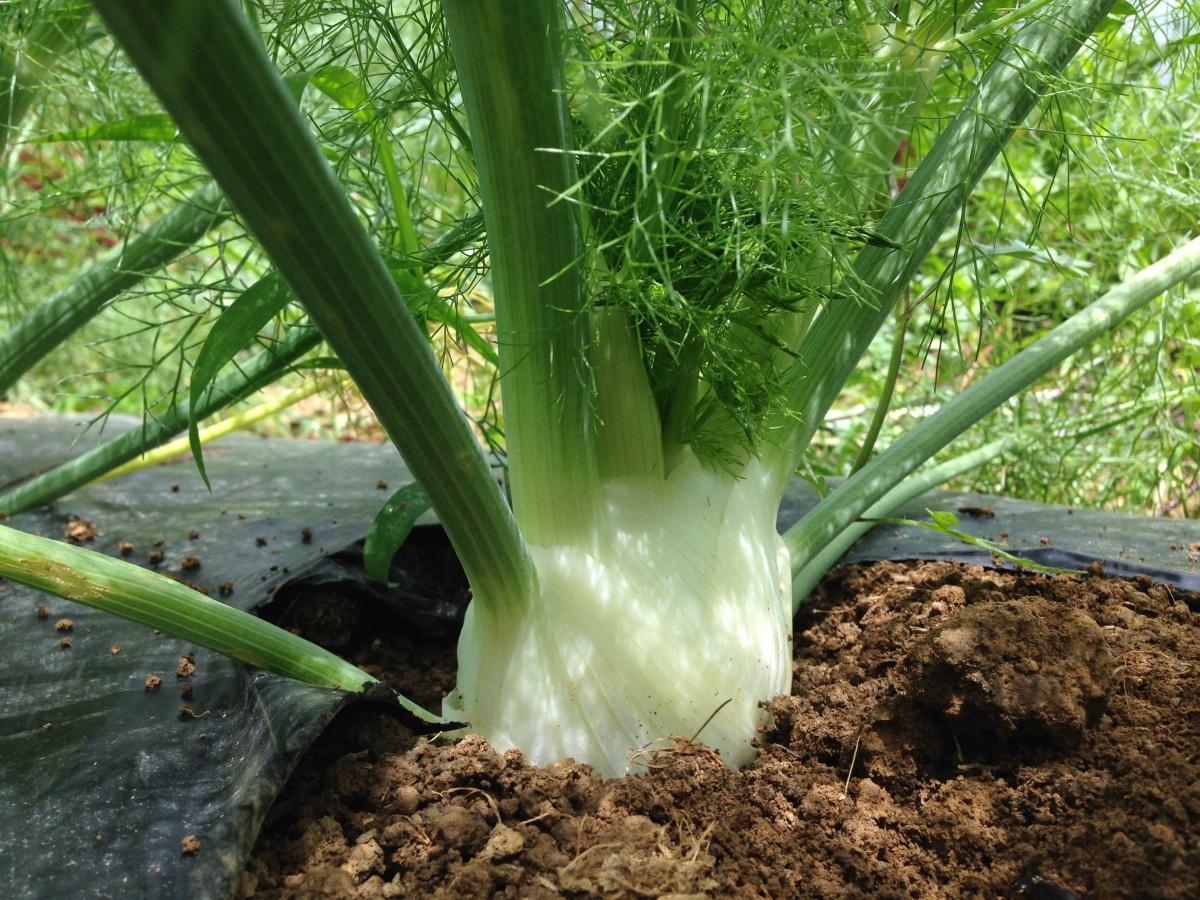
Headed varieties require hilling several times per season. This procedure helps ensure a harvest of select, fleshy heads. Some gardeners resort to a trick: to prevent soil from sticking to the heads, they place a ring made from a cut-off plastic bottle around them. Hilling is done to a height of 5-7 cm.
Mulching
Since fennel thrives in moisture, it's a good idea to mulch the bed. Mown hay, pine needles, straw, or leaves can be used as mulch. The layer should be at least 50 mm thick. Renew it as needed.
Shelter for the winter
If fennel is grown as a perennial crop, it's essential to prepare it for winter. The top of the plant is carefully trimmed, and the rhizome is covered with covering material. Straw, leaves, peat, or spruce branches are all suitable. To better retain snow, the stem should be left at a height of about 0.4 m. The covering layer should be thick enough to prevent freezing. This thickness depends on climate conditions and winter temperatures. As soon as snow falls, the fennel plantings are covered with additional snow.

Protection from diseases and pests
Fennel crops are a delicacy for garden pests (caterpillars, aphids, and beetles). To keep the plants healthy and healthy, it's recommended to spray them with green soap and Bordeaux mixture. Dig trenches around the bushes to trap the handsome beetle and the cockchafer.
To prevent possible diseases, seeds are soaked in a weak solution of potassium permanganate before planting. It is also recommended to water the bed with a similar preparation before sowing seeds there.
Harvesting and storage of crops
It's recommended to harvest fennel as it ripens. Each variety has its own ripening time. Furthermore, this time is significantly affected by weather conditions.
Cutting greens
Harvesting of the greens begins as soon as the foliage reaches 0.3 m in length. This continues throughout the summer. The aromatic stems are carefully cut with scissors or a sharp knife. The harvested crop can be prepared by drying or salting. The seeds are also processed in the same way. The greens retain their full supply of vitamins and nutrients and can be stored until the next gardening season.
Harvesting the cabbage heads
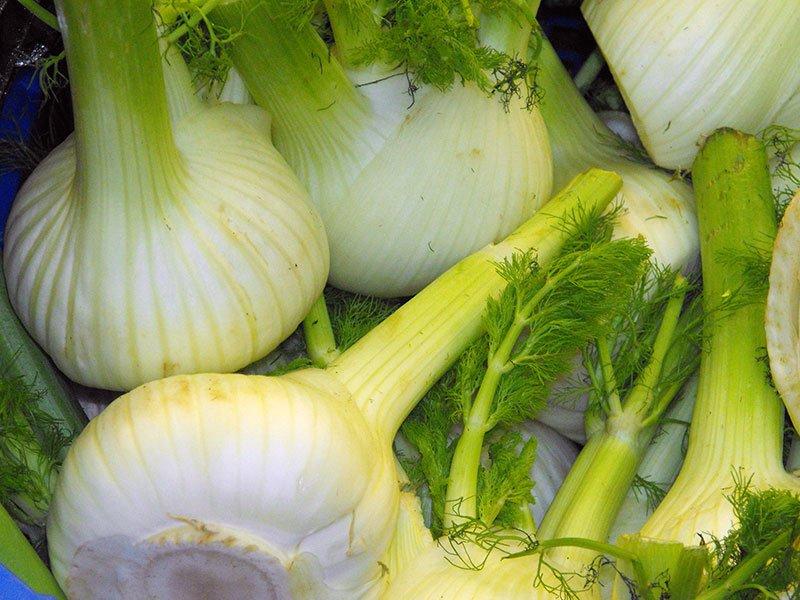
Head fennel doesn't ripen as quickly as regular fennel, especially if grown in long-daylight conditions. Once the heads reach 8 cm in diameter, harvesting is ready. This typically occurs in August or September. To obtain seeds from these varieties, the rhizomes are left to overwinter in the garden bed. To prevent premature sowing of the ripe seeds, they are wrapped in gauze or thin cloth.
You can preserve root vegetables for the winter in the same way as other vegetables: in a cool, dark place (such as a basement). They can also be pickled or canned.
Related posts:
 How to propagate and grow peas, cultivation technology, and care in open ground
 Description and characteristics of the best seeds of pea varieties and types
 Growing and caring for hazelnuts in open ground, rules for planting hazelnuts
 Causes and treatment of eggplant pests and diseases, how to combat them at home
 How to properly plant peas in a greenhouse and open ground
 Description of varieties of sowing peas and cultivation, to which family they belong
 The best eggplant varieties for growing in a polycarbonate greenhouse: planting and care
 How to grow ginger in the open ground at your dacha, planting and care