
- What are the health benefits of cabbage and which varieties are suitable for freezing?
- How to properly prepare vegetables
- Options for freezing at home for the winter
- Freeze whole head
- Leaves
- Shredded
- Harvesting cabbage stalks
- For cabbage rolls
- Preparation for borscht and soups
- Sauerkraut
- Stewed
- How long does it take to store frozen?
Preparing cabbage for winter storage is an important task for any housewife. Fermenting, drying, pickling, and other methods are excellent tools for this. But what if the cabbage harvest has been collected and there's a catastrophic lack of time to prepare it? Freezing the product can be a solution, but not everyone knows whether it's possible to freeze fresh cabbage for the winter, and the best way to do it. Let's explore this question together.
What are the health benefits of cabbage and which varieties are suitable for freezing?
Cabbage has the following benefits for the body:
- It has anti-inflammatory properties.
- It is beneficial for the intestinal tract, stimulating its function and normalizing internal processes.
- It helps well against scurvy, thanks to its high content of vitamin C.
- Removes excess cholesterol from the body.
- Used to prevent diseases associated with inflammation of the heart and kidneys.
You can freeze:
- cauliflower;
- broccoli;
- white cabbage;
- kohlrabi.
For freezing, you should choose a product that meets the following conditions:
- there are no signs of rot or mold on the product;
- Avoid freezing vegetables that are overripe. Their nutritional value and taste will be inferior when defrosted.
- the best option is freezing young vegetablesThey tolerate the defrosting process well.
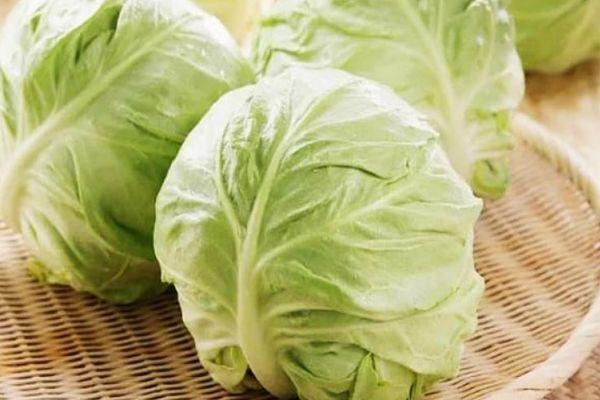
Please note: Only freeze produce that was picked within 2 days of freezing.
How to properly prepare vegetables
To enjoy this healthy and delicious product this winter, vegetables need to be properly prepared before freezing. To do this, follow these steps:
- select heads of cabbage that have a dense structure and are properly formed;
- check the product for the presence of fungus or insect pests that may have hidden between the leaves;
- remove the top layer of leaves;
- wash the cabbage in clean water;
- Dry it thoroughly.
If desired, you can heat treat the vegetable before freezing.
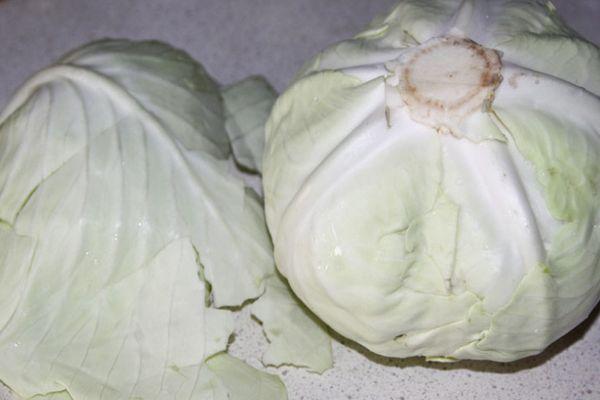
Options for freezing at home for the winter
Housewives who want to freeze cabbage for the winter can use one of the following options:
- freeze cabbage whole;
- individual leaves;
- finely chop the vegetable;
- use the stalks for freezing;
- freeze the cabbage rolls;
- as an ingredient in a vegetable mixture for making borscht;
- use sauerkraut for freezing;
- use stewed cabbage.
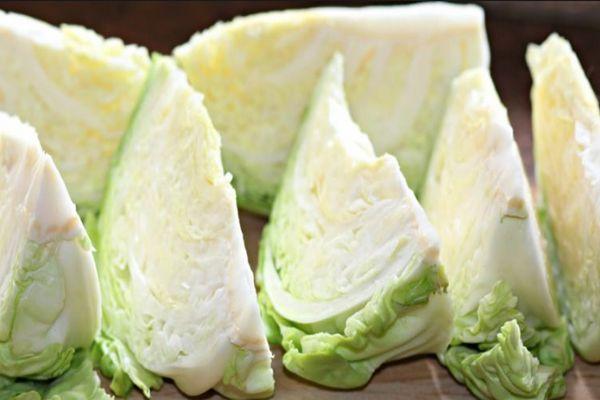
Each method has a number of nuances that must be taken into account during preparation. Let's examine each in more detail.
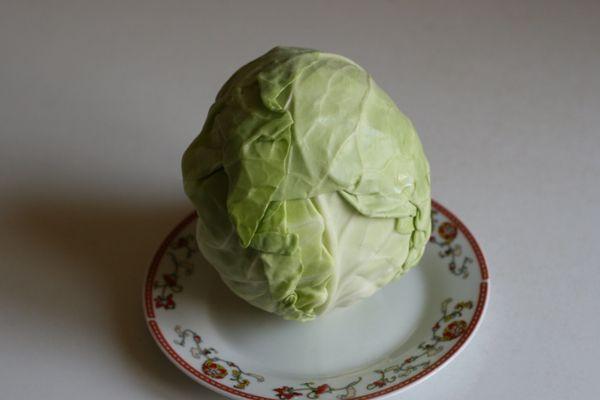
Freeze whole head
To do this you will need:
- remove the stalk from the vegetable;
- rinse in cold water;
- dry;
- Wrap the prepared head of cabbage in cling film and place the preparation in the freezer.
When ready to use, the prepared mixture is moved from the freezer to the refrigerator. There, it thaws and can then be used for cooking.
Leaves
Freezing individual leaves is used when you want to make cabbage rolls from the prepared cabbage leaves. Here's how to prepare for freezing:
- take fresh cabbage;
- the top layer of leaves is removed from the head of cabbage;
- the stalk is cut out;
- the head of cabbage is blanched;
- the processed vegetable is separated into individual leaves;
- The leaves are placed in cellophane bags and stored in the freezer.
To prepare the cabbage rolls, all you need to do is make the filling and defrost the bag of leaves.
Shredded
Freezing shredded cabbage is very convenient. This method is a favorite among many housewives and is considered the most common. This preparation can be used in a variety of dishes.
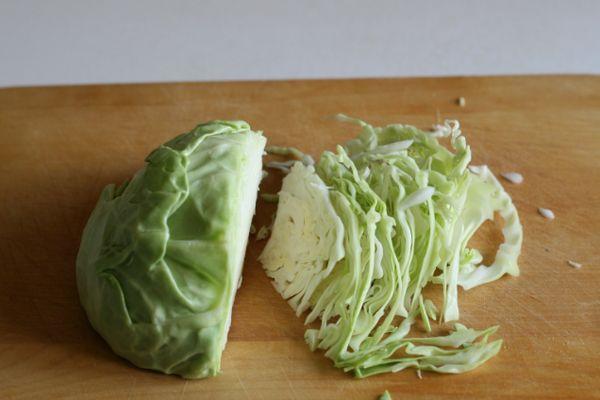
To prepare it you will need:
- process the heads of cabbage, removing the top layer of leaves;
- the cabbage is finely chopped and placed into bags;
- The filled bags are carefully placed in the freezer and removed from it as needed.
Please note! This method can be used to store not only cabbage but also cabbage-based mixtures, such as borscht or soup preparations.
Harvesting cabbage stalks
As you may have noticed, many storage methods involve removing the stalks. However, this doesn't mean they're thrown away and not used.
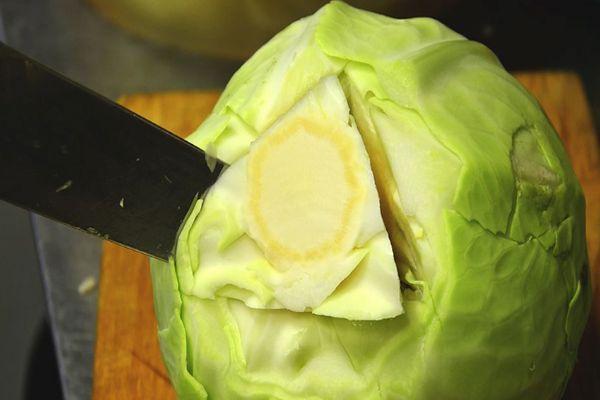
The cabbage stalks are frozen along with the cabbage leaves, and this is done as follows:
- the cabbage stalks are washed;
- cut into thin strips;
- the strips are boiled in boiling, lightly salted water for three minutes;
- boiled cabbage stalks are dried and packaged into bags;
- The filled bags are placed in the freezer.
You can then use them in various dishes or simply fry them.
For cabbage rolls
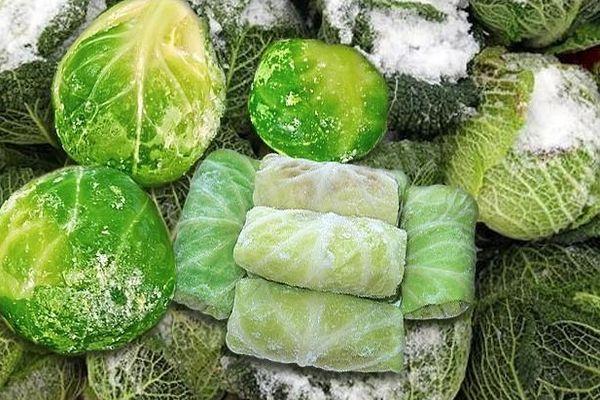
Cabbage rolls are prepared in a similar way to freezing individual leaves. The cabbage head is also washed, cooked, and separated into individual components. This approach allows you to freeze the desired amount of leaves and use them individually, rather than defrosting the entire head for 5-6 cabbage rolls. It's worth noting that some cooks don't like using frozen leaves in this dish. It's a matter of taste, and if you've never done it before, you should give it a try.
Preparation for borscht and soups
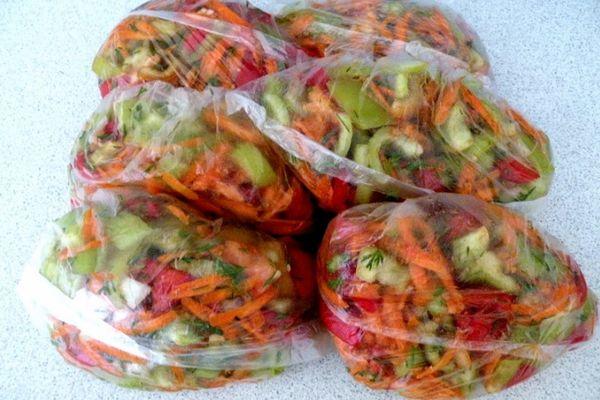
Most housewives preserve more than just individual vegetables for the winter. They also create special mixtures that can later be used to make borscht and soups. Such a mixture may include:
- carrot;
- cabbage;
- beet;
- pepper;
- tomatoes.
Freezing them is effortless, and you'll have a ready-made mixture for your first course. The best part about this method is that you don't have to waste time chopping all the ingredients; they're pre-prepared, and all you have to do is defrost the bag.
Sauerkraut
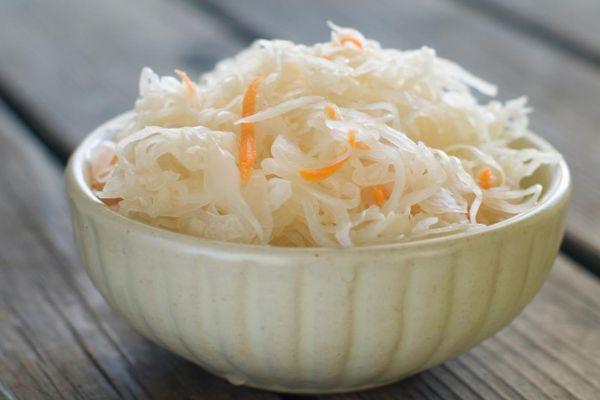
For those who enjoy shchi or sauerkraut in winter, the following method is ideal:
- fresh white cabbage is fermented until ready;
- distributed into sterilized containers and sent for storage on the balcony or in the refrigerator.
In a warm room, the product will quickly spoil, and you won't be able to enjoy its flavor. Jars shouldn't be stored in the freezer, as they may burst. If you live in a private house, you can store the jars in a cellar.
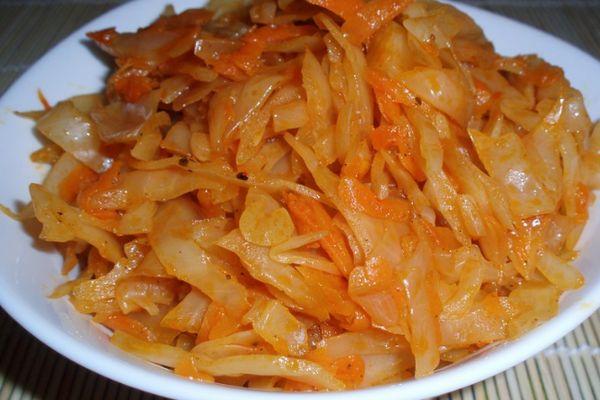
Stewed
Stewed cabbage is prepared as follows:
- the product is stewed until ready;
- the juice formed during the cooking process is drained, and the dish is given a little time to cool;
- the workpiece is distributed into special plastic boxes or bags;
- We remove excess air and place the container in the freezer.
When cooking, try to use as little oil as possible. This will help reduce excess calories and improve the nutritional value of your dish.
How long does it take to store frozen?
Frozen cabbage can be stored for up to 10 months. After this period, it should be consumed or discarded. Storage temperature should be -18°C. OOnce defrosted, the product cannot be re-frozen. It will lose all its nutritional properties and flavor.
If you are using the mixture to make borscht or soup, you can skip the defrosting process and add the mixture to the water immediately after removing it.
To properly defrost a vegetable, don't place it in warm water or use a household appliance. Simply transfer the bag from the freezer to the refrigerator a few hours before use.
Related posts:
 Recipes for how to properly freeze cauliflower at home for the winter in the freezer
 How to properly plant cabbage seedlings in open ground: spacing, timing, and temperature
 What is the best way to treat cabbage from caterpillars and butterflies, folk remedies
 Planting, growing, and caring for cauliflower in open ground and greenhouses
 Delicious recipes for quickly pickling red cabbage in jars for the winter
 What is the best way to treat cabbage from pests? Folk, chemical and biological remedies.
 Description of Japanese cabbage varieties, cultivation and care features
 The best way to treat cabbage for flea beetles at home: medications and folk remedies