
During the ripening period, fruit orchards attract a large number of pests that can significantly reduce the quality of the harvest. Plum trees are no exception; without pre-treatment and care during the growing season, the fruit becomes easy prey for insects. It's worth considering how to treat plum trees for worms during the flowering period. It's important to choose the right pest control product and adhere to the application timing.
Why do worms appear?
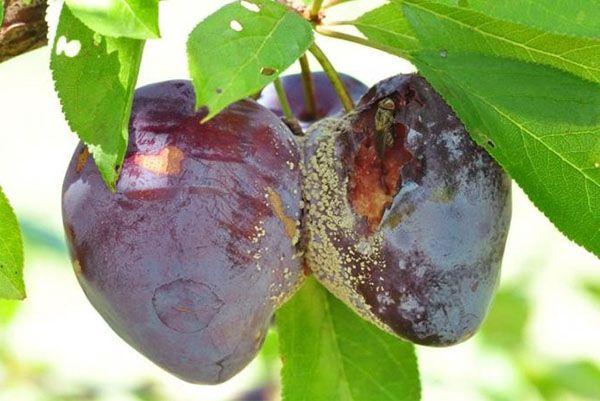
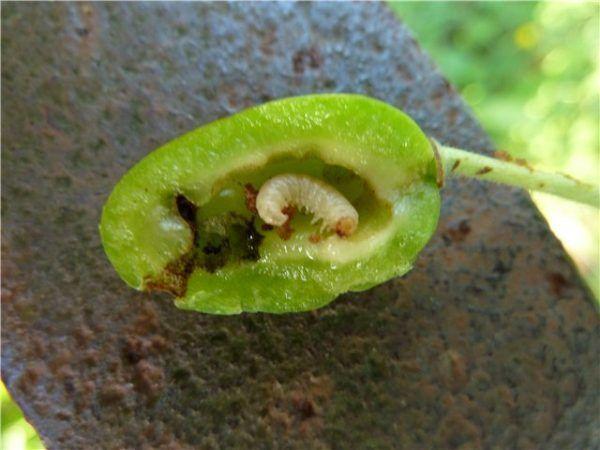
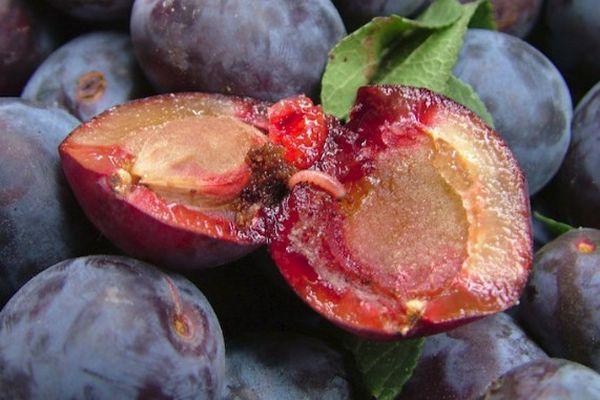
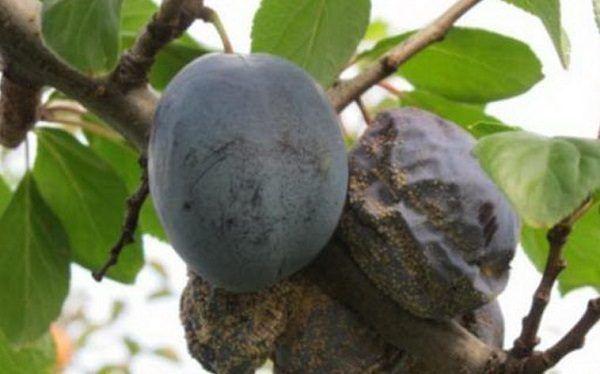
Plums become infested with worms as a result of parasitism by various insects. Larvae burrow into the fruit, while caterpillars and adults eat the outside of the fruit, transmitting fungal and viral infections.
The greatest danger to plums is:
- plum codling moth;
- sawfly;
- fruit moth;
- aphid;
- garden mite;
- plum thorn;
- Apple psyllid.
Signs of parasitism
Symptoms of the presence of pests that can eat plums from the inside:
- the appearance of thin cobwebs;
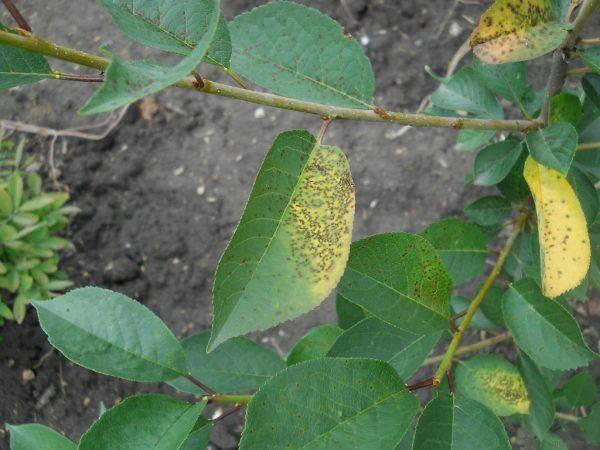
- damage and holes on leaves and buds;
- external defects of fruits;
- falling of leaves, buds and unripe plums;
- the appearance of fungal infections.
Processing agents
Common methods of insect control include:
- Mechanical. This option involves manually removing the pests, but it's time-consuming and doesn't completely solve the plum infestation problem.
- Folk remedies. Infusions and decoctions are prepared from plants that repel parasites.
- Traps. They can be filled with sweet or yeast solutions, but pheromone lures are more effective.
- Smoking. This method only eliminates insects already infesting plum trees.
- Biopreparations.
- Chemical insecticides.
Store-bought medications
Most gardeners prefer to fight pests with industrial products, which are widely available on the market.
Preparations based on the following are highly effective:
- metathion;
- durspan;
- phosphamide;
- ash;
- cidial.
The simplest and most readily available treatments are nitrogen fertilizers or "Karbofos." Insecticides cause more serious harm to insects:
- Horus;
- "Oxychom";
- Inta-Vir.
Folk recipes
Traditional methods of insect control involve spraying with decoctions and infusions of herbs that repel pests from plums.
Recipes for some folk remedies:
- Wormwood infusion or decoction is prepared in a ratio of 5 liters of water per 500 g of plant.
- Over the course of 3 days, prepare an infusion of 1-1.5 kg of fresh pine needles per 5 liters of water.
- You can prepare a soap solution in the proportion of 20 g of soap per 5 liters of water, followed by the addition of 15 g of kerosene.
- To repel insects, substances such as mustard, tobacco dust, garlic, dried yarrow, or tomato tops are used, which are diluted with water for ease of use.
Pheromone traps
Baits should be placed in the garden when the first flowers appear on the trees. The traps are designed specifically for different insect species, attracting males with female pheromones. The sticky surface prevents the moths from escaping and preventing them from breeding. This method of control is considered environmentally friendly, as it is harmless to other insects, animals, birds, and humans. Traps should be replaced with new ones after 30-35 days.
Wood processing times
Plum infestation control should begin at the very beginning of fruit formation and be completed after harvest. Treatment timing depends on the chosen pest control method. The following schedule is typically followed:
- in the spring before the sap begins to flow;
- during flowering;
- during fruit formation;
- in the fall.
The timing of tree treatment may vary depending on the region, climate, or weather conditions, so it is important to focus not on the calendar, but on the actual condition of the plum trees.
Early spring
The first pest control treatment is carried out in the spring before the growing season begins. It is recommended to spray the plums several times:
- In March, before the buds swell, it is necessary to protect trees from fungal diseases carried by pests.
- Insect control is carried out in early April, when the buds have begun to grow, but the leaves have not yet appeared.
- At the end of April, it is important to protect plums from codling moths to prevent larvae from penetrating unopened buds.
The following chemicals are used during this period:
- "Karbofos";
- "Chlorophos";
- benzophosphate;
- copper sulfate;
- Bordeaux mixture.
During the flowering period
During the formation of buds the following are used:
- "Homycin";
- "Kuprozan";
- "Kartocide";
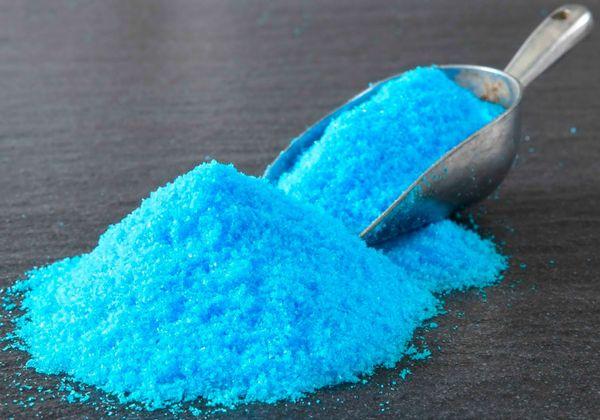
- copper sulfate.
After flowering
After flowering, plums need to be protected from silkworms. You can use:
- Inta-Vir
- copper sulfate;
- "Decis".
How to treat plums for worms in the fruit
If you notice signs of plum infestation, it's important to understand what to do first. Don't use all the treatments at once; it's better to identify the pest type for targeted treatment. An effective control plan:
- universal products - "Sherpa", "Actellic", "Inta-Vir", "Decis";
- Weevils are eliminated by "Karbofos", "Metaphos", "Korsar", "Aktellik";
- for plum aphids - "Nitrafen" and "Oleokuprit";
- "Nexion", "Antia", "Methation" cope with fruit moth;
- "Karbofos", "Rogor", "Chlorophos", "Kemifos", as well as dietary supplements - "Lepitocide", "Gaupsin", "Bitoxibacillin", "Ektobacterin" are effective against sawflies;
- for codling moths - "Iskra", "Decis", "Kinmiks".
In the fall
Spraying in the fall significantly reduces the risk of plum blight the following season. Bordeaux mixture is used as a treatment, applied not only to the tree's crown but also to the area around the trunk. Fallen leaves must be removed and the soil beneath the tree must be dug up.
We follow the rules
Basic rules for treating plums from pests:
- Strict adherence to medication instructions.
- Compliance with the dosage of chemicals.
- Spray in the morning or evening in windless weather.
- Do not treat plums in the rain or when the sky is clear and the air temperature is high.
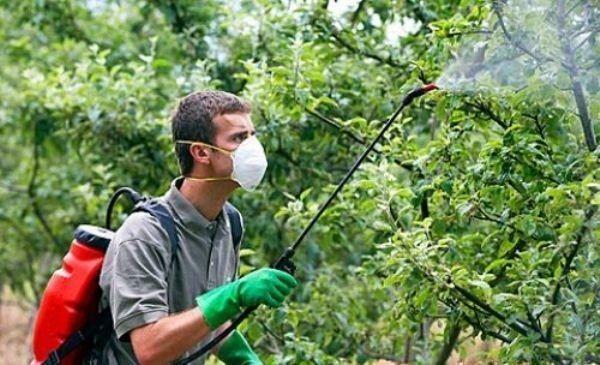
- Use protective clothing and a mask, avoid direct contact with processing agents.
How many times to spray
The number of sprays depends on the chosen product and the pest population. Some products only require a single application per season, while others require regular use. If an insect infestation occurs, you can increase the frequency of treatments and spray plum trees every 10 days until the situation improves.
It is important to take into account the characteristics of the preparations in order to avoid chemical burns to plants.
The last procedure should not be carried out later than 25 days before harvesting.
Preventive measures
Timely measures to prevent pests from appearing significantly reduce the risk of plum worms appearing:
- Regular collection of fallen fruit, which must be destroyed immediately.
- Installation of trapping belts on tree trunks.
- Autumn digging of the soil around the tree trunk to a depth of 10-15 cm.
- Sealing damaged bark with garden pitch.
- Planting in close proximity to mint, marigolds, wormwood or calendula.
- Seasonal whitewashing of tree trunks.
Related posts:
 Description and characteristics of the Yakhontovaya plum variety, pollinators
 Description and varieties of plum variety Ternovka, planting and care technology
 Description of the Renklod plum varieties and cultivation technology
 Description and characteristics of the 30 best yellow plum varieties, planting and care
 Description and distinctive features of the best varieties of Ussuri plum
 Description of the beneficial and harmful properties of plums for human health, contraindications
 Description of the Volga Beauty plum variety, planting and care
 When is the best time to transplant a plum tree and how to do it correctly?