
The Ampelny Mix tomato is a subvariety of Cherry, designed for growing in pots and planters. This tomato is characterized by its striking appearance. Ampelny Mix tomato is an alternative for those who cannot grow the tomato in a garden bed or greenhouse.
Tomato varieties
Trailing tomatoes come in a variety of types. Varieties differ in bush shape, color, and fruit flavor. Among them, the Garden Pearl is a popular choice. The bush reaches 40 cm in height. The first fruits ripen 93 days after sprouting. Fruit weight is 15-20 g.
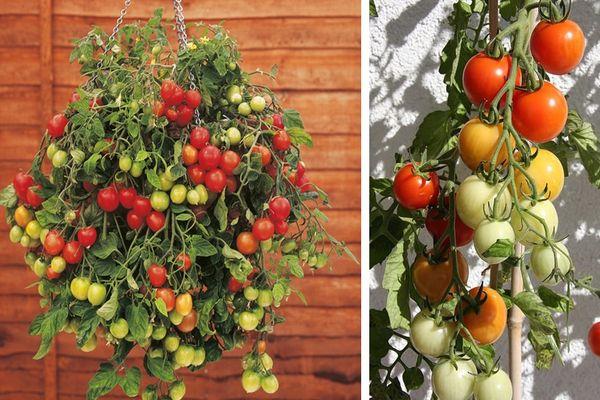
The Gorozhanin F1 hybrid's advantage is its early fruiting period. The bush reaches 80 cm in height. The plant requires pinching. The fruits are bright red and weigh 30-80 g. At least 4 liters of soil are required for cultivation.
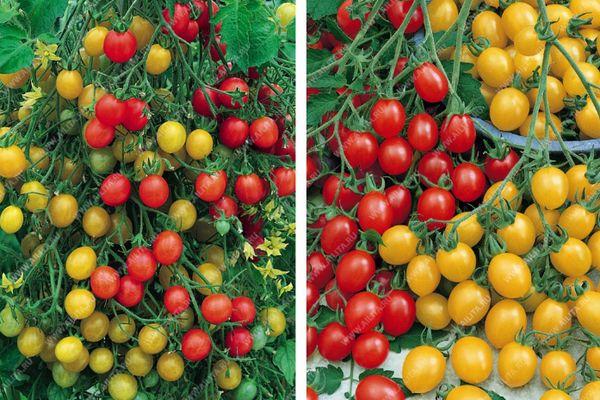
The Cascade Red F1 and Cascade Yellow F1 varieties bear fruit in 100-110 days. These hybrids are characterized by the formation of long shoots measuring 100-150 cm. The fruits are yellow and red, weighing 40-60 g. Removing shoots reduces yield. It is recommended to remove dry and withered leaves.
The ampelous Tiger variety is considered a sought-after one and is popular among vegetable growers. Color range The tomato resembles a tiger Coloring. The first fruits are harvested 55 days after planting the seedlings in their permanent location. The bushes are lush, reaching 45 cm in diameter.
During the growing season, the bush is formed to a height of 40-100 cm. Growing tomatoes does not require any special conditions.
Biological description
Cherry tomatoes, which form determinate bushes, are grown as trailing tomatoes. These plants branch well and have thin, drooping branches.
The plants can be planted in shaded areas; they are not prone to stretching in low light conditions and are resistant to drafts. They differ from regular tomatoes in their modest fruit size, weighing between 10 and 70 grams.

Tomatoes have a rich flavor. Trailing tomatoes can be grown earlier, yielding early produce. The bushes are grown at a distance from the ground, so they don't touch the soil and are not susceptible to fungal diseases or pests.

The only drawback to planting these tomatoes is the limited yield due to the small size of the bushes. This variety is distinguished by its beautiful appearance during the fruiting season.
Hanging tomatoes contain serotonin, which helps improve mood and stimulates the digestive system. They are rich in micronutrients, citric acid, and malic acid.
Agricultural technology for growing tomatoes
Seeds for seedlings are sown in March. They are planted at a depth of 2 cm. Before planting, the seeds are treated with an aqueous solution of potassium permanganate.
The soil for planting is prepared from the following components:
- peat - 1 part;
- turf soil - 1 part;
- humus.
The soil mixture should be loose, light in texture, and allow air and moisture to pass through easily. Wood ash and superphosphate can be added to improve the soil's nutritional value. Add 1 teaspoon of each component per 10 kg of mixture.
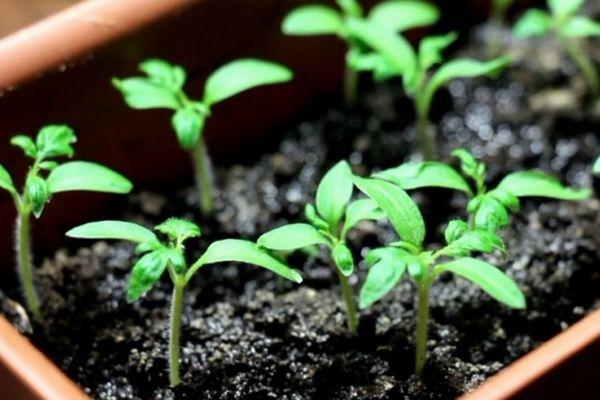
Water the seedlings carefully using a spray bottle. It's important to avoid overwatering, as this can lead to blackleg disease.
To ensure normal seedling development, small doses of a complex fertilizer are required. When the first two true leaves have formed, the plants are transplanted into individual containers.
When planting tomatoes in a permanent location, keep in mind that trailing tomatoes are sensitive to waterlogging. Therefore, place a drainage layer of charcoal, expanded clay, broken brick, or small pebbles at the bottom of the flowerpot, container, or planter.
Trailing tomato seedlings are transplanted in May, complete with a clod of soil. The seedlings are planted 3-4 cm below their original height. Containers with trailing tomato plants can be placed in the garden, indoors, or placed on a high stand on the balcony.

The key is to position the containers so that the plant can be easily accessed for watering and care. For one trailing tomato plant, a 3-liter container is recommended. For maximum yield per plant, use 4-5-liter pots.
Caring for the crop
Cultivation techniques for trailing tomato varieties take into account the plant's biological characteristics. When training a single-stemmed bush, remove all side shoots. If training a double-stemmed bush, leave one side shoot located above the first flower cluster.
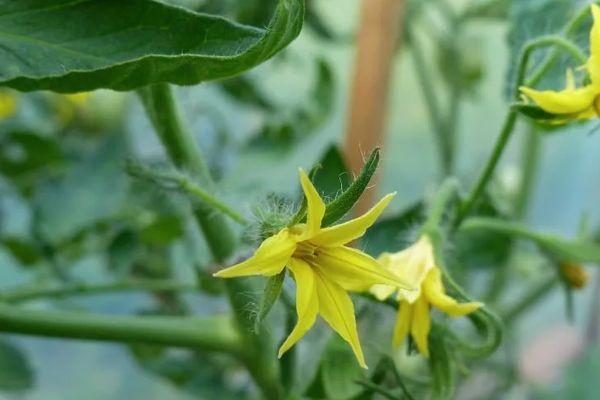
Only the lower shoots that are developing well, blooming profusely, and making the bush attractive should be left. When growing trailing varieties indoors, artificial pollination is necessary.
To do this, shake the brush with flower stalks or the entire bush. Tomatoes require periodic feeding with complex mineral fertilizers. The fertilizer dosage depends on the container's size. It is recommended to use 3-5 g of nutrient mixture per 1 kg of soil.
Fertilize plants once every 14 days. It's important to combine fertilization with watering. This is especially important during dry periods. Unlike bushes planted in a garden bed or greenhouse, trailing tomatoes don't have the ability to independently find moisture.
The soil in pots dries out faster, so it's important to regulate watering. The plant is harvested as the fruit turns color.
Related posts:
 The best eggplant varieties for growing in a polycarbonate greenhouse: planting and care
 Description and rules for growing Solaris grapes
 Causes and treatment of eggplant pests and diseases, how to combat them at home
 Growing and caring for hazelnuts in open ground, rules for planting hazelnuts
 The best grape varieties for growing in the Urals, planting and care rules in summer
 How to propagate and grow peas, cultivation technology, and care in open ground
 Description of varieties of sowing peas and cultivation, to which family they belong
 Methods for planting and propagating cherries at home
