
The Lentyayka tomato is a variety developed by Russian breeders. Tomatoes are among our favorite vegetables. Only the lazy refuse to grow them. For gardeners who don't want to waste time caring for their crops, a unique hybrid was developed. The name speaks for itself.
Description of the variety
This hybrid was created by breeders from Siberia. Although it was recently developed, it has already earned the love of both amateur gardeners and professional farmers. The variety description contains all the necessary information about the vegetable. If you're unsure whether to grow this plant, you can familiarize yourself with its main characteristics.
Bushes
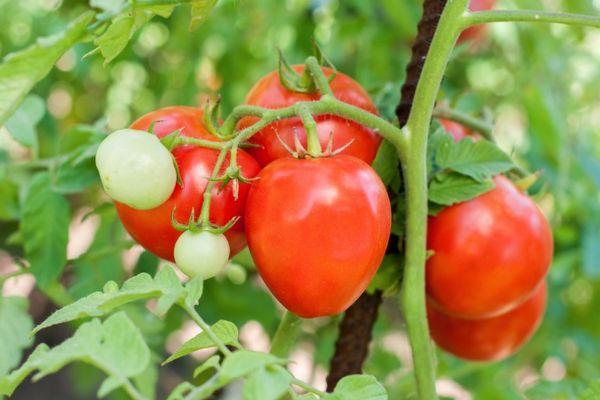
Lazy lily has a compact, medium-height bush. As its name suggests, it's suitable for both experienced and less experienced gardeners. It can grow without any stem shaping. It reaches a height of no more than 60 cm.
Lazybones is a determinate variety. The bush has a strong, straight stem that does not grow upward or sideways. The hybrid produces 4–6 inflorescences on a single bush.
This makes it convenient to grow in small garden plots in greenhouses with limited space. Fruit clusters then form on the side branches, and it's recommended to remove the tops. Since Lentyayka is a standard tomato, the bushes don't need to be tied up. However, experienced gardeners claim otherwise. If the branches aren't tied up, they'll fall to the ground under the weight of the fruit.
Fruit
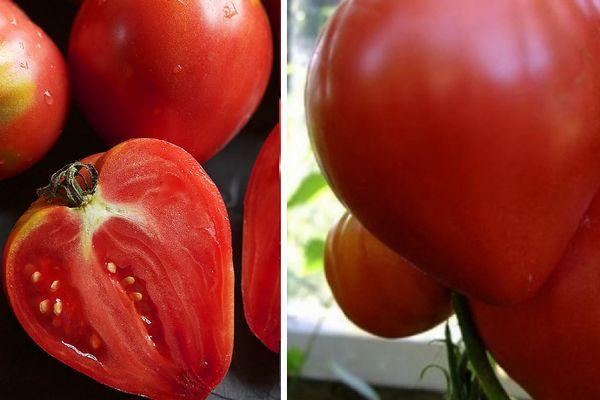
Despite the fact that this variety produces compact bushes, the tomatoes grow to be quite large. Those who have grown Lazy Tomato claim that the average weight of each berry is around 300 g. Under favorable conditions, the weight can increase to 500 g. This tomato variety can be classified as a giant.
Ripe fruits are elongated and bright crimson or red. They are firm to the touch with smooth skin, ensuring easy transport. Although the flesh is firm, it appears juicy and has a delicate flavor. Lentyayka tomatoes lack seed chambers. They have a sweetish flavor with a subtle tartness.

Growing
Growing instructions are simple; the optimal method is sowing seeds for seedlings. Lazy saplings are sown in mid-March, and transplanted after 2-3 leaves appear. The seedlings need to be monitored for development—fertilize regularly, water regularly, and protect them from drafts. Seedlings should be grown indoors with a temperature of at least 20°C. A slight drop in temperature is beneficial for the plant, as it prepares it for new weather conditions.

At 55 days old, Lentyayka seedlings are transferred to their permanent location, but don't forget to harden them off first. To do this, simply open a window for 10-15 minutes to let in some cool air. The containers with the seedlings are also taken outside. Hardening off begins two weeks before planting outdoors.
Due to its compact size, this variety doesn't require much space. No more than 6 plants are planted per square meter.
Care Features
The crop, especially during the growing stage, requires regular, abundant watering. Like other varieties, watering is applied at the roots. To increase Lentyayka's yield, weed the bed periodically and loosen the soil. Fertilize 3-4 times during the growing season, alternating organic and mineral fertilizers.
To ensure a bountiful harvest, tomato plants need to be pruned. If the side shoots are below the first cluster, carefully remove them. The plant's branches need to be tied up due to the large fruits. Even a strong Lazy Tomato stem can break under the weight of the fruit.
Advantages and disadvantages
This tomato variety boasts many advantages, which is why it has quickly gained a large following. The Lentyayka tomato is prized for the following characteristics:
- Excellent taste of ripe fruits.
- It is not necessary to shape the bush.
- They tolerate cold and constant temperature changes without any problems.
- Small plant size and rich harvest.
- The fruits ripen quickly and almost simultaneously.
- They are resistant to parasites and diseases.
- The fruits of the Lentyayka are suitable for making preparations for the winter.
- Due to their high commercial qualities, they can be transported over long distances.

Every gardener recognizes the best qualities of Lentyayka. Its ease of cultivation not only derives from its name but is also confirmed by its use.

Despite the many advantages, there are also some disadvantages:
- since the branches cannot bear the weight of the fruit, the bushes are tied up;
- requires regular watering, as it does not tolerate heat;
- To achieve good yields, it is necessary to increase soil fertility.
Since the advantages significantly outweigh the disadvantages, the choice is ultimately up to the individual. Furthermore, there's another peculiarity of Lentyayka: if the fruits come into contact with the ground, they become infested with pests and become unfit for consumption.
Pests and diseases
The Lazy Blossom has a strong immune system that protects it from macrosporiosis and late blight. Often, the plant, grown in greenhouses, is attacked by fungal diseases, causing ovaries and fruits to rot. To prevent this, it's necessary to regularly ventilate the room and monitor the heat and light conditions. Thrips and aphids love the plant, so they often attack the Lazy Blossom. In such cases, pest control treatments for the branches will be helpful.

Mature Lazybones plants often fall prey to slugs and mole crickets. They are virtually impossible to get rid of using folk remedies. The most effective method of pest control is identified. To prepare the recipe, you will need:
- 30 g ground mustard;
- 30 g red hot pepper;
- 10 liters of water.
Combine the dry ingredients and mix thoroughly. Take just 1 tablespoon and dilute it in water. Pour the prepared solution onto the soil around the plant. It will take several applications for the pests to leave the plant.
Harvesting and storage
Lentyayka tomatoes reach technical maturity quickly. Typically, they are ready for consumption within three months of germination. The ripening process can be accelerated by planting the seedlings in a greenhouse. The seedlings should be no more or less than 1.5 months old.
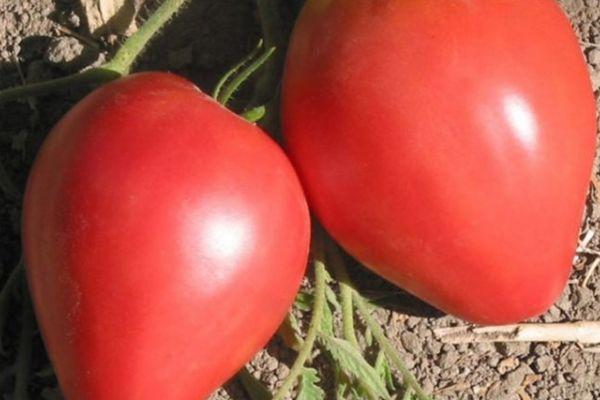
The hybrid is harvested just before consumption. It's possible to pick the Lentyayka tomatoes and leave them to ripen fully. The tomatoes can be stored for some time after picking without spoiling. This is convenient, as this feature allows for their sale.
Take a look Also

Gardeners' reviews
The description states that the tomatoes are large. Therefore, they are not suitable for canning whole, as they won't fit into a jar. They are used for other winter preserves. Lentyayka tomatoes are suitable for making pastes, juices, sauces, ketchup, and various canned salads.
Fruit tomatoes are suitable for dryingTo do this, they are cut into equal pieces and the juice and seeds are removed. When dried, they are a true delicacy. The fruits can be added to various meat, fish, and vegetable dishes. Their piquant flavor can add variety to any dish.
Reviews from gardeners are overwhelmingly positive. Everyone who grew Lentyayka in their garden plots was pleased with the results. The hybrid is easy to grow and suitable for both home and professional cultivation. Working with it doesn't require extensive agricultural knowledge, making it easy to cultivate.
Lentyayka tolerates heat well if watered regularly. Otherwise, it's best grown in northern regions, as it tolerates cold much better. In any case, don't jump to conclusions and try growing it in your garden first.
Related posts:
 The best grape varieties for growing in the Urals, planting and care rules in summer
 80 Best Eggplant Varieties for Different Regions with Descriptions and Characteristics
 The best eggplant varieties for growing in a polycarbonate greenhouse: planting and care
 Descriptions of the 20 best cherry varieties for the Moscow region, their planting and care
 Description of blight-resistant tomato varieties for open ground and greenhouses
 What varieties of tomatoes are best to plant in a polycarbonate greenhouse?
 Description and characteristics of the 40 best blackberry varieties, yield indicators
 Description of the 30 best plum varieties for the Moscow region, planting and care