Tomatoes are a popular agricultural crop. Gardeners value the vegetable not only for its nutritional properties but also for the variety of varieties. The Abakan Pink Tomato variety was bred in Altai and has attracted the attention of gardeners.
Description of the variety
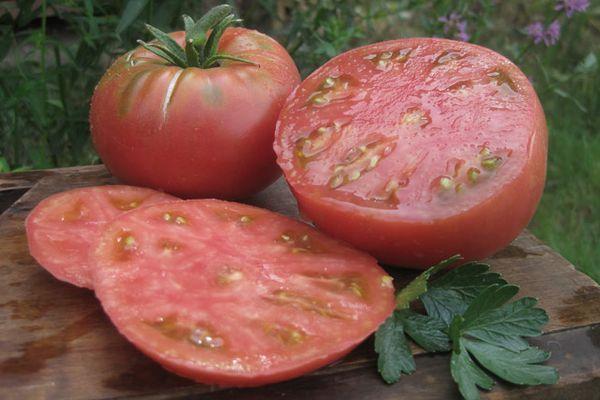
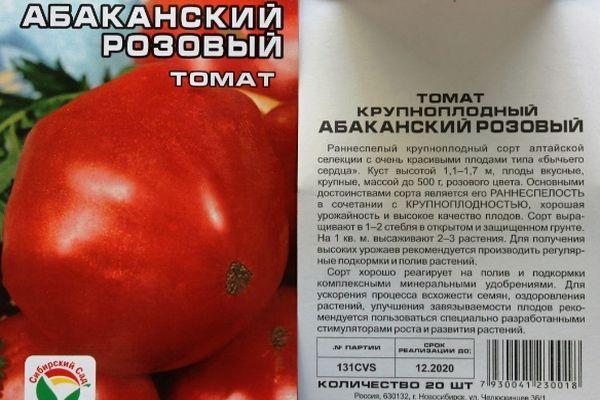
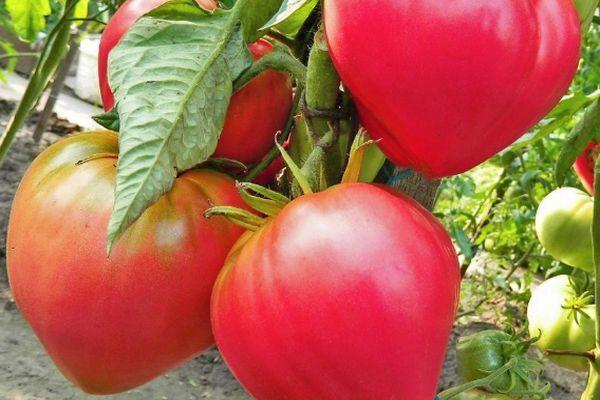
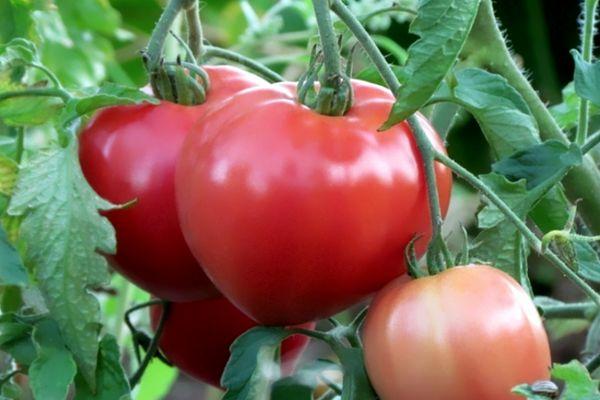
The Abakansky Pink tomato is a mid-late variety and a hybrid of the Sibirsky Sad variety. The average ripening period is 150–160 days. A ripe tomato weighs approximately 400 g. The skin is a rich red, and the flesh is bright pink. The fruit can be rounded or heart-shaped.
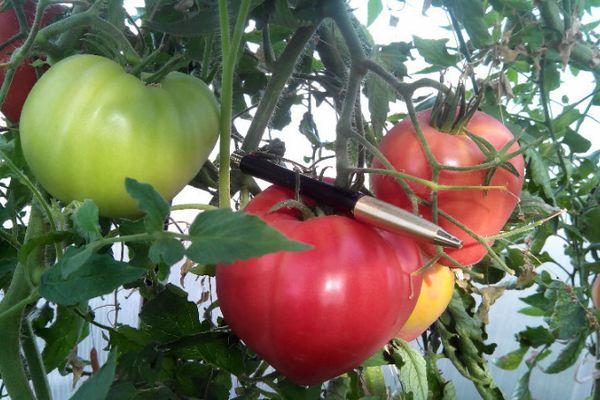
Tomatoes are medium-firm; ripe fruits are soft, slightly ribbed, and don't crush when squeezed. They contain a small number of seeds compared to other varieties. The taste is slightly tart, but not overly sour.
Growing
Seeds for seedlings are planted two months before they are planned for cultivation in the garden. This is usually in early spring. The seeds should be pre-treated with a potassium permanganate solution, then planted in seedling containers and covered with plastic film to create greenhouse conditions. Any soil suitable for vegetable crops is suitable.
When transplanting to a permanent location, ensure spatial isolation—no more than three bushes per square meter. Immediately after transplanting, it's best to cover the soil with plastic film in case of late frosts.
Care Features
After planting the seedlings in the beds, each bush should be trained into 1-2 stems. Side shoots should be removed periodically. Due to the heavy fruit, the plant requires staking. Basic care involves regular watering, loosening the soil, and fertilizing. Water the plant with warm water, avoiding excess moisture. The optimal frequency of watering is 2-3 times a week. Loosen the soil around the bushes to ensure aeration.
As weeds grow, they need to be regularly removed from the soil to ensure proper growth and high yields. Organic and mineral fertilizers (grass infusion, bird droppings, and manure) are used to further stimulate fruit growth. Pink tomatoes require 3-4 additional applications per season. The first fertilization is required immediately after planting. During the growing season, you should not feed the seedlings with nitrogen fertilizers, as they will quickly begin to stretch and grow abundant foliage without forming ovaries.
During cultivation, it's important to monitor potential frosts and cover the seedlings promptly. If the plant is very heat-loving, it should be protected from constant exposure to ultraviolet rays. Since the bushes have few leaves, it's important to prevent them from yellowing and drying out.
Advantages and disadvantages
The Abakansky Pink tomato has achieved widespread popularity due to a number of comparative advantages. These include:
- Marketability. The grown fruits do not crack, are large in size, and retain their color for a long time.
- Disease resistance. If basic care guidelines are followed, the plant will remain free of diseases and harmful insects.
- Versatile use. This vegetable is practically universal in its uses—tomatoes can be eaten fresh, used in various dishes, or used for winter preserves.
- Large fruits. One of the significant characteristics of the Abakansky Pink tomato variety is its larger fruits.
- Ripening after harvest. This variety is mid-late, but can ripen even while stored in crates.
A disadvantage of this variety is its difficulty in cultivation. As the variety description suggests, the plant requires constant watering, staking, and fertilization. Without proper care, yields may decrease significantly.
Pests and diseases
Despite their resistance to common pests and diseases, plants can be damaged by unfavorable climate and soil conditions or improper cultivation practices. The Colorado potato beetle poses the greatest threat to the crop. This insect can damage pink tomatoes during the first few days after planting.

To prevent crop damage, it's recommended to treat the soil around newly planted seedlings with fresh sawdust. If pests are detected, the soil surface can be sprinkled with wood ash. If the tomato plot is small, Colorado potato beetles should be removed from the bushes by hand.
Harvesting and storage
Pink tomatoes can be picked early in the ripening process. For storage and artificial ripening, select the largest fruits with no visible damage to the skin. When picking tomatoes with stems, it's best to place them stem-side down. It's important to be careful when doing this and ensure that the stem ends don't damage adjacent tomatoes. When stacking the harvest in layers, it's best to keep the total weight of the fruits in a single container no more than 12 kg—this will help prevent excessive pressure on the first layer.
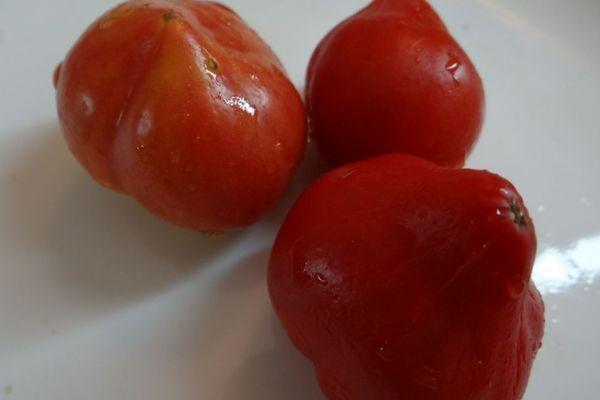
The ability to be stored without special conditions is an important characteristic of the Abakan Pink variety. Ripe vegetables can be stored in plastic or cardboard boxes, lined with paper. When closing the box containing the harvest, it's important to ensure the lid doesn't compress the outermost fruits.
If you want tomatoes to ripen after picking, it is recommended to store a few ripe tomatoes in the refrigerator, as they will release ethylene gas, which accelerates ripening.
Gardeners' reviews
Maxim: "I've been growing this variety for several years now. I fell in love with its pleasant, slightly tart flavor. Initially, I encountered pests, but after consulting with others who had planted pink tomatoes before, I found the right fertilizer."
Marina: "Last spring, I planted pink tomatoes at my dacha. The seedlings quickly took root in the greenhouse and produced a bountiful harvest. It was worth reading the reviews and deciding to choose this particular variety—it lived up to my expectations."
Related posts:
 The best eggplant varieties for growing in a polycarbonate greenhouse: planting and care
 The best grape varieties for growing in the Urals, planting and care rules in summer
 80 Best Eggplant Varieties for Different Regions with Descriptions and Characteristics
 Descriptions of the 20 best cherry varieties for the Moscow region, their planting and care
 What varieties of tomatoes are best to plant in a polycarbonate greenhouse?
 Description of the 30 best plum varieties for the Moscow region, planting and care
 The health benefits and harms of cherries, rules of consumption, and their effects on the body
 Description of the 23 best pear varieties for the middle zone, planting and care rules
Take a look Also