
Tomato Plum Honey tomatoes belong to a group of hybrids with a pleasant flavor and unusual shape. These plants are highly productive, and breeders recommend growing their F1 varieties, such as Honey Cream cherry tomatoes, in well-heated greenhouses. Other types of these hybrids can be grown outdoors. These tomatoes are eaten fresh, used in summer salads, pickled, and preserved whole. They can be stored for up to 30 days in a cool place.
Characteristics and description of the variety
The characteristics and description of the Honey Cream variety are as follows:
- The first fruit appears on the hybrid's branches 90-100 days after planting the seeds. This variety is considered an early-ripening vegetable.
- The bushes grow to a height of 0.5 to 0.6 m. They bear a moderate number of green leaves, typical of tomatoes. A characteristic feature of the plant is its compact growth habit, allowing for 5 to 6 stems per square meter of garden bed.
- The fruits have a honey-like flavor. They are round in shape, with a firm, smooth surface. The skin does not crack, making them suitable for long-distance transportation. Ripe fruits are a rich red color.
- The fruit weight ranges from 400 to 500 g. They have a medium dry matter content. The pulp contains few seed chambers.
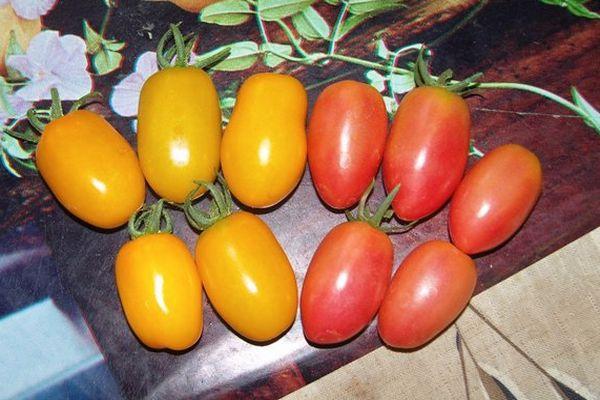
Reviews from farmers who have planted this variety indicate that 4-5 kg of fruit can be obtained from 1 m² of garden bed. In Russia, this variety can be grown outdoors in the southern regions. In the central and northern regions, greenhouses are required to grow Slivka.
Caring for seedlings in a private garden
After purchasing seeds, soak them in a solution of potassium permanganate or hydrogen peroxide. If the farmer doesn't have these substances, aloe vera juice can be used. Depending on the chosen solution, soak the seeds in the solution for 10 to 15 minutes. Remove any defective seeds by immersing them in salted water. Discard any seeds that float to the surface.
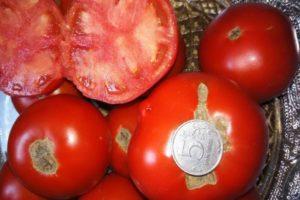

Seeds for seedlings are sown 60 days before transplanting the plants to their permanent soil. To harden the seeds, place them in the refrigerator (not the freezer) for 1-2 days. To speed up seed germination, it is recommended to place the seeds under a damp cloth.
After the seedlings sprout, they are fed with organic fertilizer and watered once a week. When 2-3 leaves appear on the sprouts, the plants are pricked out. After this, the bushes are hardened off and then transferred to their permanent beds.
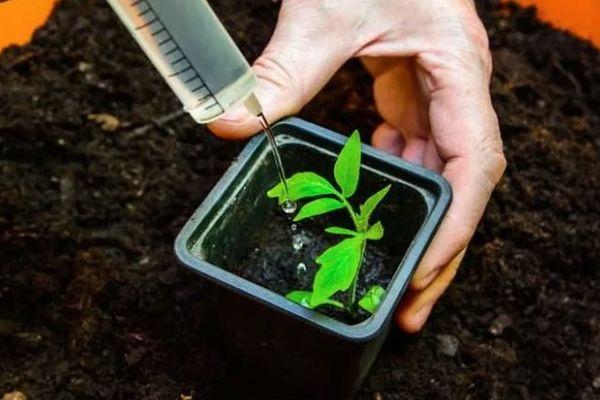
If seeds are being planted directly into the soil, this should be done in the last ten days of March. If night frosts persist, it is recommended to plant the seeds in early April, once the soil has warmed to the desired temperature.
Recommendations for growing fruits
Seedlings should be planted in the beds in mid-June. Fertilize the tomatoes two or three times. Initially, when the plants are placed in the bed, they are given organic and nitrogenous fertilizers. Then, after the ovaries appear, potassium and phosphorus fertilizers are added to the bed with the young stems. The last time the plants are fertilized is after the fruit has developed.

It's best to plant tomatoes in soil that previously contained parsley, zucchini, dill, cauliflower, carrots, or cucumbers. Water the plants twice a week with warm water before sunrise or after sunset. This procedure should be performed after the soil beneath the plants has completely dried out. The liquid must be left to stand in the sun.
Loosening the soil helps eliminate some root parasites. Oxygen enters the soil, allowing roots to breathe properly. This leads to accelerated plant growth.
Weeding the beds eliminates the possibility of weeds transmitting diseases to tomatoes. However, this doesn't always work, so preventative measures against fungal and bacterial infections are recommended. To achieve this, tomatoes are sprayed with various chemical solutions.


The most commonly used product is Fitosporin. If signs of disease appear on some bushes, they should be removed from the garden bed, moved outside the plot, and burned. This will prevent the disease from spreading to other bushes.
Garden pests are controlled using various chemicals purchased from specialist stores. If commercial pesticides are unavailable, it is recommended to treat tomato leaves and stems with a soapy solution. Some pests, such as Colorado potato beetles and various insect caterpillars, must be collected by hand and then destroyed with fire. If slugs appear, ash powder should be applied to the underside of the bushes to repel them. Ash will help kill the insects and their larvae that infest the tomato roots.
Related posts:
 How to propagate and grow peas, cultivation technology, and care in open ground
 How to properly plant peas in a greenhouse and open ground
 Description of varieties of sowing peas and cultivation, to which family they belong
 Carrot care guidelines for outdoor cultivation to ensure a good harvest
 The best grape varieties for growing in the Urals, planting and care rules in summer
 80 Best Eggplant Varieties for Different Regions with Descriptions and Characteristics
 Descriptions of the 20 best cherry varieties for the Moscow region, their planting and care
 Description of the best, most productive and new varieties of cucumbers for 2025