
The Agata tomato was developed by Russian breeders in 1987. This time-tested, early-ripening variety remains popular with both experienced and novice gardeners. This attention accounts for its unpretentiousness, compact size, low growth habit, high yield, and other advantages.
Initially, Agata was intended for cultivation in the North Caucasus, East Siberia, West Siberia, and Middle Volga regions, but it quickly spread throughout the country, as even the seedless method, where seeds are sown in open ground, works in favorable climatic conditions.
Description of the variety
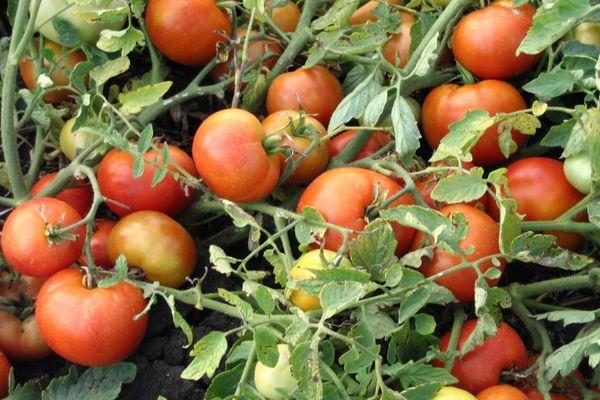
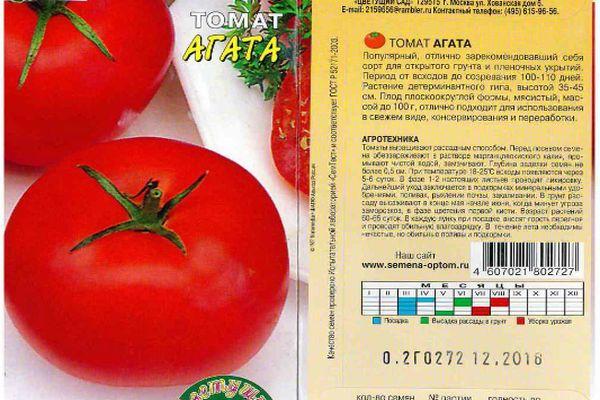
Early-ripening Agata tomatoes ripen 100–115 days after the first shoots emerge. This determinate variety, 35–45 cm tall, yields 2–4 kg per square meter. With careful care, the yield can reach up to 7 kg. In commercial settings, up to 670 quintals of tomatoes can be harvested per hectare.
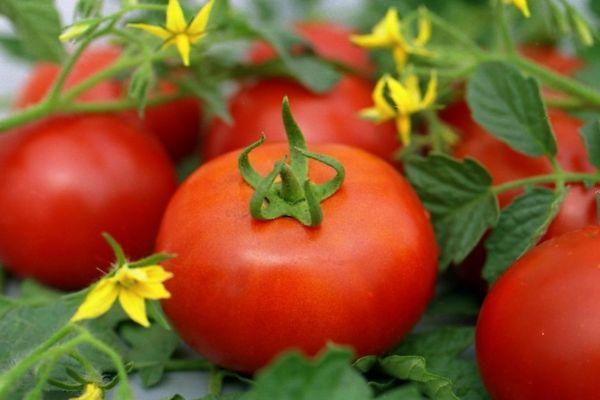
Tomatoes can be planted using either seedlings or direct seedlings. The former method is considered more productive and allows for maximum yield if basic recommendations are followed.
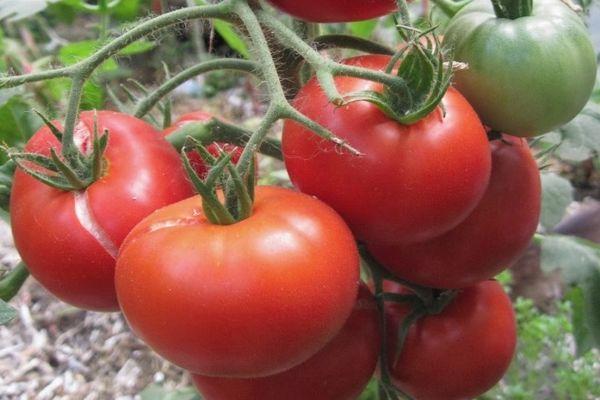
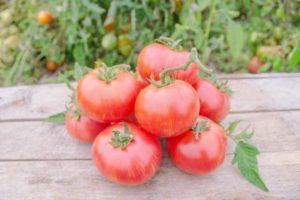
The round, uniform-sized fruits, weighing up to 100 grams, are bright red. The dense skin is resistant to cracking, making these tomatoes moderately suitable for transportation.
The versatile Agata tomato variety is successfully grown in greenhouses, under plastic covers, and in the open ground. Staking is not required for the low-growing plants, but it does ensure adequate light exposure for the fruit.
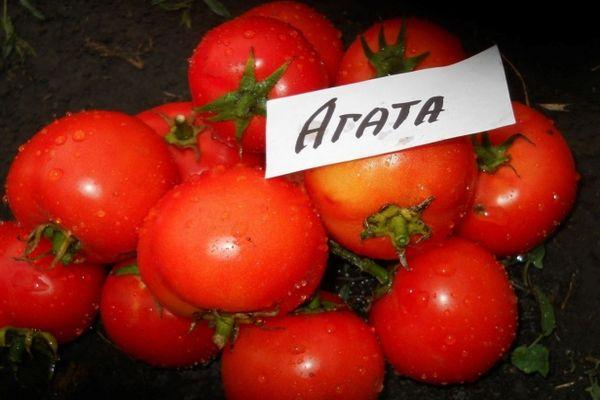
The taste of tomatoes is rated at 3.8–5 points. The flesh is fleshy.
Growing
The yield of the Agata tomato variety depends on soil fertility and crop rotation. These tomatoes thrive after carrots, onions, legumes, and cucumbers.
When using seedlings, sow seeds in late March or early April to a depth of 20–30 mm. To protect against diseases, it is recommended to treat the seeds with a weak solution of potassium permanganate. Afterward, rinse them, discarding any that float to the surface, and then dry them.
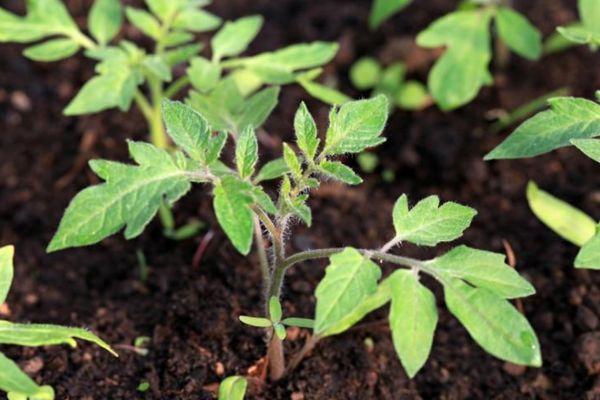
The appearance of two leaves indicates that the Agata tomato is ready for transplanting. Two weeks before planting outdoors, hardening off the plants begins, which involves lowering the temperature in the room or greenhouse.
Transplanting plants into open ground
Tomato Agatha is transplanted into open ground under plastic cover on May 15–20, once frosts have passed. If transplanting in the second ten days of June, plastic cover is not required.
Planting pattern: 50x50 cm – no more than four plants per square meter.
Care Features
Tomatoes of the Agata variety require regular watering throughout the growing season.
There is no need to use cold water; warm, settled water is the best option.
Tomatoes require several applications of mineral fertilizers—phosphorus or potassium. In the fall, ash, eggshells, and compost are added to the soil.
It's important to water regularly and maintain moderate soil moisture. Excess moisture can lead to fungal growth.
Advantages and disadvantages
Tomatoes of this variety are characterized by early ripening and have many advantages:
- Ready 95–110 days after sowing. The exact timeframe depends on the conditions offered.
- Possibility of harvesting your own seeds due to the non-hybrid variety.
- Compact bushes with a height of 35–45 cm.
- Unpretentiousness.
- Average resistance to diseases.
- Do not require pinching.
- The fruits are arranged on clusters of 3–6 pieces.
- The skin is glossy, smooth, dense, and does not crack.
- Convenience of preservation due to the weight of the fruits being 80–110 g.
- Rich aroma and taste without a sour aftertaste.
- Not bad for storage and transportation.
- High yield.
- Adaptation to different climatic conditions.
- It is not pinched or formed.
Negative characteristics of the Agata tomato variety:
- Weak resistance to late blight.
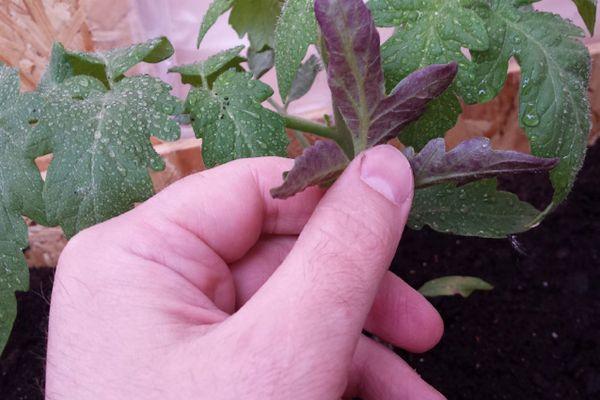
- A thin stem that should be tied to a support when the fruit ripens.
These problems are common to most tomato varieties and are quite solvable.

Pests and diseases
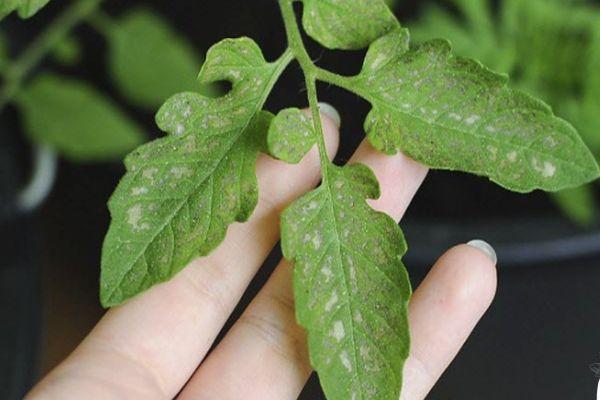
The early-ripening variety is susceptible to all sorts of diseases. Brown spots often appear on the stems, leaves, and fruits of Agata tomatoes, indicating late blight. Tomato yields decrease, as does flavor.
To prevent late blight, bushes are treated with Bordeaux mixture two weeks after planting. To prepare the protective solution, dissolve 50 grams each of slaked lime and copper sulfate in ten liters of water.
The medicinal solution can be used without personal protection, as it is harmless to the human body. If desired, various ready-made chemicals, available at specialized retail outlets, can be purchased to combat tomato diseases.
Usage
The description of the Agata tomato variety indicates its universal use. These tasty, sweet tomatoes are eaten fresh, used in salads, and canned. The small fruits fit easily into jars. Grinding them produces tomato juice, which lasts for months in a cool place. To preserve the nutrients and fresh flavor, the juice is not brought to a boil, but heated to 70 degrees Celsius and sealed with a metal lid. Tomato paste is prepared in a similar way.
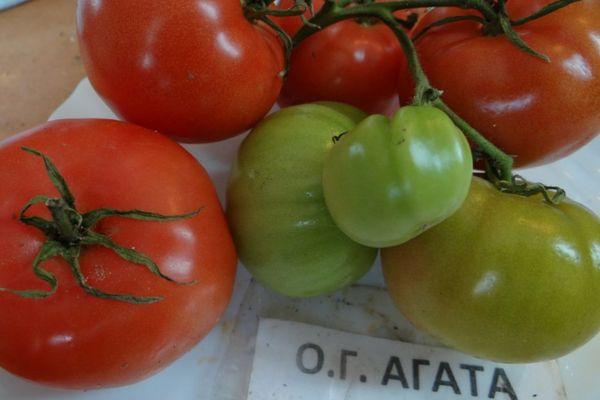
The Agata tomato variety keeps fresh for quite a long time, which explains its popularity among farmers and agricultural managers who grow tomatoes for sale.
Gardeners' reviews
Here are reviews from those who planted the Agata tomato and decided to share their impressions.
Vasily Sergeevich:
"My family has been planting this variety for several years now. We've been captivated by its appearance, taste, and the ability to harvest our own seeds. We're getting a good harvest, and we're not planning on parting with Agata. We just water it with ash and remove the lower leaves—that's all we need to care for it."
Anna:
"The early Agata variety meets all my requirements. It requires minimal care, yet yields a full harvest. The fruits are sweet with a hint of tartness, not watery, and perfectly formed. They look just as good in jars as store-bought ones, don't crack, and remain firm."
Olga Mitrofanovna:
"A wonderful variety! I've been planting them for several years in a row and couldn't be happier—the tomatoes are delicious and easy to care for. They're not susceptible to any diseases other than late blight, and I take preventative measures against that. I'd recommend them to anyone new to gardening."
Svetlana:
"I had no idea the Agata tomato had been on the market for thirty years, and it was just as good as the newer varieties. And I was planting it for the first time. It had a high yield, had almost no side shoots, and took up very little space. But for some reason, I didn't like it fresh; canned, it's a hit. And my family eats it straight from the vine, no complaints."
Related posts:
 The best grape varieties for growing in the Urals, planting and care rules in summer
 80 Best Eggplant Varieties for Different Regions with Descriptions and Characteristics
 Description of the best potato varieties of domestic and foreign selection
 Description of the 90 best varieties of beans for open ground with names
 Descriptions of the 20 best cherry varieties for the Moscow region, their planting and care
 What varieties of tomatoes are best to plant in a polycarbonate greenhouse?
 Beginner's Guide to Growing Grapes in Open Ground in Central Russia
 Description of 30 varieties and types of Muscat grapes, planting, cultivation and care
I like this variety because it's low-growing and doesn't require staking. This promotes early ripening. BioGrow A good bioactivator. The fruits are almost all uniform in size and weight. An ideal variety for canning.