
- Selection and growing regions
- Characteristics and description of clematis Princess Diana
- Advantages of using in landscape design
- Basic principles of agricultural technology
- Site and soil requirements
- Preparing the seedling
- Optimal timing and planting scheme
- Further care
- Watering and fertilizing regime
- Mulching and loosening the soil
- Pruning group
- Covering plants for winter
- Diseases and pests of the variety
- Reproduction methods
- Gardeners' reviews of clematis Lady Diana
Among the variety of flowers available for decorating garden plots, gardeners often choose clematis. This herbaceous vine fits beautifully into the design, is easy to grow, and requires little time for care. Among the late-blooming varieties, gardeners often choose the Princess Diana clematis. The flowers of this strong and sturdy vine decorate the plot until autumn and have a pleasant, subtle fragrance.
Selection and growing regions
The clematis named Princess Diana is the result of the work of English breeders. This variety is one of the most famous of the entire Texas group of clematis. Gardeners first appreciated the advantages and disadvantages of Princess Diana in 1984. The long flowering period and the extraordinary beauty of its buds left them captivated. This clematis variety is suitable for growing in virtually any region; however, in areas with harsh winters, it requires good shelter, while in temperate climates, it overwinters comfortably under a light layer of mulch.
Characteristics and description of clematis Princess Diana
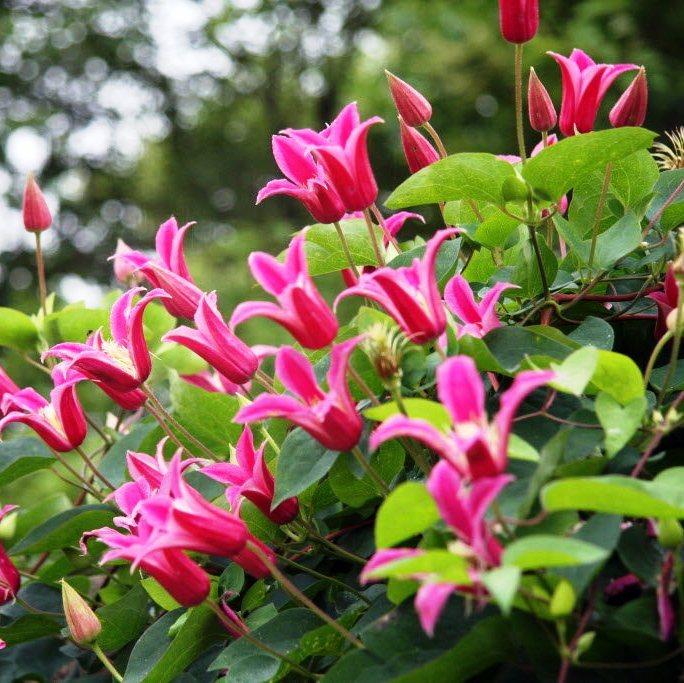
Clematis Princess Diana belongs to the Ranunculaceae family and is part of the Texas group. It is distinguished by its small buds and stems up to 3 meters long. This perennial climbing vine is suitable for vertical and horizontal gardening; some gardeners also grow it in hanging baskets. Flowering occurs on the current year's shoots, so the plant belongs to pruning group 3.
Among the diseases, the vine is most often affected by wilt; it has a moderate degree of resistance to other fungal pathologies.
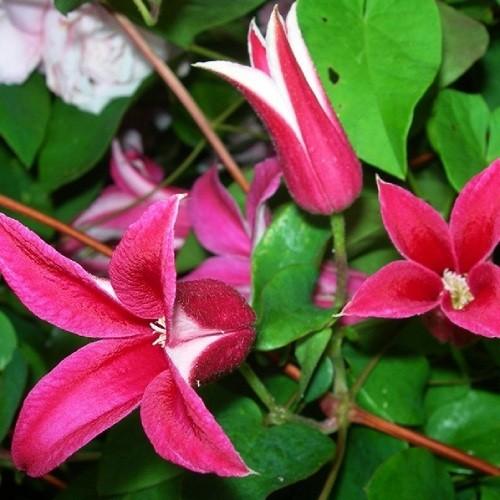
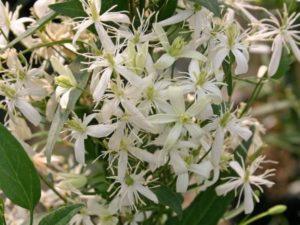
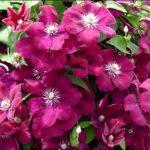
The first buds appear on clematis in late July, and flowering continues until early October. This vine is highly winter-hardy. Despite its popularity among gardeners, this variety is not listed in the Russian State Register. The petals (four in total) are a rich pink-crimson, creating a striking contrast with the emerald foliage of the clematis. The upward-facing bells are no more than 7 cm in diameter. The anthers and stamens are white or light yellow.

Advantages of using in landscape design
The relatively compact size of this herbaceous vine allows it to be used not only for decorating gazebos and fences, but also for growing in hanging pots and changing their location at your discretion.
Clematis Princess Diana is used to decorate summer terraces and pergolas; sometimes gardeners use the variety in rock gardens as a groundcover plant.
Basic principles of agricultural technology
Before purchasing clematis seedlings, familiarize yourself with its planting site requirements, soil quality, and the step-by-step planting process. Only then will the gardener receive a plant that will impress with its beauty and lush blooms.
Site and soil requirements
Low-lying areas and shaded areas are not suitable for growing clematis Princess Diana. However, the variety also dislikes areas exposed to full sun all day. A spot with light partial shade from tall trees is ideal. Protect the plant from drafts and strong winds, which can damage the delicate petals.
Loose, fertile soil with a neutral reaction and good drainage is a suitable solution for planting clematis. If the soil is very acidic, add purchased soil to the dug hole.
Preparing the seedling
There are two options for purchasing seedlings: cuttings with dormant buds and seedlings with leaves and shoots. In the first case, the planting material is stored in the refrigerator on the bottom shelf until it begins to grow. In the second case, the seedlings should be immediately planted in open ground. Experienced gardeners advise against purchasing seedlings with whitish shoots, as these clematis will not establish well in their new location and will become diseased.
Optimal timing and planting scheme
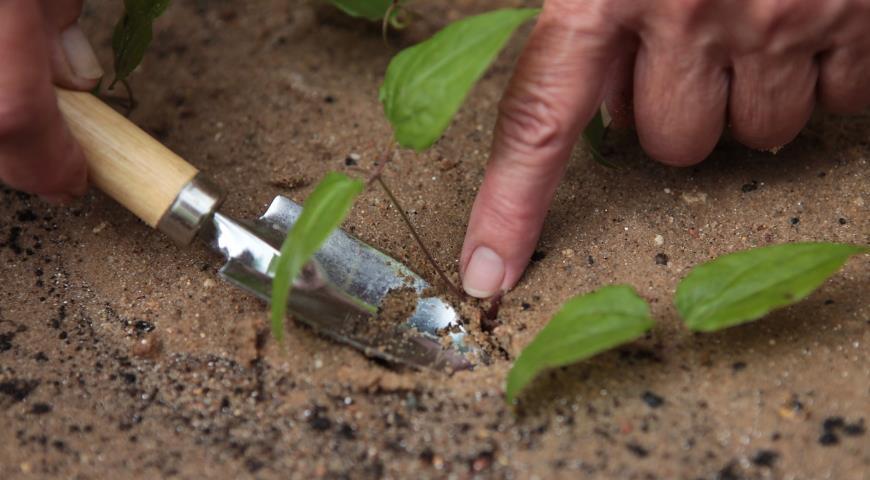
For warmer climates, autumn planting of clematis is preferable, while in colder regions, spring planting is recommended to allow the seedling to fully establish roots and adapt to its new location before the onset of cold weather. The step-by-step planting procedure is as follows:
- A hole is dug with dimensions of 60 x 60 x 60 cm.
- A drainage layer of fine gravel or perlite is installed at its bottom.
- 10 cm of fertile soil is poured.
- A seedling is placed on a small formed mound and the roots are straightened out.
- Then the remaining soil is added.

Immediately upon planting, install a support for the clematis to prevent it from being blown over by the wind. During the first weeks after planting, it is recommended to shade the seedling, especially the root zone. Some gardeners plant low-growing annuals around the clematis for this purpose.
Further care
Not only the beauty of the plant but also its health depend on proper agricultural practices. Watering and fertilizing, weeding and pruning, and preparing for winter—these are the minimum care requirements.
Watering and fertilizing regime
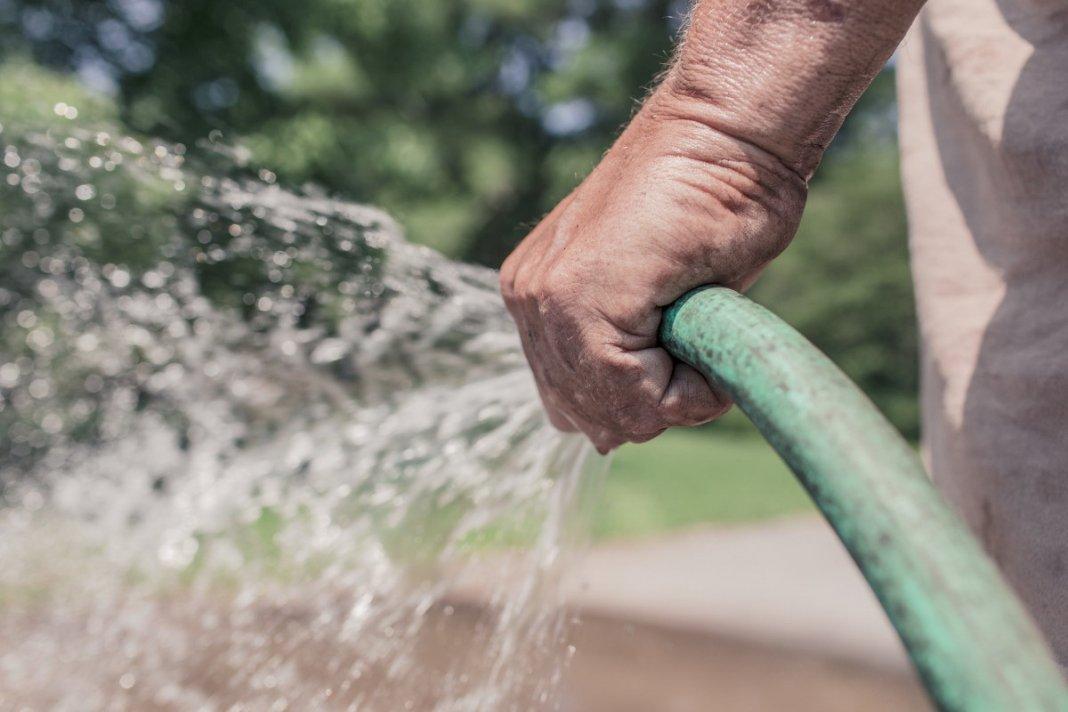
If you neglect regular watering, clematis flowers will become smaller, and the leaves will lose turgor and fall off. The frequency of watering depends on the age of the plant and the weather conditions in the growing region. For young seedlings, a bucket of warm water once a week is sufficient (in hot, rainless weather, increase the amount to twice a week). Mature clematis should also be watered once every seven days, but with two buckets of water.
Mulching and loosening the soil
A layer of mulch placed around the clematis eliminates the need to loosen the soil after each watering. Shredded tree bark or non-acidic peat moss are used as mulch. If a mulch layer is not present, the soil is loosened after watering, but done carefully to avoid damaging the roots. This procedure promotes better oxygenation of the root system and simultaneously removes weeds.
Pruning group
Since the Princess Diana clematis belongs to Group 3, all shoots are pruned in winter, leaving no more than 15 cm above ground level. Throughout the growing season, sanitation procedures are carried out as needed.
Covering plants for winter
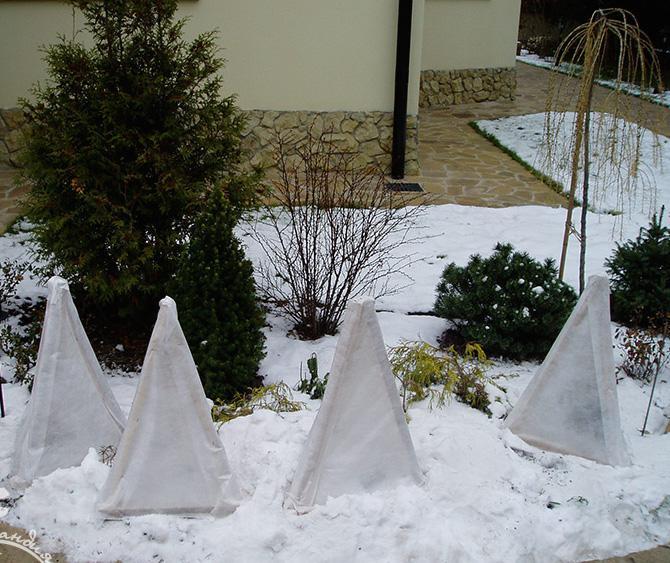
After pruning, clematis are prepared for the onset of winter cold. First, add a 10-centimeter layer of soil or humus. Next, treat the soil around the plant with fungicide solutions. If the variety is planted in regions with cold winters, place a wooden box on top and cover it with spruce branches.
Diseases and pests of the variety
Powdery mildew rarely affects the Princess Diana variety, but wilting is quite common. It is primarily caused by irregular watering. Since the disease initially develops in the root system, treatment with the fungicide Fundazol is recommended.
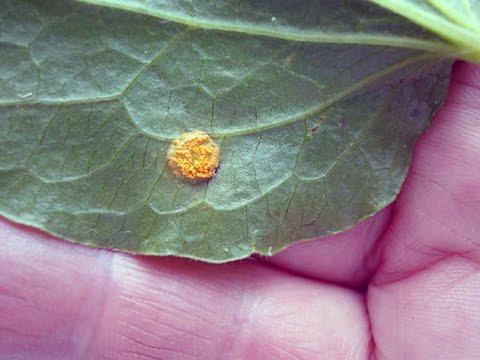
To prevent rust from affecting plants, clematis are sprayed with Bordeaux mixture or any copper-containing preparation as a preventative measure.
The most dangerous insect pest is the nematode. It causes swellings on the roots, which kills the clematis. Unfortunately, saving the herbaceous vine is impossible—the bush is dug up and burned. Spider mites are controlled with garlic infusion, and in cases of severe infestation, insecticides are used.
Reproduction methods
To grow Princess Diana on your property, use several simple methods:
- Layering. The best time is early spring. One of the lower, healthy shoots is placed in a pre-dug trench and secured with metal staples. Soil is added on top, leaving only the tip visible. A year later, the following spring, the layering is separated from the mother vine and planted in a separate area.
- Dividing the bush. You'll need a sharp spade to divide a mature bush (over 5 years old) into sections. Plant the bush in prepared beds and trim back to two buds.
- Cuttings. At the end of May, cut 20 cm long sections from the center of the shoot. Treat the cuttings with a growth activator and root them in a mixture of sand and peat, creating greenhouse conditions.
Gardeners' reviews of clematis Lady Diana
Oksana Grigoryevna, a 48-year-old gardener: "I have no complaints about the clematis variety 'Princess Diana.' We carry out disease prevention every spring, so we haven't had any problems. We only lightly mulch it for the winter, as our winters are mild."
Margarita Petrovna, 60: "I fell in love with this clematis when I saw the bushes at my neighbor's. After planting it, I systematically cared for it, and the following season I admired its lush blooms."
Related posts:
 How to propagate clematis at home: timing, methods, and technologies
 Description and pruning group of clematis Ashva, the subtleties of growing and care
 Description of Jackman's clematis varieties and pruning group, cultivation and propagation
 Description and pruning group of clematis Cardinal Wyszynski, cultivation and care
 Description and characteristics of the clematis variety Comtesse de Bouchaud, planting and care instructions
 Description of the best varieties of Tangut clematis, planting, growing and care
 Description and characteristics of the clematis variety Kaiser, planting and care, pruning group
 Description and pruning group of clematis Rouge Cardinal, cultivation and propagation