The Hazelnut pumpkin is one of the most delicious of the wide variety of this vegetable. Growing it in your own garden is entirely possible. This variety is easy to care for, produces a bountiful harvest, and has a unique flavor. Many gardeners enjoy growing this vegetable year after year, and the reviews are overwhelmingly positive. Therefore, it's worth trying to grow this miracle fruit in your own garden.
Pumpkin is undoubtedly one of the healthiest vegetables. It boasts numerous beneficial properties, including numerous vitamins, microelements, and nutrients essential for human health. Before growing the crop, it's worth familiarizing yourself with the variety's characteristics and its cultivation techniques. This process has its own specifics that will ensure a high-quality and abundant harvest.
Description and characteristics of the variety
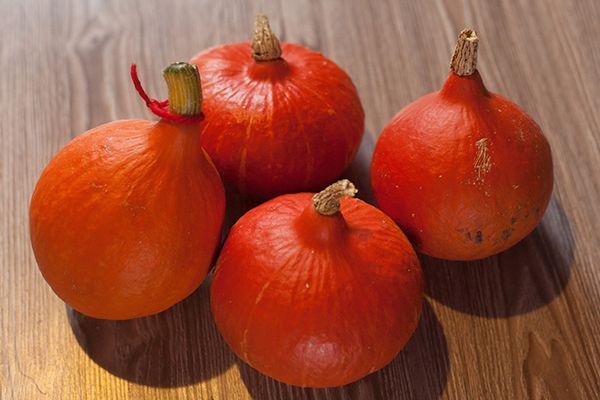
Pumpkin variety Hazelnut is an unusual fruit with a distinct hazelnut flavor. It belongs to the nutmeg family and is a hybrid plant. The growing season for this variety is 95 days from the time the seeds are sown.
There are two ways to grow vegetables:
- by simply sowing seeds into the soil;
- by seedling method.
The plant has long, well-developed vines that reach up to 4 meters in length. Its root system is robust and reaches deep into the soil. This allows the Forest Nut pumpkin to extract moisture from the soil even during prolonged droughts.
The plant's leaves are lush and large, and its inflorescences are bright orange. Pollination occurs naturally, thanks to bees. When growing, it is very important to ensure an equal number of male and female flowers.
If a failure occurs, it's necessary to adjust the fertilizer or some of the plant's care. Sometimes gardeners have to resort to artificial pollination of the flowers. It's important to be prepared for this in advance and research this topic before planting pumpkins.
The fruits of the Hazelnut pumpkin have the following characteristics:
- The average weight of 1 fruit is 1-1.5 kg.
- The skin is bright orange, almost red.
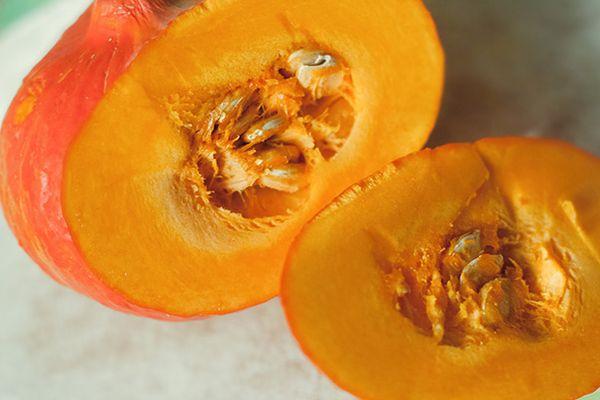
- This pumpkin has sweet, starchy flesh with a pleasant aroma. The Hazelnut variety is highly rated for its flavor. The hazelnut flavor imbues the fruit with a unique and distinctive aroma. Pumpkin is used in a variety of porridges, casseroles, puddings, and vegetable and meat dishes. It can be prepared by stewing, baking, and frying.
- Muscat pumpkin is distinguished by its ability to retain its flavor and appearance for a long time. It tolerates long-distance transportation well.
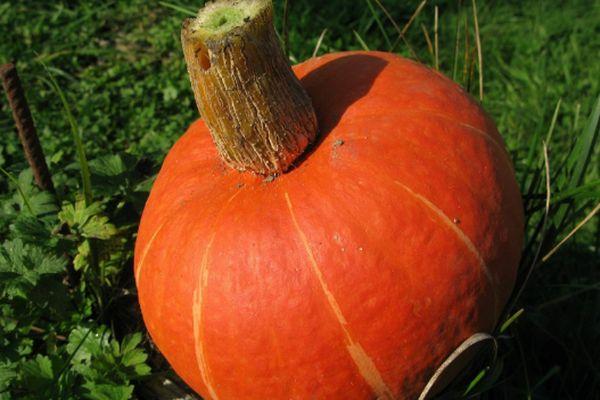
Like all varieties of this vegetable crop, Hazelnut produces a good harvest if all cultivation practices are followed. For full ripening and the fruit to absorb nutrients, the plant requires constant sunlight and regular watering. Therefore, before planting the hybrid, it's important to choose the right growing location and properly manage its care.
Basic rules for growing pumpkins
There are two ways to plant a hybrid, so it's worth familiarizing yourself with how these processes work and choosing the most appropriate one.
Seedling method
Most gardeners prefer this method. Seeds are sown for seedlings in April. The seedlings are planted in special soil, which should be as nutritious and loose as possible. Many vegetable growers prepare their own soil mixture by mixing ingredients such as peat, coarse sand, and turf. All components are taken in equal proportions and mixed thoroughly.
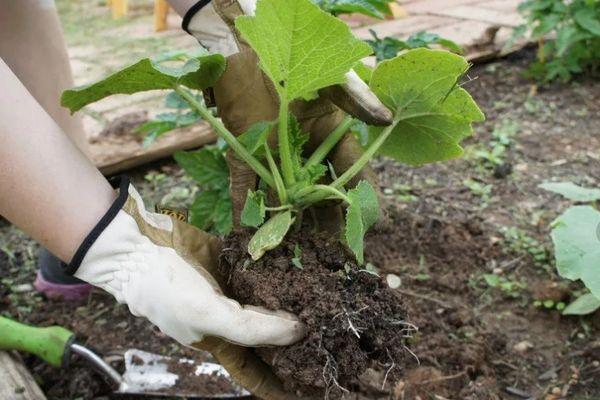
Place a thin layer of sand at the bottom of the container. Then fill the container halfway with soil and plant the seeds. Gardeners recommend sowing the hybrid directly into large peat pots. This will facilitate the process of planting the seedlings in the ground and allow the plant to adapt more quickly to its new location. The seedlings are planted in the garden beds when they are 25-30 days old. It is important that the weather outside warms up to 16°C by this time.
Sowing seeds in open ground
The most favorable time for planting is considered to be between May 15 and 20. By this time, the soil has fully warmed up, and the risk of night frosts is completely eliminated.
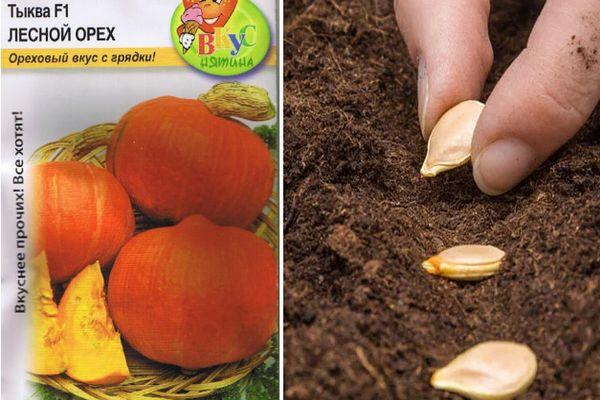
Some gardeners treat the seeds before planting. Typically, a weak solution of potassium permanganate and a growth activator are used for this purpose. The seeds are soaked in each solution for about an hour. Then, they should be thoroughly dried on a cotton cloth. It is recommended to thoroughly loosen the beds before planting and fertilize them with organic fertilizers, but ready-made complex preparations can also be used.

Pumpkin seeds are planted in beds at varying depths. Holes are made 5, 8, and 10 cm deep. This method ensures a 100% harvest, even if there are night frosts or sudden cold snaps. After planting, the beds are mulched with sawdust and covered with plastic. Every day, during sunny and warm weather, the plastic is opened for ventilation. It is removed completely only in the first half of July.
Caring for the crop
Further care involves the following steps:
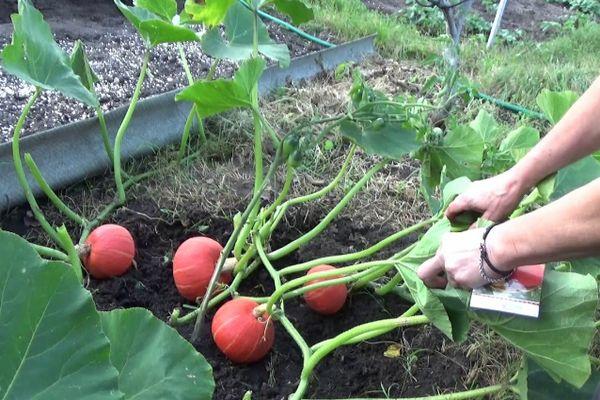
- Regular and proper watering. Pumpkins prefer moderate watering and moist soil, but standing water and damp soil can cause fungal growth on the fruit and plant. Don't allow already formed fruits to sit on damp soil. To protect them from moisture, place a small piece of plywood underneath the pumpkin and between them and the ground. Alternatively, the vines can be supported and raised on small supports. Use settled water for watering. It's important to avoid spilling water on the flowers during watering to avoid washing away the pollen.
- Pumpkin fertilizing It prefers nitrogen, potassium, and phosphorus. The first application to the beds can be made 10 days after planting the seedlings.
- Preventative spraying against pests and fungi should be carried out twice per season. Most vegetable growers use traditional methods, which are less safe for the human body.
- Pinching out side shoots depends on how vigorously and actively the shoots grow. If the plant begins to expend too much energy on green growth, pinching should be performed.
Growing the delicious and highly nutritious Hazelnut pumpkin isn't all that difficult. It's easy to care for, resistant to various fungi and weather conditions, and always produces a reliable harvest.
Related posts:
 How to plant walnuts, care for them, and grow them at home
 50 Best Pumpkin Varieties with Descriptions and Characteristics for Outdoor Planting
 Description of 25 varieties of butternut squash, cultivation and care in open ground
 Description of the 20 best varieties of large-fruited pumpkin, growing and care rules
 Why do pumpkin ovaries turn yellow, fall off, and rot in open ground, and what can be done about it?
 Description of 16 varieties of ornamental pumpkins and cultivation features
 Description of the Lancaster walnut, planting tips, and care instructions
 Description and characteristics of the 35 best walnut varieties, planting and care