
- Description
- How to get fertilizer
- Characteristic features
- Beneficial properties and composition
- Advantages and disadvantages
- Methods of feeding
- Features of application for plants
- Tomato
- Potato
- Eggplants
- Strawberries
- Roses
- Seedling
- Determination of acidity in horticulture
- Mistakes in the use of flour fertilizers
- Making flour yourself
- Combination of flour and other types of fertilizers
Even fertile black soil, not to mention sandy or loamy soils, becomes depleted over time, losing nutrients. Vegetables and root crops, lacking nutrients, experience poor growth and development, and their fruit production significantly decreases. To increase yields, farmers and gardeners apply chemical fertilizers to their crops, but this degrades the taste of the vegetables. The solution is to use blood meal as a fertilizer.
Description
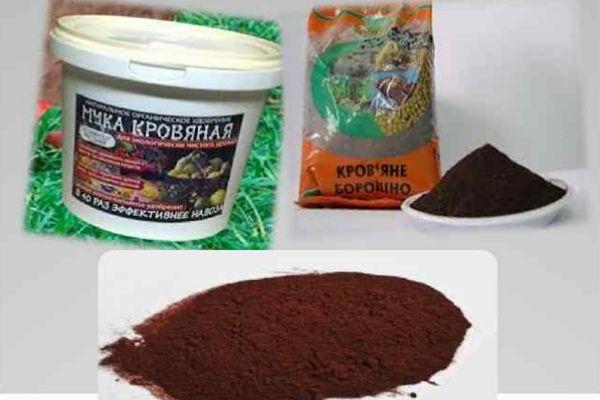
An organic substance produced from animal components not only supplements the diet of poultry and livestock but is also used to accelerate the growth and development of crops grown outdoors. Blood meal is obtained from fibrin, an insoluble protein formed during blood clotting.
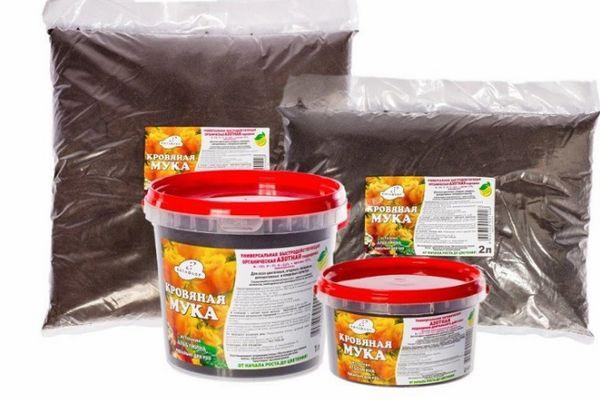
When using this fertilizer:
- Plants are saturated with nitrogen.
- The effect appears quite quickly.
- The taste of vegetables and root vegetables does not deteriorate.
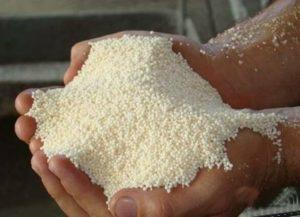
A drawback of blood meal produced in granular form is its unpleasant odor. It is not recommended for feeding indoor plants.
How to get fertilizer
Fibrin isolated from animal blood is dried in universal boilers or units. This process produces blood meal, which contains the following percentages:
- protein – about 80;
- fats – up to 5;
- humidity up to – 12;
- ash 3-
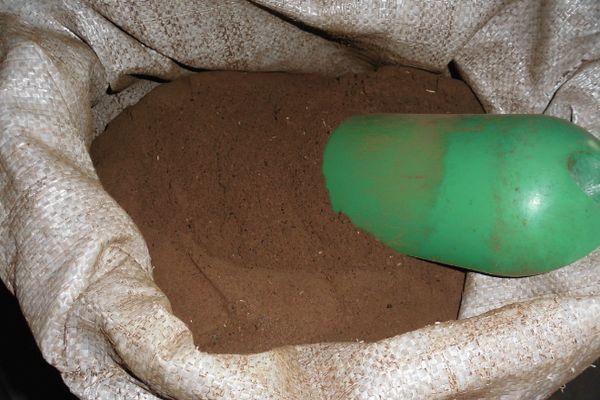
During slaughter, the blood itself is collected in containers to prevent clots and mixed. It is then pumped into a device called a vibratory extractor, where all moisture is removed. The semi-finished product is then placed in roller dryers, where heat is transferred through steam, oil, and boiling water. As the drums rotate, a film up to a millimeter thick is formed, which is then removed with special scrapers.
The production process also produces a coagulate, which is used as feed blood. During preservation with lime, ammonia is released, which destroys microflora, preventing the flour from spoiling.
Characteristic features
Organic matter in granular form enriches the soil with nitrogen, which is essential for plant growth. A deficiency causes leaves to turn yellow and fall off. Natural fertilizer improves soil structure and normalizes acidity.
Beneficial properties and composition
Organic matter obtained from processing livestock products, in addition to fibrin and fats, contains cystine, lysine, methionine, and bone by-products. Blood meal is rich in:
- proteins;
- amino acids;
- iron.
After applying organic fertilizer, its effect continues for one and a half months. Blood meal is used in liquid form, dissolving just a spoonful of granules in a bucket of water. After application, the leaves turn a rich green color, and pests are discouraged from landing on the bushes.
Advantages and disadvantages
Blood meal, by improving soil fertility, promotes increased yields of garden trees, shrubs, and vegetables. Organic fertilizer is not harmful to human health, but rodents dislike it and avoid fertilized crops.
In addition to the obvious advantages, the use of blood meal also has negative aspects:
- There is less potassium and phosphorus in the soil.
- When the dose is increased, the leaves suffer from burns.
- The amount of hydrogen ions in the soil decreases.
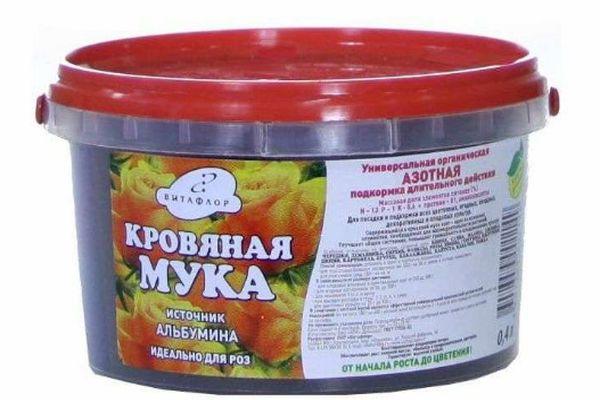
The fertilizer is not suitable for neutral or slightly acidic soils. It has a short shelf life and has no effect on plants after six months of use.
Methods of feeding
To promote faster growth and a bountiful harvest of fruit and vegetable crops, consider using blood meal. Plants are fed with a liquid solution prepared by mixing granules with water. Positive results are observed when the fertilizer is applied to the soil along with seeds or during the crop's growth and vegetation period.
Features of application for plants
When choosing blood meal over chemicals, you need to know the soil type in your area, as not every soil type can be fertilized with this organic fertilizer. The application method varies for different plants.

Tomato
When transplanting tomatoes into the garden, it's recommended to add half a cup of blood meal to each hole. The bushes will develop a dense foliage, similar to that seen after fertilizing with ammonia fertilizers.
Potato
Blood meal is applied to the plot of land allocated for planting this vegetable, which is eaten fried, boiled, baked, and added to borscht and soup, in the fall or early spring. Three kilograms of fertilizer is sufficient for 10 square meters. The potatoes will quickly develop tops, resulting in large tubers.
Eggplants
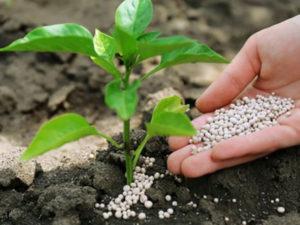
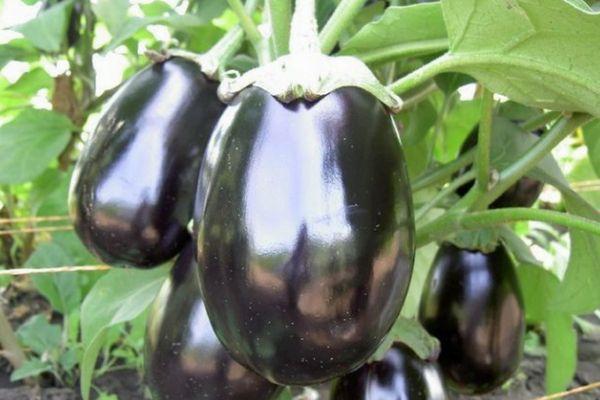
Almost all nightshade crops respond positively to organic fertilization, producing dense, rich green foliage. Eggplants are no exception. When transplanting seedlings into a hole in the garden bed, sprinkle 100 grams of blood meal granules onto each seedling.
Strawberries
It can be watered once a year with a fertilizer solution made from cattle manure. Apply 2 tablespoons of the solution to each bush. When planting strawberries, add blood meal to the hole in the same form and proportion.
Roses
Ornamental shrubs respond to organic fertilization with lush flowering. Those who grow them in their summer cottages and country plots use complex fertilizersRoses will bud faster if you add a quarter cup of dried blood meal granules to the soil when planting. The flowers will delight you with a bright, rich hue and last a long time.
Seedling
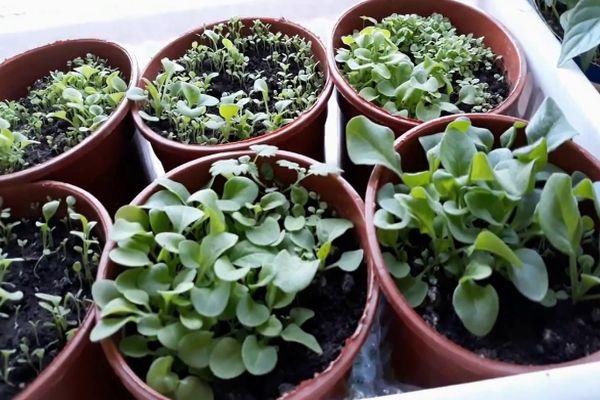
To speed up the ripening of tomatoes, peppers, and eggplants, they are first sown in pots or boxes, which are then left in a greenhouse or on a windowsill. Two weeks before transplanting to their permanent location, the seedlings are watered with a solution prepared by mixing 10 grams of blood meal in a bucket of water.
Determination of acidity in horticulture
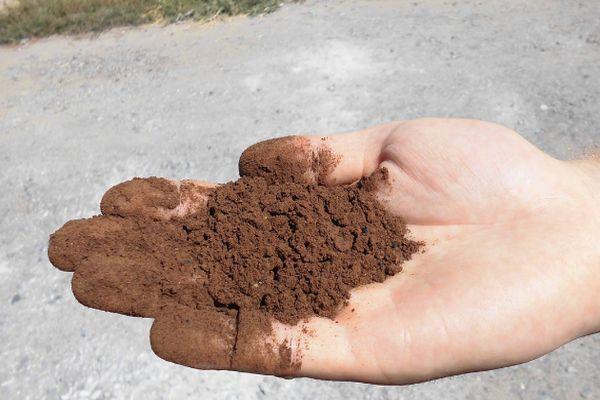
Organic fertilizer made from livestock byproducts isn't suitable for all soil types and can cause significant harm rather than benefit. Not every owner of a summer cottage or rural garden can afford the services of a specialized laboratory to determine soil pH.
Before reagents were produced to measure this indicator, people living in villages noticed that plantain, buttercup, and horsetail thrived in acidic soils, but these weeds grew poorly in neutral soils.
Gardeners can determine the type of soil using the observations of their ancestors:
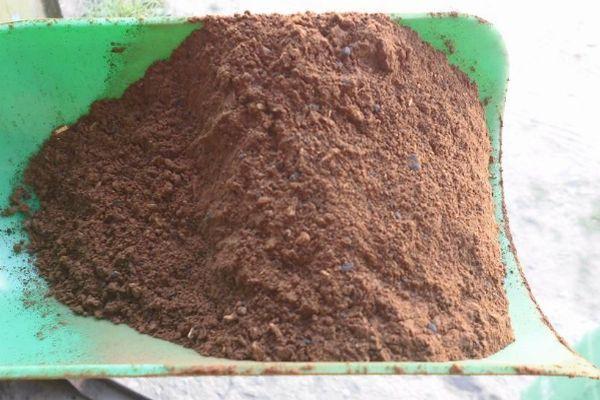
- Mix a small amount of soil and chalk and pour it into a bottle. Then add water and seal it with a rubber cap. If air bubbles appear after shaking, this indicates high acidity.
- Place a handful of soil in a cold infusion of currant or strawberry leaves. The liquid will turn green if the soil has a normal pH; a blue color indicates acidic soil.
- Soda is added to the soil water solution; bubbles will not form if it is of a neutral type.
Even within a single plot, soil composition can vary. Experiments should be conducted by taking soil samples from different beds.
Mistakes in the use of flour fertilizers
Some gardeners, having heard that animal blood fertilizer helps increase crop yields, feed the soil with flour, not knowing its acidity, and this brings harm to the plants instead of benefit.
When feeding blood meal, not everyone follows the correct dosage, which is also a serious mistake. This organic substance has a shelf life of no more than six months, after which there is no point in using it as fertilizer.
Making flour yourself
Blood is dehydrated using a special technology. To dry and extract fibrin, it is loaded into drum or roller machines, where microflora is destroyed. It is impossible to make the flour yourself at home. You can only dilute the granules with water to create a liquid solution for fertilizing vegetable and garden crops.
Combination of flour and other types of fertilizers
Organic fertilizer produced from animal blood doesn't necessarily need to be combined with manure, peat, or minerals. When used on acidic soils, the flour can be supplemented with eggshells. If the soil is nitrogen-deficient, the fertilizer can be combined with well-rotted compost.
Related posts:
 The best eggplant varieties for growing in a polycarbonate greenhouse: planting and care
 Top 40 DIY New Year's Baking Recipes for 2020
 The use of phosphate rock as a fertilizer, its composition and beneficial properties
 How to use and prepare manure as a fertilizer, its types and composition
 How to make mullein fertilizer yourself and instructions for use
 What is the best way to feed cucumbers during flowering and fruiting?
 Instructions for using urea in the garden: what it is and its composition
 Instructions for the use of dolomite flour, its composition and consumption per 1 m2