
Dill is a herb with a strong aroma, added fresh to salads and used as a spice in hot dishes. This herb is considered delicious when picked straight from the garden, so gardeners readily sow it in the spring. To achieve the best harvest and enjoy the aroma and flavor of this "spice" for a long time, it's important to learn what and how to use it. How to plant after dill, which will be discussed in more detail below.
The Importance of Dill Crop Rotation
This annual herb is grown in almost every garden plot, and only in Asia can one find the umbelliferous plant in the wild. This herb boasts numerous beneficial properties, which is why it is widely used in folk medicine.
The plant's beneficial nutrients can be "obtained" through proper cultivation. Dill requires abundant moisture, warmth, sunlight, and fertile soil. The plant grows up to 1 meter in height, absorbing all the minerals from the roots of other vegetable crops.
This is important: such proximity weakens the root systems of crops planted in the same bed. To ensure that all plantings boast a good yield, crop rotation is necessary.
The greens in question need to be planted after crops such as:
- tomatoes;
- cucumbers;
- cabbage;
- peas;
- corn;
- beets.
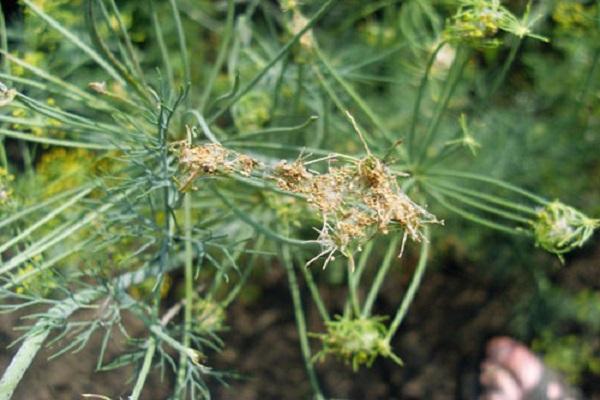
Crop rotation is more important for the vegetables planted than for the umbelliferous plant itself. Dill isn't susceptible to poor growth due to poor planting, but it suffers more from aphids.
You can increase the yield by planting it in a bed where garlic was previously grown.
There is no need to perform any additional manipulations with the soil; it is enough to follow the standard planting procedures.
Neighbors in the garden bed
Proper cultivation of crops in the garden has the following advantages:
- the area of the site is used with the greatest benefit;
- there is less soil depletion;
- gardeners have to use fewer chemicals to get rid of pests;
- planted plants get sick less often;
- The yield increases significantly.
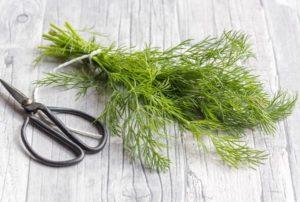
Based on the above, gardeners follow the rules for proper planting. The following recommendations apply to dill:
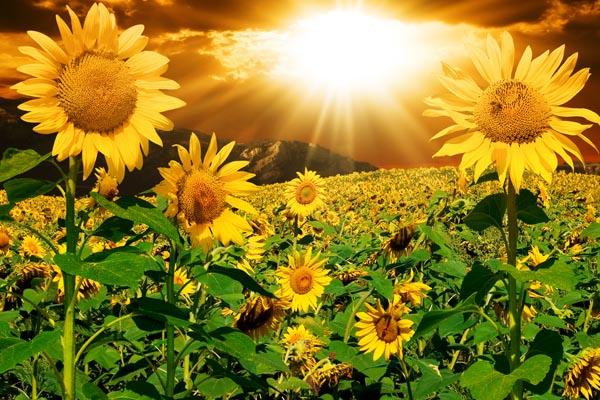
- It is recommended to plant the plant next to sunflowers, beans, onions and fennel - the taste of the planted crops will noticeably improve from such a neighborhood;
- If you plant the greens in question in a bed with cabbage, the heads of cabbage can be protected from insects;
- the umbrella plant will protect the cucumbers from the summer heat, making their appearance and taste more attractive;
- It is recommended to plant dill in potato beds – the aroma of the plant will protect the potatoes from the Colorado potato beetle.
There is no need to plant the plant in a separate bed when it can be used to protect numerous plantings.
What to plant after dill
Dill's enjoyment is often short-lived—by midsummer, the plant has outgrown itself, forcing the seed collection process to begin. In temperate climates, this umbelliferous crop can be replanted. However, if the climate in your area doesn't allow this, the following crops are planted in the garden bed instead of dill:
- next year, green vegetables are planted in beds with dill and nearby potatoes, corn and sunflowers - zucchini, squash, and possibly pumpkin;
- Afterwards, you can plant late varieties of cucumbers – this will prevent an aphid infestation;
- It is recommended to plant peas, beans, potatoes, cabbage, and peppers in the beds with harvested umbrella plants.
After the greenery in question, it is necessary to plant crops susceptible to insect infestation.
What you shouldn't eat after dill
After harvesting an umbrella plant, avoid planting similar crops in the same location. Common crops include parsley, coriander, cilantro, cumin, and fennel. It's not recommended to plant tomatoes, basil, carrots, or lettuce nearby.
The warnings presented are explained as follows:
- dill takes all the nutrients from the soil;
- substances produced by the root system accumulate in the soil, and they prevent subsequent plantings from growing to their full potential;
- Gardeners don't notice how they are causing an increased pest infestation.
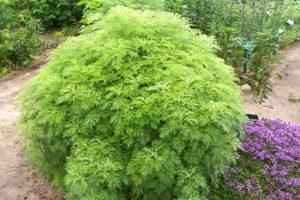
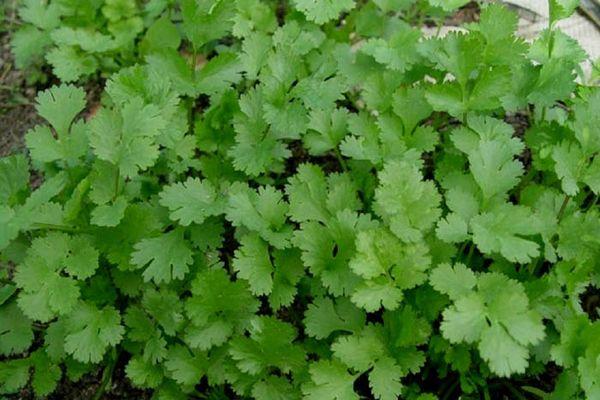
As a result, replanting dill and similar crops in the same spot should be avoided for several years. Even this umbelliferous plant, if planted in the same bed, will not produce much foliage the following year.
Crop rotation is important in gardening if lovers of natural foods want to enjoy them to their heart's content. Dill shouldn't be dismissed as an insignificant herb requiring no attention. It's a useful crop not only in nutrition and folk medicine, but also in gardening.
Related posts:
 Description of the best dill varieties for open ground and for greens, what the plant looks like
 How to choose the best dill varieties for growing greens without umbrellas in open ground and greenhouses
 Recipes for pickling fresh dill for the winter at home in jars, proportions, and storage
 Growing bush dill for greens, describing its varieties, and harvesting
 Basic rules for growing and caring for dill: how many days it takes for it to sprout, how it grows, and when it ripens into greens
 Characteristics and description of the Alligator dill variety
 What are the diseases and pests of dill and how to deal with them, simple methods
 Medicinal properties and contraindications of dried and fresh dill, its use in folk medicine