
- History of the Kesha variety breeding
- Hybrids
- Kesha 1 (Super Kesha, Talisman)
- Kesha 2 (Kesha nutmeg, Zlatogor, Tamerlane)
- Kesha red
- Appearance
- Pollination type
- Productivity of the Kesha variety
- Ripening time
- Advantages and disadvantages of Kesha grapes
- Planting time
- How to prepare a Kesha seedling
- How to choose and prepare a site
- Planting algorithm for the Kesha variety
- Growing and care
- Watering
- Fertilization
- Pruning and shaping the bush
- Weeding the soil
- Shelter for the winter
- Types of reproduction
- Diseases and pests
- Common mistakes
The Kesha grape variety is a popular variety among gardeners in the CIS countries. Planting it is easy; it's important to follow proper cultivation practices. It's easy to care for. To ensure a bountiful harvest and high-quality fruit, it's important to familiarize yourself with the following guidelines.
History of the Kesha variety breeding
The Kesha table grape variety is a mid-early variety bred through a symbiosis of the Vostorg and Frumoasa Albe varieties. Russian breeders from the Potapenko All-Russian Research Institute of Viticulture and Winemaking worked on this development.
The original scientific name of the species is "Improved Delight".
Hybrids
The Kesha grape variety includes two subspecies. Depending on the speed of fruit formation, the varieties are classified as Kesha 1 and Kesha 2. They are also known by other names, as listed below.
Kesha 1 (Super Kesha, Talisman)
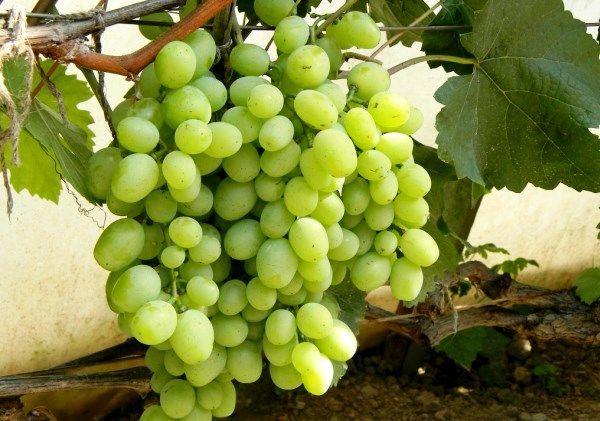
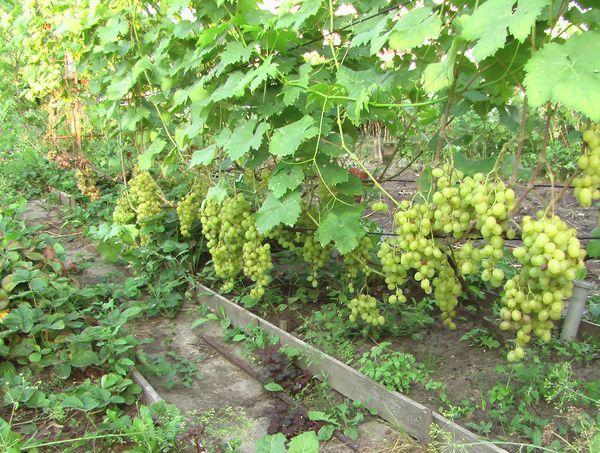
These grape varieties are characterized by high resistance to harmful insects and adverse weather conditions. They have a long ripening period of 130-140 days. The fruits and clusters are large. The grapes withstand severe frosts and have a pleasant, muscat flavor.
Kesha 2 (Kesha nutmeg, Zlatogor, Tamerlane)
The Kesha 2 grape variety was bred from the parent plants Kesha 1 and Kishmish Luchisty. Through the work of breeders, they succeeded in producing delicious amber-colored fruit with a spicy flavor and muscat aroma.
The ripening period for this variety is no more than 110-115 days, after the first buds appear on the ash. The berries have sweet flesh, and a single bunch can weigh up to 1 kg, but with proper care.
Kesha red
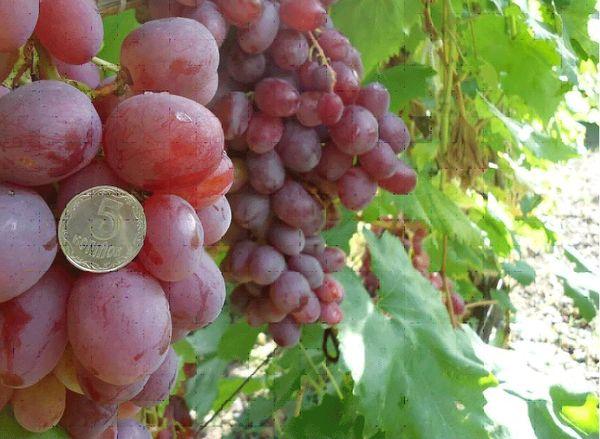
The Kesha Red grape variety was created by crossing Talisman and Cardinal. The plant is vigorous, with a well-developed root system. The bunches ripen in 125-135 days. They are dense, weighing up to 2 kg, and remain on the vine for a long time without losing their appearance or flavor.
At the technical ripeness stage, the berries are light scarlet or burgundy, depending on the vine's exposure to the sun. They have a slight bloom. The flesh is apple-flavored, juicy, and the berries are firm. They do not bruise during transportation, maintaining their flavor. Kesha red grapes have low frost resistance and are rarely affected by mildew and gray mold.
Appearance
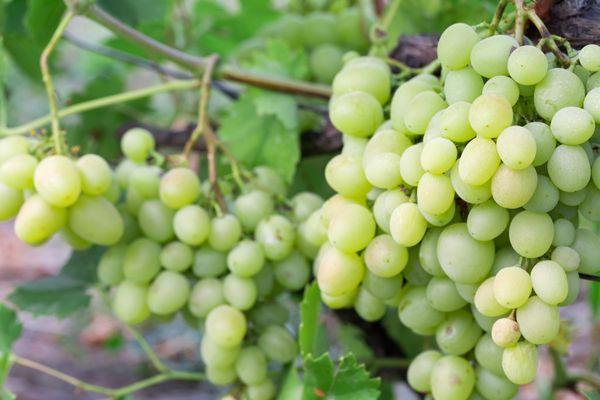
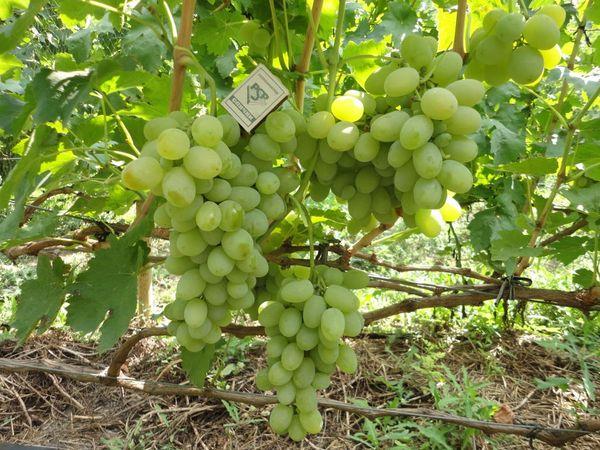
The Kesha grape is a vigorous variety with high yields. With proper care, the grape clusters always remain large, tight, and cylindrical in shape. A ripe bunch reaches 25 cm in length and weighs 1 kg. The berries are large, 30 x 27 mm in diameter, and fleshy. Their sugar content is 19-24%. The leaves reach 15 cm in diameter, five-lobed, and are borne on petioles up to 7 cm long. The tendrils are medium in length and up to 3 mm thick. The flowers are bisexual, small, greenish, and gathered in panicle-like inflorescences.
Pollination type
Kesha grapes are pollinated for one week. During this period, the flowers become a lighter shade and become moist. A sticky liquid appears on the stigma. Pollination occurs from neighboring plants.
Productivity of the Kesha variety
Kesha grapes are renowned for their abundant yields, reaching 75-80%. It's important to leave 1-2 clusters per shoot to prevent the plant from experiencing excessive strain.
Ripening time
The fruits ripen 110 days after the first buds develop. Flowering occurs in early to mid-May. The first harvest is collected in late August or early September.
Advantages and disadvantages of Kesha grapes
The Kesha grape variety has many advantages, but some gardeners have found a few disadvantages.
| Pros | Cons |
| Excellent taste | Low winter hardiness |
| Friendly ripening of berries | The need for constant removal of shoots that thicken the plantings |
| Attractive appearance of fruits | |
| High fertility rates of young bushes |
Planting time
The optimal time for planting is late March to mid-April. Weather conditions should be taken into account. It's important that there's no risk of frost returning. By autumn, new shoots will emerge, and the first fruits will appear the following season.
How to prepare a Kesha seedling
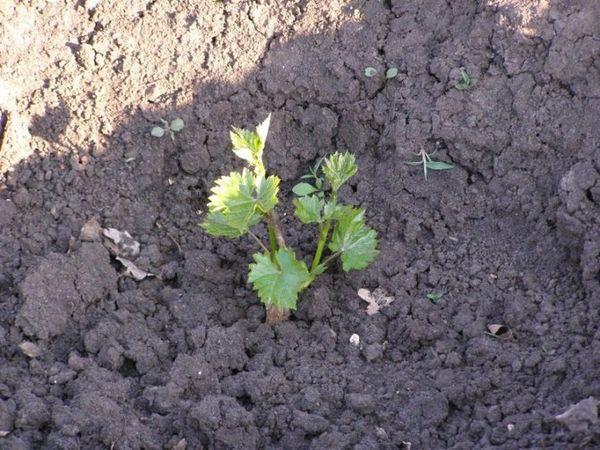
Seedlings should be discarded, leaving only intact specimens without signs of damage. The shoots should be uniformly colored, with greenish flesh when cut. Planting should begin immediately after purchase. Soak the root system in Epin growth stimulant for 2 hours and disinfect with a weak potassium permanganate solution. If the seedlings require transportation, soak the roots in water.
How to choose and prepare a site
Choose a sunny site for the vineyard, but not one that receives constant sunlight, as this can cause leaf burn. Prepare the site in the fall, plowing the soil to a depth of a spade, and removing couch grass and roots. Two weeks before planting, in the spring, dig holes and fertilize them with humus, compost, and wood ash. The site should be free of moisture. Place a layer of broken brick or expanded clay at the bottom of the hole to provide good drainage.
Planting algorithm for the Kesha variety
The process of planting Kesha grapes is standard and involves the following manipulations:
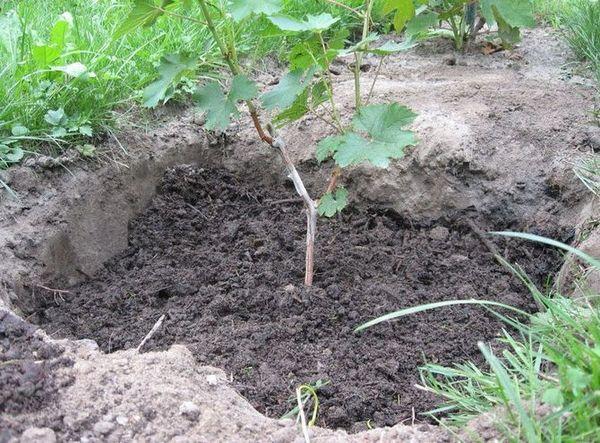
- dig a hole measuring 80*80, fill it 1/3 with soil mixed with a small amount of rotted manure;
- the distance between holes should be 1 meter;
- On the day of planting, add clean soil mixture to the holes, place the seedling rhizomes on it, and carefully cover with the remaining soil;
- The planting depth of grapes is determined based on the height of its root collar, which must remain above the soil surface with the graft.
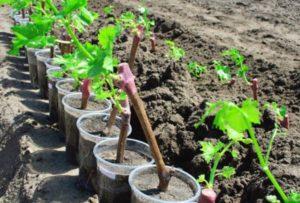
After planting the Kesha grapes, water them generously with settled water. The water is poured into a hole dug around the seedlings, 30 cm from the trunk, and tied to a support structure. One bush requires 25 liters. If planting was done in the fall, keep the young seedlings warm, as their fragile root system can freeze. You can use a bottomless tub, filling it with clean soil after placing it around the bushes.
Growing and care
Kesha grapes are grown using a standard cultivation method, requiring no special care. The plant requires regular watering, pruning, fertilizing, and cultivating the soil around it. Periodic preventative treatments with chemicals are applied to combat beetles and other pathogens.
Watering
Kesha grapes should be watered evenly, twice a year, when there is sufficient rainfall. Use settled water, 30 liters per plant.
Fertilization
Kesha grapes are fed according to the schedule.
- The first fertilizer application is done at the end of May, adding nitrogen to the soil. You'll need 10 kg of rotted manure per bush. Afterward, the grapes are watered.
- After a week, add saltpeter and urea at a rate of 20 g per 1 square meter.
- A month after the first feeding, phosphorus is added - nitrophoska in the amount of 50 g per 1 square meter.
- After another month, the grapes are fed with potassium. It is applied foliarly, by spraying the lower rows of leaves. The required dosage is indicated on the nutrient solution packaging.
Regular fertilization increases grape yield and enhances its protective properties.
Pruning and shaping the bush
It is necessary to carry out sanitary and formative pruning of Kesha grapes.
- Sanitary pruning. This procedure is performed in March, after wintering. Diseased, dry, and damaged shoots are removed.
- Formative pruning. This involves properly shaping the vine and placing it on trellises or other supports to maximize the available space. Up to five shoots are taken from the main shoots, extending from the root system, resulting in up to 15 branches.
Thanks to the above manipulations, the grapes will be neat and not thickened.
Weeding the soil
Loosening is done 4-5 times during the growing season. Weeding is done to a depth of half a spade blade. This manipulation improves soil aeration and removes weeds.
Shelter for the winter
Kesha grapes in southern regions don't require shelter, but the shoots can become coated with ice and freeze. Experienced gardeners recommend preparing for the winter.
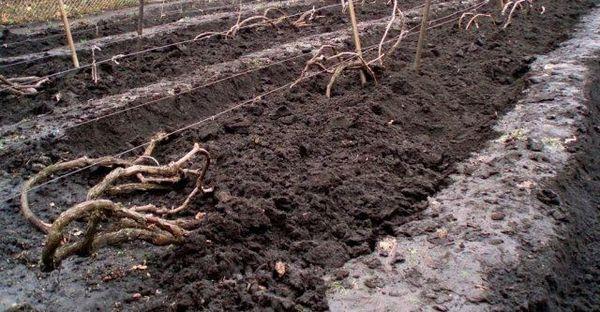
- After fruiting has finished, unnecessary branches are pruned in the fall. This ensures proper bush formation in the spring, freeing the shrubs from excess weight. Afterwards, the branches are removed from the trellises and bent to the ground. A small depression is prepared for the shoots, which are pinned to the ground with wire.
- In November, the branches are covered with leaves, and plastic film and stones are placed on top. This will prevent the covering from shifting and exposing the grapes.
If the winter is snowy, you can cover the bottom of the Kesha grapes with a layer of snow.
Types of reproduction
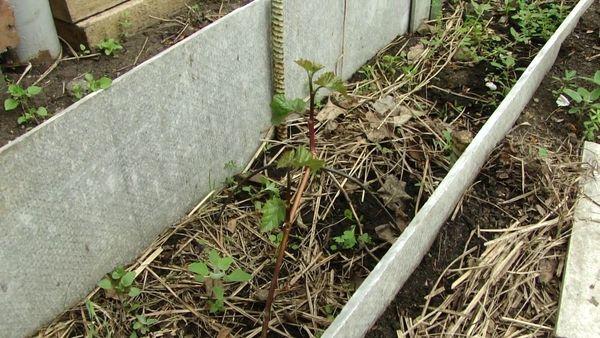
Kesha grapes are propagated in several ways: by planting cuttings and grafting an old plant. The cuttings, separated from the mother plant, root successfully in closed soil, and then the grown seedlings can be transplanted to their permanent location. It will take 3-4 years to harvest the first crop.
Experienced gardeners recommend renewing an old bush by grafting. This can be done throughout the growing season, which provides an additional benefit.
The process of plant grafting consists of the following stages:
- cutting a one-year-old petiole from a healthy mother bush - done in a wedge shape, it is treated with a root formation stimulator such as Humate;
- When grafting in winter, the cutting should be additionally covered with melted wax to protect it from the effects of low temperatures;
- pruning, rubbing off splinters from the trunk - the grafting site should be smooth and even;
- a small split is made on the shoot, its size should correspond to the diameter of the petiole;
- placing the cutting in the split, securing the break with fabric twine;
- applying wet clay to the rootstock site and covering it with a layer of soil to prevent excessive moisture evaporation.
Take a look Also
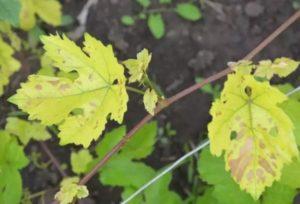
On a diseased trunk, a number of grafts can be carried out at once, but the grapes must first be supported with a supporting structure in several places.
Diseases and pests
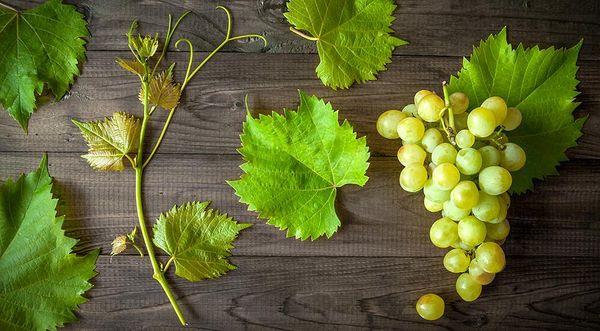
Kesha grapes are susceptible to bugs and diseases if not properly cared for. The most common problems are listed below.
- Powdery mildew. This fungus attacks the leaves. The condition develops rapidly, and a yellowish coating appears on the foliage. To combat the problem, fungicides such as ferrous sulfate solutions are used.
- Gray mold. Grapes are infected due to high humidity. The rot causes brown spots to form on the foliage. Affected areas must be removed.
- Spider mites. The problem is characterized by the appearance of brown, yellow, or light-colored spots on the leaf surface. Spider mite infestations are also dangerous to humans. They are eliminated with colloidal sulfur or chemicals such as Omite, Karbofos, and Fufanon.
If preventative treatments are carried out, Kesha grapes will not suffer from the problems mentioned above.If they have already appeared, the sooner treatment is taken, the higher the chances of saving the plant.
Common mistakes
Gardeners often make a number of mistakes that can be detrimental to grapes.
- Purchasing planting material without first reading the variety description. It's important to familiarize yourself with the berry ripening period, bunch size, fruit shape, and resistance to diseases and pests. Buy seedlings only from reputable sellers or nurseries.
- Planting Kesha grapes on the north side of buildings, behind trees, is recommended. The vines won't thrive in such areas, or the harvest will suffer and the plant will quickly wither.
- Surface planting of seedlings. Rhizomes located close to the surface are susceptible to freezing, and in hot weather, they dry out. It's important to strictly adhere to the recommended seedling hole depth. If planting has already taken place, insulate the base of the bush for the winter with straw or sawdust.
Too frequent watering is also destructive, especially the accumulation of moisture in the root system.
Related posts:
 Description of 30 grape varieties for Siberia, planting and care for beginners
 The ripening time of grape vines by variety, how to speed up the process, and what to treat the plant with
 Description of the Julian grape variety, planting and care instructions
 How to grow grapes in the Moscow region in open ground without a greenhouse
 Description of 30 varieties and types of Muscat grapes, planting, cultivation and care
 Description of the Krasotka grape variety, planting and care technology
 Beginner's Guide to Growing Grapes in Open Ground in Central Russia
 Description and characteristics of the Laura grape variety, planting and care