
- Main reasons
- Nutrient deficiency or excess
- Excessive load on the vine
- Infectious rubella
- Non-infectious rubella
- Spider mite
- Cicada infestation
- Black spot
- How to treat
- How to diagnose correctly
- If pests
- If there is an infection
- Chemicals
- Contact type
- Systemic type
- Combined
- Biological agents
- Mechanical impacts
- Preventive measures
- Watering rules
- Destruction of dry leaves
- Pest control
- Preventive spraying
- Tips and advice from experienced gardeners
Gardeners are often troubled by red spots on the leaves of their cultivated grapes, which appear even with proper care. Unfortunately, they signal plant diseases, requiring prompt action to eliminate them. Leaf color can also change when the grapes are damaged by pests. Therefore, it's important to understand the causes of these spots, which can spread rapidly to neighboring plants.
Main reasons
Red spots on grape leaves are formed for several reasons.
Nutrient deficiency or excess
The appearance of red spots can signal a nutrient deficiency or excess. Knowing the symptoms can help you visually identify the problem, as grapes can signal a mineral imbalance.
| Element | Signs of deficiency |
| Potassium | A red border appears along the edges of the leaves, which turns brown by the end of summer due to heavy crop loads. This symptom becomes more pronounced in mid-July, starting with the lower foliage. |
| Phosphorus | Growth of shoots, leaves, and inflorescences is stunted. Purple-red spots appear on the foliage. Fruits lose their flavor. |
| Magnesium | Light spots form between the veins on older leaves. The discoloration begins at the leaf tip, creating a wedge-shaped pattern. A severe deficiency causes leaf drop, reduced shoot growth, and stem drying at the beginning of fruit ripening. |
| Manganese | The leaves begin to turn yellow at the edges, the tissue around the veins remains green, and then gradually turns reddish. |
Advice! After identifying specific element deficiencies, apply foliar or root fertilization of the missing nutrients at increased rates.
Excessive load on the vine
When growing grapes, it's important to create favorable conditions for the plant to thrive and bear fruit. Pruning is one of the maintenance procedures. If neglected, the bushes become overly dense, the leaf veins turn red, the shoots become thin and underdeveloped, resulting in poor ripening and weak fruit bud formation.

Infectious rubella
This type of rubella occurs on grapevines in patches. The fungus weakens the plant by penetrating the vascular system. This makes it difficult for the grapes to absorb nutrients from the soil.
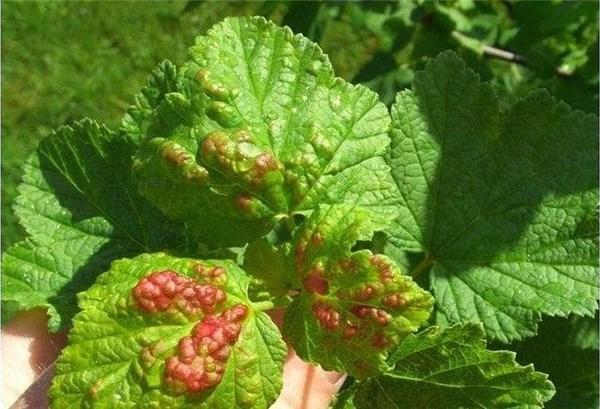
The plant is experiencing starvation, which is reflected in the foliage, which becomes covered with spots that turn red and then merge, become convex and acquire a reddish-brown color.
As a result, the plant experiences impaired growth, deformed berries that do not fully ripen, and a reduction of up to 80% or complete loss of yield. The optimal temperature for pathogen development is 18-20 degrees Celsius.
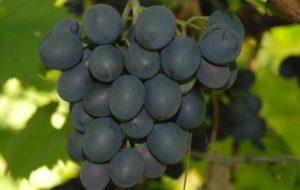
Preparations intended for plants will help protect them. treating grapes against mildewYou can also treat the leaves on both sides using Bordeaux mixture, copper oxychloride solution, and other fungicides.

Non-infectious rubella
Non-infectious grape rubella is thought to be caused by a potassium deficiency in the soil, as well as dry weather conditions and sudden temperature fluctuations. The disease is indicated by specific spots on the plant and severely thickened leaf veins.
A deficiency of this microelement can be caused by poor soil, a high content of clay, which retains potassium, and an excessive load of fruits on young bushes, whose root system is unable to extract nutrients from the depths of the soil.
At the first symptoms, the grapes should be treated with potassium nitrate, the procedure should be carried out in the morning and evening hours.
Repeating the treatment 5 times with an 8-day interval will quickly resolve the problem. In the summer, saturate the soil with potassium sulfate or potassium chloride, preferably in late August.
Spider mite
Grape mites belong to the class of arachnids and come in several species, including leaf mites, spider mites, felt mites, and red mites. The spider mite is particularly dangerous to grapes. This yellow-green parasite can cause significant damage to the crop.
This pest overwinters under fallen leaves of the crop, and with the onset of spring, at an air temperature of 15 degrees, the female mite actively lays eggs on the underside of the leaf.
The insect is prolific, capable of reproduction within two weeks of emergence and capable of producing offspring approximately 12 times per season. Adult mites and their larvae feed on the plant's cellular sap. They pierce the leaf with their powerful jaws, damaging the structure of the leaf blade. This causes the leaf to become covered in red spots, followed by rotting and death.

Therefore, it is important to begin fighting this insidious insect in a timely manner, using both chemicals and folk remedies.
Cicada infestation
The appearance of red spots on grape leaves may indicate a cicada infestation. Cicadas pose a particular danger to the crop, as they not only damage the leaves and weaken the vines, but are also considered carriers of fungal and viral infections.
Damage is caused by both adult insects and larvae. In the spring, after hibernation, the pest feeds on young leaves, piercing them with its proboscis and sucking out the sap.
Small spots initially appear on damaged parts of the plant, but when the cicada lays eggs, the area of discoloration covers the entire leaf, which subsequently turns brown, withers, and falls off.
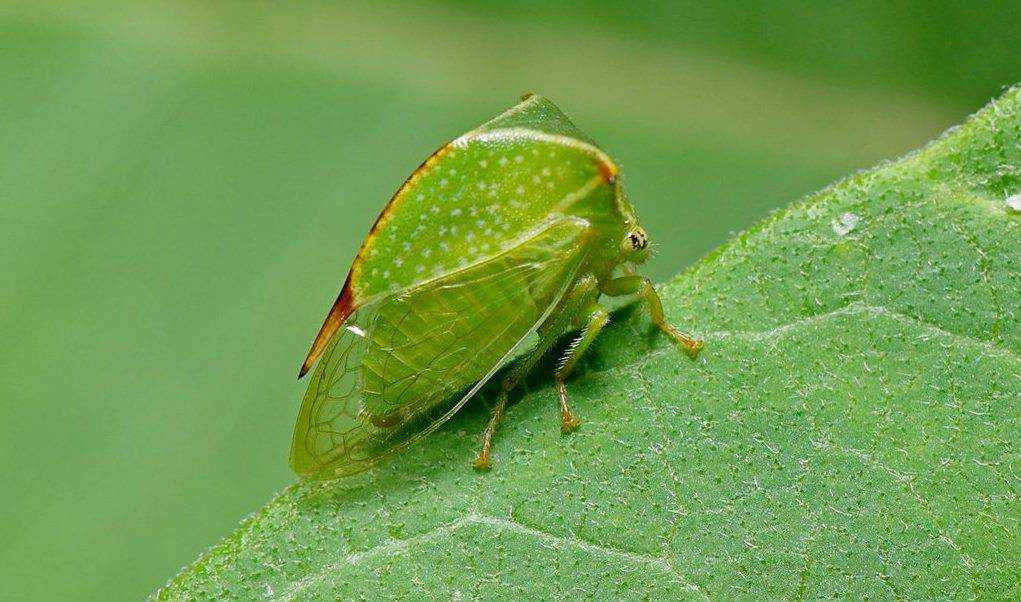
Chemical methods (spraying with insecticides) are effective in the fight against cicadas.
Black spot
A fungal disease called black spot can cause red spots to appear on grape leaves. Initially, the spots are red or reddish-brown in color, but later turn black and necrotic.
To combat black spot, the underside of the leaves must be treated with effective fungicides.
How to treat
If red spots are found on grapes, it is necessary to correctly determine the cause and begin treatment immediately.
 Important! Delays in treatment can lead to dire consequences, ranging from crop loss to plant death.
How to diagnose correctly
To correctly identify a disease or pest, you need to know its primary early symptoms so you can take appropriate action promptly. To do this, you should familiarize yourself with information about common fungal infections and parasites that can affect crops.
If pests
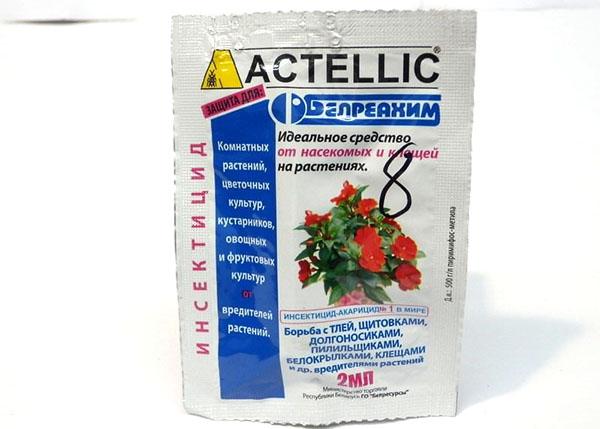
To protect the vineyard from pests, it is necessary to use acaricides: "Actellic", "Omite", "Neoron" or insectoacaricides.
If there is an infection
If an infection is detected, it is recommended to use biological preparations or mechanical methods at the initial stage of its development, and in case of severe infestation, to use effective chemicals.
Chemicals
If red spots are detected on grapevines, the disease should be identified and the plant treated immediately with appropriate chemicals (fungicides). These contain substances that are safe for the plant but harmful to fungal spores. There are three types of chemicals.

Contact type
Contract fungicides create a protective coating on the surface of leaves and stems. Upon contact, fungal spores are killed, leaving the grapes undamaged. The fungus does not adapt to these fungicides, which is considered the main advantage of contact chemicals.
This protection lasts no more than 10-12 days on the plant, provided there's no rain. Therefore, treatments should be repeated every 8-10 days. A total of 7-8 sprays will be required. Such products include "Omal" and "Rovright."
Systemic type
These preparations work by penetrating the plant, where they are distributed via the sap and begin to combat the disease. This treatment eliminates the mycelium and inhibits its reproduction.

The advantage of this product is that it lasts for three weeks, protecting young shoots and leaves. Rain doesn't interfere with its effectiveness, as the product doesn't wash off. Examples of such products include "Quadris," "Strobi," and "Topaz."
Combined
Combination medications combine all the properties of both systemic and contact medications. Popular formulations include Mikal, Shavit, Flint, and Carbio Top.
Important! Most complex fungicides require careful handling as they are toxic to humans.
Biological agents
Biological crop protection products include microbiological preparations such as Dendrobacillin, Bitoxibacillin, and Lepidocid. These products last for 8-10 days, requiring multiple treatments throughout the growing season.

It is important to take into account that this group of drugs is effective in the initial stages of fungal disease development, as well as for prevention.
Mechanical impacts
Environmentally friendly mechanical methods can also help protect plants. To do this, remove diseased leaves and cut shoots at the base, as these are considered breeding grounds for various infections. Seal wounds with garden pitch.
Preventive measures
To prevent diseases and pests, the following measures must be observed.
Watering rules
Timely irrigation is essential when cultivating vineyards, as deficient moisture prevents plant roots from absorbing nutrients, which can lead to red spots. Excess moisture also affects the fruit's flavor. Therefore, during bud break, mass flowering, and fruit formation, water the grapes generously.
Destruction of dry leaves
Pathogenic organisms hide and develop in fallen leaves. Therefore, prompt cleanup should be carried out in the fall, burning dry leaves at a distance from the vineyard to prevent microbial spores from settling on the plant.

Pest control
For prevention, it is recommended to treat the plants with insecticides at a minimum dosage once after they have finished flowering.
Preventive spraying
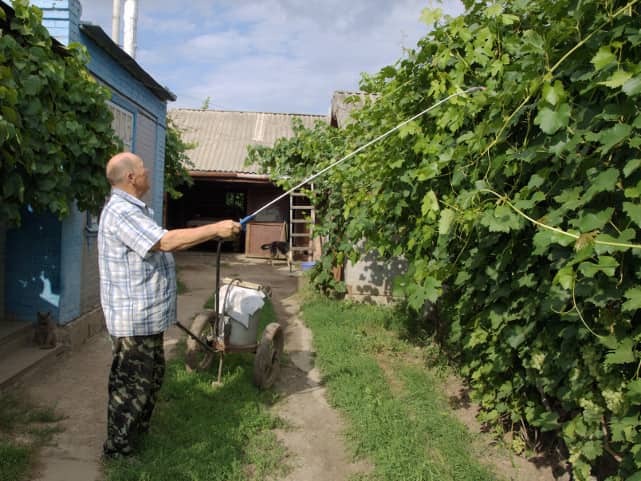
To protect grapes from diseases and insects, spray them at least 3 times per season:
- in spring, before the buds swell, when the first leaves form and before the flowering process;
- in the summer, when the fruits on the vine grow to the size of a pea;
- in the fall, before covering it for the winter.
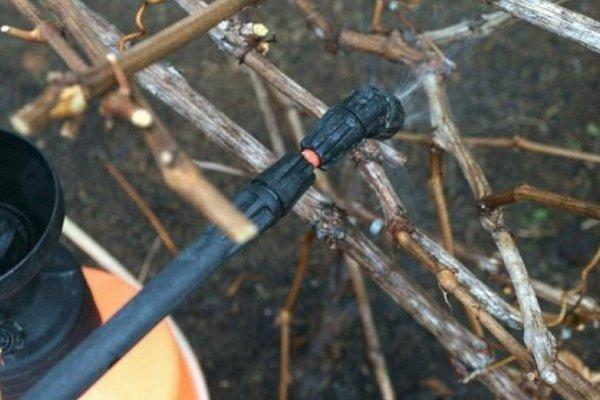
These treatments will reliably protect the vineyard and allow you to get a rich harvest.
Tips and advice from experienced gardeners
Novice gardeners, encountering grapevine diseases and pests for the first time, often make mistakes due to a lack of knowledge. Therefore, it's important to heed the advice of experienced winegrowers:
- Water the crop at the roots; this will prevent fungi from developing in the leaves.
- Eliminate weeds under bushes, remove lower leaves, and clear away vines to avoid creating moisture that is conducive to the development of fungal diseases.
- Form the bushes so that the crop is well ventilated and receives sufficient light.
- Apply nutrients correctly, trying not to overfeed the plant, to avoid the development of various diseases.
- Observe the timing and time of spraying the vineyard.
- In the fall, dig up the soil under the bushes, preventing pathogenic organisms from overwintering comfortably.
- In early spring, cut off dry, damaged, diseased stems, including a healthy area by 10 cm.
If you follow these simple tips, healthy-looking grapes and a high-quality, quantitative harvest are guaranteed.
Related posts:
 How to grow grapes in the Moscow region in open ground without a greenhouse
 Description of the Julian grape variety, planting and care instructions
 The ripening time of grape vines by variety, how to speed up the process, and what to treat the plant with
 Description of the Krasotka grape variety, planting and care technology
 Description of 30 grape varieties for Siberia, planting and care for beginners
 Description and characteristics of the Laura grape variety, planting and care
 Description and characteristics of the Preobrazhenie grape variety, planting and care
 Beginner's Guide to Growing Grapes in Open Ground in Central Russia