
- Main reasons
- Light and warmth
- Soil and planting
- Watering
- Top dressing
- Pests
- Recommendations for solving the problem
- Illumination
- Watering mode
- Landing distance
- Protection from cold
- What to do if it has stopped growing
- Aphid
- Spider mite
- Mildew
- Gray rot
- Fungal diseases
- Short-nosed virus
- Tips and advice from experienced gardeners
- Result
When grapevines aren't growing well, it's important to know what to do to prevent the situation from worsening. This can be caused by both external factors and improper care. To ensure a healthy harvest and a healthy vine, it's essential to provide proper care and timely fertilization.
Main reasons
To solve the problem, it's necessary to determine the cause of the crop's slow growth. These may be factors that need to be addressed.
Light and warmth
Slow grape growth may be due to insufficient light and warmth. This problem arises when seedlings are planted in the shade or near buildings.
Insufficient light reduces crop growth and can lead to crop death or no harvest.
Soil and planting
Grapes prefer light, aerated soil. Planting seedlings in clayey or heavy soils often leads to problems such as slow growth and crop failure. The crop may grow slowly if planted too early or in cold weather.
Watering
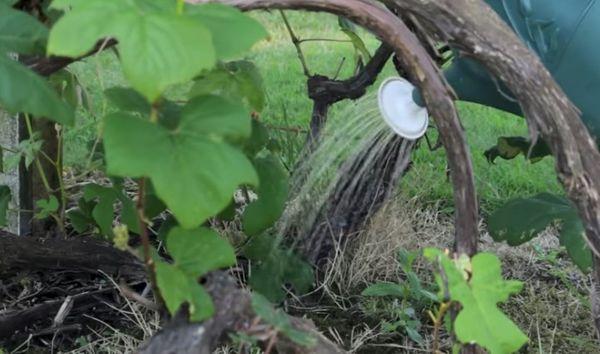
Grapes need to be watered every three days, but if there's frequent rainfall, watering should be reduced to once a week. Excessive moisture can lead to rot and disease on the vines.
Top dressing
Often crop growth decreases if the soil lacks useful minerals:
- insufficient nitrogen fertilizers lead to slow growth;
- low amounts of potassium reduce growth and lead to plant sluggishness;
- Lack of phosphorus in the soil slows growth and makes leaves dark.
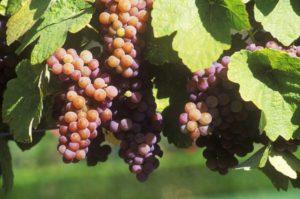
A lack of beneficial minerals often manifests itself with additional symptoms in the form of leaf drop and wilting.
Important: To enrich the soil with beneficial minerals, you should purchase a complete fertilizer. This fertilizer, when applied according to the instructions, will reduce the risk of adverse reactions.
Pests
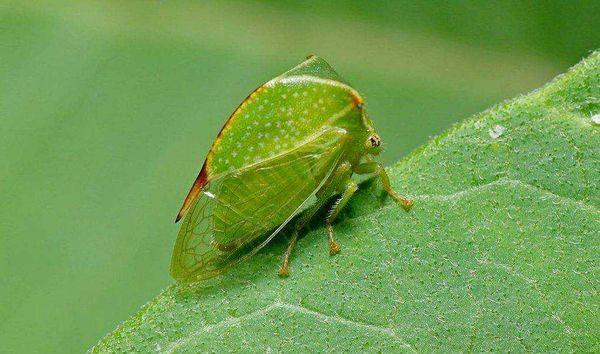
Young grapevines are often susceptible to fungal diseases and pests. These diseases damage leaves, shoots, and roots, causing the plant to grow poorly and wilt.
Recommendations for solving the problem
In order to speed up the growth of the crop, it is necessary to take urgent measures, otherwise the seedling may die.
Illumination
If there's not enough light, the bush needs to be replanted in a sunny spot. To prevent this problem, you should:
- plant the bushes on the sunny side, as grapes prefer light;
- plant grapes near fences and small buildings, fences absorb heat, which is then absorbed by the plant;
- bury glass bottles along the garden bed; this action allows for additional warming of the soil, as glass attracts sunlight;
- avoid places with drafts and trees that can create shade;
- If the bush is large, the vine is thinned out and insulation made from roofing felt is placed around the roots.
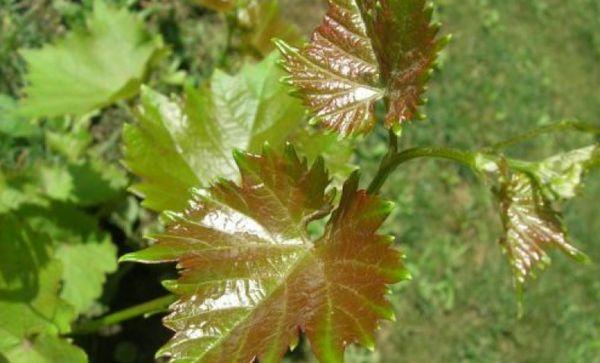
Once the plant begins to receive sufficient light and heat, the growth of young shoots will quickly resume.
Watering mode
The seedling should be watered every three days or as needed. Watering should be done in the evening. Before watering, loosen the soil and remove all weeds.
Landing distance
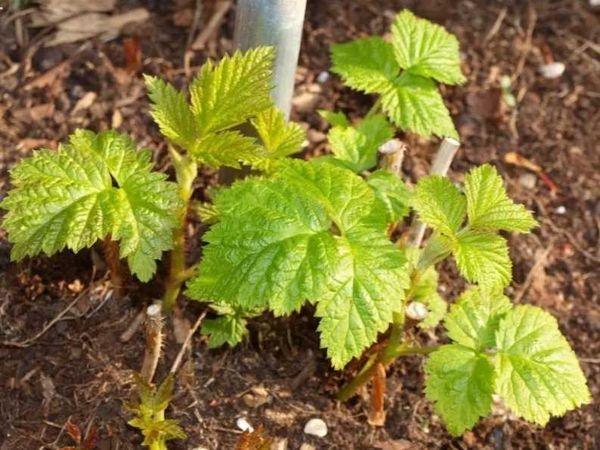
When planting grapes, it's important to maintain proper spacing. Leave at least 1.5 meters between each vine. Otherwise, the roots will grow and consume nutrients, resulting in reduced plant growth.
Protection from cold
Young grapes do not tolerate low temperatures and winds well. Therefore, they must be covered with burlap. Roofing felt, which is used to form barriers, is also used to protect the plants from cold winds.
What to do if it has stopped growing
A problem that contributes to the reduction of grape growth is the attack of pests and diseases on the bush.
Aphid
These are small insects that feed on the sap of young shoots. Aphids can attack both above-ground parts and roots. Failure to control these pests can lead to the complete death of the plant and its failure to thrive. Special chemical sprays are used for control.
Spider mite
It's easy to determine the presence of spider mites:
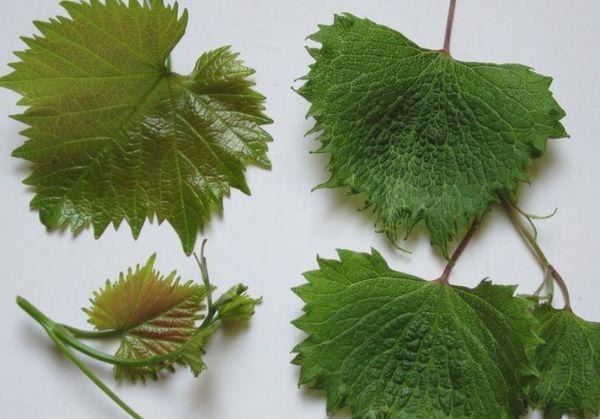
- formation of spots and bumps on leaves;
- the shoots become wilted and covered with cobwebs;
- young shoots reduce their growth.
The plant's growth slows and becomes weak. To eliminate the mites, treat the bushes with the following products: Actellic, Akarin, and Apollo.
Mildew
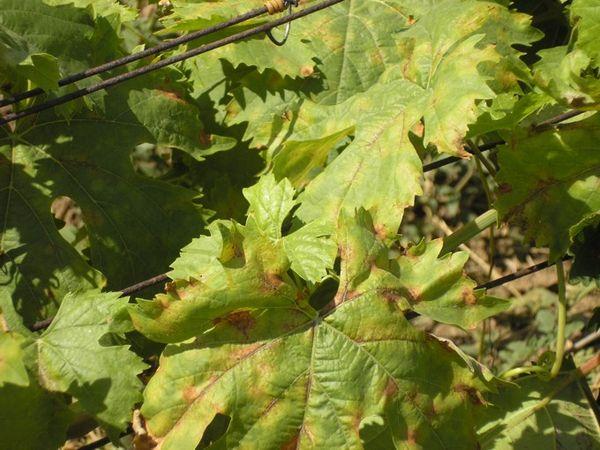
The disease develops with frequent watering or excessive precipitation. Infections are characterized by wilting and leaf drop. To reduce the incidence of this disease, spraying with specialized products is necessary.
Gray rot
The disease affects leaves and shoots, causing individual sections of the bush to fall off. Berries are also often affected, destroying the harvest. It manifests as a coating on the leaves and berries, causing the leaves to dry out. The berries become wrinkled and unfit for consumption. Copper sulfate, Topsin, and Sumelex can be used to control the disease.
Fungal diseases
Fungal diseases can be carried by the wind, but most often accumulate in the soil or develop with frequent watering. The fungus quickly attacks healthy bushes and causes their death. The first symptoms of infection are a lack of growth and the formation of new shoots. Leaves become wilted and develop burgundy spots. To eliminate the problem, damaged areas are removed, and the remaining areas are sprayed with specialized products.
Short-nosed virus
It manifests itself as yellow spots on the leaves. The spots have a distinctive odor and gradually form thickened patches. Gradually, the leaves become deformed and fall off. This is due to poor root development. If infected, the infected parts must be removed and burned. The virus is incurable.
Tips and advice from experienced gardeners
To speed up the growth of grapes, you must follow these recommendations:
- The permanent growing location should be sunny. In the fall, the soil should be thoroughly dug to remove pest eggs and larvae.
- Transplanted grapes need to be fed with potassium and nitrogen fertilizers; this will not only accelerate growth but also strengthen the plant's immunity.
- Before planting, treat the soil with a light solution of manganese and add humus.
Special growth activators can also be used to accelerate plant growth and reduce the risk of disease.
Result
Grapevine growth depends on proper care and timely fertilization. Poor growth can be caused by improper planting. Promptly addressing the underlying cause ensures a healthy plant and a harvest.
Related posts:
 How to plant grapes step by step, with a description of the process and care
 Description of 30 grape varieties for Siberia, planting and care for beginners
 Description of 30 varieties and types of Muscat grapes, planting, cultivation and care
 The best ways and methods for properly covering grapes for the winter
 The ripening time of grape vines by variety, how to speed up the process, and what to treat the plant with
 Beginner's Guide to Growing Grapes in Open Ground in Central Russia
 Description and characteristics of the Syrah grape variety, where it grows
 The benefits and harms of grapes for the human body, healing properties