
- Description of the drug
- Compound
- Mechanism of action
- Area of influence
- Period of protective action
- Number of treatments
- Waiting period for grapes
- What diseases of grapes does it treat?
- Scab
- Rubella
- Mildew
- Powdery mildew
- Gray mold
- Tinder fungus
- Different types of rust
- Black spot
- Root cancer
- Late blight
- Anthracnose
- Stemphilium
- Rot
- Advantages and disadvantages of application
- How to use correctly
- Security measures
- Recommendations for work
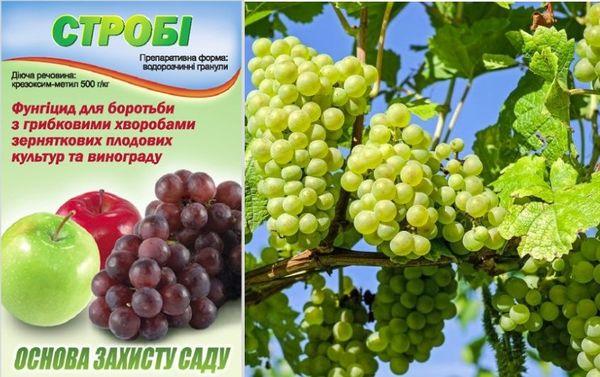
Strobi is one of the best products in its class. It effectively treats grapes infected with microbial and fungal diseases. If you follow the Strobi fungicide instructions for treating grapes, you can quickly eliminate the source of the infection. This pesticide prevents spores from developing further, halting further mycelial growth.
Description of the drug
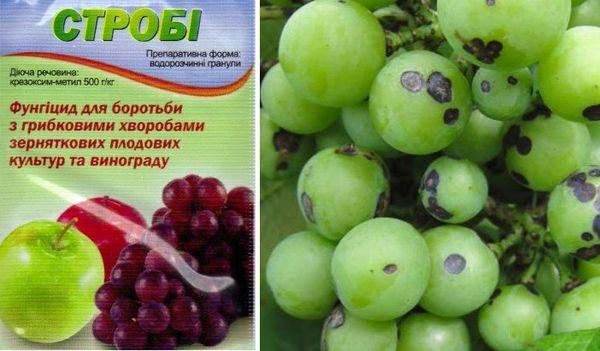
This product has proven effective in treating many fungal diseases. It is manufactured in Germany. It comes in sachets and is a light-brown, water-soluble granule. It dissolves in water at 20°C at a rate of 0.002 g/l. It is classified as a Class 3 hazard substance.
Compound
The chemical belongs to the strobirulin class. The active ingredient in "Strobi" is kresoxyl-methyl, which has high bactericidal activity. Products containing this chemical have therapeutic and protective properties. Treatment is carried out only when obvious symptoms of the disease appear.
Mechanism of action
"Strobi" is an effective product, a new-generation pesticide, that simultaneously treats several diseases of grapes and many other plants. Its action consists of suppressing the growth of pathogenic microorganisms. The main advantage of its use is that it does not harm animals and people.
Area of influence
The pesticide acts systemically and locally, inhibiting the fungus's cellular respiration and causing its death. It inhibits the formation of spores and reduces the rate of spread of the disease.
Period of protective action
If fungal diseases have caused minor damage to grapes, the product is effective for two weeks. In other severe cases, it lasts for about 10 days.
To achieve maximum effect, it is necessary to properly alternate chemical treatment products.
Number of treatments
The standard instructions for using the fungicide "Strobi" on grapes call for two applications. A 7-10-day interval is allowed between the first and second applications. This product is versatile, as it can be used not only for prevention but also for treatment.
To ensure long-lasting protective action of the pesticide "Strobi", the manufacturer recommends treating the plant no more than 3 times over the course of 1 year.
Waiting period for grapes
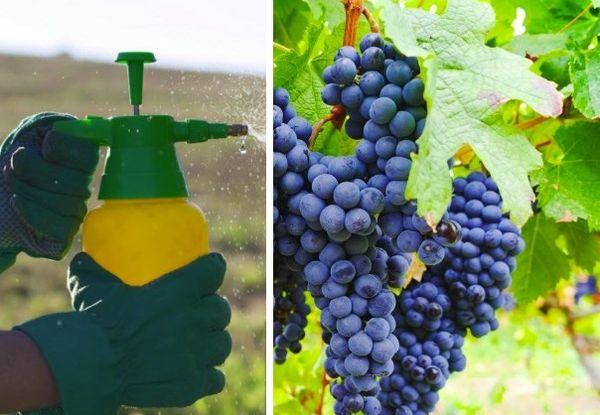
Treatments should be continued throughout the growing season. Spray the leaves, the soil around the roots, the berries, and the vines. The mixture is applied twice a day, every 7-10 days. Treatments should be stopped one month before the berry harvest.
What diseases of grapes does it treat?
The fungicide "Strobi" shows good results in the treatment of many grape diseases.
Take a look Also
It effectively combats:
- rot;
- rust;
- anthracnose;
- late blight;
- stemphyliosis;
- root cancer;
- black spot;
- tinder fungus;
- scab;
- gray mold;
- mildew;
- powdery mildew;
- rubella.
Scab
Plants infected with scab lose their original appearance. Fruit-bearing grapevines experience reduced yields. Berries lose nutritional value, flavor, shape, and size. The disease can appear from May to June if weather conditions are characterized by high humidity and prolonged summer and spring rains.
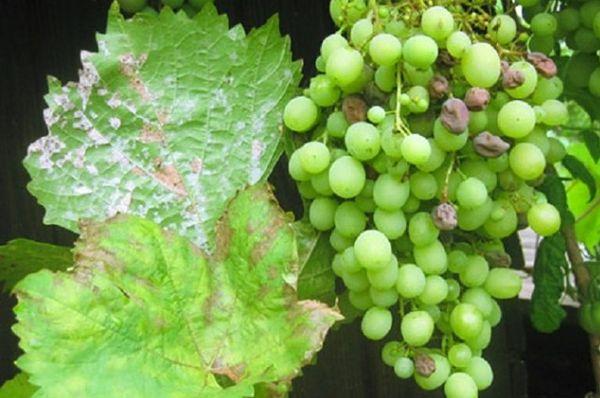
This disease produces spores that are carried around the garden by the wind. When they land on a wet leaf, they begin to germinate. The fungus penetrates the tissue and grows.
The number of Strobi treatments required in summer depends on the stage of the disease. If the disease is progressing rapidly, approximately 4-5 treatments are necessary. If the disease is in its early stages, 3 treatments are required.
Rubella
Rubella is a fungal disease that affects grape leaves. In rare cases, the disease can spread to other organs. This can degrade the flavor of the berries and inhibit the growth of ovaries, inflorescences, and shoots.
Rubella occurs on plants growing in dry, sandy soil or in damp, compacted soil with clay. Grapes with nutrient imbalances, potassium deficiency, and overloaded vines are susceptible to the disease.
Mildew
This disease is the most damaging and widespread, damaging all parts of the grapevine (shoots, fruits, and leaves). High humidity is ideal for the spread of mildew.
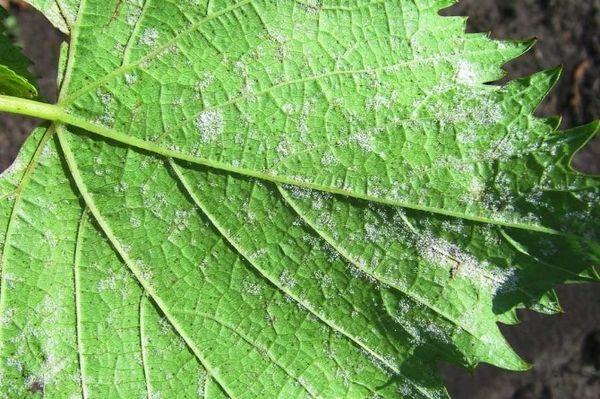
Signs of plant infestation include the presence of oily, round spots of varying sizes on the upper side of leaves. If the plant is significantly damp, a powdery white coating will appear on the underside of the spot.
Over time, leaf cells die. The affected areas first turn yellow, and then may acquire a reddish-brown tint, with visible signs of drying and dying. The infection can later spread to the inflorescences, which can cause significant damage to the crop.
Powdery mildew
Powdery mildew is a fungal disease (also known as oidium or powdery mildew). Its pathogens prefer only green and living tissue. The disease attacks fruits, making them unsuitable for winemaking and fresh consumption. Its effects are most severe after frost.
Spores are found under the eye scales; when temperatures rise from 17 to 24 degrees Celsius, they germinate. High humidity also promotes the spread of the disease. Rain can slow down or sometimes even stop the disease altogether.
Gray mold
Gray mold is the only grape disease that can affect grapes year-round, provided conditions are favorable for its development. It appears on young wood, green parts of the plant, and new shoots.
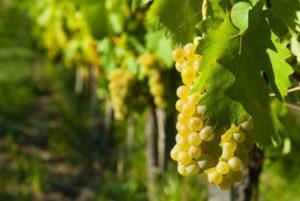
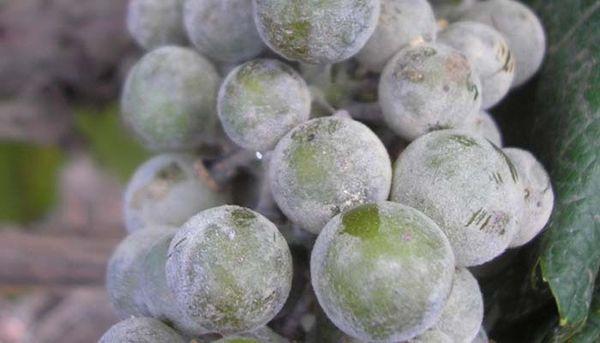
In spring, during damp and cold weather, young shoots and buds become coated with a film and begin to die. In dry weather, inflorescences and their parts turn brown, die, and then dry out, appearing as ridge paralysis.
Tinder fungus
The polypore quickly infects the plant, often causing its death. Along with the polypore, it brings pathogenic fungi, which are toxic to the plant. This destroys the vine's vascular system, and the wood dies. Weakened plants are much more susceptible to this disease.
Different types of rust
Rust attacks only the living tissue of the grapevine. Once the disease has depleted one plant (which will likely die), it spreads to another. Signs of rust infection include brown or yellow-orange spores on the affected parts. Rust spores can be carried long distances through the air, but they remain viable.
Black spot
This fungal disease gets its name from the characteristic signs of damage on grape leaves and shoots. Most often, the grape combs, lower leaves, and sometimes tendrils are affected. Black, oval or round spots appear on these areas.
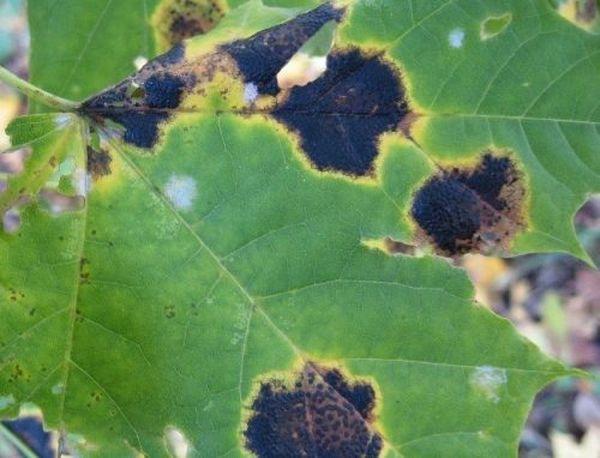
Infection occurs through stomata and wounds. The parasite lives in the upper cell layers. The fungi spread through the growing mycelium, which resumes growth when the air temperature rises above freezing. It can also reproduce through spores carried by rainwater.
Root cancer
Bacterial canker is one of the most serious diseases of grapevines. Plants growing in cool climates are particularly susceptible to this disease. Only certain varieties have stronger immunity. The disease is systemic. It infects the entire vine and even the soil. Once removed, healthy seedlings will not be able to grow in the same location for another 4-5 years.
Late blight
This fungal disease manifests itself primarily as root rot, with secondary symptoms including cracks in the trunk that leak sap. The plant loses color, and the leaves become small. Late blight causes leaf drop, fruit rot, and often leads to the death of the entire plant. The disease is caused by low temperatures and high humidity.
Anthracnose
The disease infects fruits, inflorescences, shoots, and foliage. Brown spots with a dark white border appear. Tissue death occurs in the affected areas. Similar symptoms occur on leaf petioles and ridges. Inflorescences turn brown and dry out.
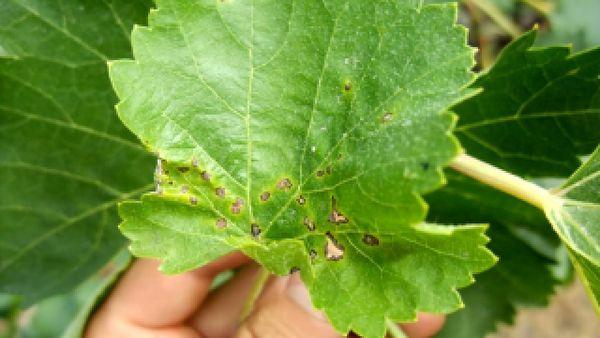
The pathogen becomes active in late May, when the weather warms up. The optimal temperature for it is between 16 and 20 degrees Celsius.
Stemphilium
Stemphylium leaf spot appears on grapevine foliage as dark brown spots covered with a black coating. Affected leaves dry up and die. If seedlings are infected, the grapevine often dies. Stemphylium leaf spot thrives in dry, warm weather.
Take a look Also
Rot
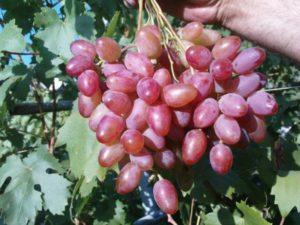
Rot affects all parts of the grapevine. It is especially active in the spring during damp and cold weather. Brown spots appear on the foliage. Affected shoots die, break off, and fail to ripen in the fall.
Rot causes the greatest damage to fruits, significantly reducing yield.
Advantages and disadvantages of application
The chemical "Strobi" for grapes has drawbacks, including its toxicity and negative environmental impact. Plants can develop a tolerance to the substance, necessitating the search for an alternative.
However, the drug has many advantages:
- economy;
- safety for the plant;
- resistance to weather changes;
- penetration into plant tissue (spraying is possible only on one side);
- safety for bees.
How to use correctly
To prepare the mixture you will need:
- water (10 l);
- teaspoon of granules (5 g).
Dilute the product in water. Apply the resulting mixture to the plant during the growing season.
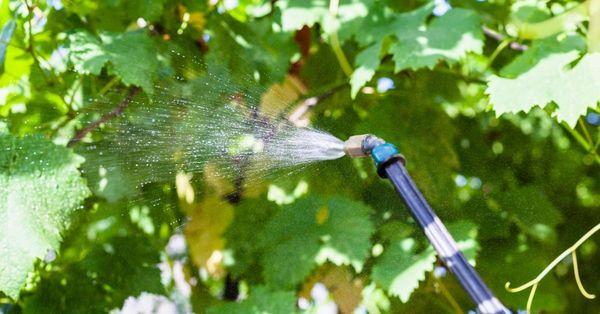
Spray not only the foliage but also the soil around the roots and branches. The product is applied twice every 7 days. It's important to apply the last treatment one month before harvesting the berries.
Security measures
When working with the substance, wear a protective suit, gloves, a respirator, and protective goggles. The instructions for using the Strobi fungicide on grapes call for keeping it away from heat. Use only household containers to prepare the mixture. If the substance comes into contact with eyes, rinse immediately with plenty of water.
Recommendations for work
To ensure the product is effective, follow certain application guidelines. Treatment should be performed in the morning or evening. Avoid using the product near bodies of water. To prevent grapes from developing a tolerance, spray the plant with products from other groups. Before combining Strobi with other products, test them for compatibility.
Related posts:
 How to grow grapes in the Moscow region in open ground without a greenhouse
 Description of the Julian grape variety, planting and care instructions
 Description of the Krasotka grape variety, planting and care technology
 The ripening time of grape vines by variety, how to speed up the process, and what to treat the plant with
 Description of 30 grape varieties for Siberia, planting and care for beginners
 Description of 30 varieties and types of Muscat grapes, planting, cultivation and care
 Beginner's Guide to Growing Grapes in Open Ground in Central Russia
 Description and characteristics of the Laura grape variety, planting and care