
- Description and Features
- Vine
- Inflorescences
- Berries
- Taste
- History of selection
- Main characteristics
- Drought resistance
- Frost resistance
- Productivity and fruiting
- Areas of application of fruits
- Resistance to diseases and pests
- Pros and cons of the variety
- How to plant correctly
- Recommendations for choosing deadlines
- Choosing a location
- Soil requirements
- Site preparation
- How to select and prepare planting material
- Planting diagram
- Care instructions
- Watering mode
- Top dressing
- Preparing for winter
- Mulching
- Prevention of diseases and pests
- Trimming
- Methods of reproduction
- Harvesting and storage
- Application in winemaking
- Tips from experienced gardeners
The Rkatsiteli grape variety is considered very popular. It is one of the most common varieties grown in Georgia. It is primarily cultivated in Kakheti as a commercial grape. This variety is widely used in winemaking. To achieve successful cultivation, proper planting and all necessary agricultural practices are essential.
Description and Features
This grape has many characteristic features that should be taken into account before planting it in your garden.
Vine
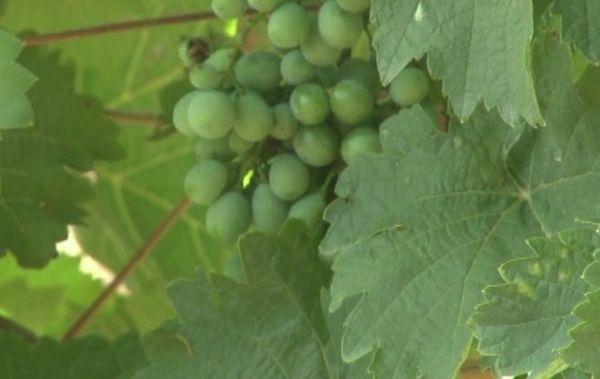
The plant is characterized by flexible stems that grow quickly. The vine includes annual and perennial fragments. One-year-old vines are brown with a reddish tint. The nodes are dark brown. The vine grows up to 3 meters and ripens well.
The proportion of fruiting shoots varies, ranging from 20-70%. The leaves are green and medium-sized. By the end of the growing season, they acquire a yellow tint.
Inflorescences
This variety is characterized by the presence of bisexual flowers, which have a high rate of self-pollination.
Berries
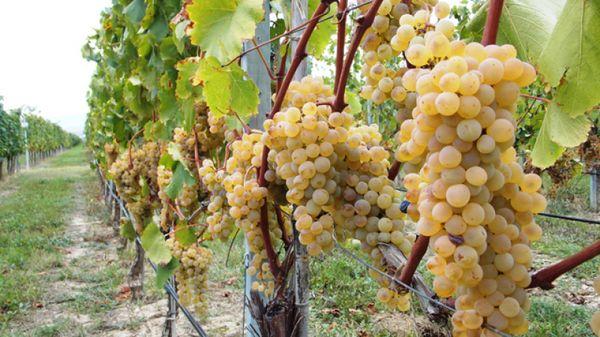
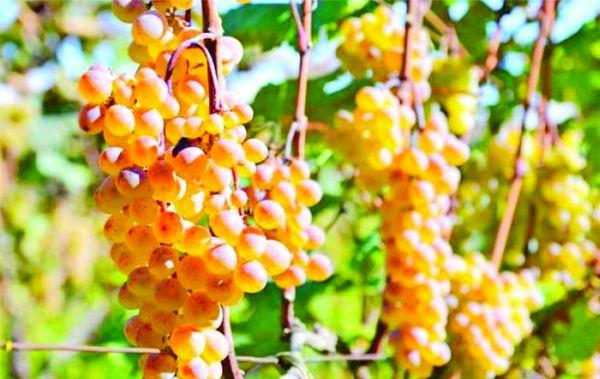
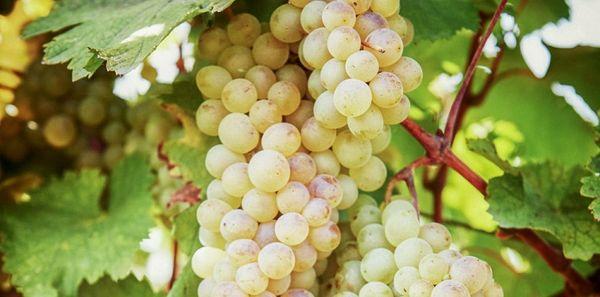
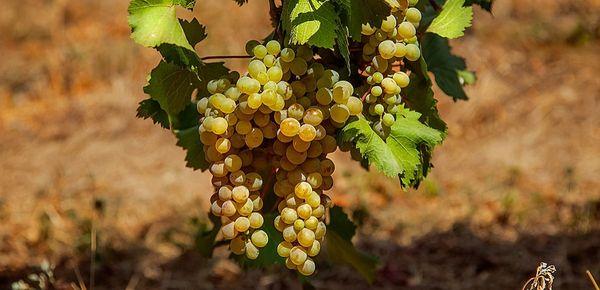
The fruits are large, reaching 14-18 millimeters in diameter. Each berry contains three seeds. The skin is thin and slightly tough. The berries are yellow with a brown blush. With the arrival of autumn, the shoots turn dark brown.
Taste
The berries have a sweet taste with a slight tartness. A distinctive feature of the variety is its distinct fruit aroma. The grapes are distinguished by the following characteristics:
- juice content – 80%;
- acidity parameters – 7 grams per liter;
- sugar content – 17%.
The Rkatsiteli variety has a characteristic aroma with floral and herbal notes.
Experts also note subtle grapefruit impurities.
History of selection
This is a Georgian variety. Its name translates as "red vine." The name itself indicates that it was developed in Georgia, specifically in Kakheti. It is a commercial grape and is popular for its unique flavor.
The crop can be grown in any region with a suitable climate. The fruits retain their stunning aroma, but have a more tart flavor.
Main characteristics
This grape variety has a number of important characteristics, which should be taken into account before planting.
Drought resistance
Rkatsiteli does not tolerate drought well. To ensure full ripening of the fruit, it requires sufficient moisture.
Frost resistance
The variety is considered frost-hardy. It can withstand temperatures as low as -26 degrees Celsius. However, it is best planted in areas where temperatures do not drop below -15 degrees Celsius. In such a climate, the grapes can overwinter without protection.
Productivity and fruiting
This is a mid-late crop. The fruits ripen in 150-160 days. The harvest is in early to mid-October. Maturity rates reach 90%.
This variety is characterized by excellent yields. One hectare can yield 80-140 centners of fruit. The berries are firm enough to be easily transported.
Areas of application of fruits
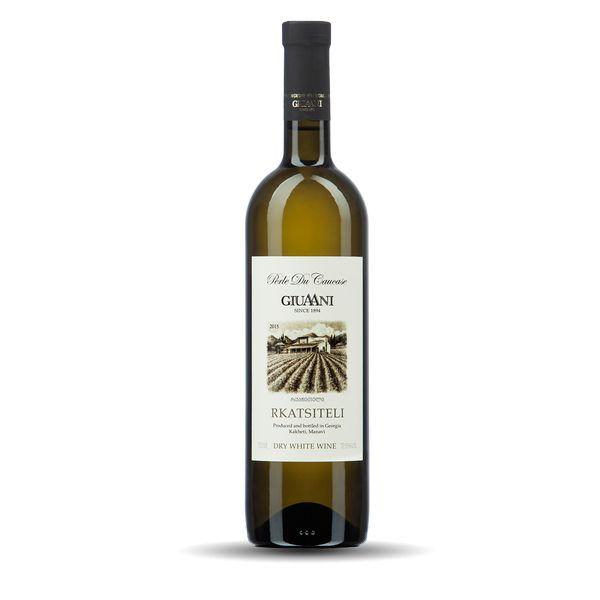
This is a versatile variety that can be used in winemaking or cooking. The grapes are used to make desserts, preserves, and jams. They can be used to make all kinds of drinks and sauces. The variety is often used to produce strong alcohol, particularly cognac. However, it is most often used to make wine.
Resistance to diseases and pests
This variety exhibits moderate resistance to most diseases and pests. This resistance decreases under adverse climatic conditions or poor grape care practices. The variety is considered resistant to gray mold, phylloxera, and mildew.
Pros and cons of the variety
This grape variety boasts a number of advantages, including:
- high yield parameters;
- resistance to many diseases;
- relative frost resistance;
- excellent transportability.
The plant's key drawback is its poor tolerance to drought. This grape variety requires irrigation.
How to plant correctly
Proper planting is considered the key to the vine's full development. It influences the quality and quantity of the harvest.
Recommendations for choosing deadlines
It's recommended to plant young grape vines in the spring. This will allow them to properly adapt and survive the winter. The optimal planting period is considered to be mid- to late May.
Choosing a location
In southern regions, characterized by hot and dry summers, it is recommended to plant grapes on north-facing slopes. This will ensure uniform ripening of the berries and prevent the fruit from fading in direct sunlight.
Soil requirements
For this grape variety, sandy loam or loamy soil types are the best options.
Site preparation
Before planting, it's a good idea to prepare a hole for the plant. This should be done two weeks before planting. A special mixture is recommended. To do this, mix two buckets of nutrient-rich soil and manure, one liter of wood ash, and 100 grams of phosphate fertilizer.
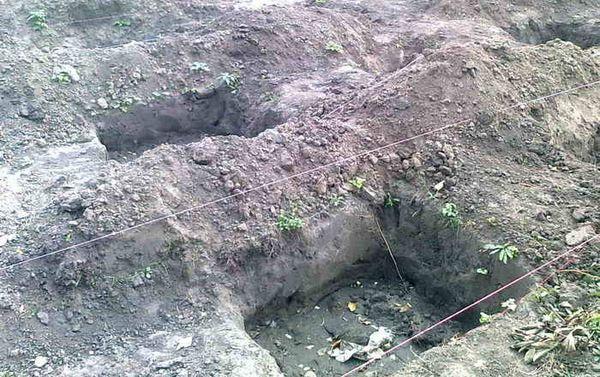
It is recommended to thoroughly mix all ingredients and half-fill the hole with the resulting substrate. Leave the contents for 2 days. After this, planting can begin.
How to select and prepare planting material
To achieve success in growing a crop, it's important to select the right planting material. The bush must be strong and healthy.
To prepare the plant for planting, soak its roots in clean water for 24 hours. This will saturate the root system with moisture. It's a good idea to add a growth stimulant to the water. This will facilitate rooting.
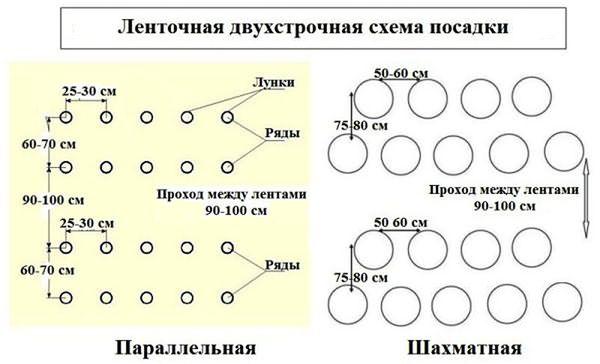
Planting diagram
Planting is recommended on a cloudy day or in the evening. This will prevent the vines from wilting and help the bush establish itself quickly. The plant is considered vigorous, so it's important to strictly adhere to the planting pattern. Maintain a 2-meter spacing between plants and a 3-meter spacing between rows. Dig a hole 1 meter in diameter and depth.
To carry out planting work, you should perform the following steps:
- Place a layer of fertile soil on top of the mound of soil. This will help prevent the grape roots from being damaged by active fertilizers.
- Place the plant on the mound. The base of the vine should be deepened by 40 centimeters, and the top bud by 10 centimeters.
- Fill the hole with nutrient soil and the remains of the previously prepared substrate.
- Compact the soil and water generously. Pour one bucket of water under the bush.
Care instructions
To ensure the plant develops normally and produces a bountiful harvest, it is recommended to provide it with high-quality care.
Watering mode
Pour 2-3 buckets of water under each plant. Water thoroughly twice during the summer and again in the fall, before frost. A week after planting, water the plant when the top layer of soil begins to dry out. These recommendations apply to young plants.
Older bushes shouldn't be watered more than once every 7 days. If the summer is rainy, reduce the frequency of watering.
Top dressing
In the spring, it's recommended to feed the plant with an infusion of bird droppings. This solution should be applied to the entire vineyard. At the end of August, it's recommended to apply a slurry of rotted manure and ash.
Bushes over three years old require ammonium nitrate. This substance stimulates the development of foliage. To prepare a solution, use 1 tablespoon per 10 liters of water. Water the bush thoroughly before applying the fertilizer.
Preparing for winter
After harvesting, it's time to begin preparing for winter. As the vines dry out, carefully untie them from the trellis and place them in trenches between the rows. The furrows should be 20-30 centimeters deep. Cover the plants with soil, compost, and then soil again. Each layer should be at least 20 centimeters thick.
Mulching
This procedure helps protect the plant from moisture loss and prevent the active growth of weeds. Fallen leaves, sawdust, and straw are used for mulching.
Prevention of diseases and pests
Rkatsiteli has moderate resistance to mildew but lacks resistance to powdery mildew. While the plant is virtually immune to phylloxera, it is susceptible to grape berry moths and spider mites.
Take a look Also
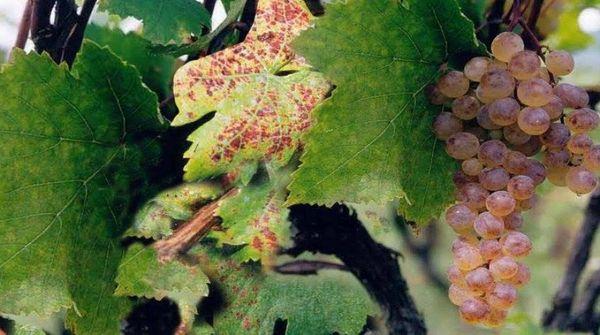
The plant requires preventative treatment against fungi. In the fall, after the leaves have fallen, the bushes and soil should be sprayed with Bordeaux mixture. The concentration should be 3%. The grapes are treated with a similar solution in the spring.
For preventative purposes, products based on copper or iron sulfate can be used. Oxychom or Hom are used for this purpose. When using chemicals, it is important to strictly follow the instructions.
Trimming
The plant's main shoots point upward. Therefore, branches from previous years should be placed horizontally. Typically, no more than 30 first-year shoots should remain on a single plant. Each shoot that produces fruit should have a maximum of two buds.
If the bush is formed into a fan, each branch should be left 70 centimeters long. The previous year's shoots are cut back by half. If necessary, they can be completely removed.
Methods of reproduction
Rkatsiteli is propagated by cuttings or grafted seedlings. It's important to note that cuttings cannot be planted in the fall, while grafted seedlings can be planted in both spring and fall.
Harvesting and storage
This is a late-ripening variety, with a growing season of up to 160 days. Five months pass from bud break to harvest. The first harvest occurs in mid-September. Berries can also be harvested into October.
Application in winemaking
The culture is primarily used for wine production. The following technologies are used:
- European – juice fermentation occurs without pulp. The result is a light wine.
- Kakhetian – grapes are processed with stems, seeds, and skins. The result is a rich, full-bodied drink.

Tips from experienced gardeners
Following gardeners' recommendations will help you achieve success in growing the crop:
- correct execution of planting operations;
- timely watering;
- application of fertilizers;
- pruning a bush;
- protection from diseases and pests.
Rkatsiteli is a popular wine grape variety widely used for winemaking. To achieve successful cultivation, it's important to strictly follow expert recommendations.
Related posts:
 The best grape varieties for growing in the Urals, planting and care rules in summer
 Methods for planting and propagating cherries at home
 Description and rules for growing Solaris grapes
 Descriptions of the 20 best cherry varieties for the Moscow region, their planting and care
 Description and cultivation of the 15 best cherry plum varieties for the Moscow region, planting and care rules
 Growing and caring for hazelnuts in open ground, rules for planting hazelnuts
 Conditions for growing mandarin at home and rules for caring for the tree
 The best methods for growing grapes from seeds at home