
- Description and Features
- Vine
- Inflorescences
- Berries
- Taste
- Growing regions
- History of selection
- Main characteristics
- Drought resistance
- Frost resistance
- Productivity and fruiting
- Areas of application of fruits
- Resistance to diseases and pests
- Transportability
- Pros and cons of the variety
- How to plant correctly
- Recommendations for choosing deadlines
- Choosing a location
- Soil requirements
- Site preparation
- How to select and prepare planting material
- Planting diagram
- Into the pit
- In the trench
- In rows
- Care instructions
- Watering mode
- Top dressing
- Preparing for the winter period
- Mulching
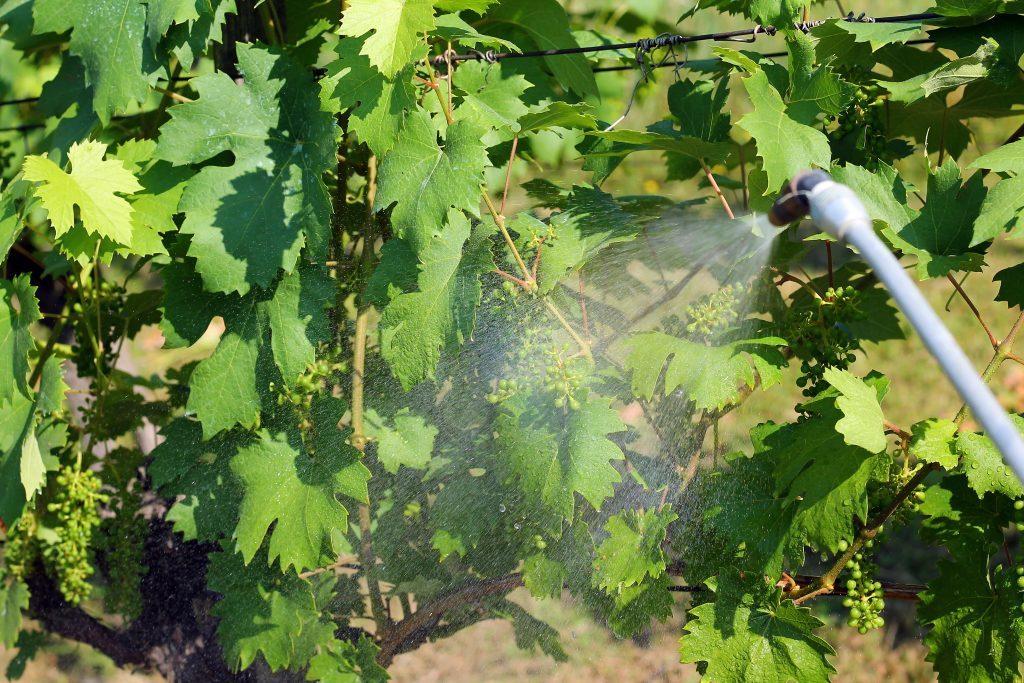
- Prevention of diseases and pests
- Trimming
- Shaping and garter
- What are the ways to propagate?
- Diseases and pests
- Spider mite
- Phylloxera
- Grape mite
- Leaf roller
- Mildew
- Oidium
- Harvesting and storage
- Tips from experienced gardeners
The Zabava grape variety is a popular choice for many gardeners. Its key advantages include excellent flavor and high yields. To ensure successful cultivation, it is recommended to provide comprehensive and high-quality care. This should be comprehensive and include timely soil moisture, pruning, fertilization, and disease prevention.
Description and Features
This plant has a number of important characteristics, which are essential to familiarize yourself with before planting grapes in your garden.
Vine
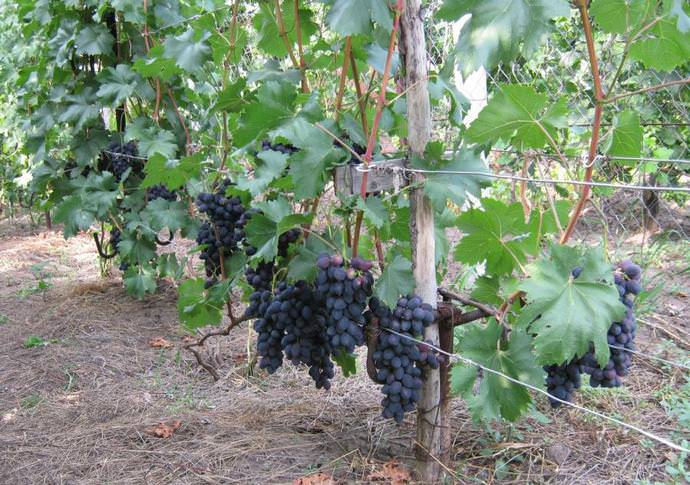
This variety is characterized by vigorous bushes that grow rapidly. The vines ripen well.
Inflorescences
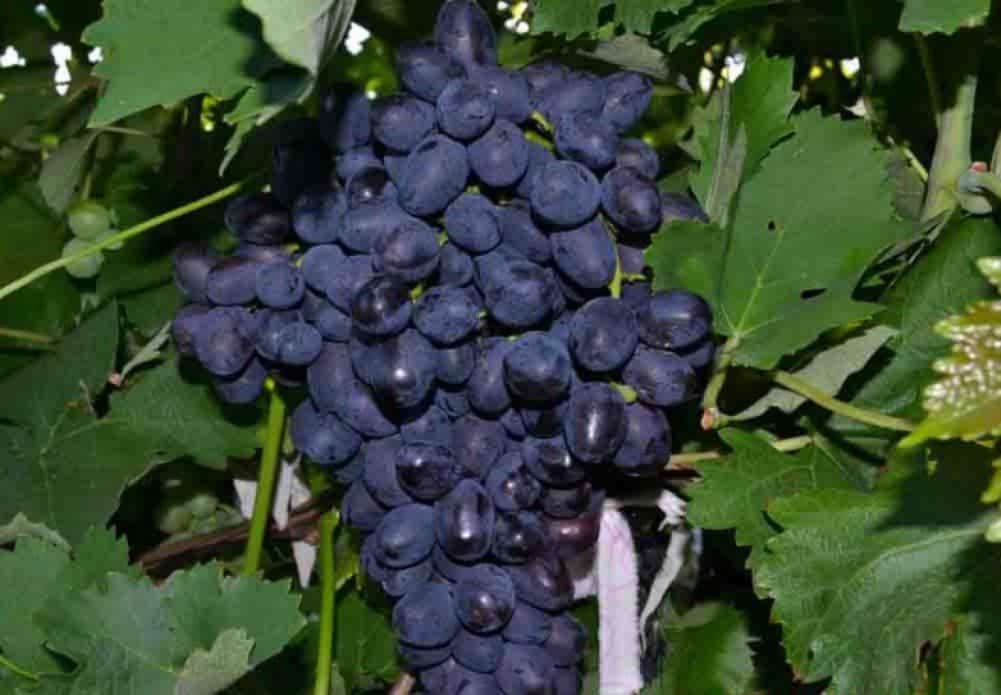
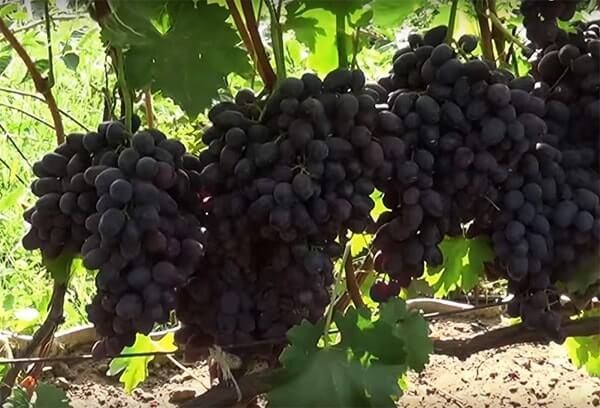
The plant produces bisexual flowers with stamens and pistils. These produce beautiful clusters of excellent marketable quality. They are large, weighing 0.6-1 kilogram. The clusters are typically cylindrical or conical in shape and medium in density. The fruits are not prone to pea-shaped fruits.
Berries
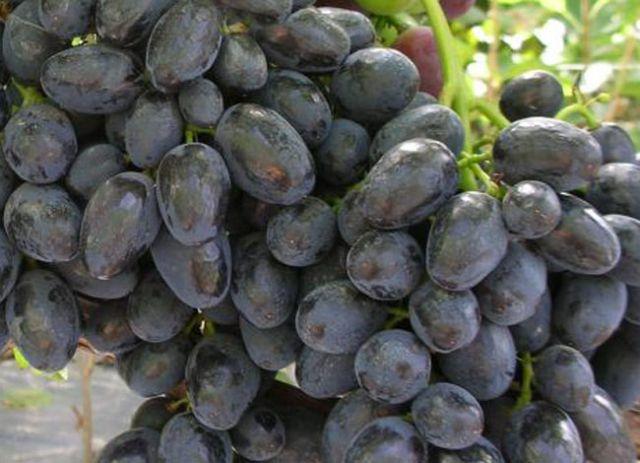
The fruits are large, weighing 10 grams. They are characterized by an elongated elliptical shape and dark blue skin, which is covered with a waxy coating on the surface.
Taste
The berries are characterized by a pleasant, harmonious flavor and a thin skin that's barely noticeable when eaten. Inside, there's firm, slightly tart flesh. The berries have a crisp texture and excellent flavor.
Growing regions
This grape variety is suitable for growing in various regions. It is successfully cultivated in northern Belarus. It can also be planted in central Russia.
History of selection
This is a relatively new hybrid, developed in the Zaporizhzhia region. This was achieved by amateur breeder V.V. Zagorulko by crossing Flora and Kodryanka. The variety is not officially registered. Nevertheless, it is of interest to many gardeners.
Main characteristics
Before planting a plant in your garden, it is worth studying its key characteristics.
Drought resistance
The plant is large and therefore requires periodic soil moisture. This is especially important during dry weather.
Frost resistance
The Zabava variety is characterized by excellent frost resistance. It can withstand temperatures down to -23 degrees Celsius.
Productivity and fruiting
This plant's growing season lasts 100-108 days, making it a very early-ripening variety. Harvesting typically begins in late July or early August, and can remain on the bush for 3-4 weeks. A single bush can yield 25-30 kilograms of berries.
Areas of application of fruits
This plant is considered a table grape variety. The berries are distinguished by their excellent taste, which is why they are often used to make wine and juice.
Resistance to diseases and pests
The variety is not susceptible to powdery mildew or gray mold. However, it is susceptible to mildew.
Transportability
The grapes of this variety have excellent commercial qualities and are easily transported over long distances.
Pros and cons of the variety
The main advantages of the plant include the following:
- hybrid form - this means that the crop is resistant to many grape diseases;
- unpretentiousness in care – the plant easily adapts to any climatic conditions without losing its varietal characteristics;
- reproduction in different ways;
- good ripening of the vines;
- stable yield;
- excellent taste and excellent product characteristics;
- high frost resistance;
- long shelf life;
- excellent transportability.

The only drawback of this crop is the risk of mildew. This variety is resistant to other diseases.
How to plant correctly
To achieve success in growing a crop, it is necessary to carry out planting work correctly.
Recommendations for choosing deadlines
Grapes should be planted in the fall or spring. In the former case, the plants are planted well before frost.
In regions with a harsh climate, spring planting is usually chosen.
Choosing a location
This grape variety thrives in a sunny location sheltered from the wind. This will help the plant develop normally.
Soil requirements
Grapes thrive in fertile soil. However, it's important to ensure the groundwater level isn't too high. If necessary, provide a good drainage layer.
Site preparation
If your garden soil is poor, it's recommended to add peat, humus, black soil, and coarse sand to the planting holes. A small amount of mineral fertilizer should also be added to the substrate.
How to select and prepare planting material
When purchasing seedlings, carefully inspect the roots. They should be thick and firm. It's important to ensure that the root system isn't wilted or dry. If dehydrated, the plant won't grow properly.
The shoots should be firm and green, with no visible damage. The annual growth should be 15 centimeters.
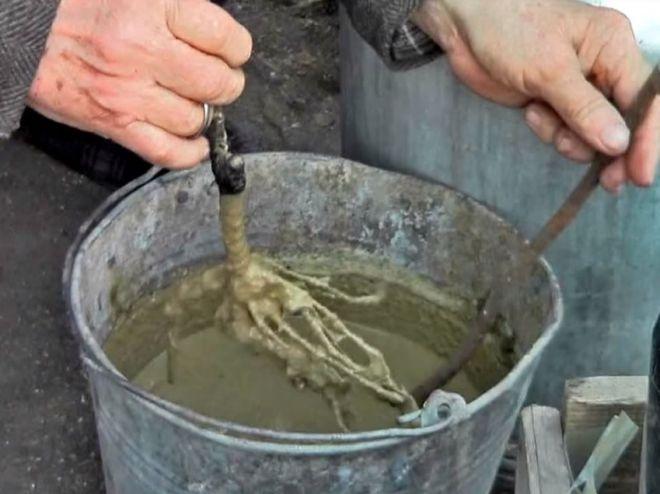
Before planting, the plant's roots should be trimmed to 10-15 centimeters. It is also recommended to trim the shoots, leaving four buds on each.
Planting diagram
There are several planting options, each with its own unique characteristics.
Into the pit
When planting a single plant, dig a hole 80 centimeters deep. Its diameter should be 60 centimeters. It's important to leave a 3-meter gap between the plant and the nearest plants.
In the trench
The plant is large. Therefore, when planting, it's important to maintain a distance of 2-4 meters between plants. Supports should be provided when planting.
In rows
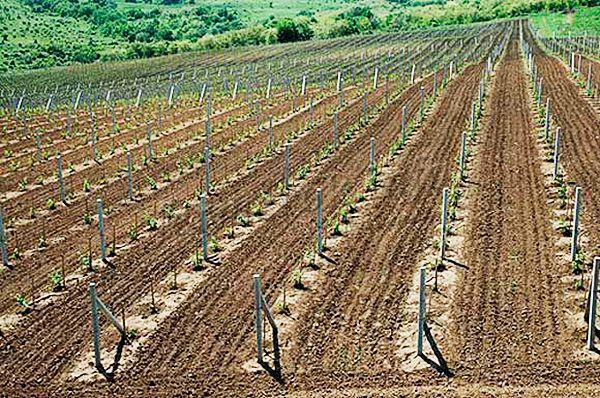
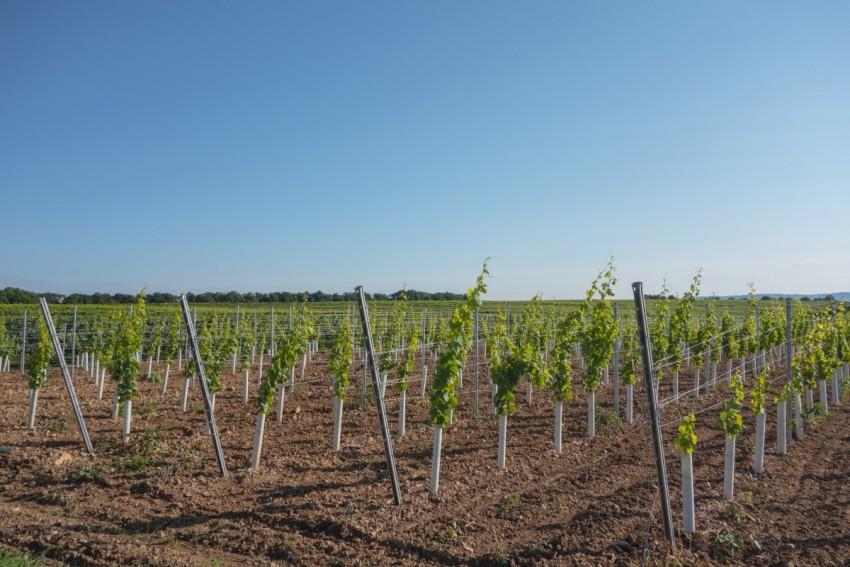
When planting crops in rows, maintain a certain distance between plants. Leave 2-3 meters between plants. The interval between rows should be 2-2.5 meters.
Care instructions
To ensure productive grape growing, it is recommended to strictly follow key agricultural practices.
Watering mode
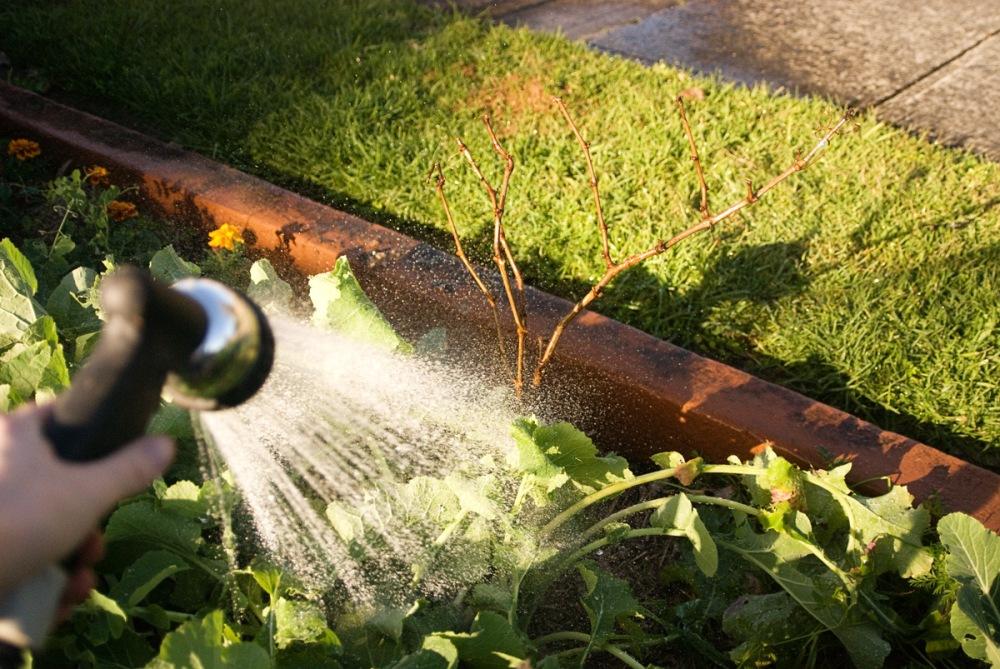
This variety is considered vigorous. Therefore, regular watering is recommended. During the growing season, the soil should be moistened five times.
The interval between waterings should be two weeks. Four buckets of water are required per square meter.
The first time the plant should be watered is in early spring. It's recommended to wait until the temperature reaches above freezing. Then, water the grapes before and after flowering. The next time, water the soil is when the grape clusters have formed and the fruit reaches 5 millimeters in diameter.
The final watering is done before covering the bush for the winter. In this case, use 6 buckets of water per square meter.
Top dressing
Grapes require frequent fertilization. Mineral fertilizers are applied annually, while organic fertilizers are applied up to three times a year. Humus, compost, chicken manure, or peat are best for this purpose.
Grapes also need minerals – zinc, phosphorus, nitrogen, potassium.
With the arrival of spring, apply a solution of 10 liters of water, 10 grams of ammonium nitrate, 20 grams of superphosphate, and 5 grams of potassium salt. Use the same solution before flowering and harvesting. However, it should not contain nitrogen.
Preparing for the winter period
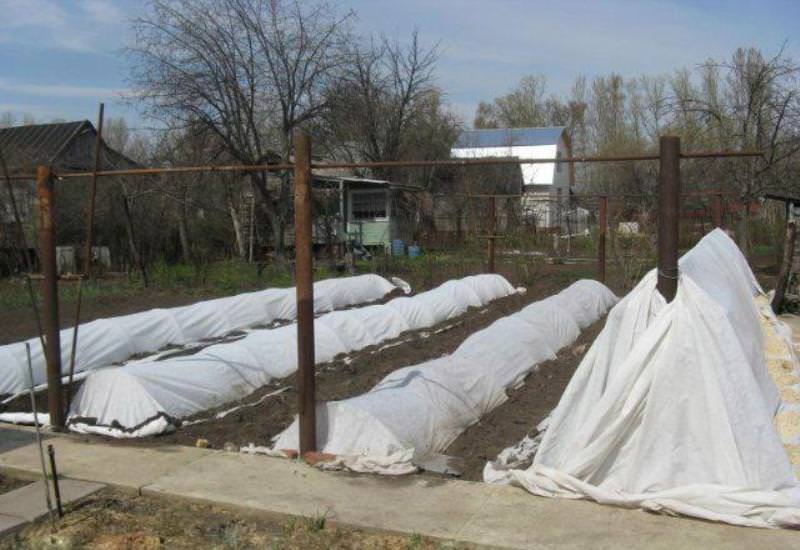
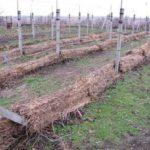
This variety is frost-resistant, so winter cover is not necessary in southern regions. In temperate climates, the plant requires protection. Before covering, it is recommended to tie the bushes with strips of material, lay them on the ground, and secure them.
First, lay plywood or plastic under the vine. Place metal arches on top of the bush and secure them into the ground.
Stretch a film over the resulting frame to provide reliable frost protection. It is recommended to secure it at the sides. The ends should be left open until the first frost. It's also a good idea to open them slightly during a thaw.
Mulching
To prevent moisture loss during drought, it's recommended to mulch the soil around the seedling. This also helps retain heat in the soil and prevent weeds from appearing.
As a natural material, it is worth using mown grass or sawdust.
Artificial mulch, such as cardboard or paper, can also be used. For this to be effective, the mulch layer should be 5 centimeters thick.
Prevention of diseases and pests
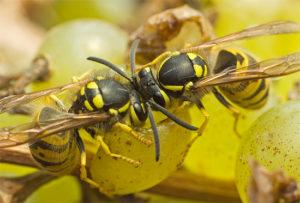
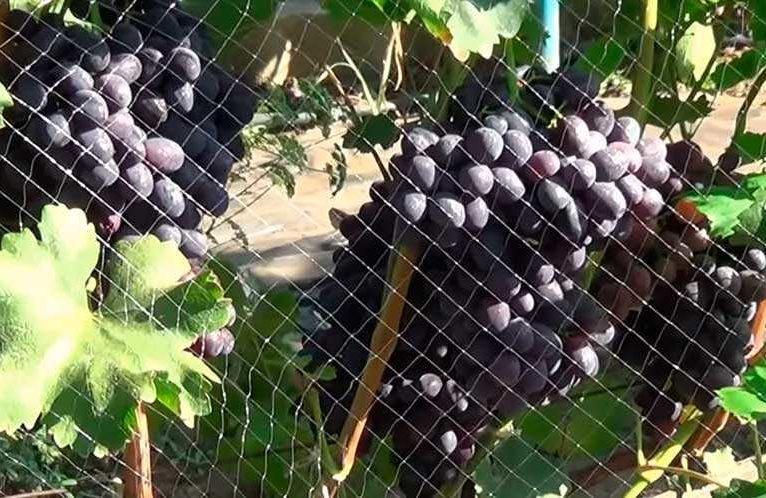
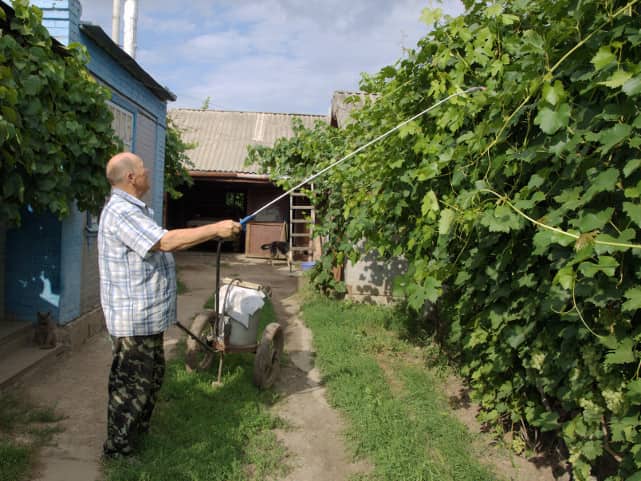
This grape variety is often attacked by wasps. Using thin gauze bags can help prevent this. Treating the bunches with vinegar is also acceptable. Bordeaux mixture can be used as a preventative measure.
Trimming
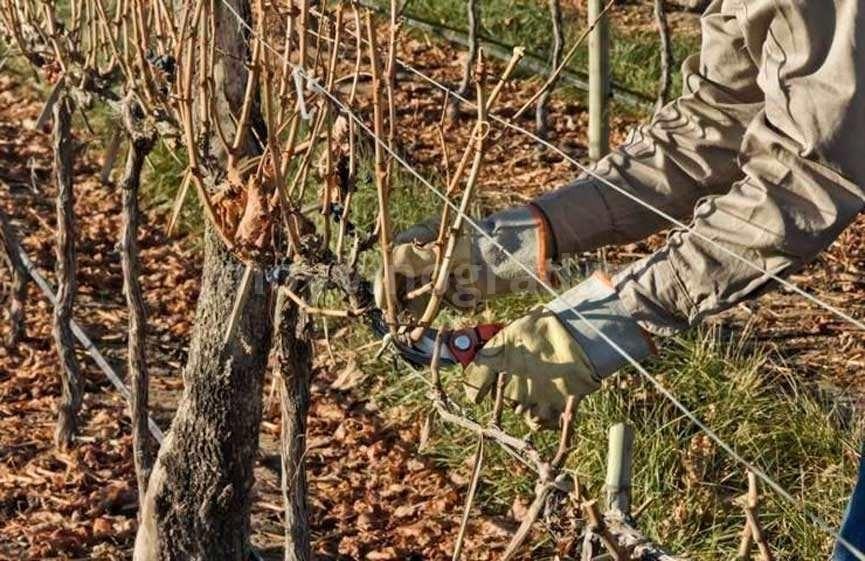
A large number of clusters puts increased stress on the vines, which can have negative consequences. To avoid this, it is recommended to prune weak shoots. Branches are shortened to 7-8 buds.
In total, a maximum of 45 buds should remain on the bush.
Pruning is done in early spring, before active growth begins. It is recommended to prune seedlings annually, leaving more buds each time.
Shaping and garter
Formative pruning should be done 2-3 years after planting. It is recommended to remove part of the main stem and leave a short trunk, up to 1 meter. Formative pruning should be performed annually, removing overly dense, dry, and diseased shoots.
It's recommended to tie grapes to supports immediately after planting. Over the course of one year, shoots grow by 15 centimeters. Therefore, the trellis must be tall and sturdy.
What are the ways to propagate?
This grape variety is recommended for propagation by cuttings and layering. Cuttings should be taken in spring or fall and planted in containers. Layering is used in summer or late spring. This will help establish a strong root system by fall.
Diseases and pests
Sometimes the plant faces various diseases or is attacked by pests.
Spider mite
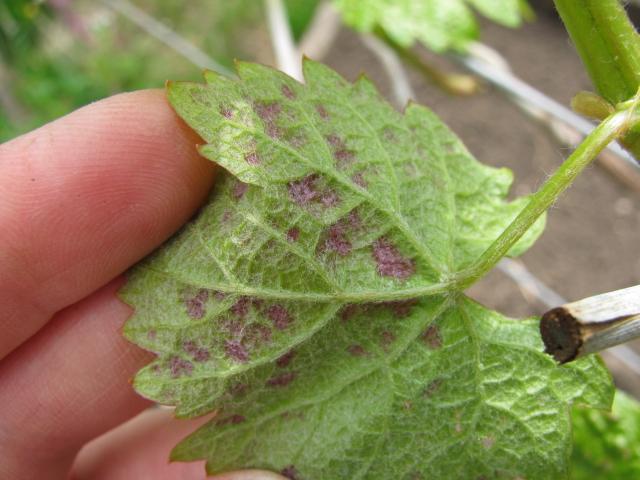
These parasites attack the underside of leaves. They can be detected by regularly inspecting the foliage. Dark spots appear on the affected surface. Special solutions can help combat mites. An infusion of onion peels is a popular folk remedy.
Phylloxera
This is one of the most dangerous grapevine pests. To control it, the entire plant must be uprooted and burned. Special treatments are used to combat leaf phylloxera. Root phylloxera is controlled by fumigants applied to the soil.
Grape mite
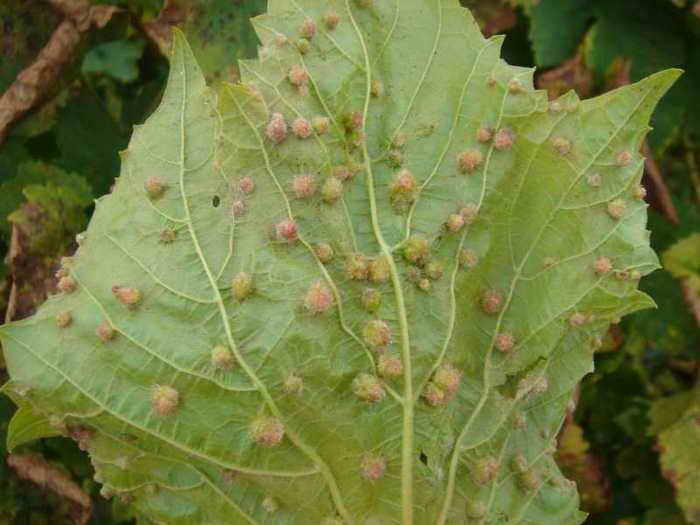
The clinical picture of grape mite infestation is similar to that of spider mites. Similar treatments are used to control them.
Leaf roller
The grapevine leaf roller moth attacks the foliage and shoots. It overwinters under the bark of the grapevine. Chemical treatment is used to combat this, as is the removal of old bark.
Mildew
This variety is resistant to rot, but mildew does occasionally develop. The disease is characterized by the appearance of oily spots on the leaves. Over time, these spots increase in size and become lighter in color. The damaged parts then fall off. If action is not taken promptly, branches and bunches of grapes will be damaged.
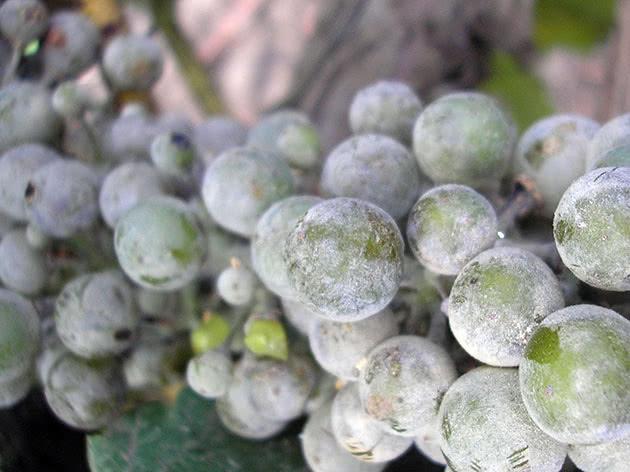
Prompt removal of affected and broken branches will help combat the disease. It's important to ensure that the vines don't touch the ground. Fungicides can be used as a chemical treatment.
Oidium
The development of this disease is indicated by the appearance of gray dust on the bush. Fungicides and colloidal sulfur at a concentration of 1.5% can help combat the disease.
Harvesting and storage
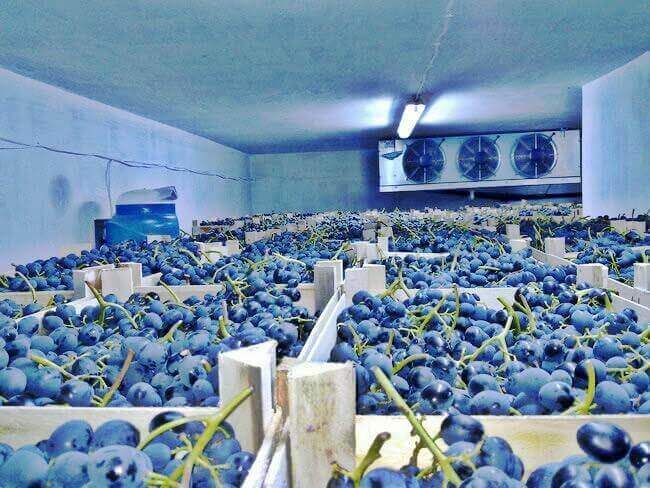
Harvesting should be done very carefully to avoid damaging the vines. It is recommended to use pruning shears. After harvesting, the berries should be sorted. The densest bunches should be placed in a cellar or refrigerator. The rest should be processed immediately.
Tips from experienced gardeners
To achieve success in growing the plant, it is worth following these recommendations:
- water the crop on time;
- carry out pruning;
- apply fertilizers;
- protect the bush from diseases and pests.
Zabava grapes boast excellent flavor and are easy to care for. This makes them popular with many gardeners. To ensure a bountiful harvest, regular watering and pruning are recommended.
Related posts:
 Description of 30 grape varieties for Siberia, planting and care for beginners
 Description of 30 varieties and types of Muscat grapes, planting, cultivation and care
 The best methods for growing grapes from seeds at home
 The best grape varieties for growing in the Urals, planting and care rules in summer
 Description and rules for growing Solaris grapes
 Methods for planting and propagating cherries at home
 Beginner's Guide to Growing Grapes in Open Ground in Central Russia
 The best ways and methods for properly covering grapes for the winter