
- Description and Features
- Vine
- Inflorescences
- Berries
- Taste
- History of selection
- Main characteristics
- Drought resistance
- Frost resistance
- Productivity and fruiting
- Areas of application of fruits
- Resistance to diseases and pests
- Pros and cons of the variety
- How to plant correctly
- Recommendations for choosing deadlines
- Choosing a location
- Soil requirements
- Site preparation
- How to select and prepare planting material
- Planting diagram
- Care instructions
- Watering mode
- Top dressing
- Protection from rodents
- Preparing for winter
- Mulching
- Prevention of diseases and pests
- Trimming
- Methods of reproduction
- Harvesting and storage
- Tips from experienced gardeners
The Magarach Citron grape variety is considered a commercial grape. It was created by crossing several plant species. This hybrid is widely used to produce high-quality wines. This grape is characterized by high yields. To achieve successful cultivation, it is necessary to strictly follow agricultural recommendations. These include timely watering, pruning, and fertilizing.
Description and Features
This grape variety typically grows medium to large-sized bushes. The plant has rounded, moderately dissected leaves with 3-5 lobes. The foliage has a smooth, glossy surface.
Vine
This variety produces medium-sized or slightly taller bushes. They are characterized by full vine ripening, with shoots reaching 85-90% maturity.
Inflorescences
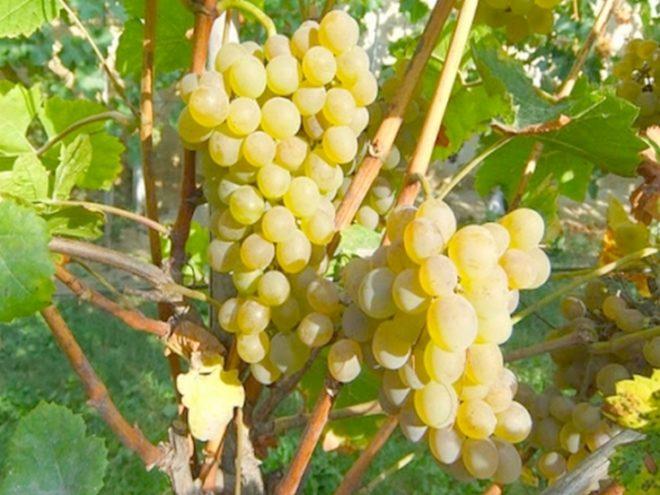
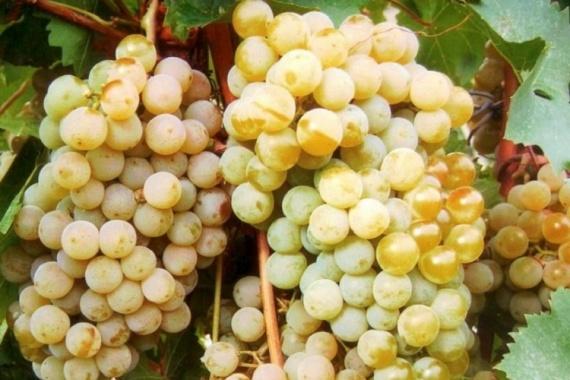
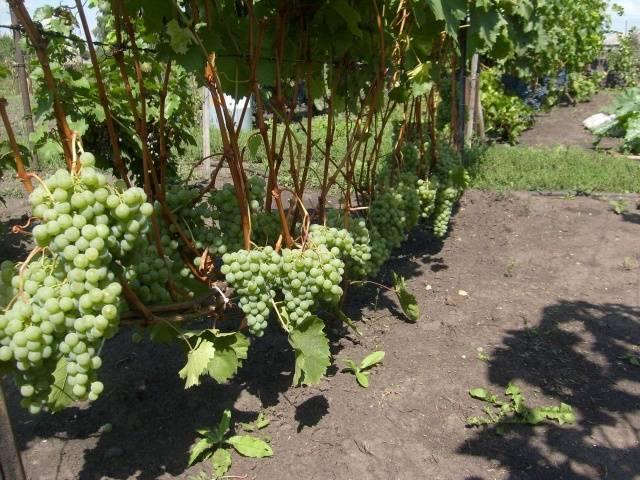
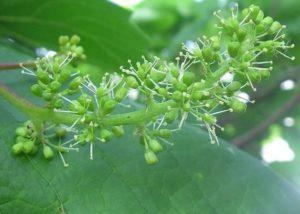
The cultivar is characterized by bisexual flowers and high pollination rates. After flowering, conical clusters of medium density form, weighing 350-450 grams.
Berries
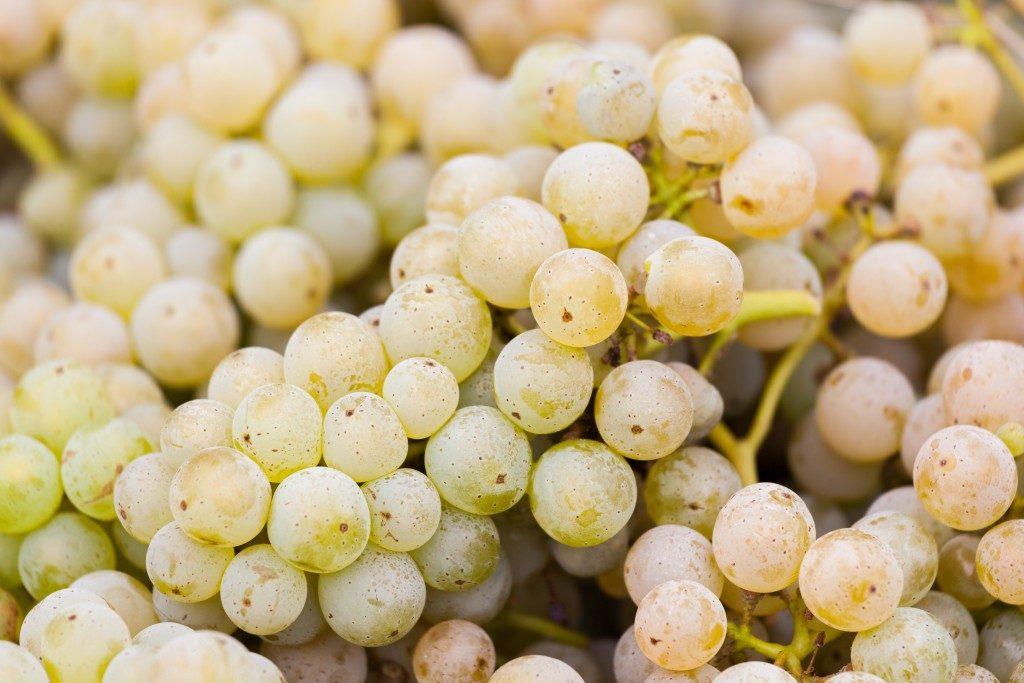
This grape is characterized by medium-sized, round fruits with a yellow or greenish color. Each berry contains 3-4 oval seeds. Acidity levels range from 5-7 grams per liter, while sugar content is 25-27%.
Taste
The grapes are characterized by pleasant flesh with a harmonious flavor. The fruit is covered with a thick skin. A distinctive feature of this grape is its distinct citron-muscat aroma.
History of selection
This variety was developed at the Magarach Research Institute of Wine and Winemaking in the 1970s. The hybrid was created by crossing Madeleine Angevin, Magarach 124-66-26, and Novoukrainskoye Ranny. The result is a wine grape widely used for table wine production.
Main characteristics
Before planting this crop on your plot, it is worth familiarizing yourself with its key characteristics.
Drought resistance
In hot and dry weather, the plant requires periodic watering. This variety has average drought tolerance.
Frost resistance
Mature plants easily tolerate temperatures down to -26 degrees Celsius. Their roots are deeply embedded in the soil, so they cannot freeze. The vine quickly recovers in the spring. Young plants, however, require insulation.
Productivity and fruiting
This grape variety has a medium ripening period. The entire cycle, from bud break to the first harvest, takes 130 days. However, the exact ripening period depends on weather conditions and can occur as late as August or mid-September.
Since the flowers are self-pollinating, the plant is characterized by consistently high fruit production.
A bush can yield up to 8.5 kilograms of fruit. Weather conditions don't affect the yield, but they do delay the ripening period. Early berries are used to make table wines, while late ones are used for dessert wines.

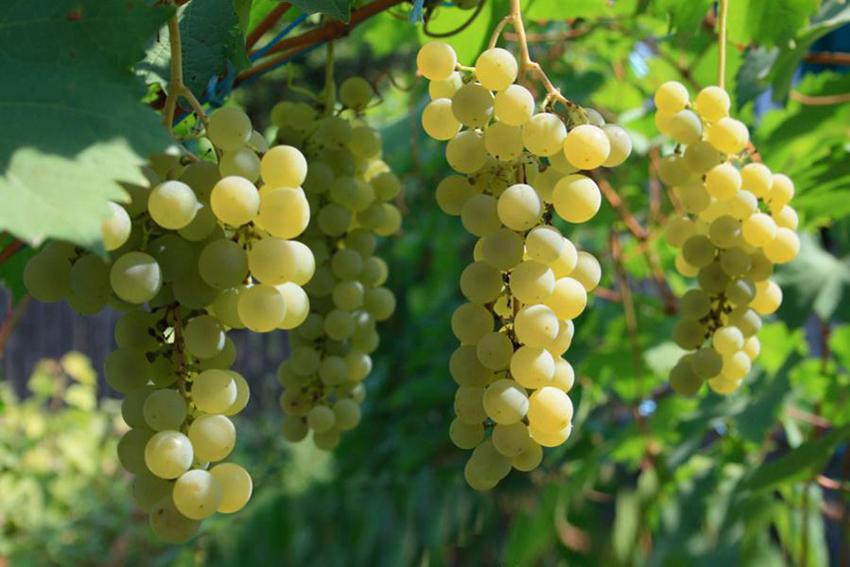
Overripe fruits do not fall off, but they lose their value. This variety is considered quite heat-loving and tolerates direct sunlight well. This does not cause the berries to bake. The fruits have a sweet flavor, with distinct notes of nutmeg and citrus.
Areas of application of fruits
This plant is grown on an industrial scale because it is widely used in the production of dessert and table wines. This results in a high-quality product with excellent tasting scores.
This grape variety is used to make semi-sweet champagne and sparkling wine.
The fruits store well and are easy to transport. At home, the berries are used to make juice or wine. They can also be eaten fresh.

Resistance to diseases and pests
This variety is highly disease-resistant. It is genetically adapted to viruses, bacteria, and fungi. The plant rarely suffers from attacks by harmful insects. With timely spraying with special pesticides, the risk of problems can be reduced to zero. Birds and wasps are the main pests that damage the berries.
Pros and cons of the variety
This plant has many benefits, including the following:
- high quality fruits;
- stable yield;
- bisexual flowers;
- pronounced citron-muscat aroma of berries;
- excellent frost resistance;
- high resistance to major grape diseases.
However, the plant does have certain drawbacks. If the bush is overloaded, the fruit may not ripen. This necessitates crop rationing.
How to plant correctly
When planting, consider the location, timing, and quality of the cuttings. Fruiting begins the following year. Therefore, it's crucial to prune and install a trellis in a timely manner.
Recommendations for choosing deadlines
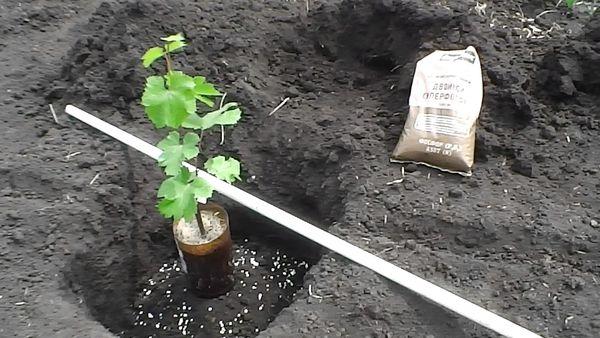
This grape variety can be planted in both fall and spring. When planting in the fall, it's best to use one-year-old cuttings or rootstock.
It is recommended to carry out planting work at the end of October or the beginning of November.
Enough time must be left before the first frost for the plant to take root. In the spring, the plant can be propagated using green cuttings. This procedure is carried out in the first half of May.
Choosing a location
The plant will not produce a bountiful harvest in the shade or in low-lying areas. Excessive root moisture can cause damage to the plant. Therefore, avoid planting in areas with high groundwater levels.
When choosing a site, keep in mind that this grape variety should not be planted near other grape bushes. This may cause the Magaracha Citron variety to lose its resistance to infectious diseases.
Soil requirements
The plant is recommended for planting in open areas with fertile soil. Black soil or loamy soil is ideal for this variety.
Take a look Also

Site preparation
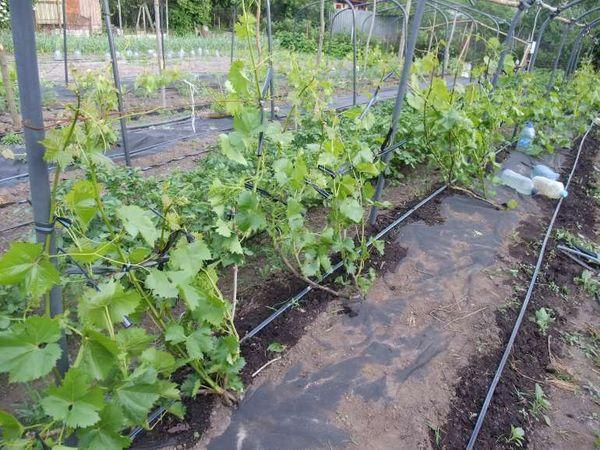
When preparing the site for planting, it's a good idea to dig a hole. It should be 50-60 centimeters wide and deep. It's recommended to add a thin layer of gravel to the bottom of the hole. Then, use a mixture of soil from the hole, manure, peat, and sand.
How to select and prepare planting material
Smooth, undamaged cuttings are suitable for planting grapes. It's recommended to harvest them in the fall, after the leaves have completely fallen. If spring planting is planned, the cuttings should have four fruiting buds. If the bush will be planted in the fall, one-year-old cuttings can be used. They should have tough bark and developed roots.
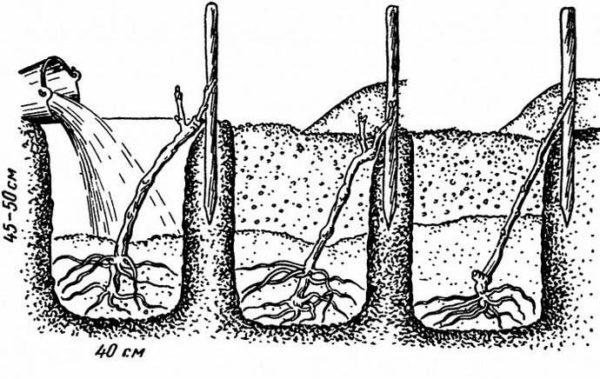
Planting diagram
Before planting, it's important to do some preparatory work. This includes loosening the soil, removing weeds, and adding organic fertilizer.
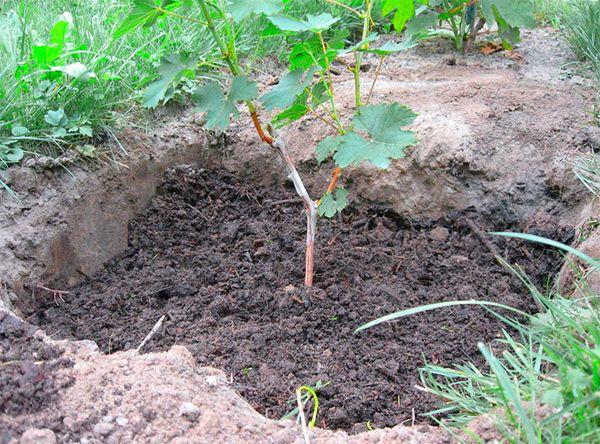
To carry out planting, you should do the following:
- Create a high-quality drainage layer. Small pebbles or crushed stone are suitable for this.
- Place a peg at the bottom to which the vine should be tied.
- Cover the drainage layer with soil. It is recommended to mix it with fertilizer containing potassium and phosphorus.
- Spread the roots out into the hole and cover them with soil. The root collar should be buried 6 centimeters deep.
- Water the plant generously with warm water.
When planting, it's important to follow a specific pattern. The distance between rows should be 2.5 meters, and bushes should be spaced 2 meters apart.
Care instructions
For the plant to thrive, it requires comprehensive and high-quality care. This includes timely fertilization. This is done before flowering and during harvest. The bush also requires pruning, watering, and insect protection.
Watering mode
It is recommended to moisten the soil no more than once a week. The plant requires 2 buckets of water. The plant experiences its greatest need for water during bud break and fruit formation.
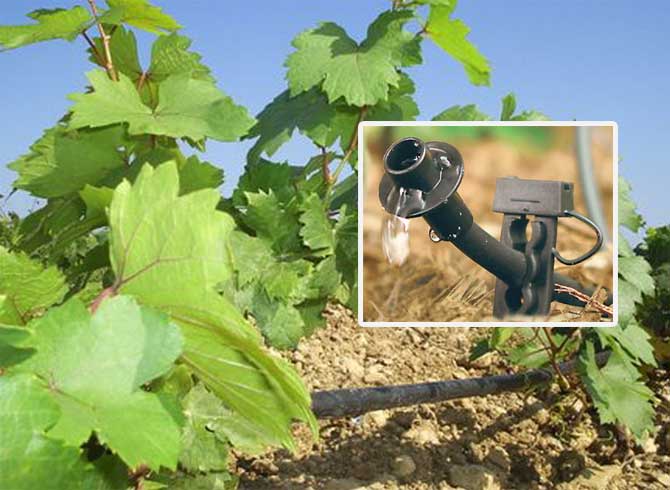
It's important to stop artificial irrigation before and after flowering. Otherwise, the flowers will quickly fall off, which will negatively impact the crop's yield. Ice-cold water is not recommended for irrigation, as it will negatively impact plant development.
Top dressing
Fertilizing should be done in the spring. Both organic and mineral fertilizers can be used. Horse manure is ideal for the former. For a young plant, use 4 liters of this fertilizer. For a mature plant, increase the dosage to 8-9 liters.

Protection from rodents
This crop produces tasty and aromatic fruits. Therefore, it attracts many pests. To protect the crop from pests, it's worth using the following tools:
- cover the bunches with a fine-mesh net;
- install special ratchets;
- hang shiny ribbons between the bushes - fluttering in the wind, they will scare away insects;
- put up a scarecrow;
- Attach plastic bags to the bushes to make noise.
Bioacoustic devices are installed in large plots where grapes are grown on an industrial scale. Toxic baits should be used to control wasps. Destroying the pests' nests is also crucial.
Take a look Also

To protect vines from rodents during winter, we recommend using Foret grain bait. Muxidan glue is also recommended, according to the instructions.
Preparing for winter
After pruning, the grapes should be removed from the trellis, watered thoroughly, and laid down. Stretch arches over the straw. These should be covered with a moisture-proof material. If the temperature drops to -25 degrees Celsius, the vines should be covered with soil.
Mulching
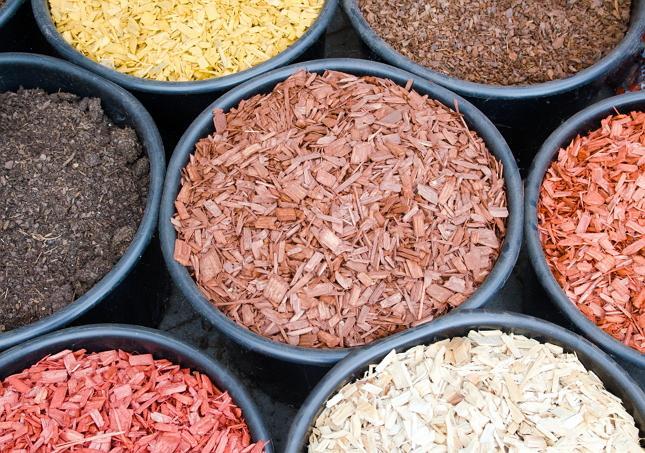
It's recommended to cover the soil around the bush with a layer of mulch. Straw, sawdust, or peat are acceptable options for this purpose. This will help prevent moisture loss.
Prevention of diseases and pests
This variety is resistant to most fungal diseases. Occasionally, the plant suffers from anthracnose. In this case, raised spots form on the leaves, which later develop into holes. In this case, use a 5% sodium hydroxide solution.
Trimming
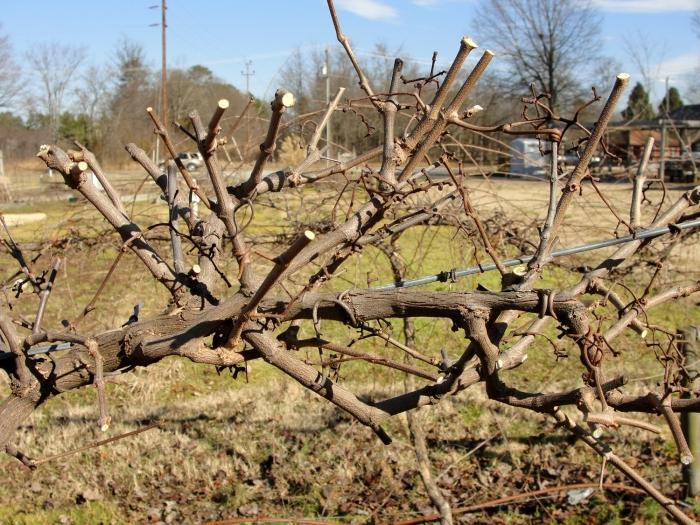
It's recommended to prune the bushes after the leaves have fallen and the sap flow has stopped. This should be done in early November. At this point, it's recommended to remove side shoots. Three of the strongest, containing eight fruit buds, should be left. Pruning should be done annually.
Methods of reproduction
It is recommended to propagate this grape variety by layering. To do this, separate a vine with intact buds from the main plant and plant it in a prepared trench 10 centimeters deep.
Sprinkle some soil on top and water generously.
Over the summer, roots and shoots will emerge from each bud. After this, the vine should be dug up and divided. This will provide the necessary planting material.
Harvesting and storage
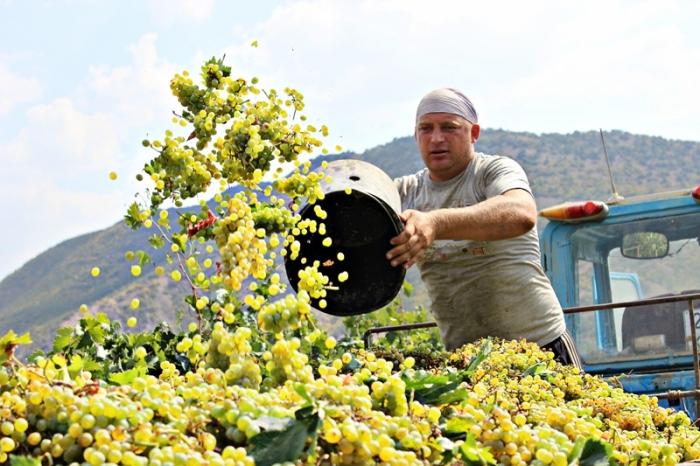
Grapes can be mid- or mid-late ripening. In the former case, the berries are used to make table wine. Mid-late ripening grapes are used to make dessert wines. The berries must be picked carefully, avoiding damage to the vines.
Tips from experienced gardeners
To achieve success in growing a crop, it needs to be provided with high-quality care:
- carry out planting operations correctly;
- water plants in a timely manner;
- carry out pruning on time;
- carry out treatment against diseases and pests;
- apply fertilizers.
The Magarach Citron grape is considered a popular industrial grape variety, widely used for winemaking. To grow a robust crop and reap a bountiful harvest, it requires comprehensive care.
Related posts:
 How to grow grapes in the Moscow region in open ground without a greenhouse
 Description of the Julian grape variety, planting and care instructions
 The ripening time of grape vines by variety, how to speed up the process, and what to treat the plant with
 The best grape varieties for growing in the Urals, planting and care rules in summer
 Description of the Krasotka grape variety, planting and care technology
 Description and rules for growing Solaris grapes
 The best methods for growing grapes from seeds at home
 Description of 30 grape varieties for Siberia, planting and care for beginners