
- History of Assol cherry breeding
- Pros and cons: is it worth planting?
- Description and characteristics of the variety
- Dimensions and height of the tree
- Pollination, flowering period and ripening time
- Productivity, fruiting
- Application of berries
- Resistance to adverse weather conditions
- Susceptibility to diseases and pests
- Landing rules
- Optimal timing
- Site selection and preparation
- Direct landing
- What to plant next to it
- Specifics of tree care
- Irrigation
- Fertilizing
- Whitewashing the trunk
- Sanitary and formative pruning
- Preventive treatment
- Frost protection
- Reproduction
- Gardeners' opinions about the variety
It's hard to imagine a dacha or garden plot without the aroma of cherries, and we wouldn't want to. These beautiful shrubs simultaneously beautify the landscape and provide gardeners with a harvest of delicious berries. There are numerous varieties of these fragrant beauties. The self-fertile cherry tree Assol is prized by gardeners for its low-maintenance nature, self-fertility, and resistance to crowding.
History of Assol cherry breeding
A new domestically bred cherry variety, developed in 2010 at the All-Russian Scientific Research Institute of Cherry Fruit Growing (VSTISP) in Moscow. This cherry variety is recommended for cultivation in the Urals, Siberia, Moscow Region, the Volga Region, and the Leningrad Region due to its frost resistance. In winter, the tree can withstand temperatures as low as -30°C. WITH.
Pros and cons: is it worth planting?
To choose the right cherry variety for your plot, it's important to understand the plant's main advantages and disadvantages. Experienced gardeners cite the following as the main advantages of the Moscow cherry variety:
- self-fertility;
- winter hardiness;
- the lifespan of a tree is 15-20 years;
- high commercial quality of fruits;
- no tendency to thicken;
- resistance to coccomycosis and moniliosis;
- precocity.
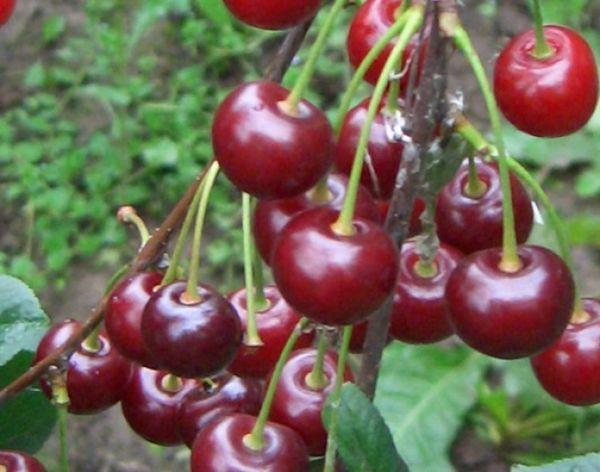
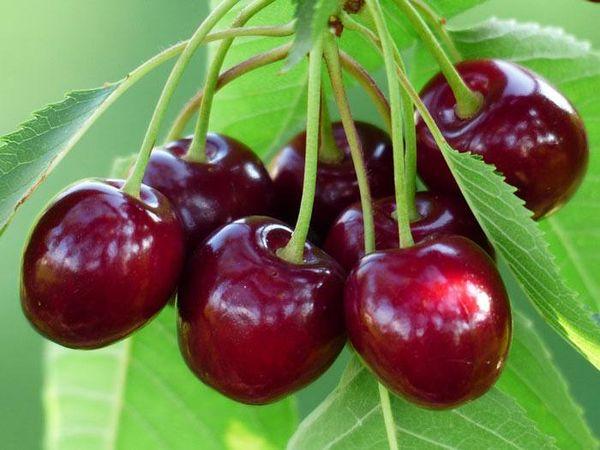
Note: The Assol cherry variety has a high tasting score. On a five-point scale, the fruits scored 4.7, leading many gardeners to refer to Assol berries as sweet cherries.
The following are some of the variety's disadvantages:
- Under unfavorable care and climate conditions, the berries begin to taste bitter.
- Demanding in terms of soil and fertilization.
- Does not tolerate excess moisture.
The variety has few drawbacks, mostly related to imperfections in care. If you're looking for a self-pollinating cherry tree that can withstand winter frosts and doesn't require regular pruning, Assol is a worthy choice.
Description and characteristics of the variety
This medium-sized hybrid has become a favorite among gardeners in central Russia for 10 years. Let's look at the variety's key characteristics.
Dimensions and height of the tree
Assol is a medium-sized cherry tree, reaching a height of no more than 3 meters. The crown develops into a pyramidal shape, drooping, fairly spreading, but not prone to dense growth.
Pollination, flowering period and ripening time
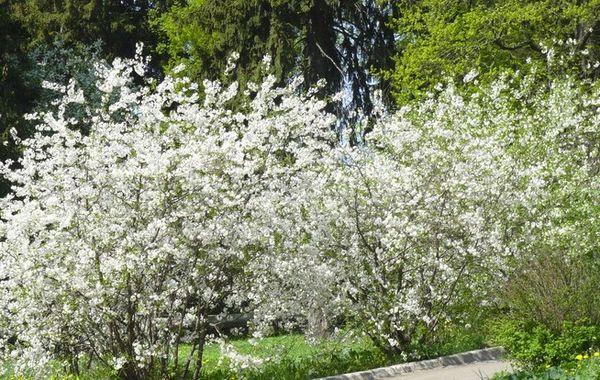
This Moscow-bred variety is self-fertile, meaning it doesn't require pollinators. The flowering period is short, with the tree beginning to form buds in mid-May. The first fruits ripen in approximately 1.5-2 months, by early July. Assol is considered a mid-early variety.
Productivity, fruiting
Young plants begin to bear fruit in their fourth year. Assol is characterized by high yields: 70-80 centners per hectare. This cherry is suitable for commercial cultivation.
Application of berries
The purpose of the fruits is universal. Ripe cherries make aromatic jams., jams, and compotes. Assol berries are marketable and can be transported and stored fresh.
Resistance to adverse weather conditions
Assol cherry has good frost resistance, withstanding temperatures down to -30 C, can grow in a temperate continental climate. However, gardeners have noted that in cold, rainy summers, the berries become more sour, reducing the yield.
Susceptibility to diseases and pests
The variety is resistant to many types of scab, coccomycosis, and moniliosis. Outbreaks of fungal infections are observed with a lack of nitrogen fertilizer and prolonged moisture stagnation at the tree's roots. Assol is prone to pest attacks; it is recommended to spray the plant with fungicides during flowering.
Landing rules
To ensure the Assol cherry tree fully demonstrates its best qualities, it's important to choose the right planting site and follow proper cultivation practices. When growing cherries, it's recommended to select healthy seedlings and prepare planting holes in advance.
Optimal timing
Cherry seedlings are planted in the spring, when the threat of frost has passed: the end of April to the beginning of May is the optimal planting time.
Site selection and preparation
Cherry trees require uniform light and are best planted on the south side of the plot. Lowlands, steep slopes, and ravines are not suitable for cherry orchards.
The soil and planting holes are prepared in the fall. The soil is loosened, weeds are removed, and fertilizer is applied. It is recommended to install drainage at the bottom of the holes and add sand mixed with humus.

Direct landing
Before planting, the seedling's root system must be moistened and nourished. The tree's roots are dipped in a solution of mullein, clay, and wood ash for 10-15 minutes. Then, the plant is placed in the prepared planting hole, carefully spreading out the roots.
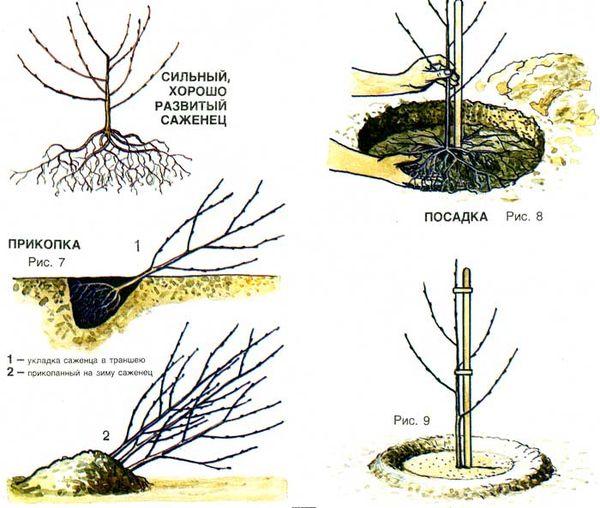
The planting hole is 70 centimeters deep and 60 centimeters in diameter. After planting, the cherry tree sapling is trimmed with pruning shears. The recommended height after pruning is 30 centimeters.
What to plant next to it
Cherries belong to the stone fruit family, so it's recommended to plant them next to other members of this family. Plums, rowans, hawthorns, and cherries are the best neighbors. However, it's recommended to avoid planting them next to apple and pear trees.
When selecting neighboring trees in an orchard, it's important to consider the plants' mature height. Dwarf varieties should not be planted alongside vigorous ones.
Specifics of tree care
Systematic care of cherry trees guarantees a bountiful harvest. Assol is an easy-to-grow tree, but it does require certain care nuances.
Irrigation
Cherry trees are moisture-loving plants, but overwatering can be harmful. Supplemental irrigation is recommended during dry periods and during bud formation. For a mature tree, up to 40 liters of warm water should be used per watering.
When moisture stagnates at the roots, Assol fruits begin to become significantly acidic.
Fertilizing
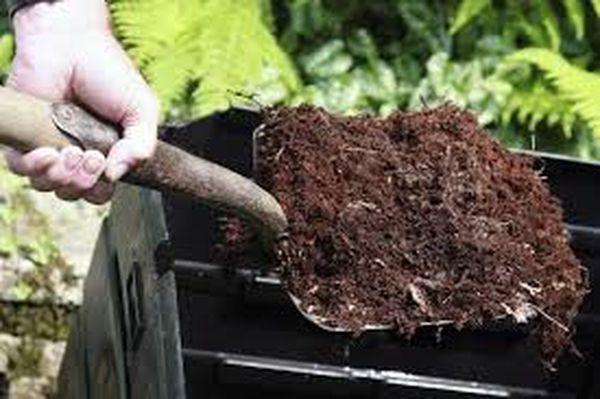
The main nutrients and mineral supplements are added during planting. Full-scale feeding begins when the plant is three years old. Ammonium nitrate, mullein, infused bird droppings, and mulching the trunk area with humus are used. Potassium-phosphorus complexes and calcium are also important for cherries.
Whitewashing the trunk
A time-tested folk method for protecting trees from aphids and other insect pests is whitewashing the trunk with slaked lime. This treatment is performed twice a season—in early spring and late fall.
Sanitary and formative pruning
To properly shape the crown, formative pruning is performed in the fall and spring, removing overgrown shoots and branches that are crowding the crown. Sanitary pruning also removes dried and pest-infested stems.

Preventive treatment
During the budding period in spring, cherries are sprayed with antifungal agents such as Bordeaux mixture, copper sulfate, or Fitosporin. To prevent insect attacks, strongly scented plants such as marigolds, calendula, coriander, and others are planted near the cherries. It is important to regularly remove weeds, loosen the soil around the trunk, and apply lime to the trunk.
Frost protection
Preparing the tree for winter involves creating a shelter for the root system. The area around the trunk is thoroughly loosened, weeds are removed, and the soil is mulched with last year's leaves, hay, and wood ash. The trunk is coated with slaked lime. The plant's branches are pruned, removing all dead shoots.
Reproduction
You can propagate your favorite variety in the following ways:
- by cuttings;
- root shoots;
- green shoots.
The most accessible and least energy-intensive method is to purchase seedlings from a store. It is recommended to purchase potted planting material from reputable retailers.
Gardeners' opinions about the variety
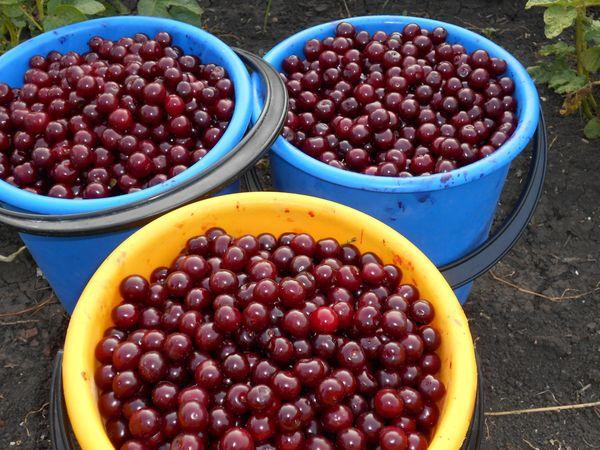
This new Moscow variety has become a favorite among gardeners for its ease of cultivation and the quality of its ripe fruit. The berries are versatile; ripe cherries can be stored fresh and transported easily.
The plant's size is ideal for growing cherries in private gardens. According to gardeners, the variety bears fruit every year. Assol is suitable for growing in the southern regions of our country, as well as in the Moscow region, the Urals, and Siberia. The variety tolerates harsh winters and is resistant to most fungal diseases. No significant deficiencies have been identified for the Assol cherry.
Related posts:
 Description and cultivation of the best varieties of felt cherry, planting and care
 Description and pollinators of the Vladimirskaya cherry variety, planting and care
 Description and propagation of the Bessey cherry variety, planting and care rules
 20 Best Cherry Varieties for the Central Russian Region with Descriptions and Characteristics
 Description and characteristics of 17 dwarf cherry varieties, planting and care
 Description and varieties of cherry variety Shpanka, planting and care
 Description and varieties of Zhelezistaya cherry, planting and care
 Description of the 25 best cherry varieties for the Urals and Siberia, planting and care in open ground