
- Cherry Blossom Fly: Description and Life Cycle of the Parasite
- Appearance
- Wintering
- Spring flight
- How does it reproduce?
- Factors that provoke the appearance of insects
- Signs of cherry damage
- What is dangerous for the tree and the harvest?
- How to protect and get rid of pests
- Traps
- Chemicals
- Folk methods of combating parasites
- Preventive and agrotechnical measures
- How to use wormy crops
- Is it possible to clean a wormy berry?
- Is it permissible to eat?
- What can be done with the fruits?
Fruit tree pests are a serious problem and threat to any garden or summer cottage. One of the main enemies of all gardeners is the cherry fruit fly, which attacks stone fruits. After an infestation, the berries become unfit for consumption, as the flesh rots and spoils.
Cherry Blossom Fly: Description and Life Cycle of the Parasite
To determine an effective tactic for ridding a site of cherry fruit flies, you need to understand how this parasite looks and lives.
Appearance
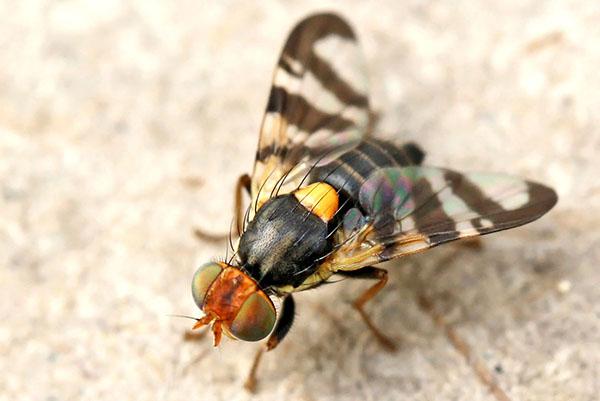
The cherry fly is a small insect in the family Pterygianidae. An adult reaches 3-5 millimeters in length. Its body is black with yellow spots, and its transparent wings have a distinctive pattern of black stripes. Green eyes are located on its yellowish head.
Wintering
During this period, the fly hides in the top layer of soil—depending on the local climate, the insect can be found at a depth of up to 13 centimeters. It overwinters in a pseudococoon, forming a barrel-shaped, yellowish pupa.
Spring flight
As soon as the temperature in the region rises above 16 degrees Celsius, the insect becomes extremely active and begins searching for food. For two weeks, the fly feeds on the excrements of other pests and garden insects (such as cherry aphids). Then it begins laying eggs.
How does it reproduce?
Cherry fruit flies typically attack green, ripening fruit. They make holes in the berries and lay eggs. Even if the larvae escape, the fruit will still rot.

Factors that provoke the appearance of insects
There are no specific causes for the appearance of this pest. The cherry fruit fly typically lays eggs in stone fruit berries. Thanks to its highly developed sense of smell, the pest independently locates garden plots by their sweet scent. The fly also often migrates from neighboring plots that haven't been treated.
Signs of cherry damage
To detect the activity of a harmful insect on a plot in a timely manner, a gardener should pay attention to the following signs of cherry damage:
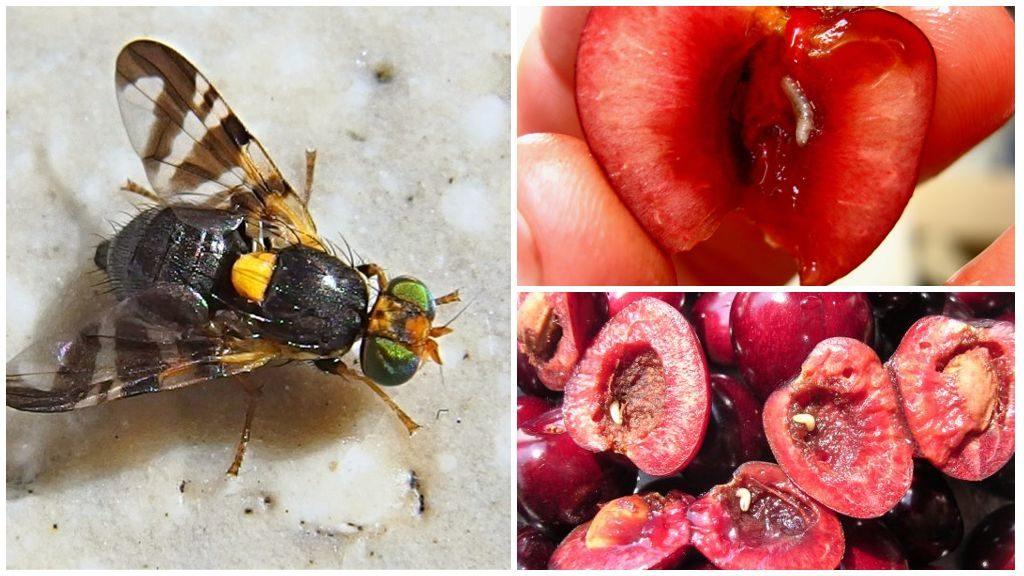
- the main characteristic sign is the presence of black dots on the surface of the berries, which act as a puncture site where the cherry fly lays eggs;
- dents and rot later appear at the puncture sites;
- The color of the fruit also changes: the skin of the affected cherry becomes matte, loses its shine, and the flesh becomes too soft.
If the above symptoms are detected, it is recommended to take a number of measures that will eliminate the insect and help save the entire crop.
What is dangerous for the tree and the harvest?
If an orchard is not properly maintained, crop losses can reach up to 90%. The damage threshold, which is determined by the ratio of affected fruits to the total yield, is also considered. For the cherry fruit fly, this figure is 2 berries per 100. If a large number of worms appear, the lion's share of the harvest can be lost.
How to protect and get rid of pests
To protect and rid fruit trees of harmful insects, it is necessary to take appropriate measures.
Traps
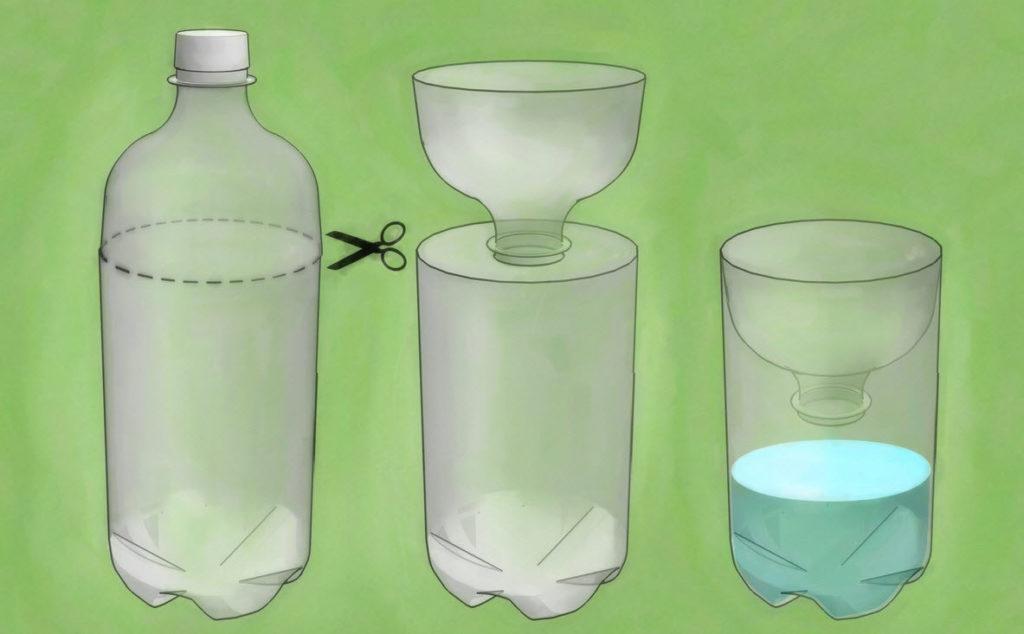
Cherry fruit flies can be controlled using harmless methods, avoiding chemical treatments. Traps are set in mid-spring. The design of the traps is quite simple: a tin can or a cut-off plastic bottle, kvass, honey, or compote. Yellow cardboard with slow-drying glue is also used. The pests, attracted by the scent, are unable to escape from these traps.
Chemicals
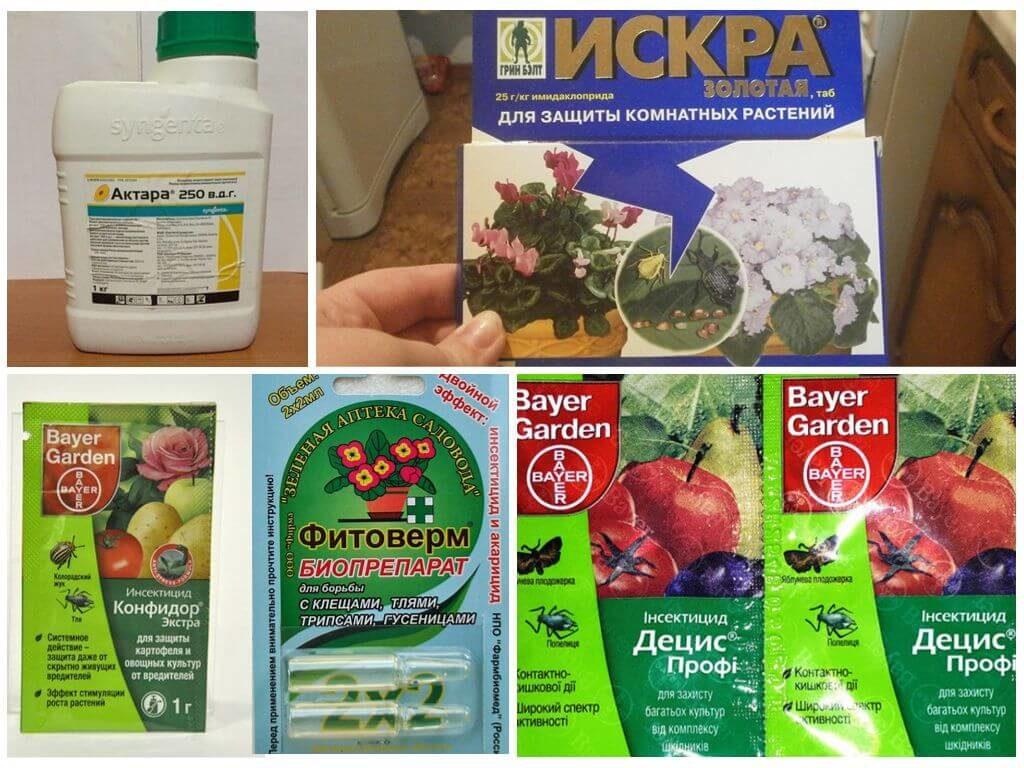
Early fruit trees should not be sprayed with pesticides; instead, folk and homemade remedies are suitable. At least 20 days should pass between insecticide application and fruit harvest. Cherry trees can be treated with the following products: Actellic, Phasis, DNOC, Iskra, Molniya, Calypso, and Zolon. These products are applied in two stages: at the beginning of summer and two weeks later. The products should be changed annually, as the insect adapts to them.

Folk methods of combating parasites
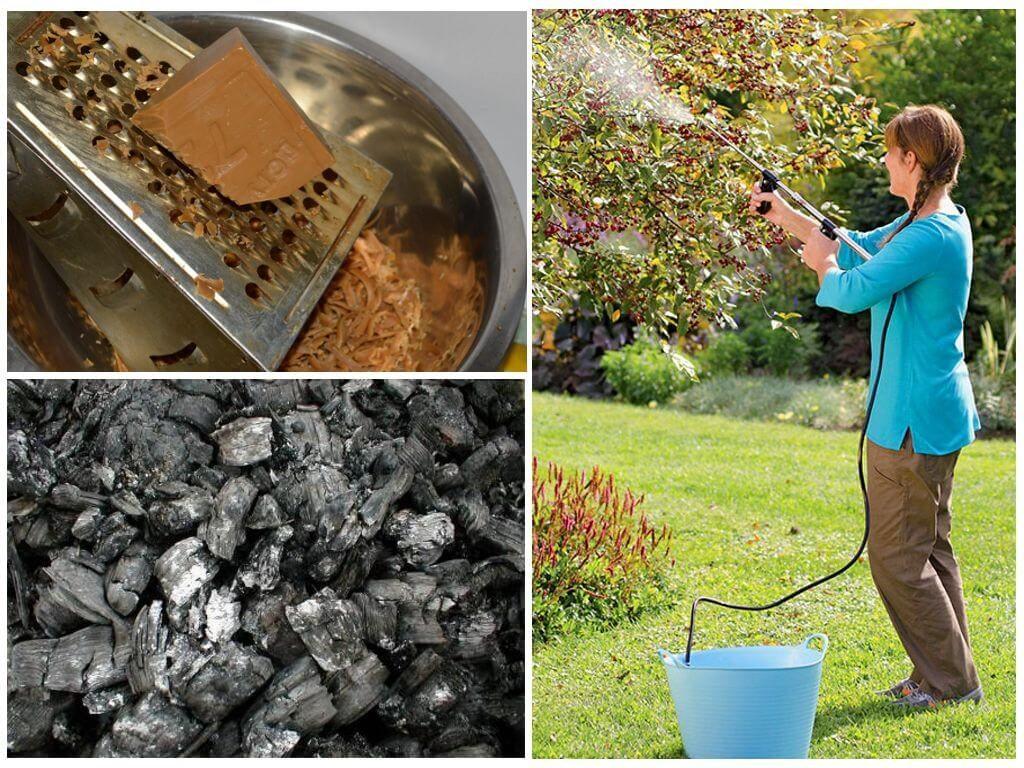
Folk remedies for controlling cherry fruit flies include time-tested liquid solutions that can be safely sprayed on fruits and trees. Suitable decoctions include wormwood, laundry soap, garlic, onion, tobacco, pine, or pine needles. There is no exact dosage, and each gardener prepares their own solution. A tobacco solution is prepared as follows: 500 grams of dry tobacco per 10 liters of water, soak for 24 hours, boil, strain, and then apply the solution.
Preventive and agrotechnical measures
Preventative measures are aimed at preventing the larvae from developing into adults that will subsequently lay eggs:
- Periodically, the area around the cherry or sweet cherry tree trunk should be dug over or the soil around the fruit tree should be deeply loosened. The soil should be loosened to a depth of 30 centimeters. It is also crucial to remove grass from the area around the tree, as this provides a good hiding place for insects.
- After harvesting, remove any berries that have fallen under the trees. They can be either completely removed from the plot or buried deep in the soil.
- Cherry aphids, a food source for the fly, should also be eliminated from the area. To do this, plant marigolds, lemon balm, lemon balm, or marigolds, which repel the insects.
- When spraying with chemicals, you should also pay attention to the soil around the tree.
- In early spring, the area around the fruit tree's trunk should be filled with a clay solution, 1-2 millimeters thick. This will prevent flies from escaping from their pupae.
It is recommended to plant early varieties of fruit trees on the site, as they are less susceptible to cherry fly infestation.
How to use wormy crops
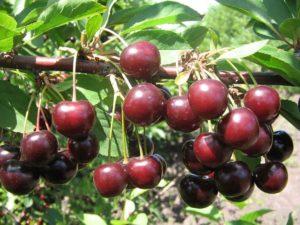
There's no need to rush to throw away your entire sweet harvest if the cherry fruit fly has already attacked most of the berries. Spoiled, but juicy and acceptable-looking berries will taste no different from others.
Is it possible to clean a wormy berry?
To clean wormy cherries, soak the entire rotten crop in cold water for a couple of hours. Experienced gardeners recommend adding two tablespoons of salt. After a while, the insects will leave the berries, making them easy to clean.
Is it permissible to eat?
Infected cherry fruits, in which the insect has laid eggs, pose no threat to humans. The larvae do not cause any harm to the body. Often, people are unaware that they have eaten an infested berry.
What can be done with the fruits?
A wormy harvest is unlikely to sell, but it's the best choice for canning. Cherries are used to make compotes, jams, preserves, marmalades, and confitures. However, severely bruised, rotten, or dull-looking cherries should be discarded—they're not suitable for eating or canning.
Related posts:
 How to control carrot flies with medications and folk remedies
 How to control onion flies using natural and chemical methods
 Control of onion pests using chemical and folk remedies
 The best eggplant varieties for growing in a polycarbonate greenhouse: planting and care
 Is it possible to plant carrots in July or at the end of June? What are the best days and care instructions?
 Causes and treatment of cherry diseases, methods of pest control
 Garlic diseases and pests and their control, treatment methods and prevention
 The best grape varieties for growing in the Urals, planting and care rules in summer