
- The first signs of apple tree damage
- Common causes and symptoms
- Scab
- Black crayfish
- Bacteriosis
- Ring spot
- Sooty deposits
- Magnesium and manganese deficiency
- How and with what to treat an apple orchard
- Timing and technology of processing
- What medications are used?
- For bacterial diseases
- For fungal infections
- For the treatment of viral infections
- Prevention
- Seasonal treatments
- Selecting resistant varieties
- We observe agricultural technology rules
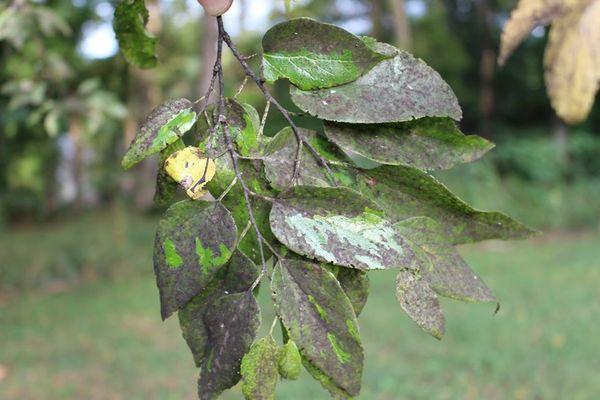
Even the most carefully cared for garden trees can be damaged by pests or various diseases. The appearance of black spots on apple tree leaves is a dangerous symptom, the cause of which must be promptly identified and treated properly. Failure to prevent and treat the problem promptly can lead not only to crop loss but also to the death of the tree.
The first signs of apple tree damage
Black spots on leaves aren't the only sign of impending danger. Diseases are accompanied by the sequential appearance of the following symptoms:
- the leaves in some places dried out, turned black and curled up;
- cracks, swelling, and deformation appear on the tree bark;
- leaves fall prematurely;
- During the growing season, some branches dried out;
- the fruits began to rot before ripening.
Diseases pose a particular danger to young shoots and small seedlings whose health has been undermined by transplantation or weakened by wintering.
Common causes and symptoms
Apple trees may also exhibit other signs of damage that indicate a specific problem and require specific treatment. Black spots on apple tree leaves can be caused by:
- Scab. This disease is caused by a marsupial fungus common in temperate climates with cool, wet springs.
- Black canker. The fungus begins to attack trees from the bark weakened by frost, sun, or injury.
- Bacterial blight. Bacterial blight is caused by Erwinia species, which attack plants during the flowering period.
- Ring spot. This viral disease inhibits tree growth and development.
- Sooty bloom. This disease is caused by a fungal infection, accompanied by the presence of aphids and other insects.
- Nutritional deficiencies. Black spots are caused by a lack of magnesium and manganese.
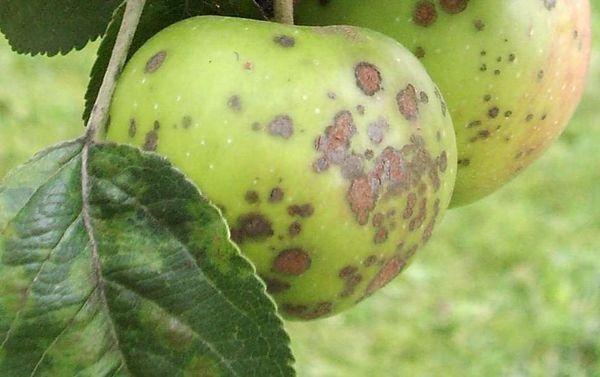
Scab
The main symptoms of this fungal infection are:
- grayish spots are visible on the leaves;
- the green part of the tree turns black, dries up, falls off;
- the fruits develop poorly or incorrectly;
- Apples become covered with black spots that increase in size and cause rotting.
Signs of the disease begin to appear in the spring, especially in conditions of prolonged rains and low air temperatures.
Black crayfish
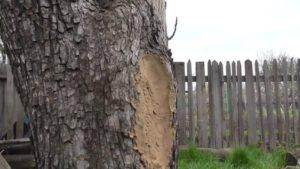
The disease begins with damaged areas of the bark. If black canker isn't treated promptly, the fungus can spread throughout the entire apple tree. Infection most often occurs during high humidity and temperatures, when the spores are particularly viable. Signs of the disease include:
- cracks in the bark are very dark in color;
- black spots appear on the leaves;
- damaged leaves dry out and fall off;
- apples darken and dry out.
Bacteriosis
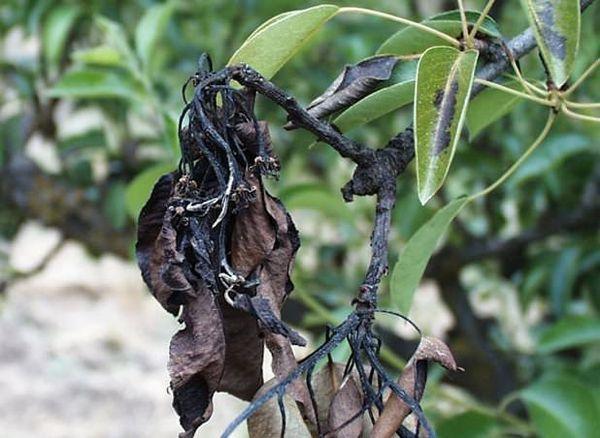
The first signs of fire blight become apparent at the apple tree flowering stage:
- flowers have become dark, deformed or fallen off;
- white mold spots appeared on the bark, and the structure lost its firmness;
- the leaves turned black and became deformed, but remained on the branches;
- The ovaries are poorly formed and become covered with rapidly growing black spots.
Bacteriosis is particularly contagious and quickly spreads to other garden trees.
Ring spot
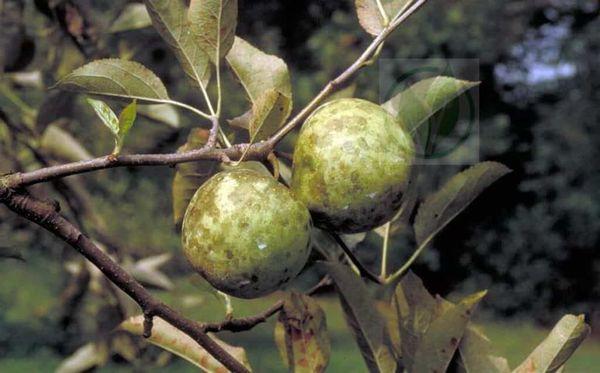
Viral infection is accompanied by the following symptoms:
- the appearance of yellow spots on the leaves, which turn black over time;
- trees stop growing and are inferior to healthy ones in development;
- Black circles appear on apples and leaves.
Sooty deposits
Sooty mold infestations are always preceded by the appearance of aphids or leafhoppers. These insects, parasitizing the apple tree, secrete honeydew, a liquid rich in sugars. This nutrient-rich substance allows the fungal spores to grow rapidly, causing the following symptoms:
- a greyish-white coating appears on the plant, which darkens over time;
- the leaves gradually turn black and curl;
- The trees look as if they are covered in coal soot.
Magnesium and manganese deficiency
Nutritional deficiencies, along with fungal or viral diseases, can negatively impact apple trees. Signs of significant deficiencies of elements such as magnesium and manganese include:
- yellowing and then blackening of foliage;
- preservation of the green skeleton of veins;
- falling of affected leaves;
- weak growth and filling of apples;
- loss of taste of fruits.
Magnesium deficiency causes yellowing of the leaves between the veins, while manganese deficiency causes the leaves to turn yellow and black at the edges.
How and with what to treat an apple orchard
At least half of garden trees suffer from some kind of disease during their lifetime. It's difficult to detect signs of infection at an early stage, so regular inspections are essential.
Once a disease is detected, treatment must be started immediately, combining agricultural practices and the use of drugs. Treatment should be carried out not only on the diseased apple tree, but on the entire garden as a whole, observing strict quarantine conditions.
Timing and technology of processing
When choosing the timing and method for treating garden trees, it is necessary to consider the following factors:
- growing season;
- the cause of the disease;
- age of apple tree;
- degree of infection.
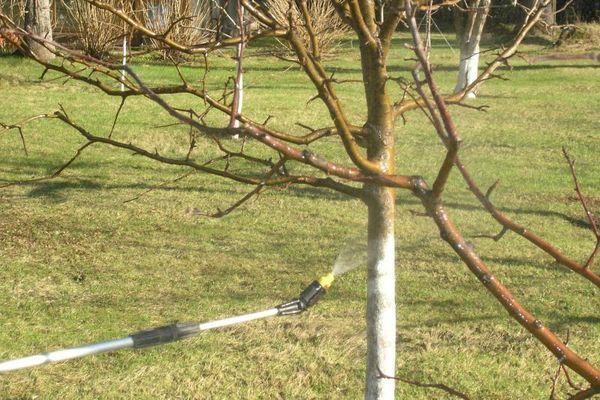
Apple tree treatment should begin in early spring, continue throughout the summer, and finish as late as possible in the fall. Spraying should be comprehensive, simultaneously treating all trees in the orchard and the ground beneath and around the crowns.
What medications are used?
If signs of disease appear, treatment should be initiated immediately. It is recommended to use targeted treatments rather than general-purpose mixtures. Trees can be treated with:
- chemical;
- biological;
- folk.
Traditional remedies involve using solutions containing potassium permanganate, mustard powder, soap solutions, and various herbal infusions. However, folk remedies are better for prevention than for a quick fix.
If you don’t want to use chemical compounds, you can use biologically active substances that will preserve the ecology of the garden.
For bacterial diseases
To treat diseases caused by bacteria, the following are most often used:
- Antibiotics:
- "Gentamicin";
- Kanamycin;
- Tetracycline;
- "Streptomycin".
- Biological preparations with bactericidal action:
- Gaupsin;
- "Gamair";
- "Pentafag";
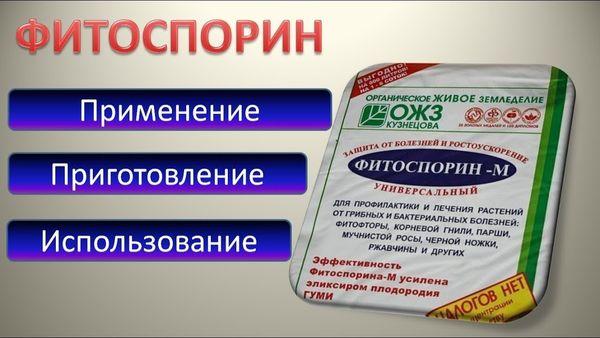
- Fitosporin.
Quarantine is an essential part of treating bacterial infections. All diseased parts of the tree must be removed and destroyed. In severe cases, the entire tree will need to be removed, the soil disinfected with copper chloride, and the tree left to rest for two years.
For fungal infections
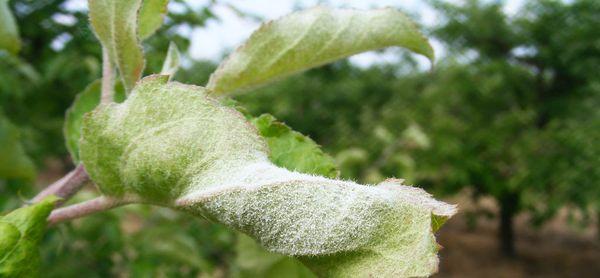
Copper-based products are used to treat fungal infections. These products show rapid and effective results:
- Bordeaux mixture;
- "Skor";
- "Hom";
- "Topaz".
Agrotechnical methods of fungal control include:
- sanitary pruning twice a season;
- spraying with fungicides;
- whitewashing of apple tree trunks;
- deep loosening of the soil at the roots.
For the treatment of viral infections
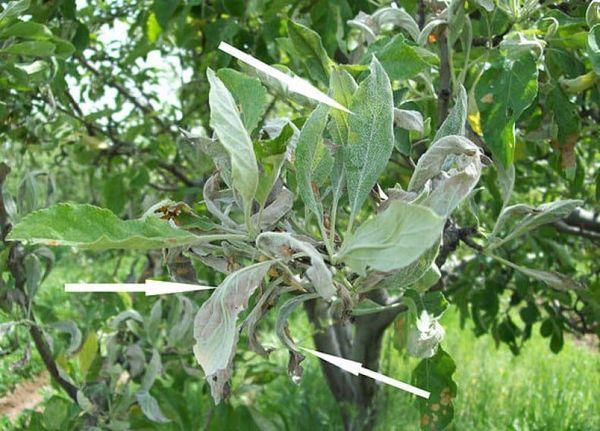
It's impossible to completely cure a viral infection with chemicals. Zircon or Epin can provide some relief, but for the most part, you'll need to rely on agricultural practices:
- carry out sanitary pruning in February;
- burn cut and fallen parts of trees;
- if disease is present, reduce the application of phosphorus and nitrogen fertilizers;
- destroy pests immediately upon detection.
If the spread of the disease cannot be stopped, the tree must be cut down, the roots uprooted, and then all parts burned away from the site.
Prevention
Regular preventative maintenance helps preserve not only the harvest but also the integrity of the orchard, as apple tree diseases can easily spread to other crops. Precautionary measures include:
- regular use of insecticidal and fungicidal agents;
- stimulating the immunity of garden crops;
- selection of apple tree varieties resistant to diseases;
- avoiding dense plantings;
- maintaining the cleanliness of the area;
- high-quality care and adherence to agricultural practices throughout the life of the tree.
Seasonal treatments
Preventive treatment of apple trees is carried out 4 times per season:
- before the beginning of the growing season;
- before flowering;
- after flowering;
- in preparation for winter.

In early spring, treat the trees for fungal infections. Every three years, treat the trees with the universal fungicide "Dnok," which also protects against pests. In other years, you can use "Nitrafen," or apply copper sulfate and Bordeaux mixture annually.
Just before flowering, apple trees are sprayed against pests using one of the universal preparations:
- "Commander";
- Fufanon;
- "Decis".
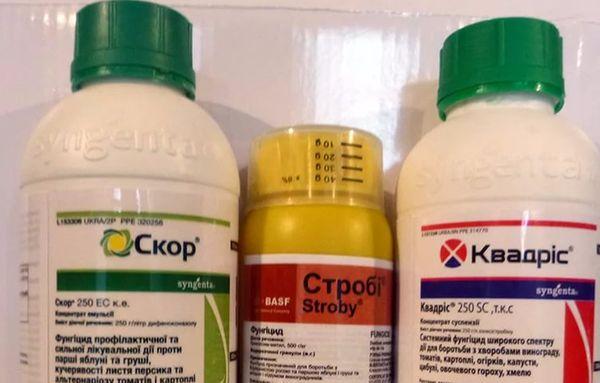
After flowering, you can use both insecticides and fungicides at intervals of 2-3 weeks. "Skor," "Horus," or "Abiga-Peak" are suitable against fungal diseases. Products from the "Iskra" group are good for preventing pest infestations.
Once the growing season is over and the leaves have fallen, the apple trees need to be treated again against fungal infections. To do this, simply spray the crown and root area with a copper sulfate solution or Bordeaux mixture.
Selecting resistant varieties
Modern varietal selection aims not only to improve fruit quality but also to enhance plant resistance to various infections. Popular varieties resistant to scab and other fungi include:
- Aphrodite;
- Vasilina;
- Florina;
- Juno.
Columnar rootstock apple trees and varieties are considered highly resistant to scab:
- Argo;
- Palette;
- Prestige.
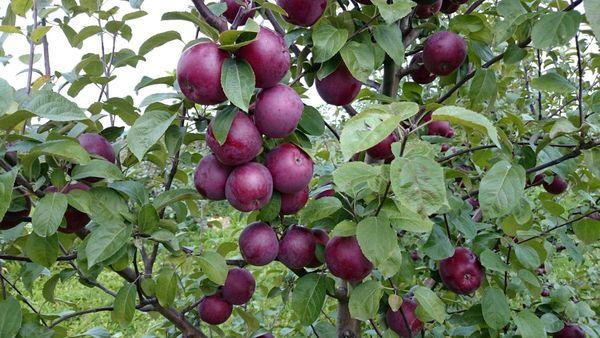
Good resistance to black cancer has been noted in the following varieties:
- Alva;
- White filling;
- Malt Bagaevsky;
- Borovinka;
- Cinnamon Striped;
- Jonathan;
- Lobo;
- Durable.
Dwarf rootstock apple trees are poorly protected from bacterial attack. Low susceptibility to bacterial infections is observed in the following varieties:
- Empire style;
- Melba;
- Jonagold;
- Bosco;
- Red Delicious;
- Cherry.
We observe agricultural technology rules
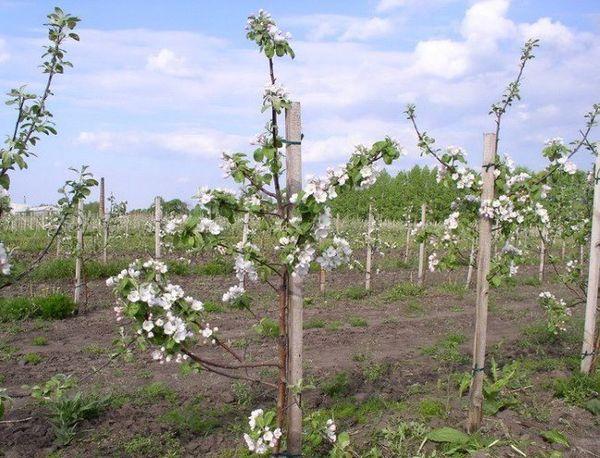
Agricultural technology rules include:
- regular loosening of the soil;
- weed removal;
- standardized watering regime;
- timely sanitary pruning;
- seasonal treatment of trees against diseases and pests;
- compliance with the norms and timing of fertilizer application.
Proper care of apple trees will protect them from pests and diseases of fungal, bacterial, and viral origin.
Related posts:
 Signs and treatment of apple tree cancer, varieties resistant to the disease
 Description of the Chudnoe apple variety, planting and caring for a dwarf tree
 Description and varieties of the Sinap apple tree, planting and care rules
 Description and planting of the Dream apple tree variety, care and propagation
 Description of the ornamental Nedzvetsky apple tree, cultivation technology
 Description and varieties of Gala apple trees, planting and care in open ground
 Description and characteristics of the columnar apple tree President, planting and care
 Description of the Red Early apple tree variety, agricultural technology and specific care