
- Selection of the Gornist apple tree
- Cultivation features in different regions
- Varieties and cultivation methods
- On a dwarf rootstock
- Standard
- The main advantages and disadvantages of apple trees
- Description and characteristics
- Size and annual growth
- Crown and branches
- Foliage and buds
- Fruiting of the tree
- Flowering and pollinators
- Ripening time and yield per tree
- Harvesting and storage
- Tasting evaluation of the fruit and the scope of application of apples
- Winter hardiness and drought resistance
- Susceptibility to diseases and pests
- Planting fruit crops on the plot
- Optimal soil composition
- Selecting and preparing a landing site
- Dimensions and depth of the planting hole
- Timing and step-by-step algorithm for planting a seedling
- How to care for the Gornist variety?
- Watering mode
- We apply fertilizers
- We trim and shape the crown
- Loosening and mulching the tree trunk circle
- Prevention and protection of wood
- Covering for the winter
- Methods of reproduction
- Gardeners' reviews of the variety
When choosing an apple tree for your garden, it's important to study the variety's breeding history and determine the region for which it was developed. The breeding of the summer-ripening Gornist apple tree originates in the Sverdlovsk region.
Selection of the Gornist apple tree
The apple variety was obtained by pollinating a hybrid Cinnamon striped with pollen from Ural apple varietiesThe Gornist variety is zoned for the Middle Urals, although the apple tree is successfully grown in other regions of Russia.
Cultivation features in different regions
The Gornist apple tree has proven itself in the Ural regions. Its high frost and scab resistance make it a favorite among gardeners and it is grown in various climate zones across the country. Gornist produces high yields in the Leningrad Region, the Moscow Region, and the Volga region.
Varieties and cultivation methods
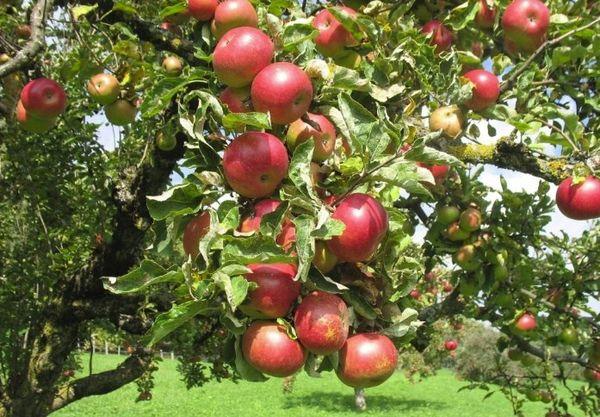
This frost-resistant variety is grown in two ways: on dwarf rootstock and as a standard. Gornist is a vigorous tree, reaching a height of 9 meters. It is included in the State Register of Cultivars of the Ural Region.
On a dwarf rootstock
Growing Gornist on a dwarf rootstock allows for early fruiting of young seedlings, reduces the height of the vigorous tree, makes the plant suitable for large group plantings, and simplifies the harvesting process.
Standard
A modern, convenient way to grow apple trees. Standard plantings create a decorative and attractive orchard.
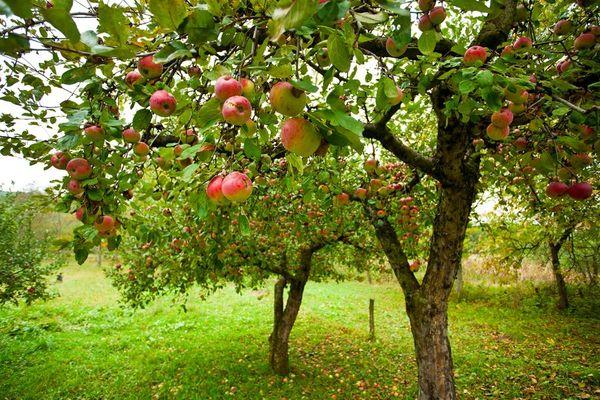
On the bare trunk of an apple tree without extra branches, a spherical crown is formed, and the height of the tree varies from 1 to 2.5 meters.
The main advantages and disadvantages of apple trees
The Ural variety has distinct advantages:
- high frost resistance;
- scab resistance;
- early ripening period;
- unpretentiousness in planting and care;
- high-yielding variety, characterized by stable fruiting;
- marketable appearance of fruits.
The disadvantages of the variety include:
- self-sterility, pollinators required;
- apples are stored fresh for no more than 3 weeks;
- a vigorous tree, up to 9 meters in height.
Gornist begins bearing fruit in its fifth year. The fruit is versatile and pollinates well with neighboring apple trees.
Description and characteristics
The Ural hybrid is not afraid of cold and is suitable for growing in regions with cool summers and frosty winters.
Size and annual growth
The Gornist is a vigorous apple tree. A mature tree reaches 9 meters in height. It begins bearing fruit in its fifth year, growing at a rate of approximately 50 centimeters annually.
Crown and branches
The apple tree has a pyramidal, wide, spreading crown. The tree's bark is light and rough. The Ural hybrid bears fruit on rings formed when the sapling is two years old. The Gornist's branches are drooping and vigorous.
Foliage and buds
The leaf blades of the Gornista are elongated, with finely serrated edges. The leaves are small, drooping, and have thick petioles. The veins on the leaves are slightly curved. The buds are small.
Fruiting of the tree
The tree begins bearing fruit for the first time in the fifth year after planting. It bears fruit regularly, and Gornist is known for its high, consistent yield.
Flowering and pollinators
A key feature of the Ural variety is its self-sterility. Pollinators are required; if present, the tree achieves 80-90% pollination.
Ripening time and yield per tree
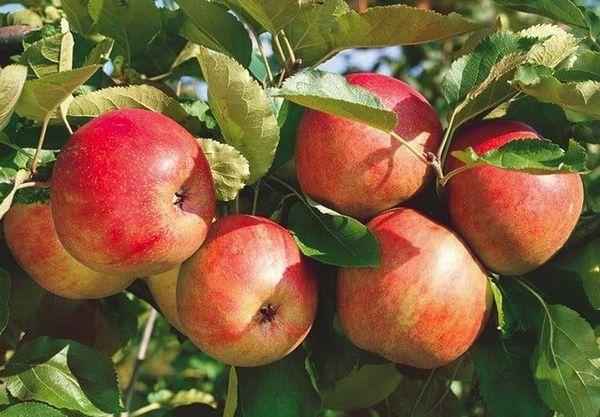
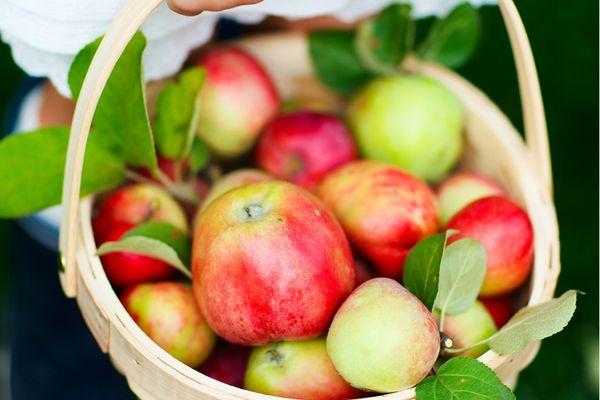
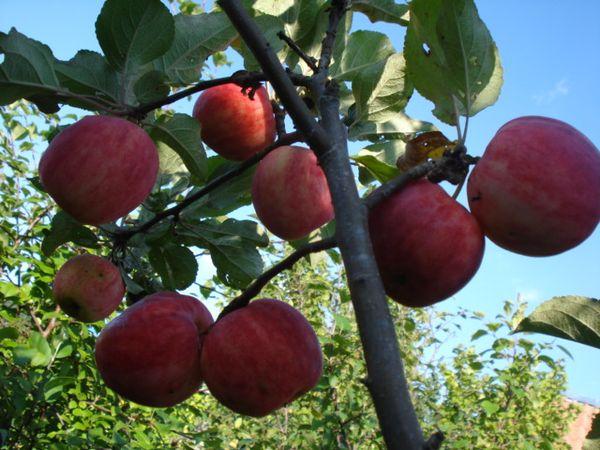
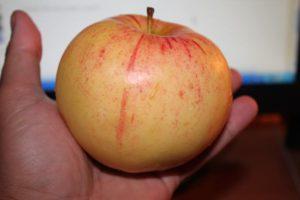
The aromatic apples reach full ripeness by mid-August. The average fruit weighs 100 grams. A mature apple tree can yield approximately 90 kilograms of fruit per season.
Harvesting and storage
The shelf life of ripe apples is three weeks, during which time they must be processed. Harvesting begins in mid-August. The Gornist variety is resistant to fruit drop.
Tasting evaluation of the fruit and the scope of application of apples
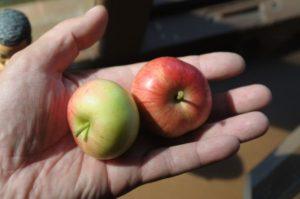
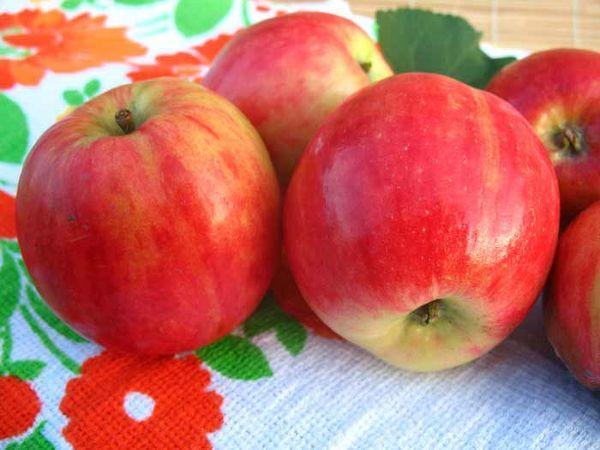
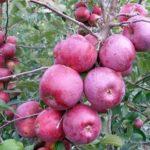
The flesh of ripe apples is firm and quite coarse. The flavor is sweet and sour, the apples are juicy, and have a distinct apple aroma. The skin is bright red with a slight yellow tint.
Winter hardiness and drought resistance
The Ural hybrid is distinguished by its high winter hardiness and can withstand winters with frosts down to -40 S. Stoyko tolerates spring and autumn frosts and summer temperature fluctuations. The variety has average drought tolerance. Supplemental watering is required only during prolonged drought conditions.
Susceptibility to diseases and pests
Gornist has a strong immune system. The variety is resistant to scab and various fungal diseases. The Ural hybrid is practically not affected by powdery mildew and fruit rot.
Planting fruit crops on the plot
The success of growing the Hornist depends on the choice of the growing location of the tree, as well as the quality of care for the plant.
Optimal soil composition
Gornist has no special soil requirements. Avoid waterlogging around the roots, and planting in low-lying or marshy areas is not recommended. The soil pH should be neutral, and organic fertilizers should be added directly to the planting hole.
Selecting and preparing a landing site
The site for growing the Gornist is selected in advance. A south-facing site, free from drafts and shade, is preferred. Apple trees grow poorly in lowlands and marshy soils, and yields are reduced.
Note! The soil should be dug up beforehand, all weeds removed, fertilizer applied, and drainage installed at the bottom of the planting hole if necessary.
Dimensions and depth of the planting hole
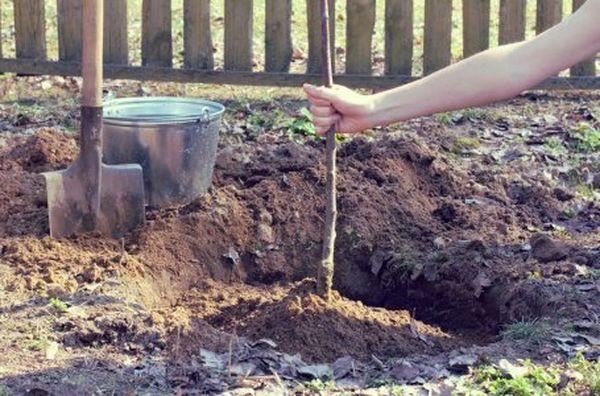
The optimal planting hole depth is at least 60 centimeters, with a diameter of 80 centimeters. The hole is filled with humus, wood ash, and superphosphate. The distance between seedlings is at least 5 meters.
Timing and step-by-step algorithm for planting a seedling
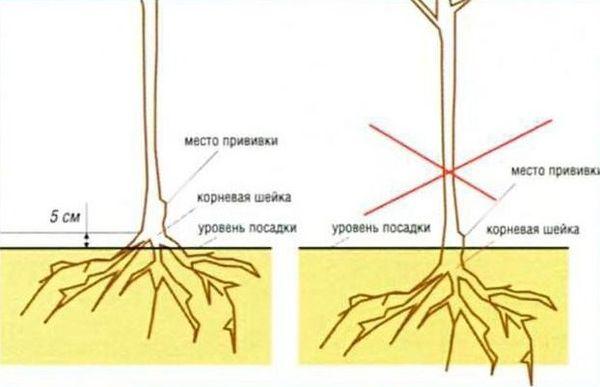
A drainage layer of expanded clay and sand is placed in the prepared planting hole, then compost or humus mixed with wood ash and superphosphate is added on top. A small mound of the resulting mixture is made in the center of the hole, onto which the seedling is placed, carefully spreading the roots. The plant is covered with soil, watered, and the soil is compacted.
How to care for the Gornist variety?
The Gornist apple tree is an easy-to-grow variety. Care consists of watering, fertilizing, and crown shaping. It's important to prepare the tree for winter and provide preventative protection against insects and pests.
Watering mode
The Ural hybrid requires additional watering only during periods of prolonged drought. Excess moisture at the apple tree's roots can harm the plant and increase the risk of fungal diseases.
We apply fertilizers
The required set of nutrients and mineral supplements is added when a young apple tree is planted. Additional feeding begins when the plant is three years old. Use ammonium nitrate, mullein, bird droppings infusion, and mulching the area around the tree trunk with humus.
Potassium-phosphorus complexes and calcium are important for apple trees during the flowering and budding period.
We trim and shape the crown
To properly shape the tree's crown, formative pruning is performed in the fall and spring, removing overgrown shoots and branches that are crowding the canopy. Sanitary pruning involves removing dead and damaged apple tree branches.
Loosening and mulching the tree trunk circle
The area around the tree trunk requires regular maintenance. The soil should be loosened to a depth of 5-8 centimeters, weeded, and covered with a mixture of sand and humus.
Prevention and protection of wood
During the flowering period, apple trees are sprayed with antifungal agents, such as Bordeaux mixture. To prevent insect attacks, strongly scented plants such as calendula, coriander, and peppermint are planted near the trees. It is important to whitewash the trunk twice a season: in spring and fall.
Covering for the winter
Pre-winter preparation involves creating a shelter for the apple tree's root system. The area around the tree trunk is carefully loosened, weeds are removed, and mulched with last year's leaves. The trunk is covered with spruce branches or special agrofibre.
Methods of reproduction
There are three ways to propagate the Ural hybrid:
- layering;
- by cuttings;
- seeds.
An affordable and less energy-intensive option is to purchase seedlings from a store. It is recommended to purchase potted planting material from reputable nurseries.
Gardeners' reviews of the variety
Anastasia Yuryevna Melnikova, 56, Magnitogorsk: "My apple tree is already 11 years old. The Gornist apple tree bears fruit every year and has never been sick. I only treat it once a season, with copper sulfate before flowering. I make homemade jam from the fruit; the cores are easy to remove, and the flesh is very aromatic. I recommend it for growing in all northern regions; it's frost-resistant and resistant to cool summers!"
Related posts:
 Description of the Chudnoe apple variety, planting and caring for a dwarf tree
 Signs and treatment of apple tree cancer, varieties resistant to the disease
 Description and subtleties of growing the Sverdlovsk Beauty apple tree variety
 Description of the ornamental Nedzvetsky apple tree, cultivation technology
 Description of the Red Early apple tree variety, agricultural technology and specific care
 Description and varieties of the Sinap apple tree, planting and care rules
 Description and characteristics of the Orlovim apple variety, cultivation nuances
 Description and characteristics of the Spartan apple variety, cultivation tips