
- History of variety selection
- Description and characteristics of the Konfetnoe apple tree
- Tree dimensions
- Features of the root system
- Flowering, pollinators and fruiting
- Ripening of fruits and their further processing
- Tasting evaluation
- Frost resistance
- Resistance to diseases and pests
- Rules for planting apple trees
- Preparing the soil and planting hole
- How to choose seedlings?
- Timing and scheme for planting a tree
- Caring for crops in open ground
- Watering
- Top dressing
- Caring for the tree trunk circle
- Formative and sanitary pruning
- Preparing for the winter period
- What rootstocks can be used for growing?
- Dwarf
- Semi-dwarf
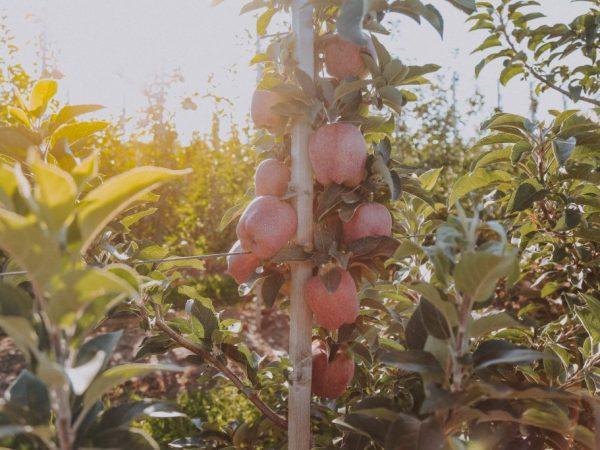
- Columnar
- Subspecies
- Candy Summer
- Ranet Candy
- Candy-2
The Konfetnoye apple tree variety is distinguished by its large, sweet fruits; it was created by crossing two old tree species. However, waiting for this variety to bear fruit requires patience—apples don't appear on the tree for at least five years. These apple trees have a good resistance to pests, but they are not suitable for mass cultivation for several reasons. They are planted in gardens and delight gardeners with their sweet fruits.
History of variety selection
This variety was created by crossing two varieties: Papirovka and Korobovka. It's not suitable for commercial production, but the "caramel" or "candy" apple—as gardeners call it—is beloved by many. The "caramel" apple tree has a distinctive honey flavor and pleasant aroma. It's an early-ripening variety, with fruit appearing four years after planting.
Description and characteristics of the Konfetnoe apple tree
This variety is noted for its fruit. The apples are "born" large and sweet, and the distinctive aroma of the fruit is considered a distinctive feature.
Tree dimensions
When a gardener plants a seedling, they hardly expect the apple tree to reach 3 meters in height within a year. However, the tree's growth gradually slows. According to standard parameters, apple trees of this variety reach a height of 5 meters and meet the following characteristics:
- The crown is wide, resembling a hemisphere.
- Young shoots are flexible but strong.
- The branches do not bend under the weight of the apples.
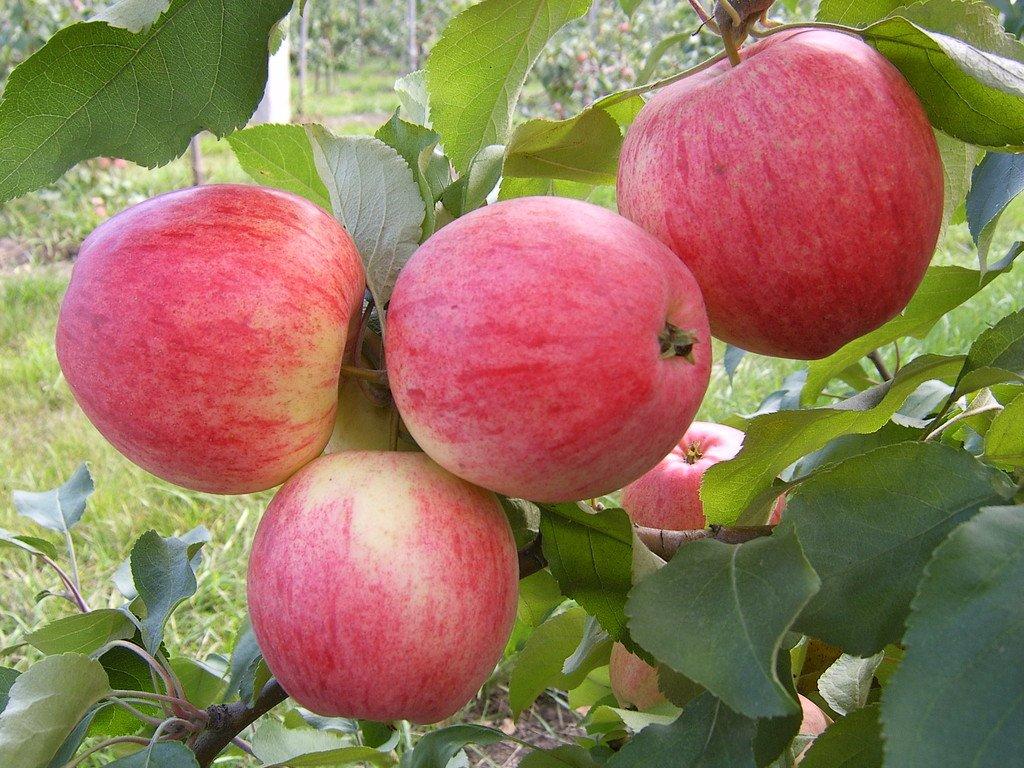
Remarkably, the Konfetnoye apple variety tolerates frost well and can be planted in poor soils. This won't affect the tree's growth or result in a crop failure.
Features of the root system
If you cover the root collar when planting, the seedling will die.
Flowering, pollinators and fruiting
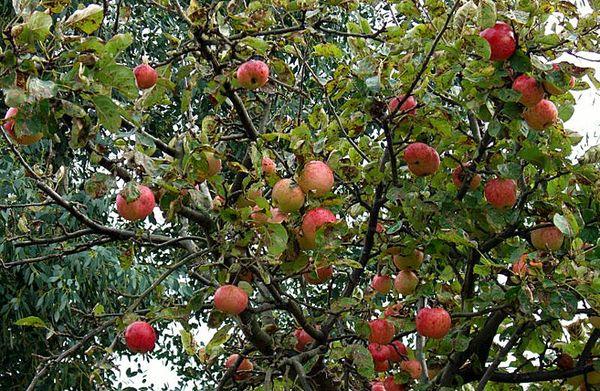
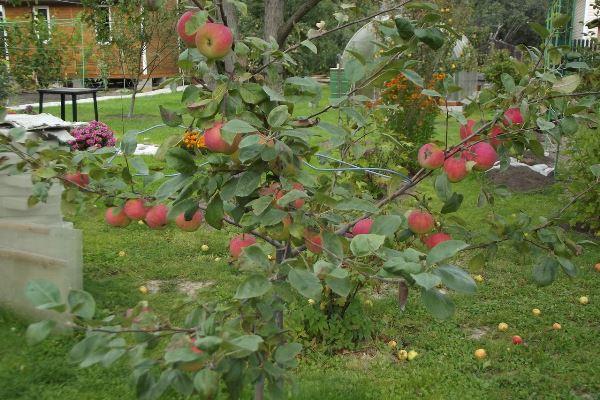
This variety produces a good amount of fruit—up to 50 kilograms of apples can be harvested from a single tree. It has a lush crown with dense, green leaves. The leaves complement the white-pink flowers. The medium-sized flowers emerge from light pink buds that profusely adorn the tree's branches.
Ripening of fruits and their further processing
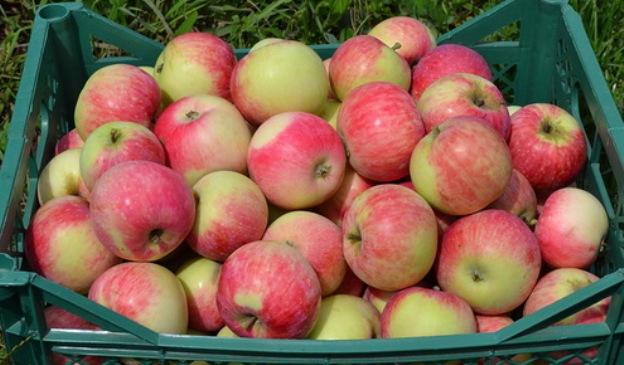
Apples are considered ripe when they acquire a bright, predominantly red hue. They meet the following criteria:
- average size and weight, according to the standard – from 85 to 110 grams;
- smooth skin, juicy and sweet flesh;
- Apples are "born" round, but the shape is not always correct.
Note: When the fruits ripen, they become sweet; their flavor is rated at 4 stars. The flesh is white and juicy.
Apples are picked from the branches at the end of August and have a shelf life of two months. They are not suitable for transportation. Apples can be used to make compotes, preserves, and jams.
This variety does not pollinate on its own; other species are planted next to it:
- Moscow pear.
- Golden Chinese woman.
- Early red.
Tasting evaluation
The average apple of this variety:
- sweet with a honey flavor;
- without foreign odors, with white flesh;
- The taste characteristics of the fruit are rated at 4 points on a 5-point scale.
Frost resistance
Even in unfavorable climates, the plant produces fruit vigorously and is frost-resistant. Its cold tolerance allows it to be planted as far north as the Moscow region.
Resistance to diseases and pests
The trees are quite resistant to diseases and pests, and they have a strong immune system. Gardeners should be wary of the heavy crown, which will prevent the apples from reaching full maturity.
Rules for planting apple trees
Tree seedlings are planted in the fall, when warmer weather is expected. This procedure can be performed in late August.
Since apple trees love sunlight, it is better to plant them on the east side.
Preparing the soil and planting hole
It all starts with preparing the site for planting. If you've already purchased seedlings, it's worth digging the area in the spring, sowing it with green manure, and then mowing it before it goes to seed. Green manure will help enrich the soil with nutrients.
The green manure is allowed to dry, left on the ground, and then the area is dug over. This process is repeated before planting the seedlings. This helps loosen the soil and enrich it with oxygen and nutrients.
You can fertilize the area with mineral or organic fertilizers. If the soil is wet, dig canals and a drainage system to drain the water.
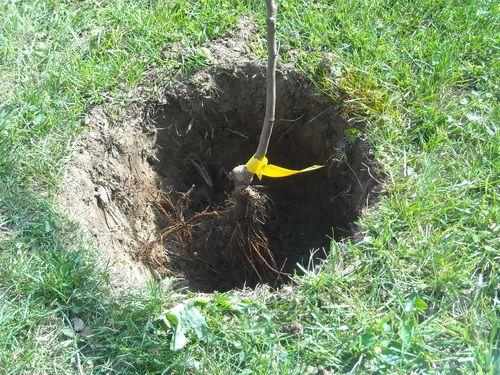
Five days before planting, the soil is dug over again, removing large weed roots, and then the trees are planted. The seedlings are placed in the holes, spreading their root systems. Fertilizer is added to the hole, the soil is watered for five days, and the process is repeated after planting. The planting hole is 80 centimeters wide and 60 centimeters deep.
How to choose seedlings?
Pay attention to the appearance. The trees should be healthy, at least visually. The leaves on the seedlings should be green, without spots, wilting, or other undesirable signs that indicate problems.
Timing and scheme for planting a tree
It's best to plant seedlings in the fall or late summer. Ideally, late August or early September.
Note: seedlings are also planted in the spring – at the end or middle of April.
Step-by-step algorithm of actions:
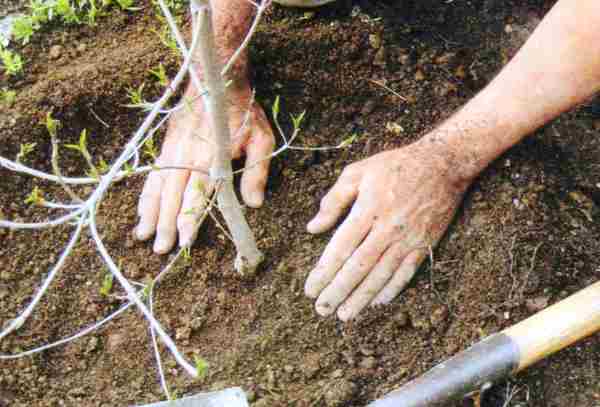
- After digging and preparing the hole, straighten the root system of the seedling.
- Spread the roots over the bottom of the hole and cover them with soil.
- Do not bury the root collar of the seedling – this is strictly prohibited.
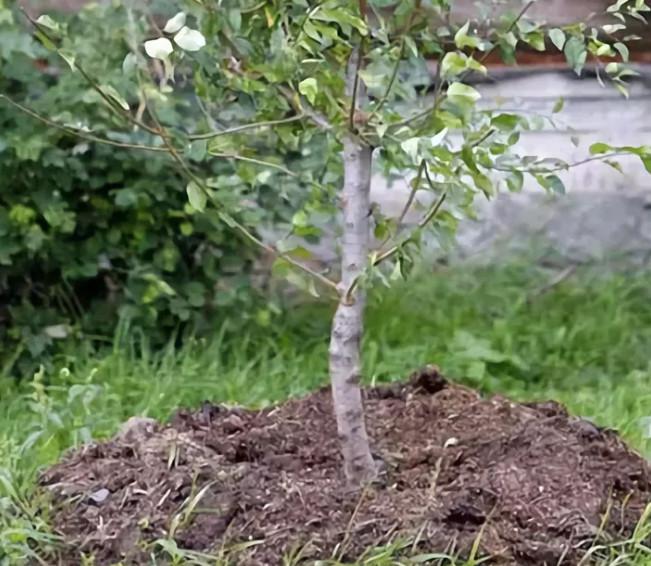
- After planting, water the tree generously; its root collar should be located above the ground (distance – 5-6 centimeters).
Caring for crops in open ground
As mentioned earlier, the Konfetnoye apple tree variety is not suitable for commercial cultivation, and this is due to the hassle associated with caring for the tree.
Watering
The plant does not tolerate stagnant water; watering is recommended at least once every three days, using a bucket of water per tree. Young apple trees require ample watering, but the frequency of such treatments is reduced over time. If there is heavy rainfall in the region, watering is reduced to avoid stagnant water.
Mulching the soil will help reduce the number of watering procedures, and therefore optimize labor.
Top dressing
Carried out before vegetation, after planting the plant in the ground, the following fertilizers are used:
- wood ash in the proportion of 5-6 glasses per square meter of planting;
- humus in the amount of 5-6 buckets;
- superphosphate – 400-600 grams is enough.
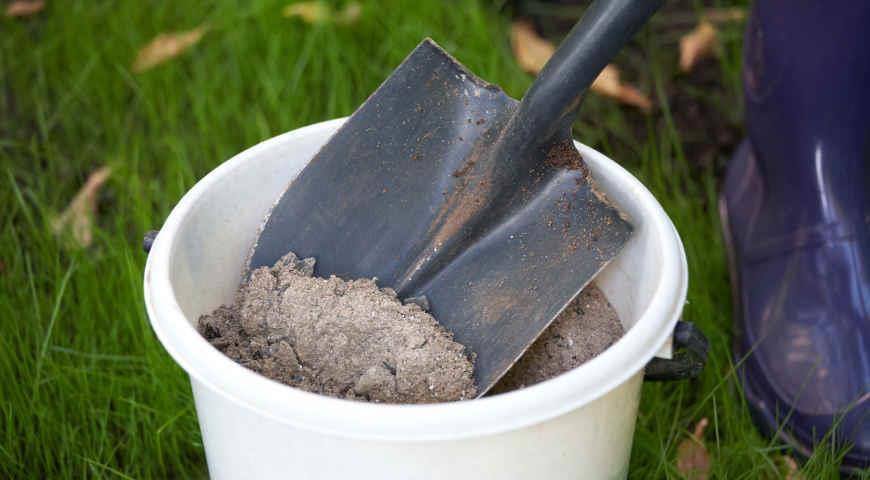
Before wintering, the tree is fed again using complex fertilizer.
Caring for the tree trunk circle
This is a broad term that encompasses a variety of activities. You'll have to:
- Collect fallen leaves and loosen the soil.
- Water the tree regularly and wrap it up for the winter.
- Mulching the root system is also considered part of tree trunk circle care.
Formative and sanitary pruning
To shape the crown, regular pruning is performed. For apple trees, this is a standard procedure and involves removing:
- shoots growing into the tree;
- young shoots, or rather their upper part; at the same time, several buds are left on the stems of the tree;
- The branches of large branches that grow at an angle are also trimmed.
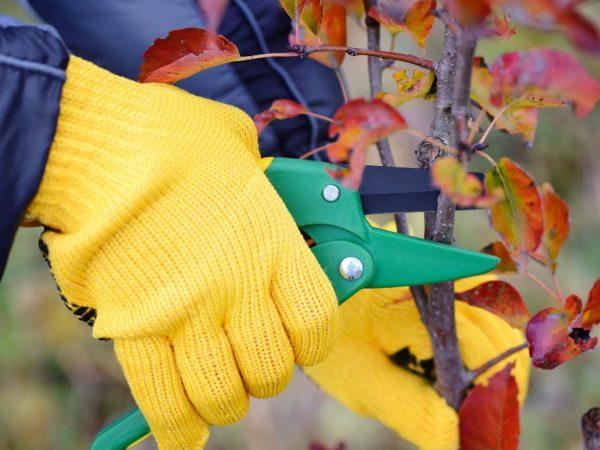
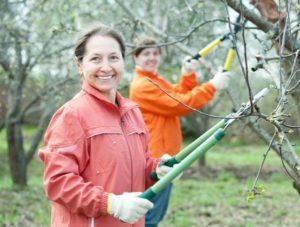
Pruning must be done with sharp gardening tools; otherwise, the trees will be seriously damaged. Recovery will take a long time.
Preparing for the winter period
The apple tree's root system is covered with rags or reeds; this will help protect the tree not only from the cold but also from rodents. For the first five years, the trunk is treated with a chalk solution, and after the specified time, slaked lime is applied.
What rootstocks can be used for growing?
The variety usually takes root successfully on all rootstocks intended for growing summer apple trees.
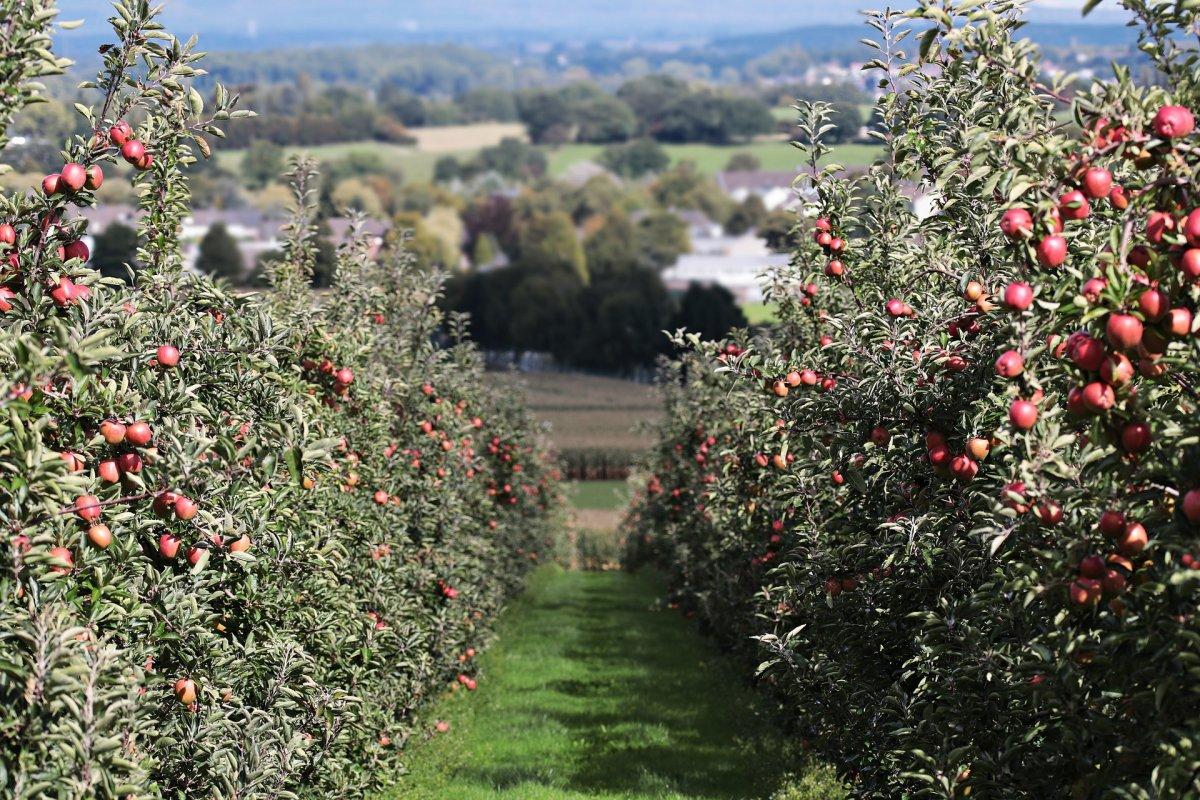
Dwarf
Trees up to 1.7 meters tall are grown on this rootstock. They begin bearing fruit as early as the second year. The fruit is large and meets all the necessary requirements. However, if the trees are not fertilized, this will affect the fruit's performance.
Semi-dwarf
Candy cane is grown on this type of rootstock, but only in southern regions. If the climate is unfavorable, the plant will freeze. This will affect its yield and lead to poor results.
Columnar
Unfortunately, this is a trick—it is not possible to grow apple trees of this variety on rootstock. There are no registered apple trees with this "name."
Subspecies
There are several types of apple trees, each with its own distinct characteristics, as do their fruits.
Candy Summer
This apple variety does not exist; it's a marketing ploy. Under the guise of these fruit trees, they sell Konfetnoye apple tree seedlings, which bear fruit in the first half of summer, and the fruits reach actual maturity by August.
Ranet Candy
Fruit grown on dwarf rootstocks is often sold under this variety; they are smaller but rounded. Some gardeners consider this variety one of the best, due to its excellent characteristics: sweet fruit flavor and high yield.
Candy-2
This variety has good characteristics, improved:
- The fruits are stored longer and have better transportability.
- The species has a comfortable crown, which is distinguished by its compactness.
Growing fruit trees is a complex and labor-intensive process. Konfetnoye apple trees require care: watering, fertilizing, and soil loosening. But these procedures will yield results. Gardeners will enjoy record-breaking harvests and sweet, honey-scented fruits for years to come.
Related posts:
 Signs and treatment of apple tree cancer, varieties resistant to the disease
 Description of the Chudnoe apple variety, planting and caring for a dwarf tree
 Description and characteristics of the Orlovim apple variety, cultivation nuances
 Description and varieties of the Sinap apple tree, planting and care rules
 Description and planting of the Dream apple tree variety, care and propagation
 Description and characteristics of the columnar apple tree President, planting and care
 Description and varieties of Gala apple trees, planting and care in open ground
 Description and subtleties of growing the Sverdlovsk Beauty apple tree variety