
- History of the Medoc grape variety selection
- Growing regions
- Advantages and disadvantages
- Characteristics and description of wood
- Dimensions of a mature tree
- Annual growth
- Flowering and pollinators
- Ripening period and harvesting of fruits
- Taste and yield
- Winter hardiness
- Immunity to diseases
- Specifics of planting and care
- Timing of planting operations
- Planting hole diagram and depth
- What to plant nearby
- Watering
- Fertilization
- Caring for the tree trunk circle
- Crown formation
- Seasonal prevention
- Shelter for the winter period
- Possible problems and solutions
- Reviews of the variety
Columnar apple trees are especially popular among summer residents and gardeners with small plots. They have a compact appearance, fit beautifully into a small landscape, and produce a bountiful harvest. The Medok variety ranks first among the most popular columnar apple trees. By learning all the characteristics of this variety and proper care methods, even a novice gardener can reap a bountiful harvest.
History of the Medoc grape variety selection
The columnar apple variety Medok was developed at the Institute of Horticulture in Moscow over 30 years ago. The work on creating the variety was led by Russian breeders Professors V. V. Kichina and N. G. Morozova.
The new variety was developed by sowing open-pollinated seeds through the columnar donor KV 103. It was zoned in 1996, when its official name, Medok, was assigned. Since then, the variety has become widespread in the central part of Russia and remains a leader among the best columnar apple varieties.
Growing regions
All columnar apple tree varieties require adequate overwintering, as they do not tolerate severe frosts. Preserving the terminal bud, which is responsible for the tree's columnar shape, is especially important.
The most common growing region for the Medoc variety is the Moscow region.
But Medok is also grown in other regions, even those with severe frosts. This early-ripening variety produces a good harvest, and its root system can withstand prolonged frosts.
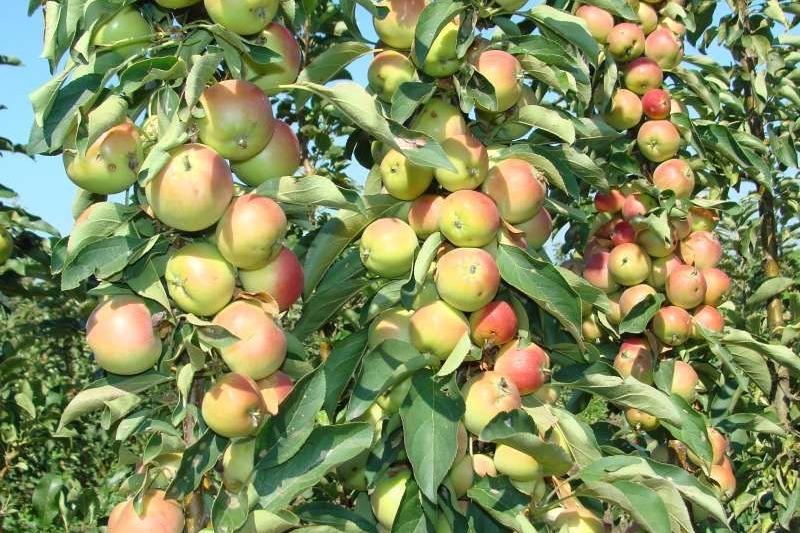
Advantages and disadvantages
The popularity of the Medoc variety is due to the following positive characteristics:
- compactness;
- uniform distribution of fruits throughout the trunk;
- yield up to 8-10 kg from one tree;
- fruiting in the first year after planting;
- ease of maintenance;
- resistance to pests and diseases.
The main disadvantages include:
- short fruiting period – 12-15 years;
- poor development of the root system;
- Under ideal conditions, the fruits are stored for no more than a month.
The Medok variety is often used to make dried fruit, preserves, and jellies. Fresh, it can be given as a first food to small children.
Characteristics and description of wood
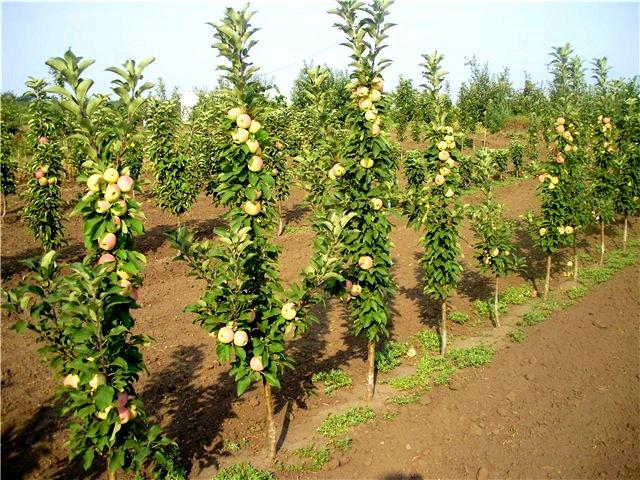
Columnar trees are considered semi-dwarf varieties. Thanks to the stability and rigidity of their trunks, they can withstand even a large load of fruit without breaking.
Dimensions of a mature tree
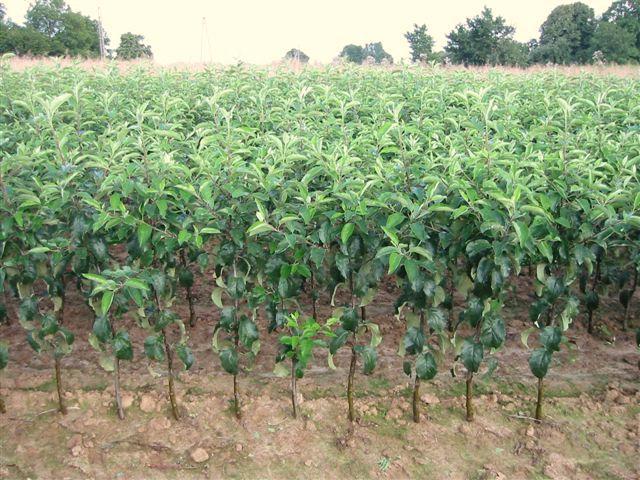
The columnar Medoc cultivar is a medium-sized, upright variety with a single central shoot. It can reach a height of up to 2.5 meters. Its unusual crown lacks horizontal shoots, instead forming one to three vertical ones, which later bear fruit. The diameter of the canopy is 15-20 centimeters.
Annual growth
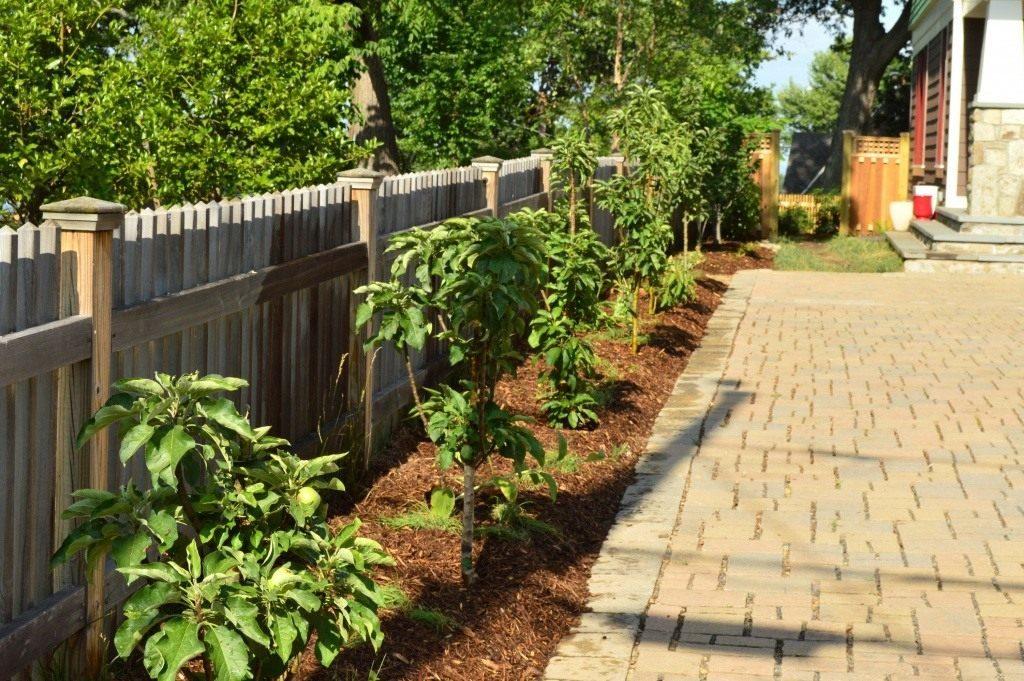
The apical bud is responsible for giving the trunk its columnar shape. It's important to ensure that it's the only top shoot. On average, the apical bud grows 15-20 centimeters annually. This growth depends on timely care and frost protection. If a shoot dies due to frost or mechanical damage, it's necessary to ensure the growth of a lateral replacement bud.
Flowering and pollinators
The Medok apple tree is a vigorous fruiting variety, meaning that when planted in early spring, it can bloom and produce fruit as early as the second year.
The variety is characterized by abundant and lush flowering, depending on the climatic features of the region - from the end of April to the beginning of May.
The main pollinators are bees, but even in their absence, a solitary tree produces strong ovaries.
Ripening period and harvesting of fruits
This apple variety's popularity is due to its early fruiting. Fruiting begins in August in southern regions, and in early to mid-September in northern regions. To ensure the tree gains strength and develops to its full potential during the first year after planting, experienced gardeners recommend pinching off emerging blossoms.
Taste and yield
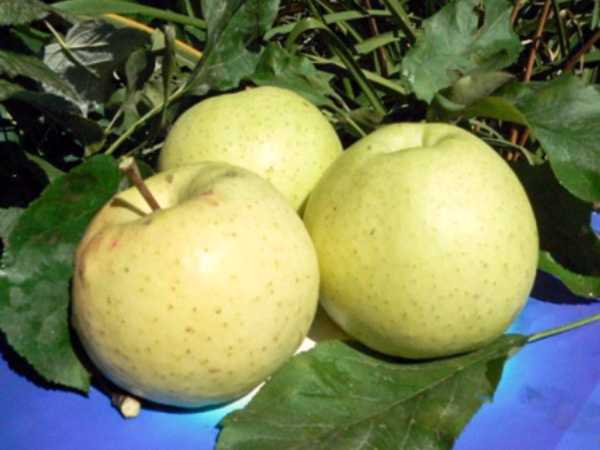
The Medok variety gets its name from its distinctive flavor. The apple is delicately sweet, juicy, and grainy, with a honeyed hue. When ripe, the apple is golden-yellow, rarely green, with one side sometimes being browned. The skin is matte, sometimes iridescent. In a single season, the apple tree can yield a maximum of 15 kg of fruit. The average yield is 5-10 kg.
Winter hardiness
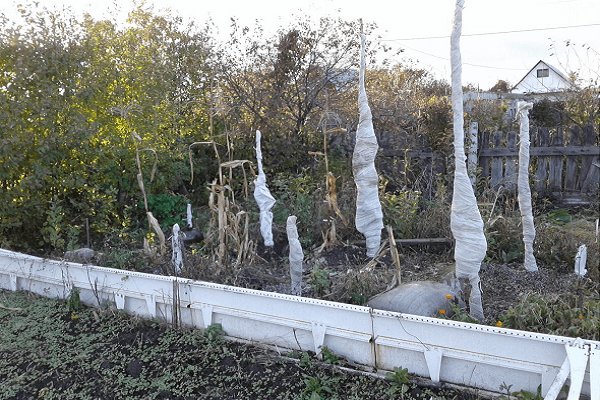
Honey is characterized by good winter hardiness and can withstand severe frosts. A mature tree is not affected by sudden temperature changes. After planting, it is recommended to cover the young tree for the winter with a special material, such as spunbond. Hilling the tree with snow is also an effective protection.
Immunity to diseases
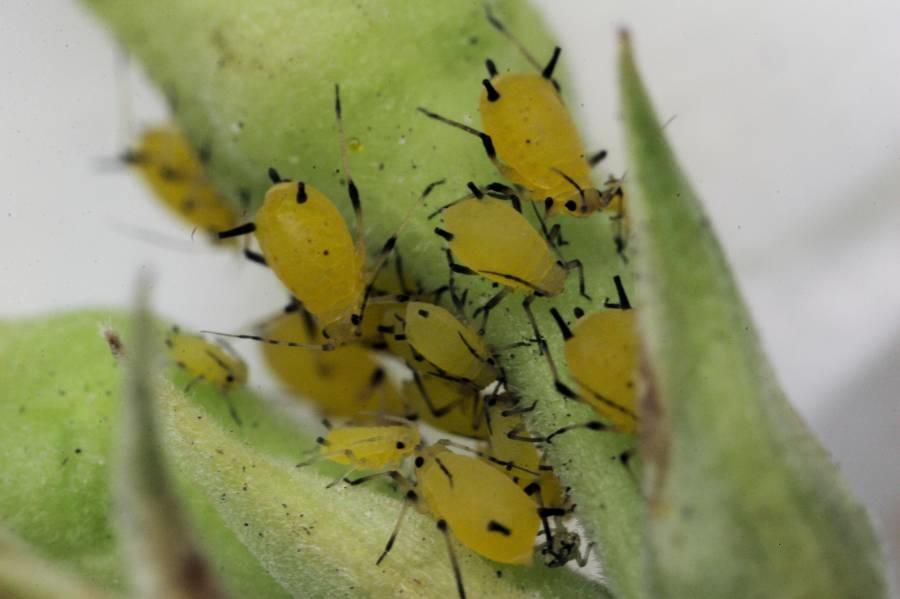
Like other apple varieties, Medok is susceptible to diseases and pests. The most common include:
- aphid;
- copperhead;
- scab;
- flower beetle;
- codling moth.
In early spring, from the moment the buds open, trees should be treated with insecticides or folk remedies in the form of ash and tobacco.
Specifics of planting and care
Columnar apple trees require proper care and constant attention. If all requirements are met, this variety will reward the gardener with a bountiful harvest, and its decorative appearance will enhance the garden plot.
Timing of planting operations
The Medok variety should be planted in favorable weather conditions. Most often, gardeners plant seedlings before bud break and sap flow begins. Planting shoots in the fall is also acceptable, 30 days before the onset of frost. When selecting seedlings, pay attention to the root system. It should be free of damage and signs of disease.
Planting hole diagram and depth
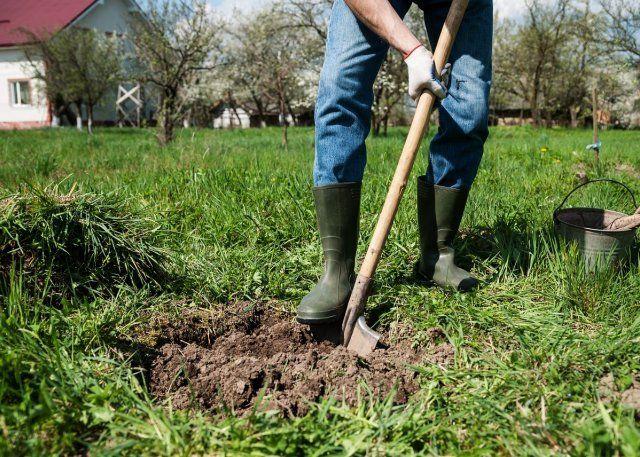
The planting hole for each seedling should be 1 cubic meter in volume. The bottom of the hole should be lined with drainage material such as broken brick, sand, or crushed stone. Fertilizing with compost and potassium fertilizer is also necessary. All procedures should be completed two weeks before planting.
What to plant nearby
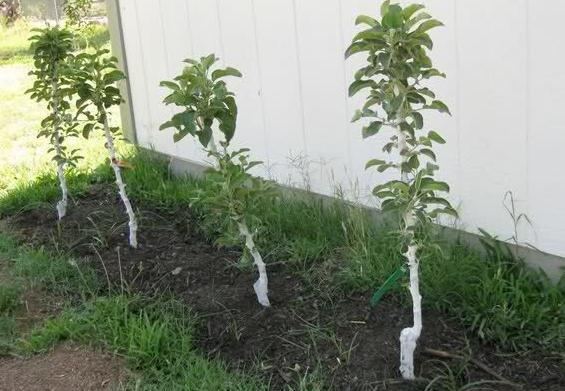
For columnar apple trees, it's important to create reliable root protection. Therefore, experienced gardeners prefer to sow grasses around the trunk. They reliably retain moisture and protect the fruit from damage. Instead of grasses, you can sow common garden greens such as parsley, dill, and lettuce.
Watering
The Medok apple tree's root system is compact, so drip irrigation is the preferred method. This method ensures the most efficient water absorption: the roots are always supplied with oxygen, and dissolved fertilizers can be added. Columnar apple trees can also be watered using pits or furrows.
Fertilization
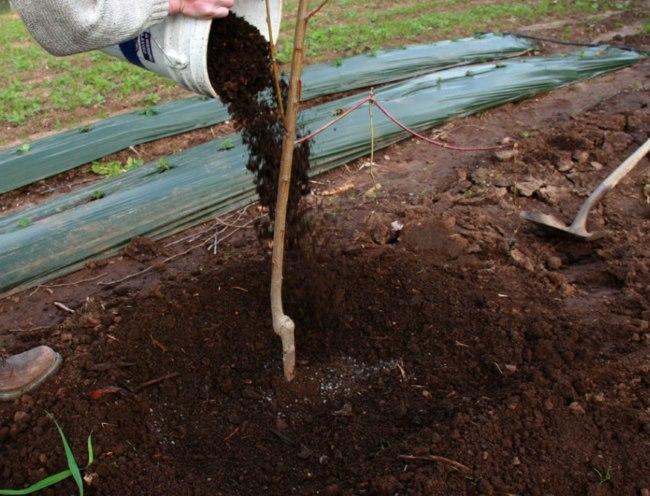
Fertilizing apple trees is essential for increasing their fertility. Every quarter, the soil should be fertilized with saltpeter, slurry, and nitrogen-containing fertilizers. During the fruit development period, phosphorus-potassium fertilizers are sufficient. Nitrogen-containing fertilizers during this period can negatively impact apple growth. In August and September, apple trees can be fed with ash—approximately 200-300 g per tree.
Caring for the tree trunk circle
Without drip irrigation, soil erosion can occur, which negatively impacts the apple tree's root system. Experienced gardeners recommend mulching the area around the tree's trunk with straw, sawdust, or other materials.
Crown formation
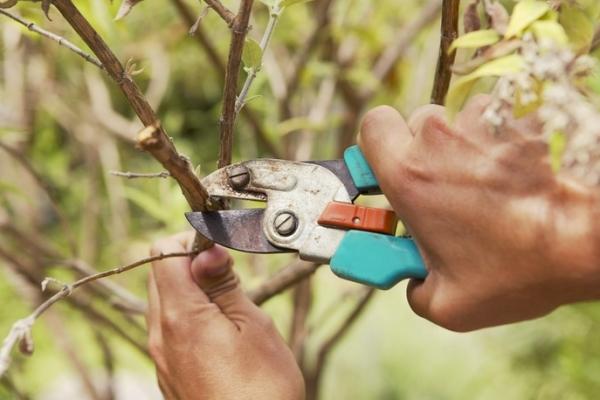
To grow a large harvest on a single apple tree, it's essential to properly shape its appearance and crown. Columnar apple trees, like regular apple trees, develop lateral shoots. Over time, these will spoil the tree's decorative appearance and begin to rob it of nutrients without producing fruit. Each year, the resulting lateral shoots should be pruned back by two buds.
Seasonal prevention
To prevent disease and pest damage, trees should be treated with fungicides and insecticides. The most common products include: Karbofos, Admiral, Bordeaux mixture, Chlorophos, and Metaphos.
Important! Do not spray the apple tree in strong winds, as it may burn.
Shelter for the winter period
The upper part of the Medok apple tree's trunk is most often susceptible to frostbite. If this problem occurs, the tree can be trained to consist of two or three trunks.
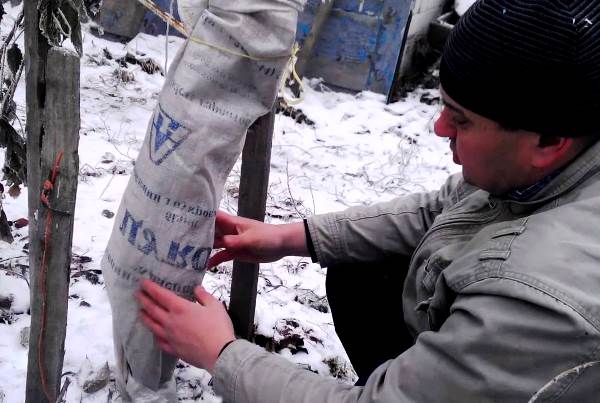
During winter, it's common to cover the lower portion of columnar apple trees with natural materials that don't retain moisture, such as spruce branches or sawdust. This will also help protect the trunk from rodents. It's recommended to insulate the upper portion of the tree with spunbond or burlap and secure it with rope.
Possible problems and solutions
The Medok apple tree variety often fails to survive frost. This problem can be avoided by carefully planting the seedlings in advance. To do this, choose a suitable, warm location. This could be a low-lying area or a spot near the wall of a house, garage, or fence. This will help the tree retain heat longer and survive frosts more easily.
Reviews of the variety
Evgeny.
"I didn't get along with the Medok variety. I bought seedlings twice, and both times they didn't take root; they froze over the winter. Even though I tried, carefully covering them and sprinkling them with snow. Ultimately, I decided to give up on columnar apple trees."
Olga.
"The columnar Medok apple variety is popular in my region. For five years, I've been harvesting at least 5-10 kg from a single tree. The apples are juicy, sweet, and crisp. I use them for compotes, preserves, and marmalade. Both adults and children enjoy them."
Peter.
"The columnar Medok apple tree turned out to be a difficult tree for me. A month ago, I had to save it from pests due to damaged bark. I advise all gardeners to carefully inspect this apple variety for trunk damage and treat it promptly."
Related posts:
 Description of the 10 best columnar apple tree varieties for the Moscow region, planting and cultivation
 Signs and treatment of apple tree cancer, varieties resistant to the disease
 Description and characteristics of the columnar apple tree President, planting and care
 Description of the Chudnoe apple variety, planting and caring for a dwarf tree
 Description and planting of the Dream apple tree variety, care and propagation
 Description and rules for growing creeping apple trees, planting and care
 Description and characteristics of the Orlovim apple variety, cultivation nuances
 Description and varieties of the Sinap apple tree, planting and care rules